

Revelling in a fascinating history, an eye-catching mix of Gothic and Art Nouveau architecture, and a choice of world-class galleries, Palma proves Mallorca is about much more than the beaches the island is so well known for. A year-round city break destination in its own right, the charming harbourside city also has a thriving food and drink scene, excellent shopping opportunities and smart accommodation options to boot.
A short round-up of Palma’s must-see sights…
Catedral-Basílica de Santa María de Mallorca: If you don’t land a window seat and spy Palma’s mammoth cathedral from the sky, it won’t be long before you stumble across it. Known as La Seu, the 14th-century golden sandstone masterpiece is one of the tallest churches in Europe and comes with an impressive 61 stained-glass windows.
Royal Palace of La Almudaina: Right next door, the royal palace with its mix of Moorish and Gothic architecture is a lovely place to explore and the terraces offer sweeping views out to sea.
Castell de Bellver: Amidst pine forests atop a hill to the west of the city, Spain’s only round castle is a former 14th-century royal fortress.
Banys Àrabs: Dating back to the 11th century, this bath house from the Islamic era is a beautifully preserved spot to admire.
Fundació Miró Mallorca: In the suburbs of Palma is the former home and studio of Catalan artist Joan Miró. Transformed into a museum by the artist’s favourite architect Josep Lluís Sert in the nineties, it’s a chance to see the inspiring place where he worked and an impressive collection of his pieces as well as other exhibitions.
Es Baluard Museu d’Art Contemporani de Palma: At this light-filled contemporary art gallery there’s works from Cezanne, Gauguin and Picasso alongside rotating exhibitions featuring both local and international artists.
Take a trip to Sóller: This historic train ride takes you through orange groves to the pretty mountain town of Sóller and onwards to its sister by the sea, Port De Sóller.
Fundación Juan March: Located in a 17th-century mansion known locally as Can Gallard des Canyar, this space has an extensive collection of 20th-century Spanish art and ever-changing exhibitions in a stunning setting.


…and a longer look at Palma’s lesser known spots
Carrer de Feliu
For the best art buying (or perusing) and shopping, head to the narrow street off Passieg Del Born where smart style and homeware boutiques sit amongst contemporary private art galleries. Interiors lovers won’t want to miss Rialto Living while art enthusiasts should check out Gerhardt Braun Gallery.
Ride a bike
With flat geography on your side and numerous cycle paths, setting off on two wheels couldn’t be easier. You can follow the path starting in the city all along the coast in an eastward direction and be treated to sea views all the way. Spy the super yachts in the marina, take in the old fishing area near Molinar and pick a sandy stretch of beach to park up in once you reach S’Arenal.
Explore the local vineyards
There are over 100 wineries across Mallorca and many are within easy reach of Palma. Spend an afternoon learning about the island’s grape varieties, seeing the winemaking process in action and sampling the fruits of their labour. Macia Batle, Can Piza or Bodega Oliver Moragues are all within half an hour of the city centre.
What — and where — to eat in Palma
Tapas, naturally, is the order of the day here and you are truly spoilt for choice. For a traditional experience try Toque de Queda or Bodega La Rambla. If it’s something more modern or refined you’re after, book a table at Ombu, El Camino or Stagier. Over in the city’s main market, Mercat de l’Olivar, there are a number of bars alongside the fresh produce stalls where you can pull up a stool and enjoy a casual bite — simply pick what you fancy straight off the counter.
Thanks to Palma’s diverse population, it also has a really strong international food scene. The neighbourhood of Santa Catalina is where to head if you want to feast on tacos (try El Aquanauta), homemade pasta (try Rikito) or Thai dishes (try Isaan).

Where to stay in Palma
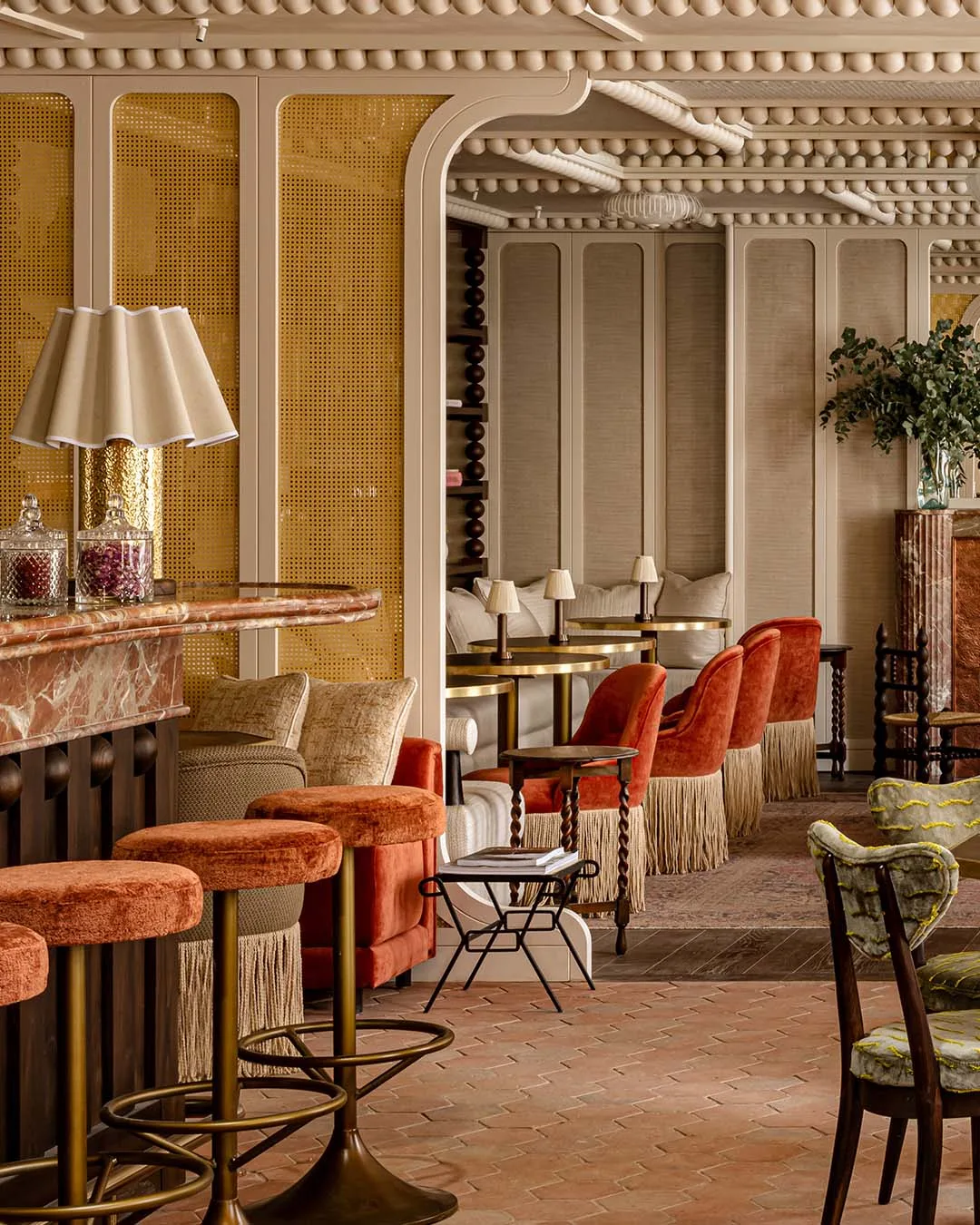
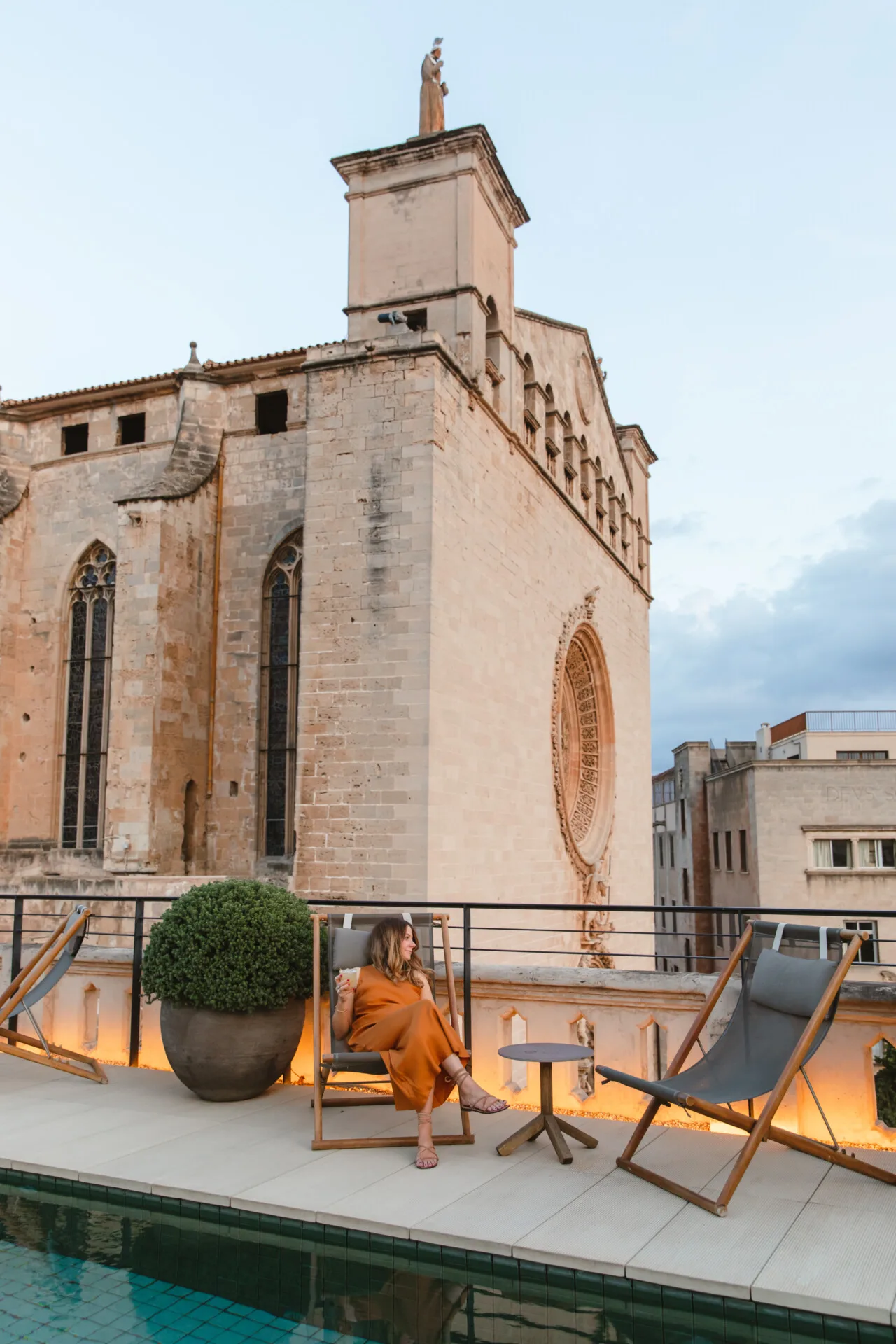
Sant Francesc Hotel Singular... On a quiet square in the heart of the old town, this beautifully renovated, 19th-century mansion is a peaceful retreat to return to. Rooms have a contemporary feel with neutral decor and calming modern art and a number come with balconies and verandas. The clincher? The roof terrace with pool and solarium that offers views of the cathedral and the Bay of Palma itself.
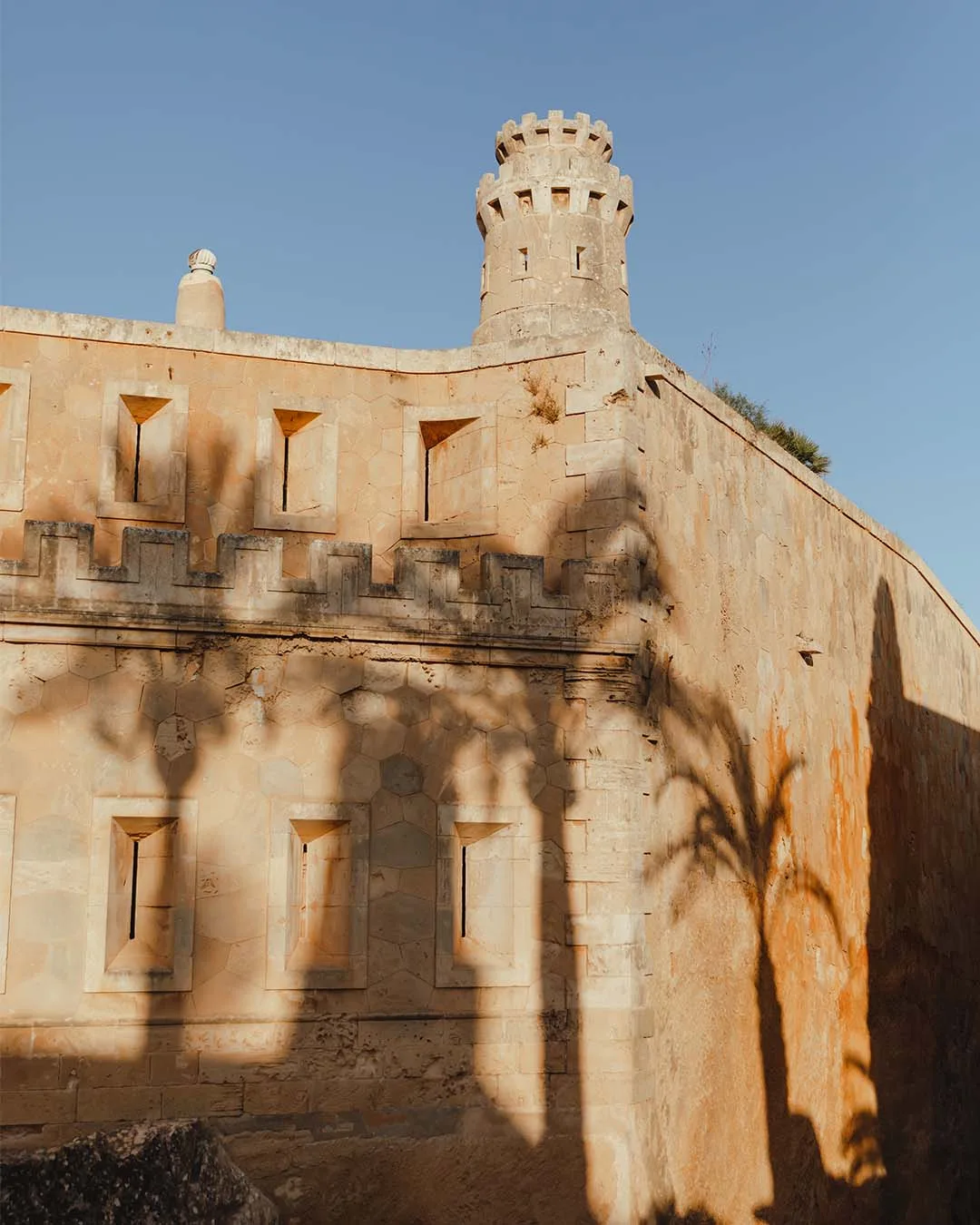
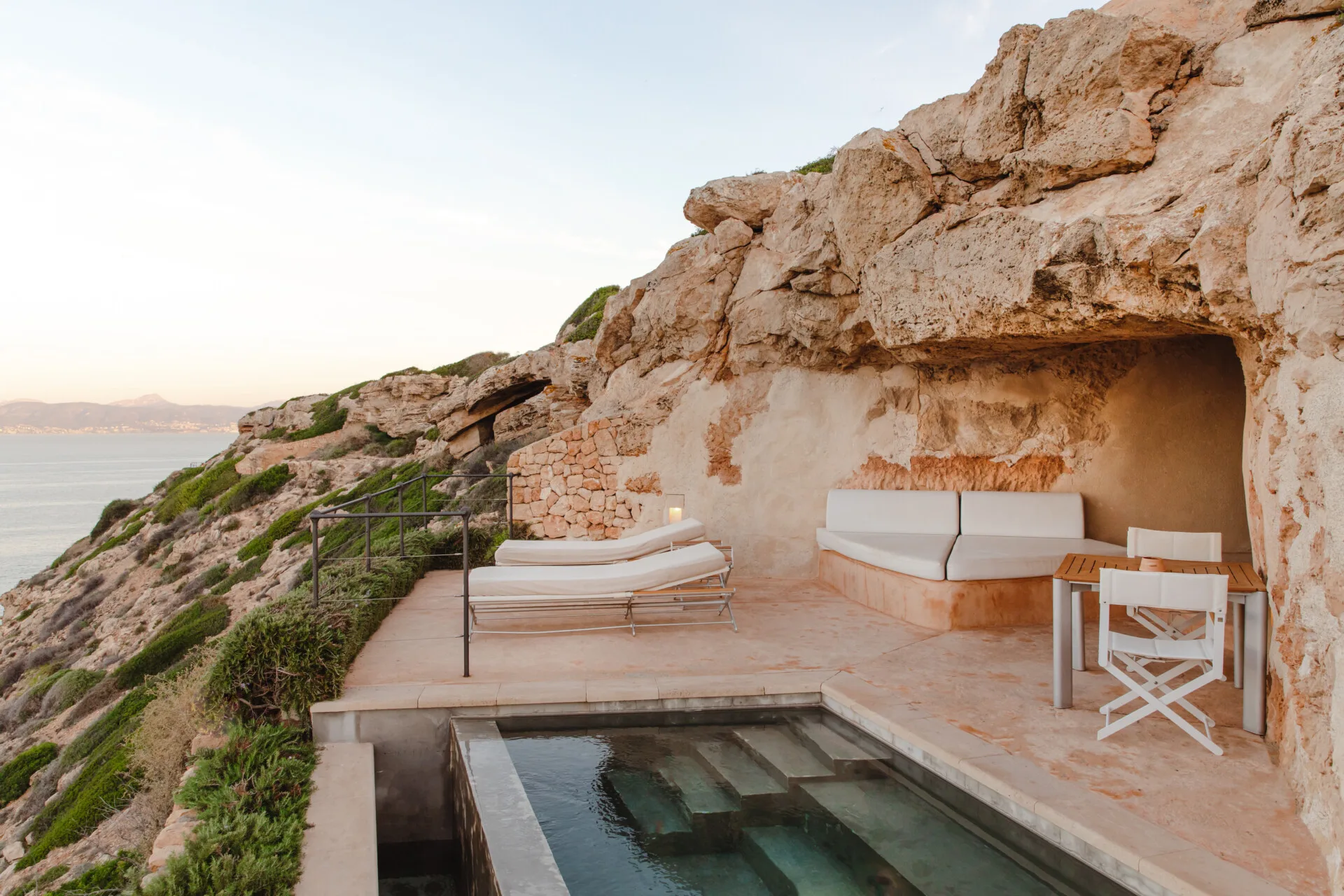
Cap Rocat... An apricot-hued military fortress turned adults-only boutique stretching along Palma’s coastline, with direct access to the sea, a private jetty and saltwater pool from its rocky cliffside beach. Unwind in the naturally lit hammam which has been excavated in the heart of the fortress, before strolling across the drawbridge as dusk draws in to sink sundowners on the palm-filled terrace.
Explore Mallorca




Share this article
Latest stories
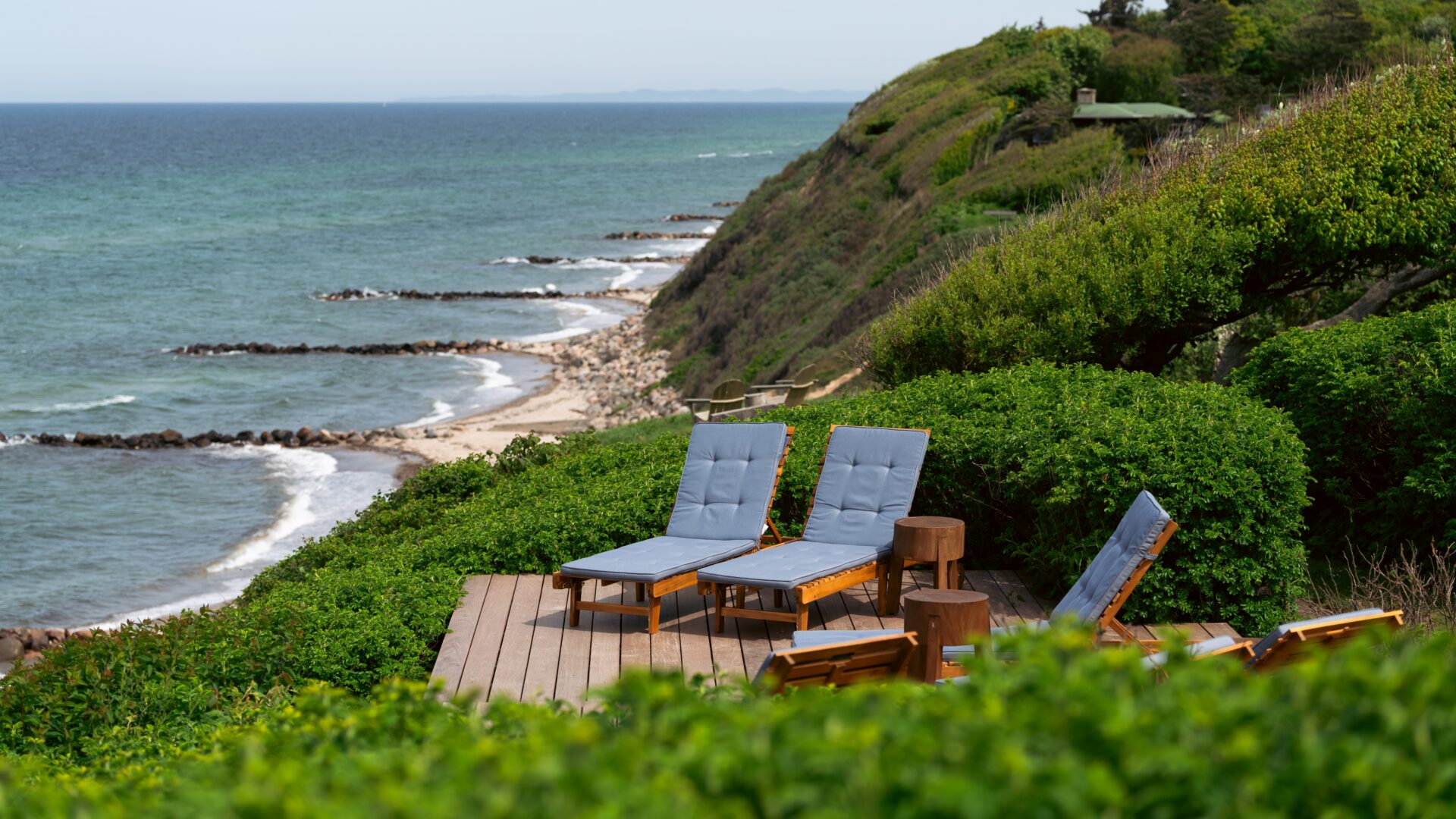
Where to stay: our pick of new hotels that bring their destinations to life
From a Japanese island retreat to a Danish coastal hideaway, we look at seven new member hotels that take their cues from the landscapes around them. Each brings its own perspective on design, wellbeing and a sense of place, whether deep in the mountains or by the Mediterranean. Helenekilde Badehotel,
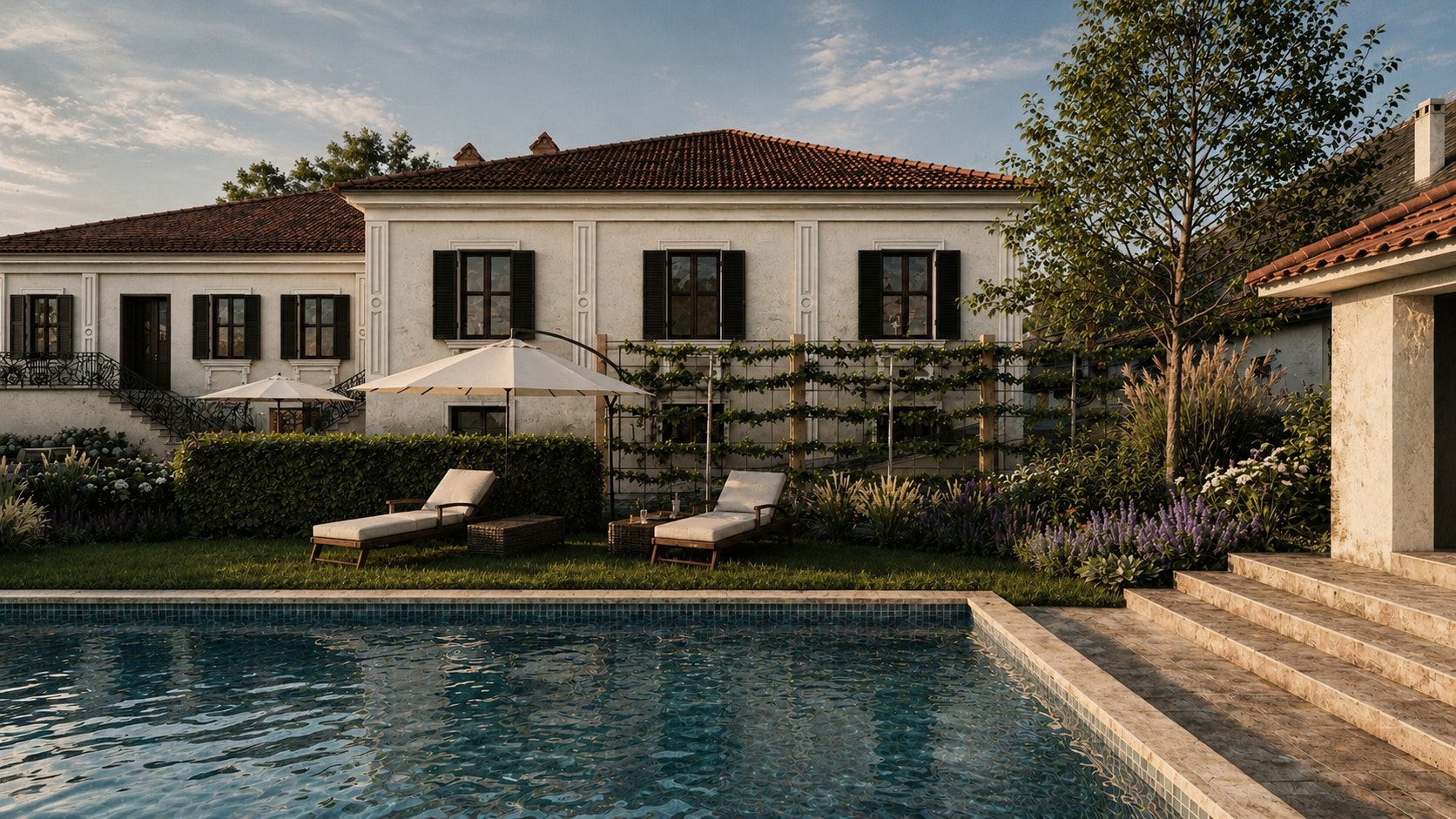
Celebrating five years of the Considerate Collection
What does it mean to travel considerately? It might be a centuries-old farmhouse given a second lease of life in Transylvania; a Venetian landmark carefully restored with a heating and cooling system that uses lagoon water; or an island kitchen serving a plant-based feast made with seaweed gathered just offshore.
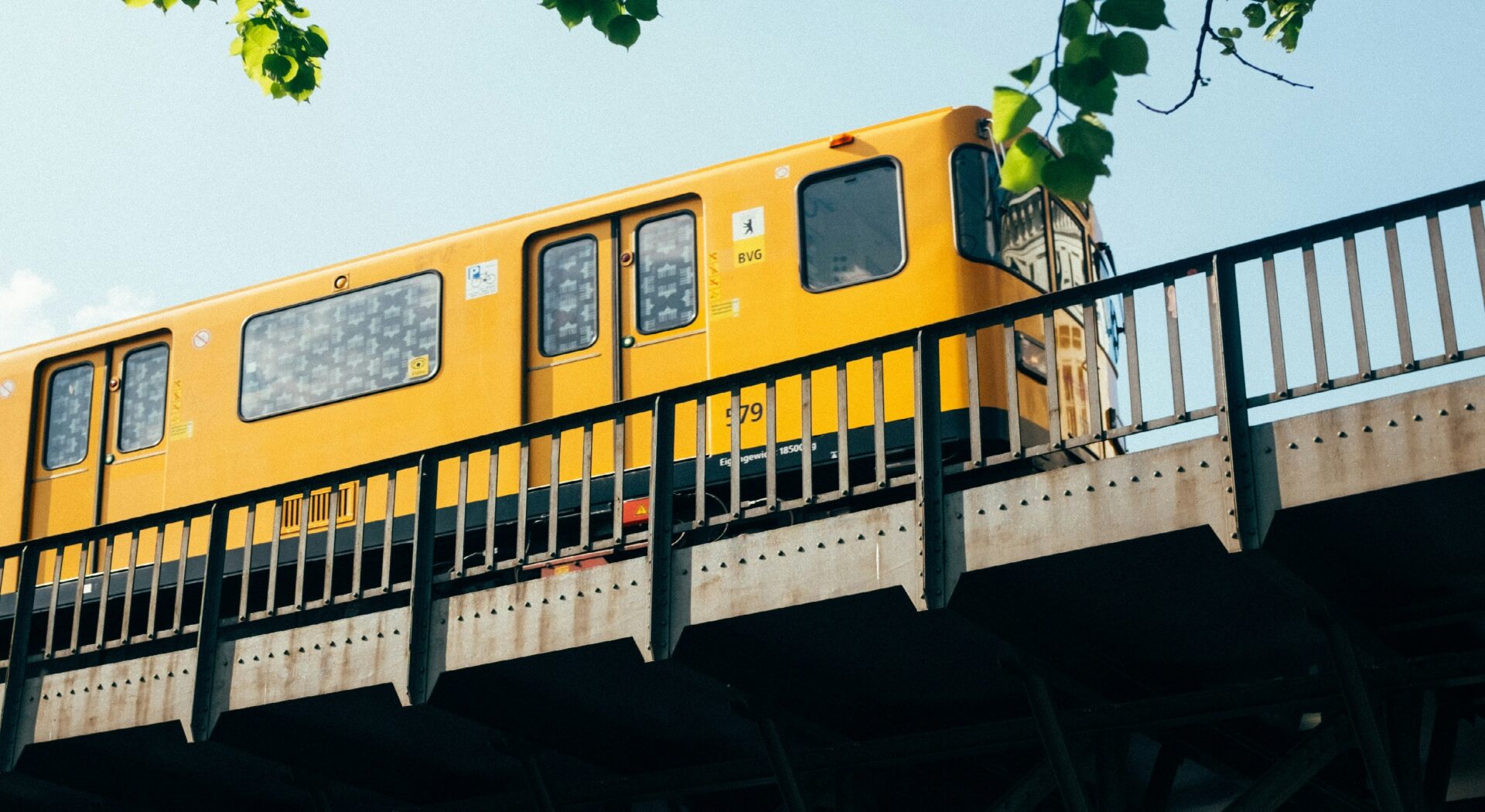
Making tracks: a train journey taking in six European cultural capitals
It’s official – inter-railing is back, as travellers increasingly swap flights for the speed and ease of Europe’s rail network. Think zippy connections, city-centre arrivals, and stress-free border crossings: train travel is one of the fastest, most convenient, and still sustainable ways to explore the continent. Get ready for a
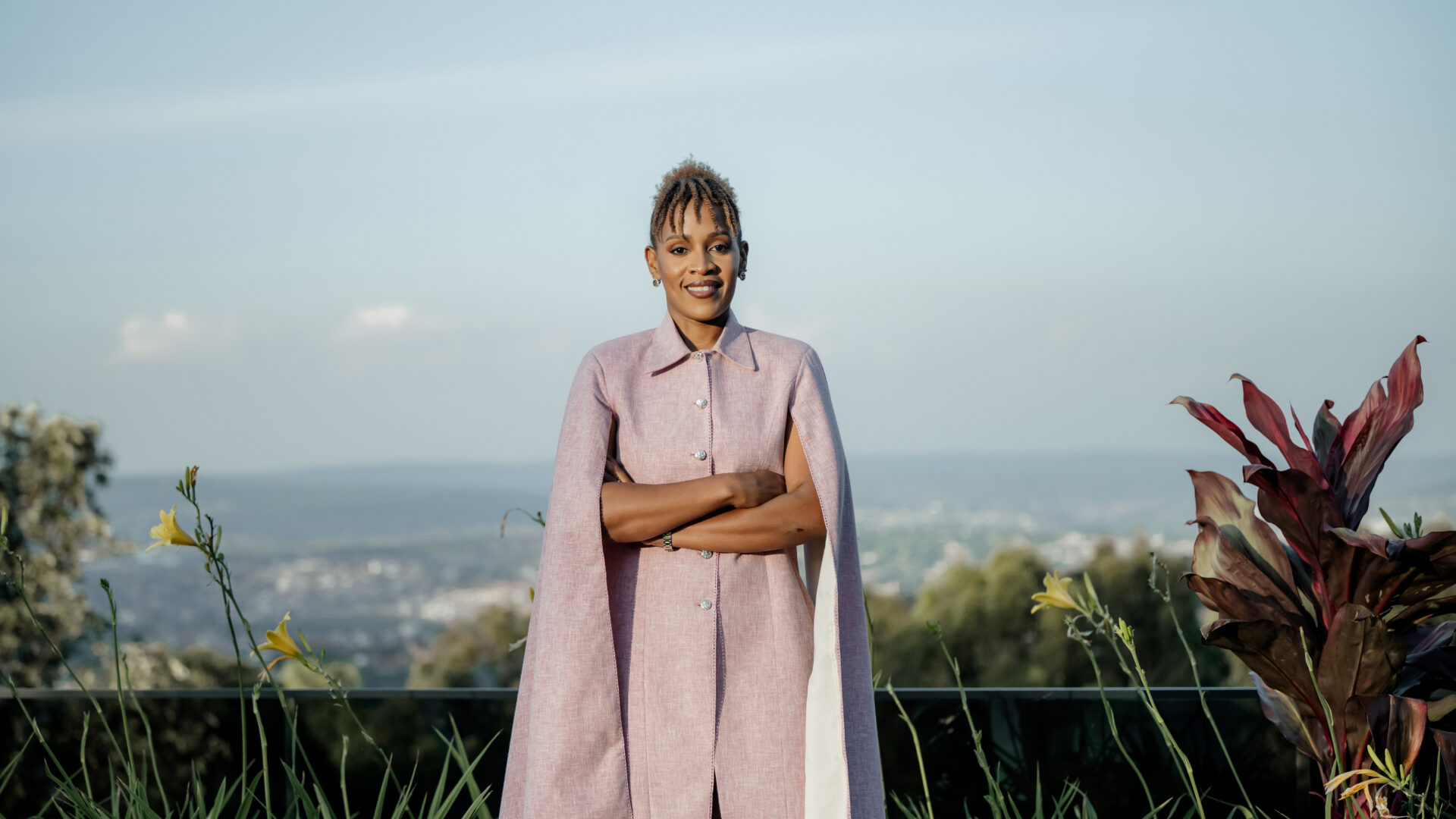
Independent Minds: Sheila Kyarisiima, The Pinnacle Kigali
High above Kigali on Rebero Hill, The Pinnacle offers sweeping views across the city, bringing contemporary luxury together with a strong sense of place. What began as a private family retreat has evolved into a destination that celebrates Rwanda’s culture, creativity and community. Here its founder, Sheila Kyarisiima, shares the