

A smattering of Michelin-starred restaurants has put San Sebastián on the map, but eating aside, this compact but charming Basque city boasts a beautiful beach, excellent surfing and some lovely parks and museums.
A short round-up of San Sebastián’s must-see sights…
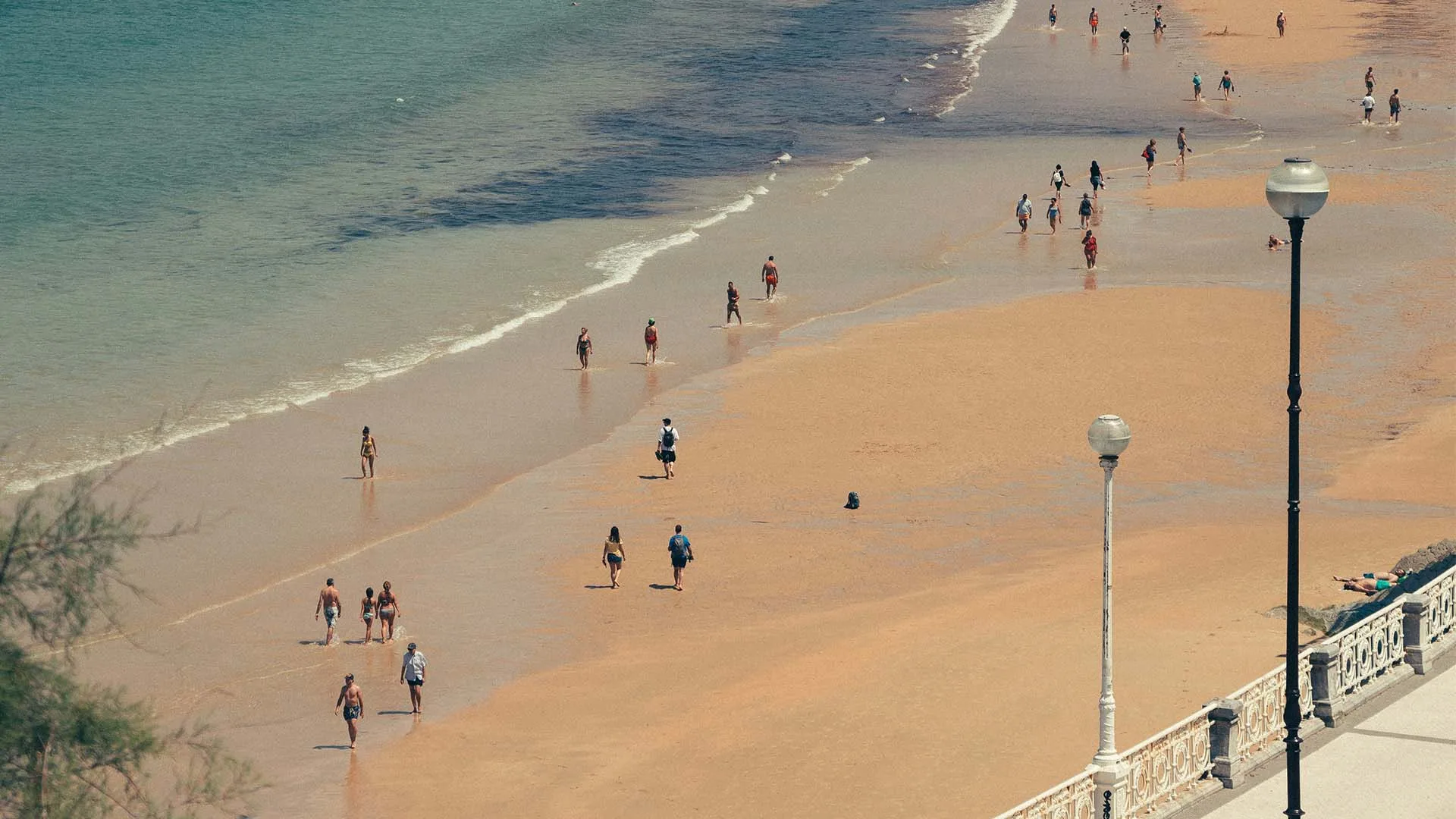
Playa de la Concha: Translated as ‘shell beach’ because of its crescent-like shape, this stretch of golden sand with calm waters for swimming and chic blue-and-white striped parasols is picture-perfect.
Monte Igueldo: At the western end of La Concha, board the rickety funicular railway and trundle up to the old-fashioned theme park at the top of the hill. Sweeping views back over the beach and the city await.
Monte Urgell: For the opposite view, head to the other end of La Concha and make the climb on foot up to the top of Monte Urgell. The castle ruins (Castillo de la Mota) and the Sagrado Corazón statue can also be seen from the summit.
Parque de Cristina Enea: Set over 23 acres, the city’s biggest and most beautiful park is a mix of open lawns and wooden paths with ducks, swans and peacocks in the ponds.
San Telmo Museoa: At the foot of Monte Urgull, this museum’s permanent collection focuses on Basque history and culture while rotating exhibitions showcase everything from science to photography.
Tabakalera: This 90-year-old tobacco factory turned cultural space has a great lineup of art exhibitions, film screenings and seminar-style events.
Playa de la Zurriola: Visible from Monte Urgell and stretching in front of the Gros neighbourhood, this beach is known for its waves and surfing (but for non-surfers it’s still great for a stroll and some people watching).
Mercado de la Bretxa: In the heart of the old town, this 19th-century market is where many top chefs buy their produce. Browse the stalls of local delights and make the most of the free samples.
...and a longer look at San Sebastián’s lesser-known spots
Spot the Chillida sculptures
At the western-most point of San Sebastián’s bay stand three steel sculptures by Basque artist, Eduardo Chillida. Anchored to the rocks and each weighing over nine tonnes, they are designed to ‘comb’ the incoming wind — hence the name El Peine del Viento (‘The Wind Comb’). Beyond this, Eduardo Chillida has left his mark across the city and you can create a DIY walking tour of all of them by following this map.
Playa de Ondarreta
While the city of San Sebastián has three beaches, it’s normally Concha and Zurriola that steal the spotlight. As the least known beach, Ondarreta is a quiet spot even in the peak summer months. Sheielded by Monte Igeldo, its calm waters making it a great swimming option for families. Keen swimmers can also venture out to Isla Santa Clara in the bay.
Go in search of cider
Food might be the first port of call in San Sebastián but this delectable region of Spain is also famed for cider production. Head to the towns of Hernani and Astigarraga, (both less than 10km from San Sebastián) where there are over 100 cider houses to enjoy tastings and tours. For real cider fanatics, there’s the Cider Museum or Sagardoetxea in Astigarraga.
What — and where — to eat in San Sebastián
Pintxos, small bites often served on bread or pierced on skewers, is the Basque take on tapas and served standing at the bar. Hopping between pinxtos bars is a fun way to try lots of different local flavours — in the old town try traditional spots like Goiz Argi, Txepetxa, and Bar Nestor. La Cuchara de San Telmo serves bigger plates for sharing (more like traditional tapas) in a similarly hectic fashion perched on stalls or at the bar.
On the fine dining end, you are spoilt for choice. If you want the full Michelin star experience you won’t be disappointed with the tasting menus at Arzak or Mugaritz — just be sure to book well in advance. If you want to eat fine dining fare at a more affordable price point, Zazpi STM is a great option. For a less touristy vibe, head over to the neighbourhood of Gros. Try Manojo for sharing plates and natural wine or Topa for Latin American flavours and cocktails.


Where to stay in San Sebastián
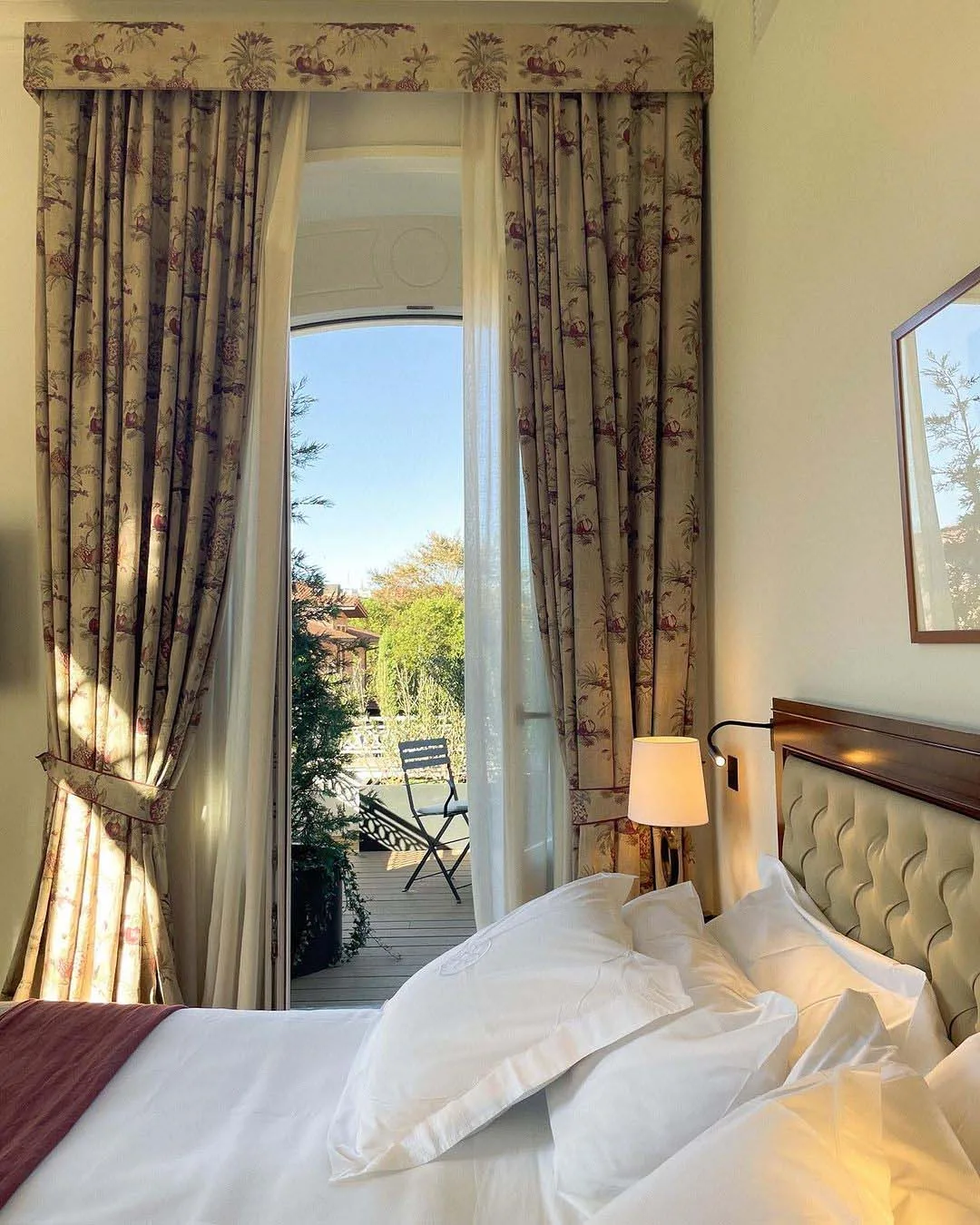
Hotel Villa Soro... A short walk from the old town, this Tudor mansion resides amongst spectacular, sprawling gardens. The heritage of this 19th-century building has been beautifully preserved from the stained glass windows to the marble floors and wood panelling. The spacious rooms follow suit, with restored antique pieces and opulent details.
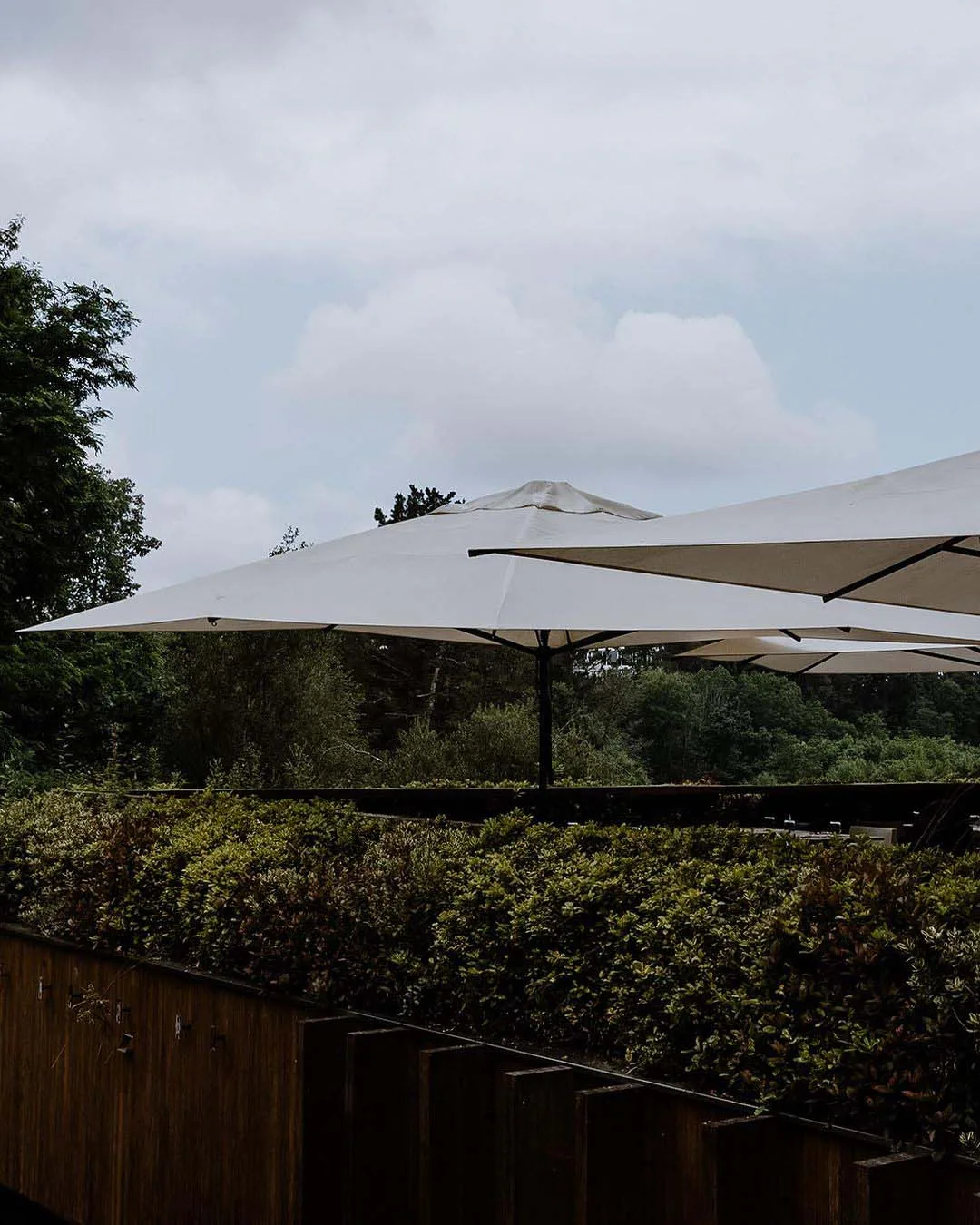
Hotel Arima & Spa... For a relaxing back-to-break with easy access to San Sebastián, this hotel is just the ticket. Hidden between the trees in the Miramón Forest on the outskirts of the city, rooms come with floor-to-ceiling windows to soak up the green hues. There’s also the rooftop pool, Foresta Wellness spa and gym, and farm-to-fork restaurant, all created in line with the hotel’s strong eco philosophy.

Share this article
Latest stories


Making tracks: a train journey taking in six European cultural capitals
It’s official – inter-railing is back, as travellers increasingly swap flights for the speed and ease of Europe’s rail network. Think zippy connections, city-centre arrivals, and stress-free border crossings: train travel is one of the fastest, most convenient, and still sustainable ways to explore the continent. Get ready for a

Independent Minds: Sheila Kyarisiima, The Pinnacle Kigali
High above Kigali on Rebero Hill, The Pinnacle offers sweeping views across the city, bringing contemporary luxury together with a strong sense of place. What began as a private family retreat has evolved into a destination that celebrates Rwanda’s culture, creativity and community. Here its founder, Sheila Kyarisiima, shares the
A postcard from: Piedmont with Sina Villa Matilde
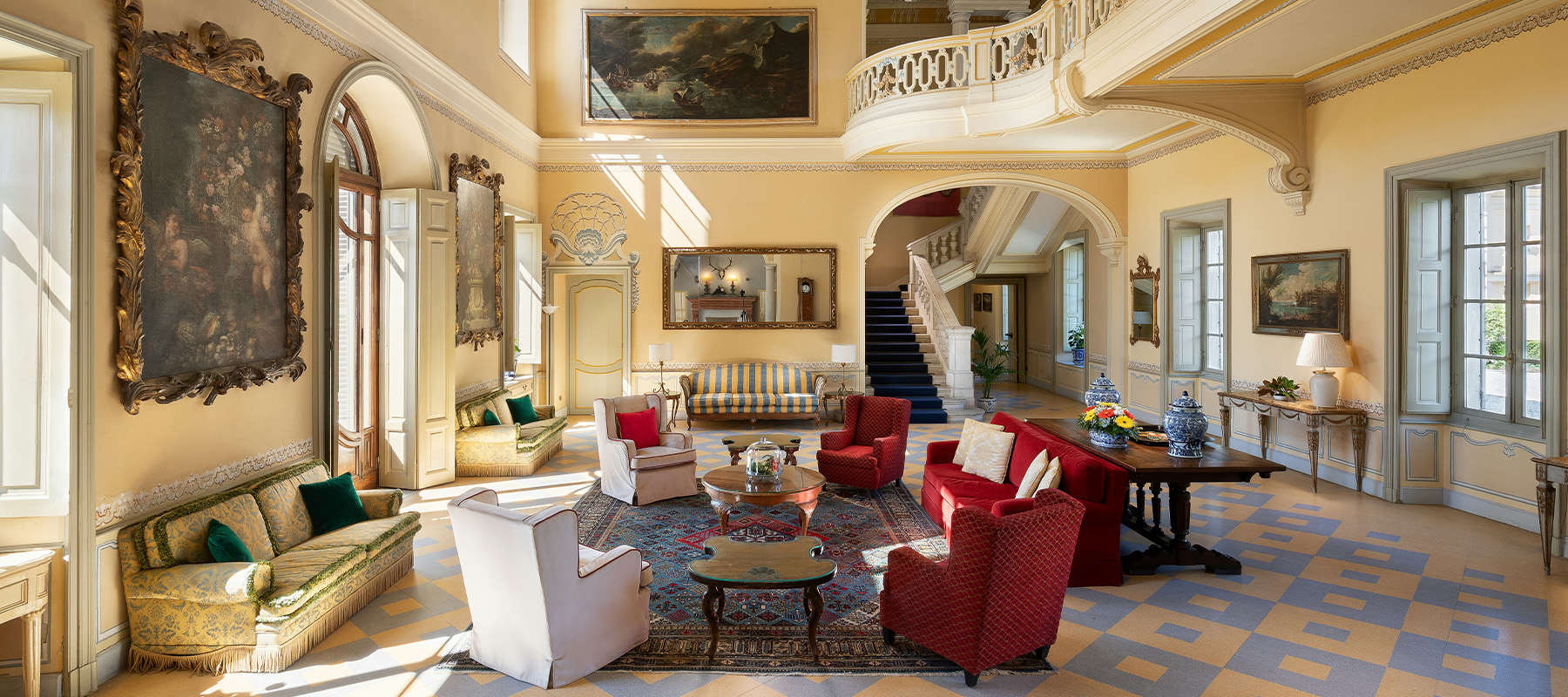
Piedmont may be one of Italy’s less-travelled regions, and that is precisely part of its appeal. Sitting at the foot of the Alps, the landscape is a mix of rolling hills, family-run wineries and elegant country estates, with excellent food and wine at its heart – some might even say
Our edit of hotels to book in October
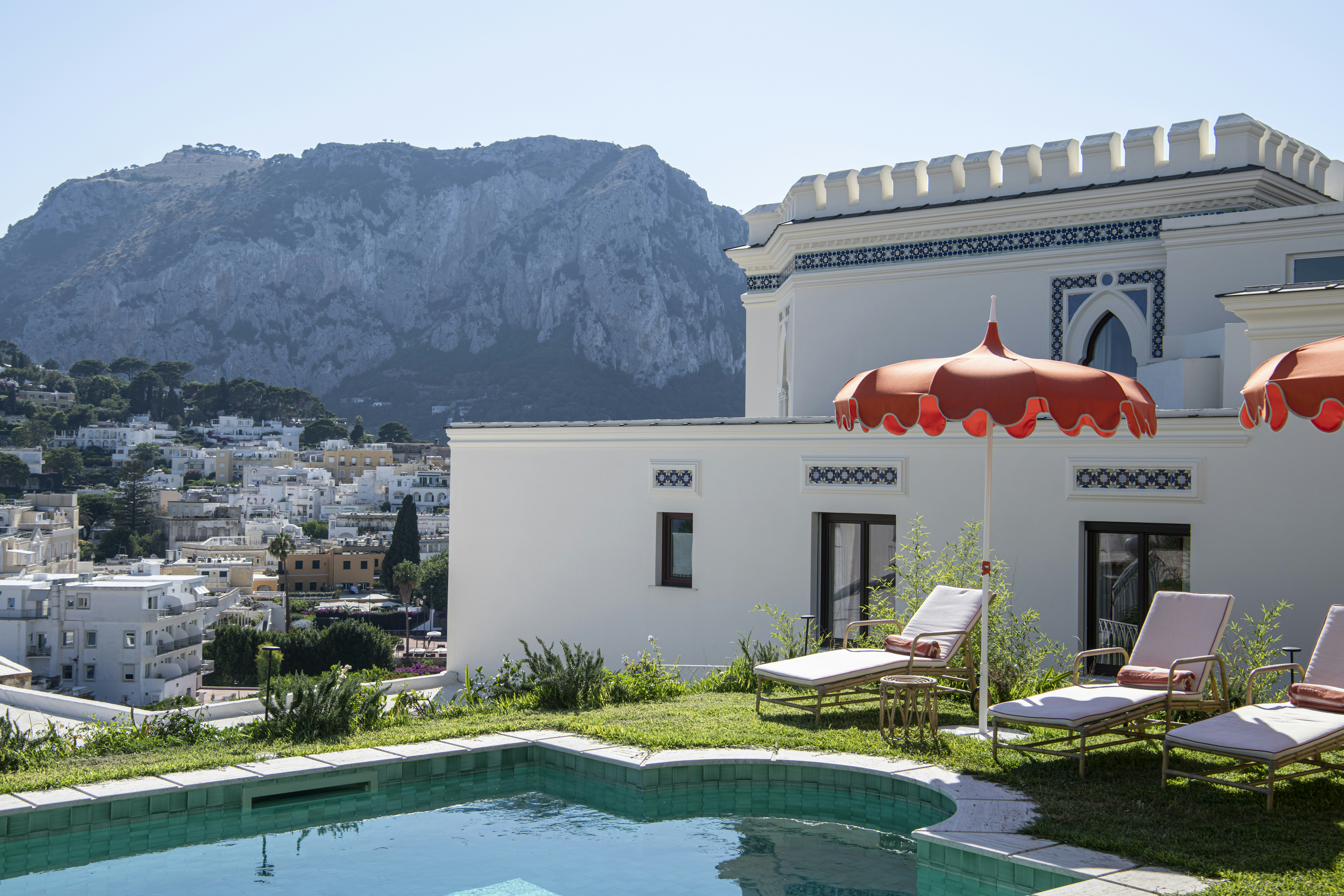
From a colourful restored villa in glamorous Capri to a private island with overwater villas in Indonesia, October brings a new crop of hotels worth knowing about. These are the openings catching our eye this month – some are historic properties given a new chapter, while others bring contemporary flair