

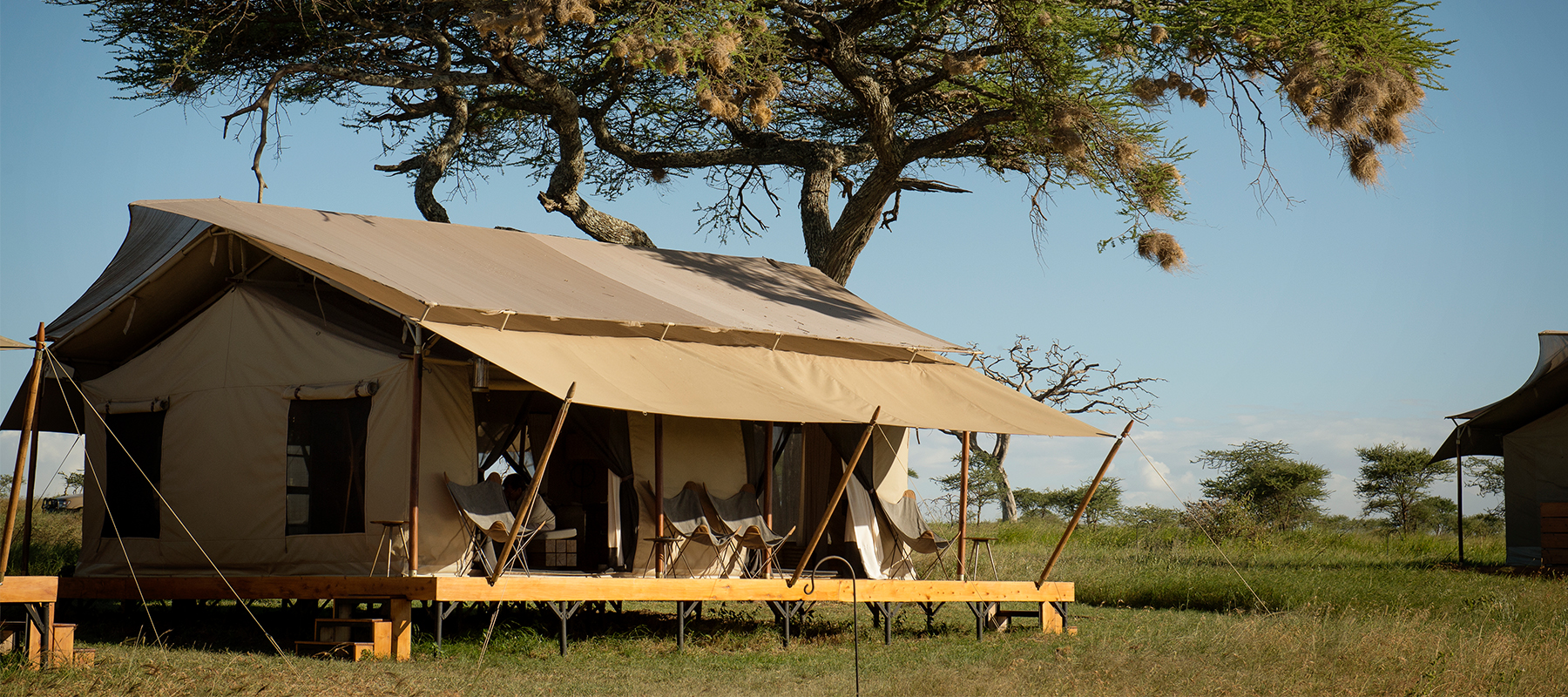

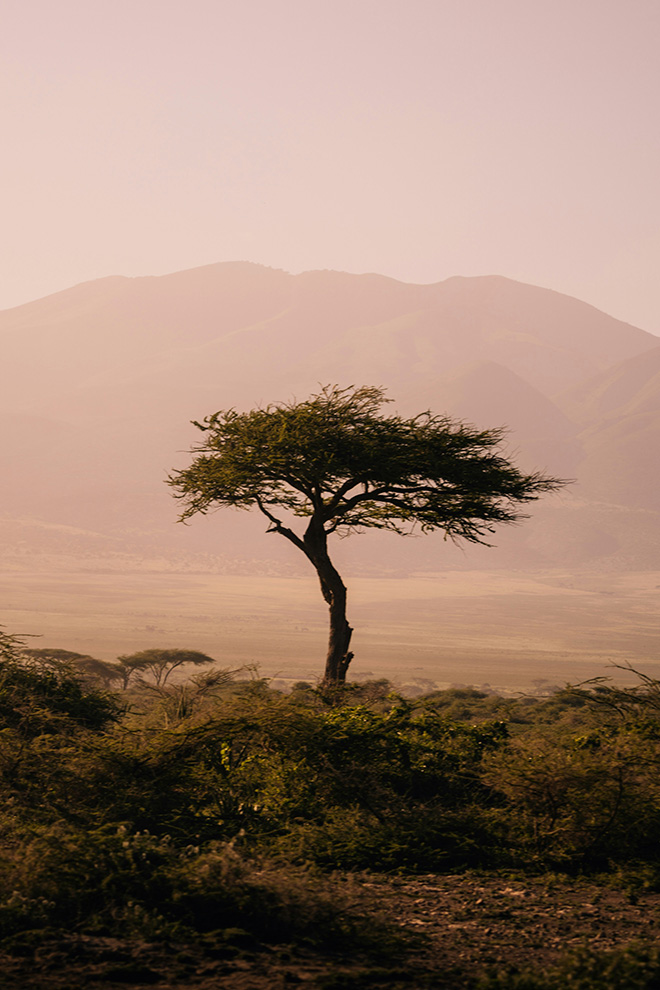
The Serengeti ecosystem is ancient and intriguing. In the north, a verdant escarpment tumbles into riverine forests, kopjes (rocky outcrops) and rolling hills. In the south, vast golden plains peppered with flat top acacias melt away on the horizon. It’s staggeringly beautiful, and many of its ecological intricacies are still being uncovered. Fossil discoveries within the Cradle of Humankind — at Olduvai Gorge and Laetoli — suggest that some of humanity’s earliest ancestors inhabited Tanzania, roaming these boundless plains for millions of years.
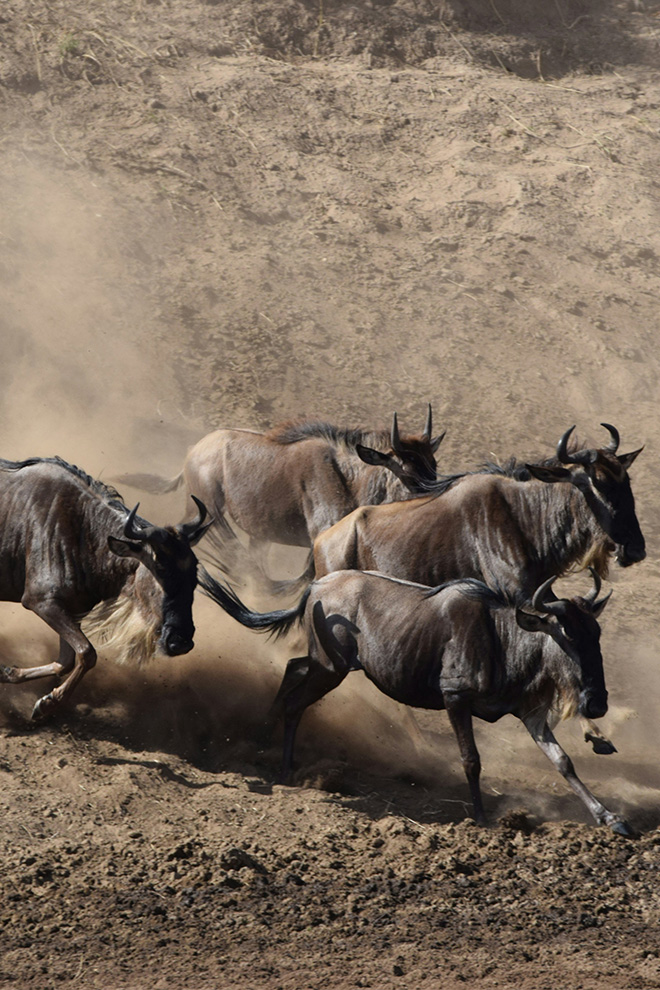
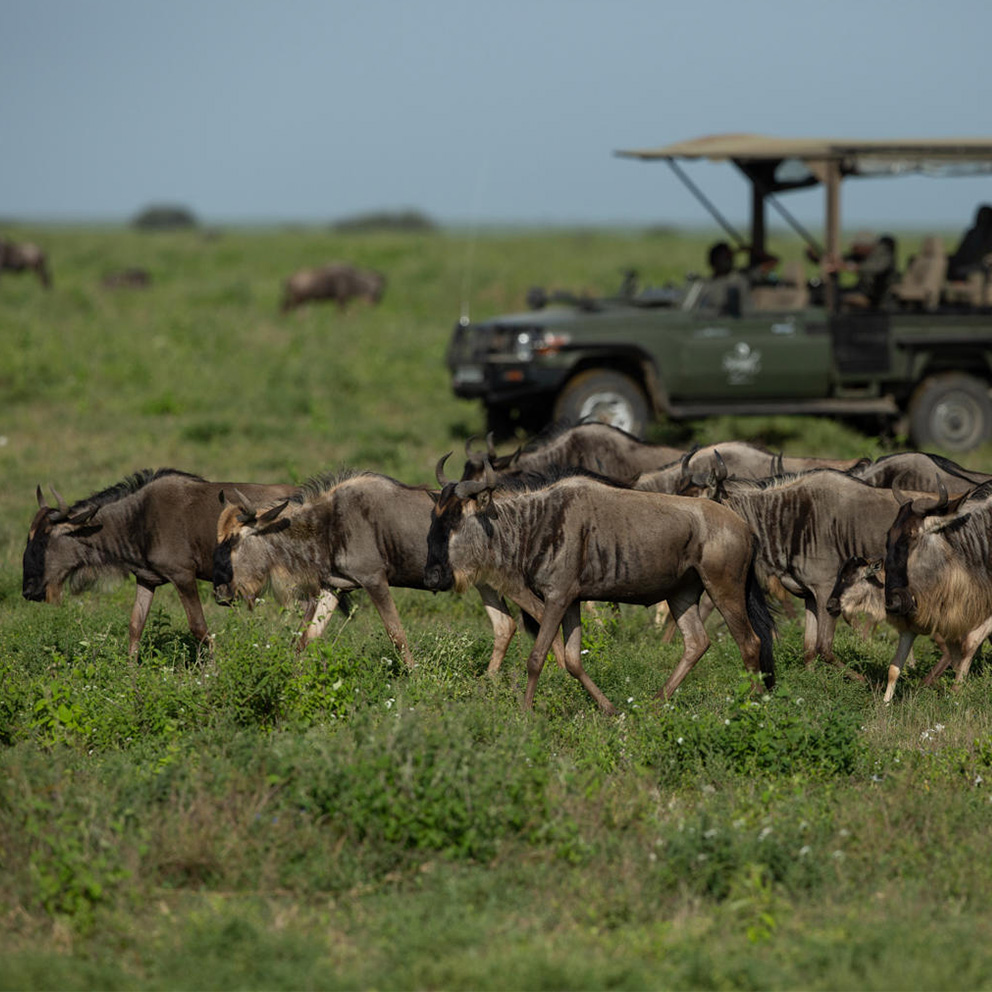
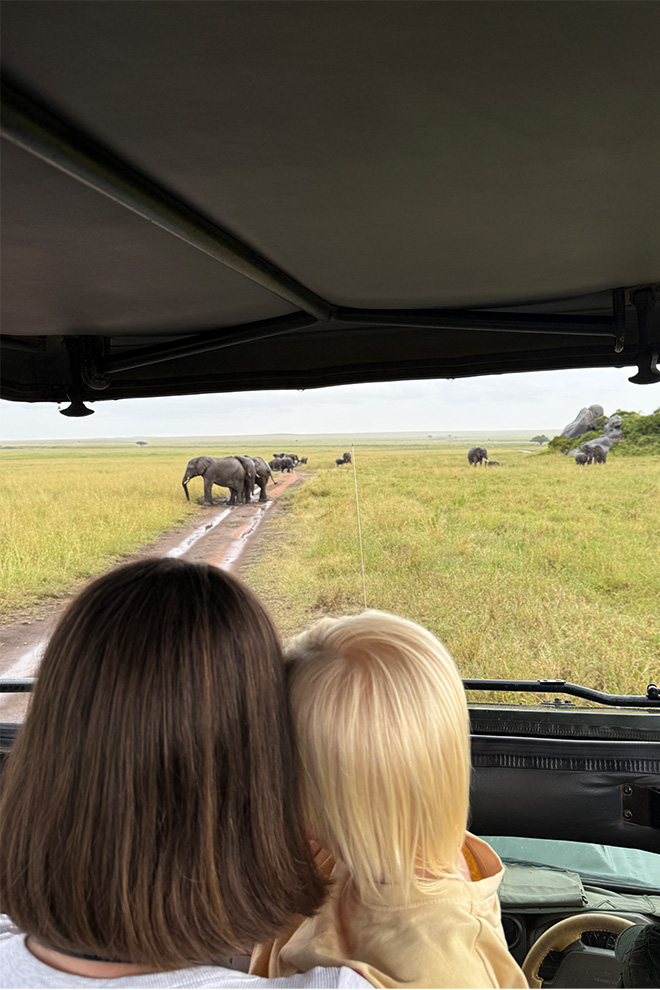
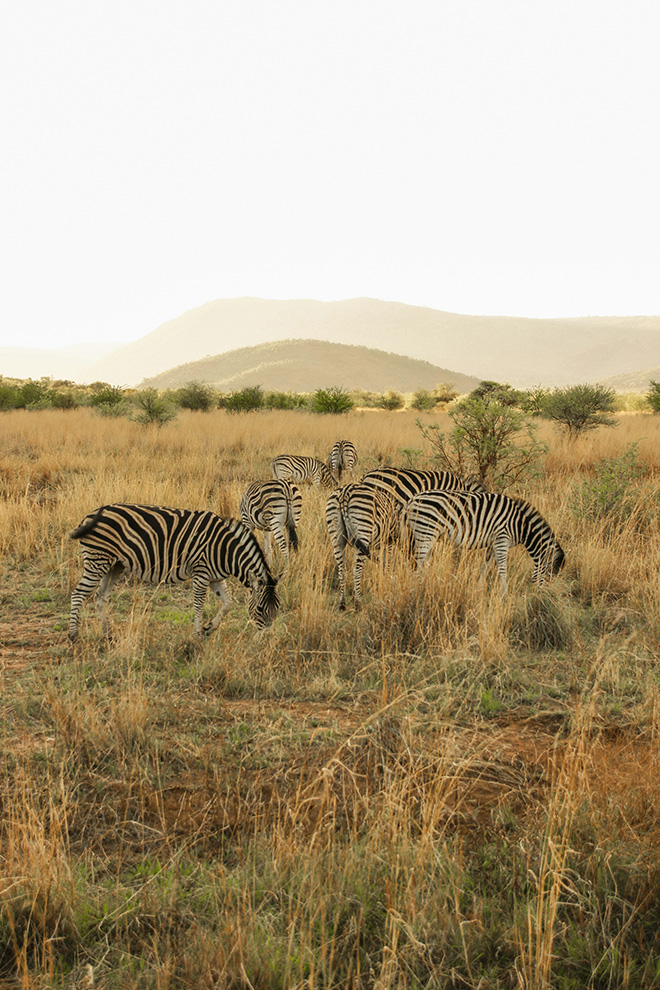
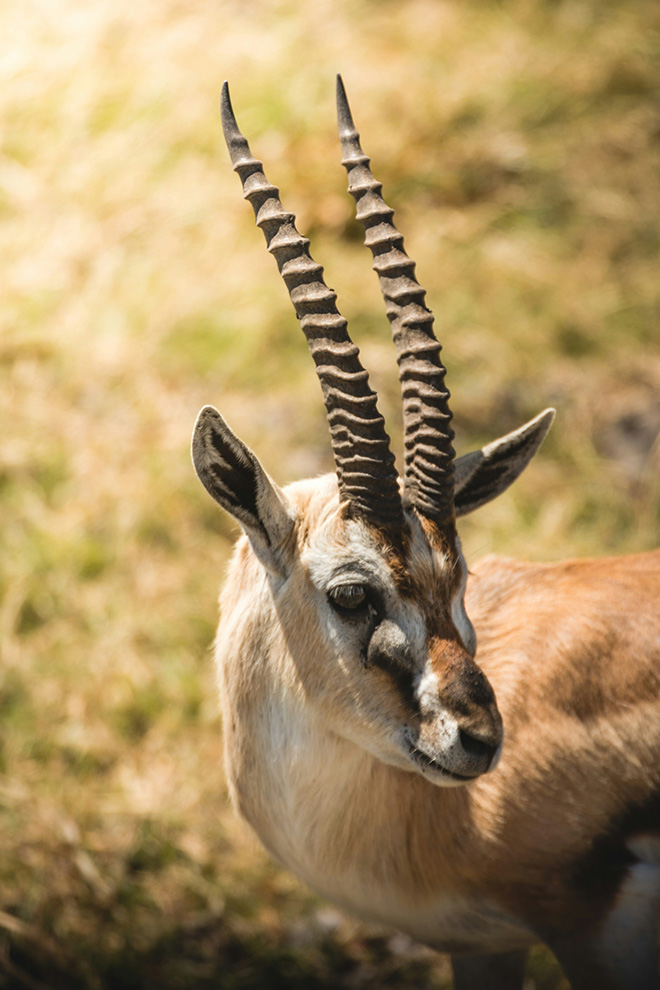
That legacy lingers to this day, etched into the rhythm of the land and brought to life each year when beneath the weight of the wild. For centuries, enormous herds of wildebeests, zebras and antelopes — Thompson’s gazelles and Topi — have surged across Tanzania’s greater Serengeti ecosystem and into Kenya’s Maasai Mara in pursuit of rain and fresh pasture. A journey drawn by an instinct older than memory. It’s unpredictable and it’s theatrical, and the earth thunders under the hooves of over 1.5 million wildebeest who feed on long, fertile grasses. In their wake, 300,000 zebras trailed by antelopes who graze on short grasses left behind. In total, the herds of the Great Migration travel over 800 kilometres, in a natural phenomenon that has long captivated naturalists and safari-goers.
The Circle of Life
The web of life extends far beyond just the migrating beasts and the cats that stalk in silence. On the peripheries, elephants browse and replenish, and dung beetles gather. Bright white egrets hover above the chaos, and crocodiles lie in wait; hyenas scavenge at dusk, and vultures circle high above. The wild here is in perpetual motion, a rhythmic dance between survival and death. From slow-moving savannah scenes to harrowing river crossings, the Great Migration is as profound as it is unpredictable. And within this untamed wilderness, you’ll witness life-affirming moments that collide with the full ferocity of Africa. It’s fleeting, fierce and wildly unforgettable.
January – March
The circle of life begins near the lush Ngorongoro Crater during the short rains. From January until March, the nutrient-rich grasses become a nursery for thousands of wildebeest born within weeks of each other. Soon, the great herds will embark on their long journey northwest, drawn to fresh pastures.

April – May
The animals, with their calves in tow, begin migrating in a clockwise motion, splintering into smaller herds as they move through the central Serengeti to the western corridor. At this time of the year, guests at Siringit Serengeti Camp can look forward to sightings of ambling herds, interspersed with heart-pounding encounters as predators shadow their every move.
June – July
By early June, the western corridor swells with wildebeest and zebra as they prepare to move north. Siringit Migration Camp reopens for the season, welcoming intrepid travellers eager to witness the first dramatic river crossings. Depending on the rains, some herds may begin braving the crocodile-laden waters of the Grumeti.
July – October
Herds gather in staggering numbers, painting the distant horizons in swaths like paint. Over the next few months, big herds begin to cross the Mara River to the Maasai Mara in dramatic scenes across ten major crossing points along the river. Remarkably, some wildebeest cross back into Tanzania multiple times in search of the freshest grasslands, tempting fate with perilous dashes.
November – December
As the rains return, the great herds begin to fragment once more, slowly drifting south through the eastern Serengeti. Their journey ends where it started — on the short-grass plains near the Ngorongoro Crater.
Where to Stay
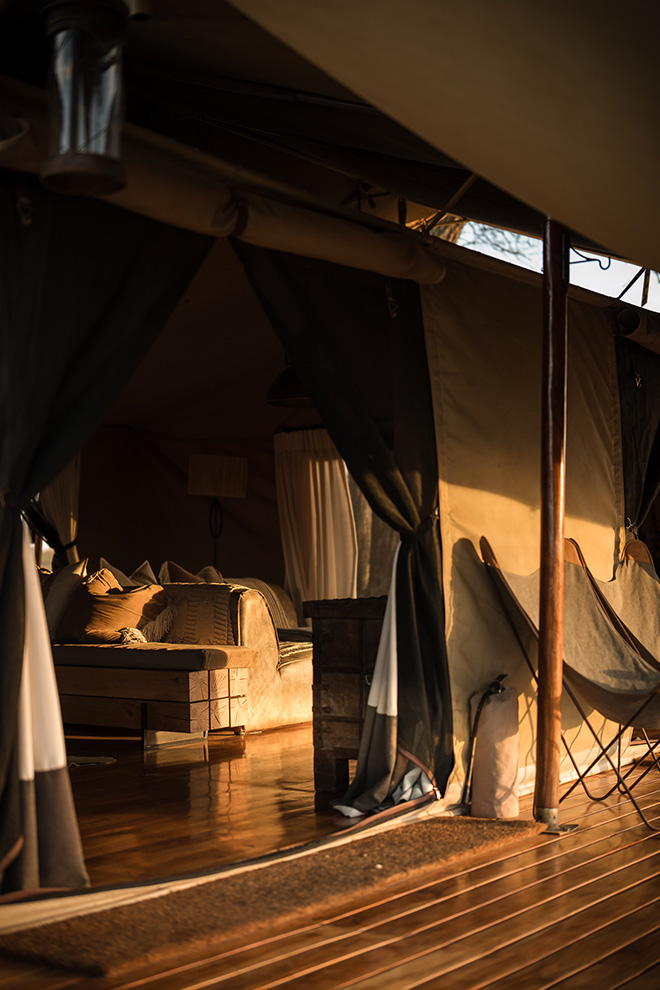
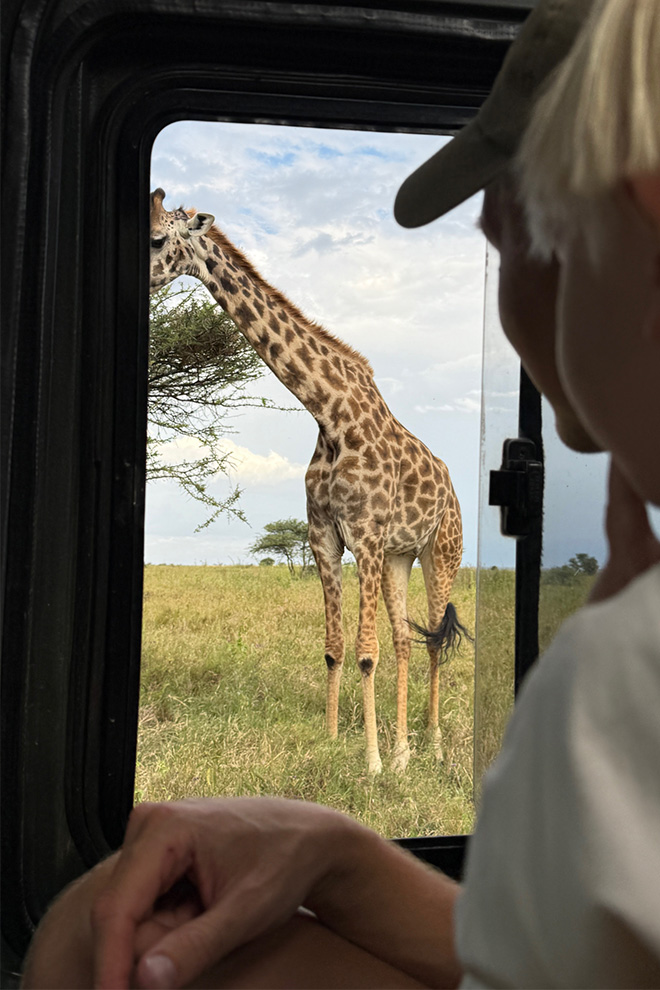
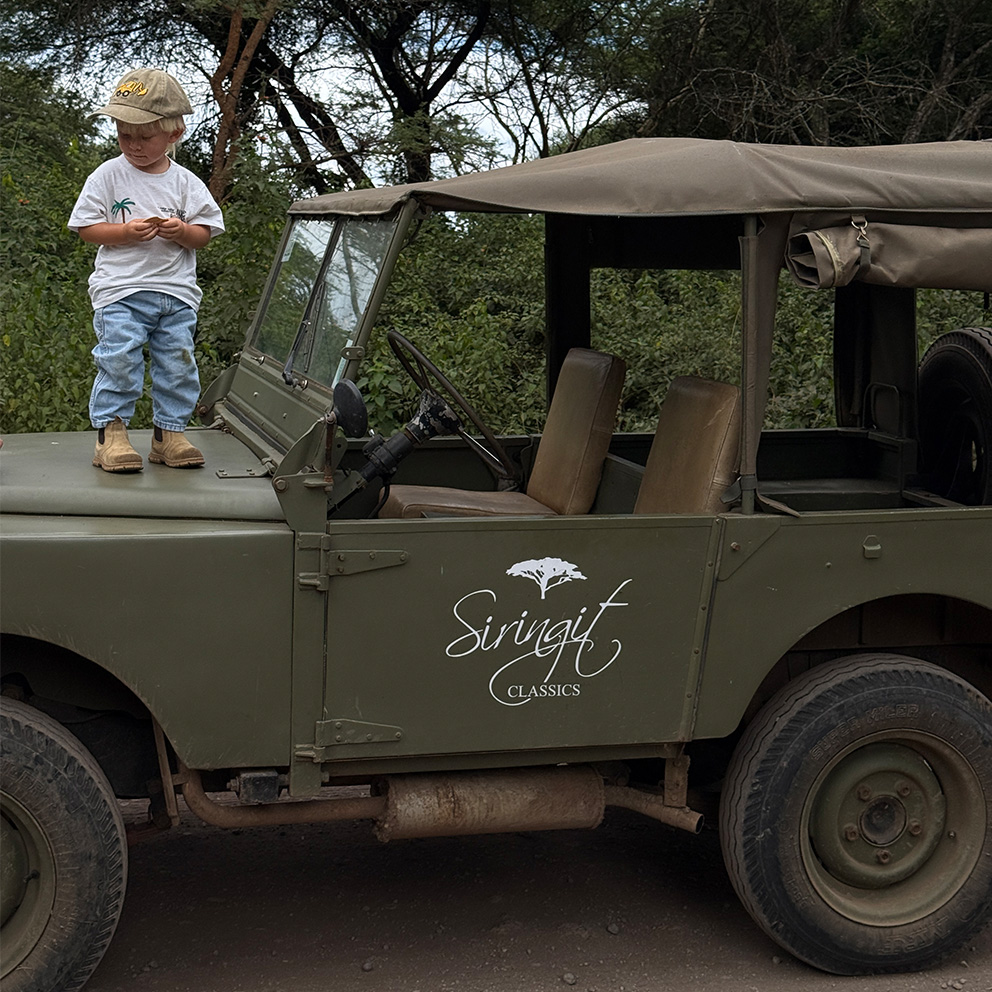
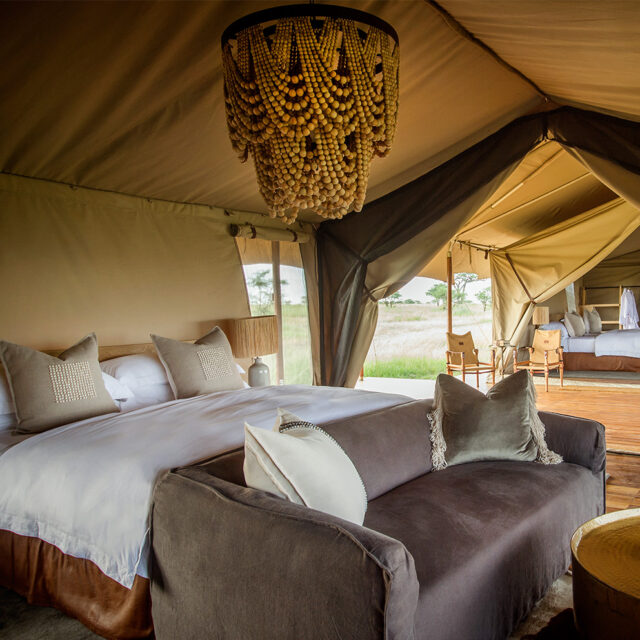
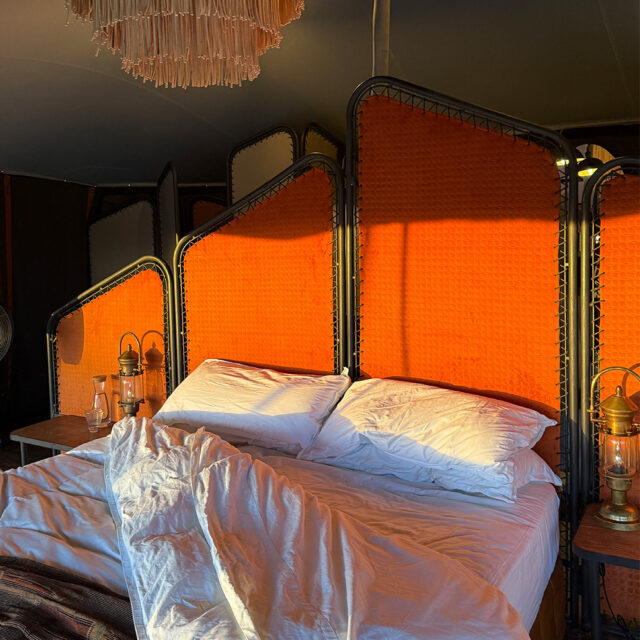
Begin at Siringit Serengeti Camp to settle into a safari rhythm. Here, classic canvas tents are set against the golden plains of the Serengeti, offering far-reaching views. At daybreak, search the vast savannah for the herds as they move towards the central and western corridors. Spend slow days at camp while the wild moves around you. At night, the call of passing predators will reverberate in your chest.
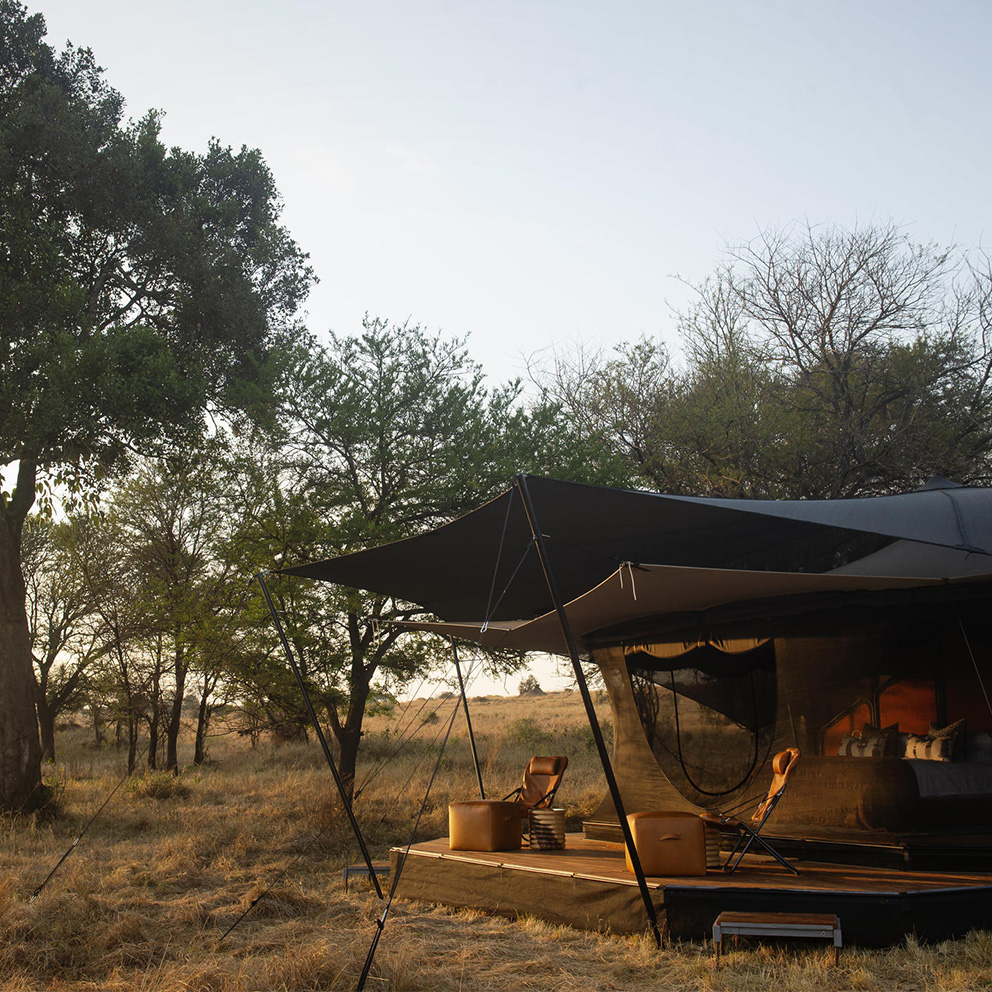
Next, journey to Siringit Migration Camp, where only a handful of tents are immersed in the Serengeti’s northern valleys. From here, explore the forests and kopjes of the north and anticipate the arrival of the great herds. From late July, the Mara River beckons, where a fortunate few will glimpse the beginning of a series of formidable river crossings. The most profound experiences are those that allow you to coexist in harmony with the wild; let the animals follow their natural course, observe from a safe distance, and watch as the Great Migration unfolds before you.
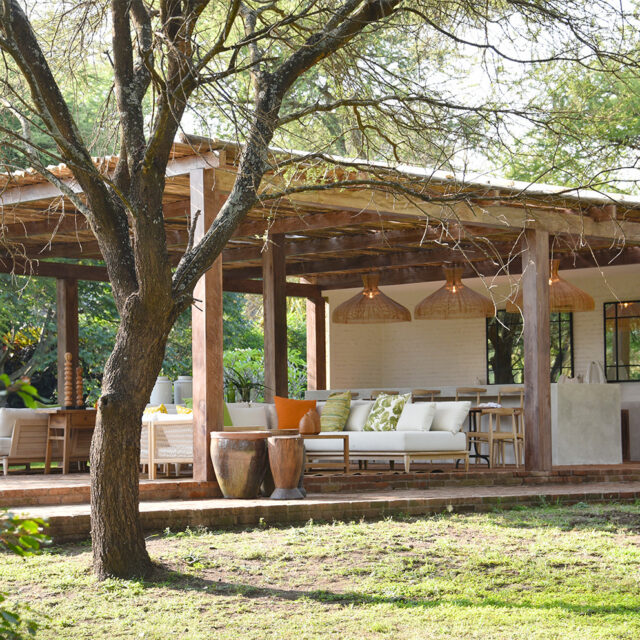
Bookend your journey in the Serengeti at the Siringit Villa, a serene hamlet in Arusha. Here, a lush garden surrounds a handful of comfortable guest suites and a sparkling pool, ideal for recouping and lounging after a stint in the bush. Onsite, book a treatment at the day spa for post-wild wellness and enjoy slow meals in the garden at Bistro No.5, which serves up wholesome fare featuring produce grown onsite and sourced locally with a Tanzanian twist.
SAFARI WITH SIRINGIT
Previous
Beyond the spa: these wellbeing hotels are changing how we rest
Next
The Cotswolds, unleashed: a dog-friendly escape to The Fish Hotel
Latest stories
One island, three ways: how to experience Crete according to your travel style
I packed Victoria Hislop’s The Island for a trip to Crete without giving it much thought. It wasn’t until my second morning at Phaea Blue, gazing across the bay, that I learned the novel had been inspired by Spinalonga, the tiny island sitting directly opposite the hotel. Later that afternoon,
Where to stay: our pick of new hotels that bring their destinations to life
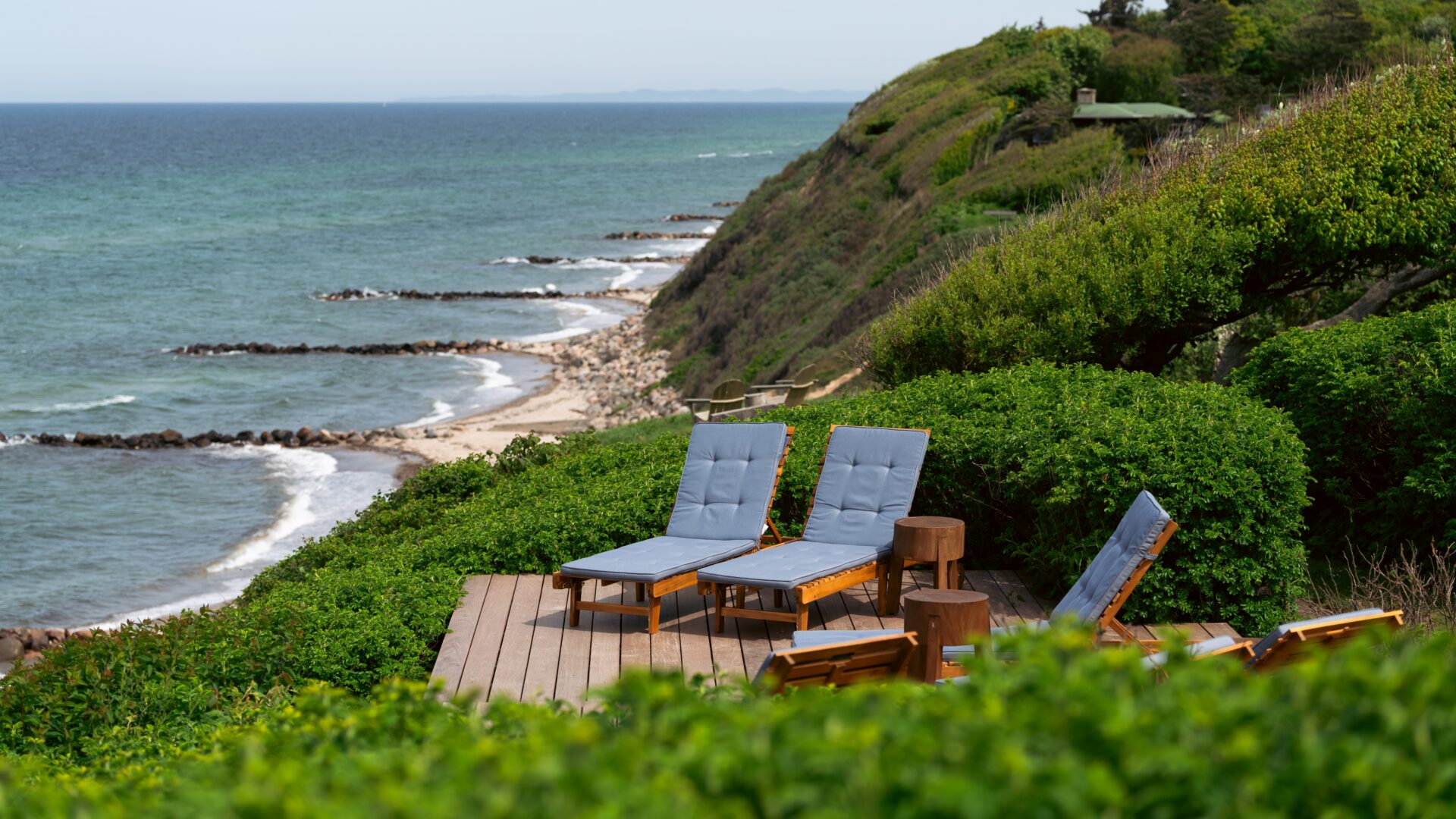
From a Japanese island retreat to a Danish coastal hideaway, we look at seven new member hotels that take their cues from the landscapes around them. Each brings its own perspective on design, wellbeing and a sense of place, whether deep in the mountains or by the Mediterranean. Helenekilde Badehotel,
Celebrating five years of the Considerate Collection
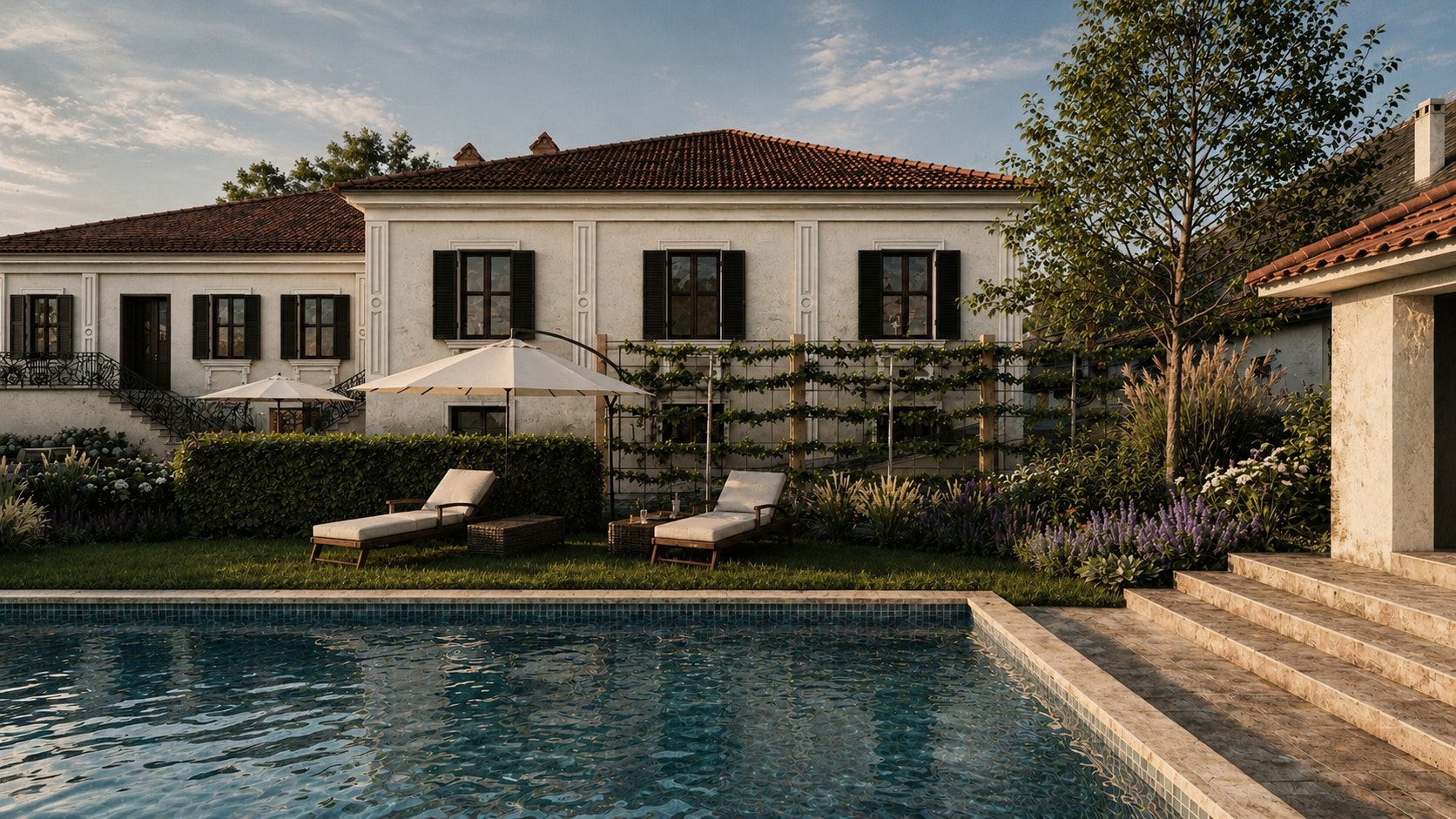
What does it mean to travel considerately? It might be a centuries-old farmhouse given a second lease of life in Transylvania; a Venetian landmark carefully restored with a heating and cooling system that uses lagoon water; or an island kitchen serving a plant-based feast made with seaweed gathered just offshore.

Making tracks: a train journey taking in six European cultural capitals
It’s official – inter-railing is back, as travellers increasingly swap flights for the speed and ease of Europe’s rail network. Think zippy connections, city-centre arrivals, and stress-free border crossings: train travel is one of the fastest and most convenient ways to explore the continent. Get ready for a whirlwind journey