
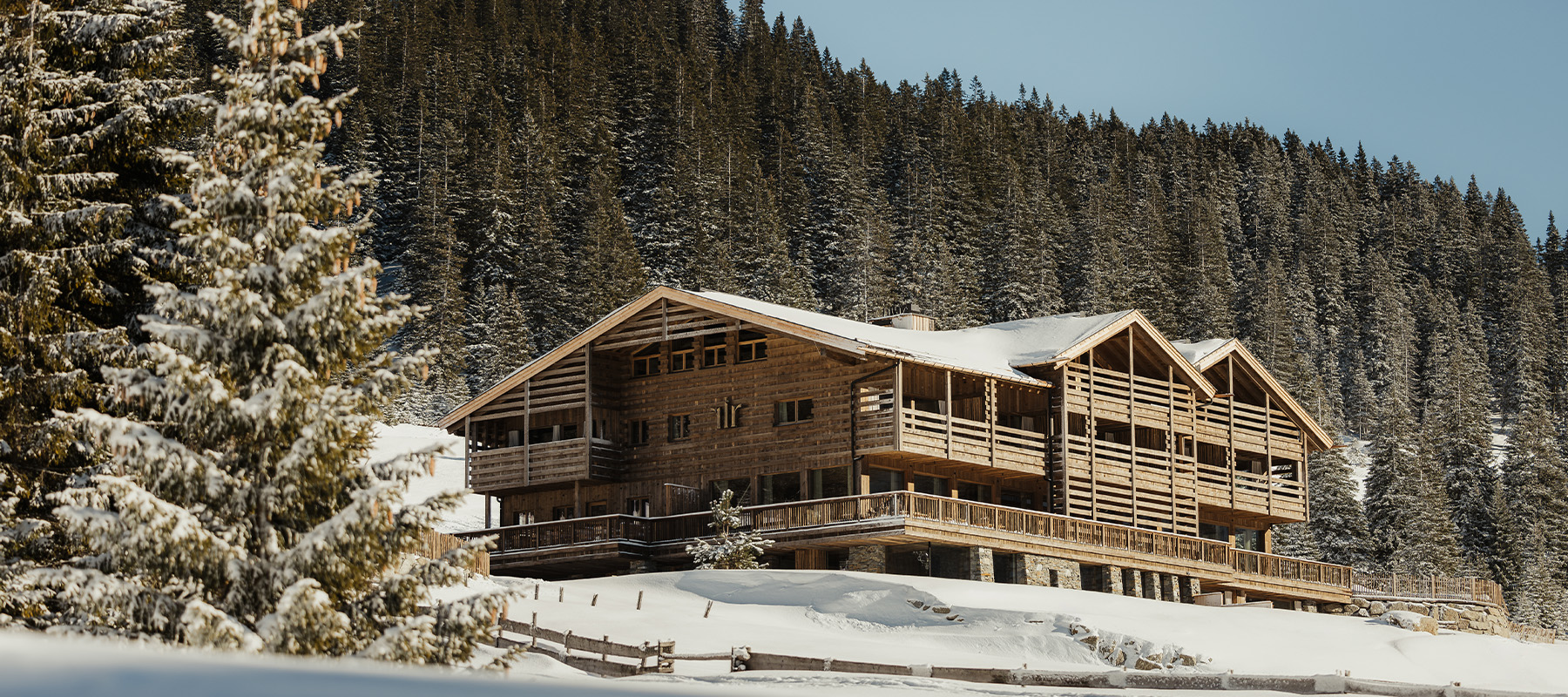
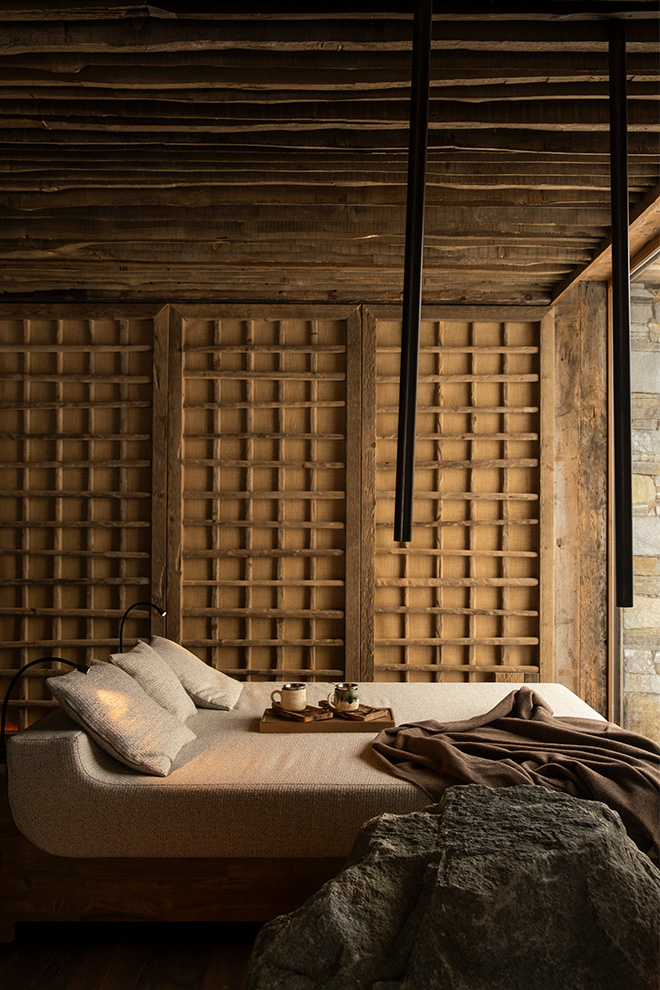
On the slopes of the remote Ehrwalder Alm, some 1,550 metres into the clouds, eriro has just nine rooms for those seeking a quiet refuge from the noise and pace of city life. Encouraging guests to do less rather than more, the hotel offers an opportunity to reconnect with themselves and the surrounding landscape. This less-is-more philosophy shapes every aspect of the experience, from the design and wellbeing concept to the food, where local ingredients take centre stage. From massage oils and healing herbs to the produce on the plate, a strong sense of place runs throughout.
Take us through the beginnings of the hotel.
Things didn’t begin with a clear idea or a defined concept – it was more a quiet feeling that stayed with us over time. We all sensed that everyday life had become louder, faster, and somehow heavier. With that came a simple question that kept returning in our conversations: what if there was a place that could gently take something off your shoulders the moment you arrive?
From here, everything unfolded slowly, across many conversations, and often without a plan. But the direction was always the same: we spoke about creating a place that allows you to step out of the daily rhythm — out of the “hamster wheel,” as we would call it. A place that doesn’t ask anything from you. A place that doesn’t expect you to do more, see more, experience more. Instead, a place that quietly gives you permission to do less. To slow down. To breathe.
Set the scene.
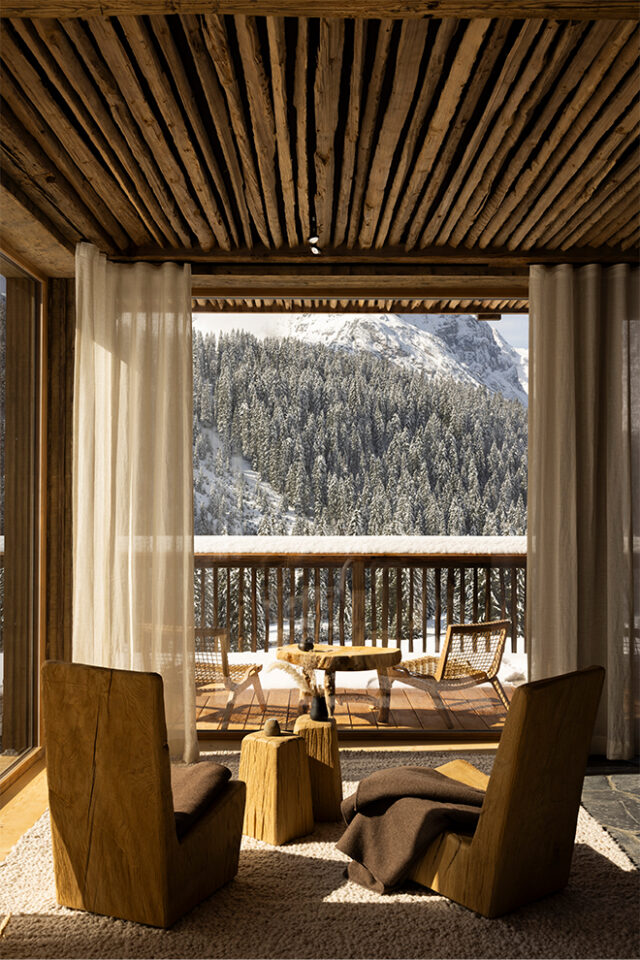
We are set high above the valley, on the Ehrwalder Alm at 1,550 meters — far removed from the noise and pace of the cities. Up here, the landscape opens in a very particular way. Vast alpine meadows stretch out, changing with the seasons and rich with wildflowers in summer. Surrounded by imposing mountains, the horizon feels both close and infinite at the same time. There are clear lakes, quiet waterfalls, and forests that seem to go on without end.
Life on the Alm follows its own rhythm. Zottel cattle and horses move freely across the land, sometimes appearing in the distance, quietly present — even during breakfast, as if they are part of the morning ritual. There is also a deep sense of respect tied to this place. The Ehrwalder Alm holds a special meaning for the local community; it is, in many ways, sacred ground. Because of this, everything here has been approached with great care. The architecture is deliberately restrained – almost humble – designed not to dominate but to belong.
It is less about placing something new into the landscape, and more about becoming part of what has always been here.
What makes a good hotel to you?
For us, a good hotel is defined by what it doesn’t try too hard to be. It’s about a kind of service that is present, but never intrusive. The feeling that everything is taken care of — without it ever being pointed out. Small, thoughtful gestures that appear almost quietly, yet stay with you.
It’s also about coherence. A place where everything feels connected — from the architecture to the atmosphere, from the materials to the way people interact. Nothing feels random, nothing feels forced. And above all, it’s about a genuine sense of warmth. Not staged, not overly polished, but honest. The kind of hospitality that comes naturally, that doesn’t need to prove itself. In the end, it’s less about what is offered, and more about how it makes you feel.
In every corner there’s something to discover, something handmade, something that carries a bit of a story. Today, everything tends to be very perfect, very polished. We didn’t want that, so we left things to be a little uneven.
What kind of feeling did you want to create?
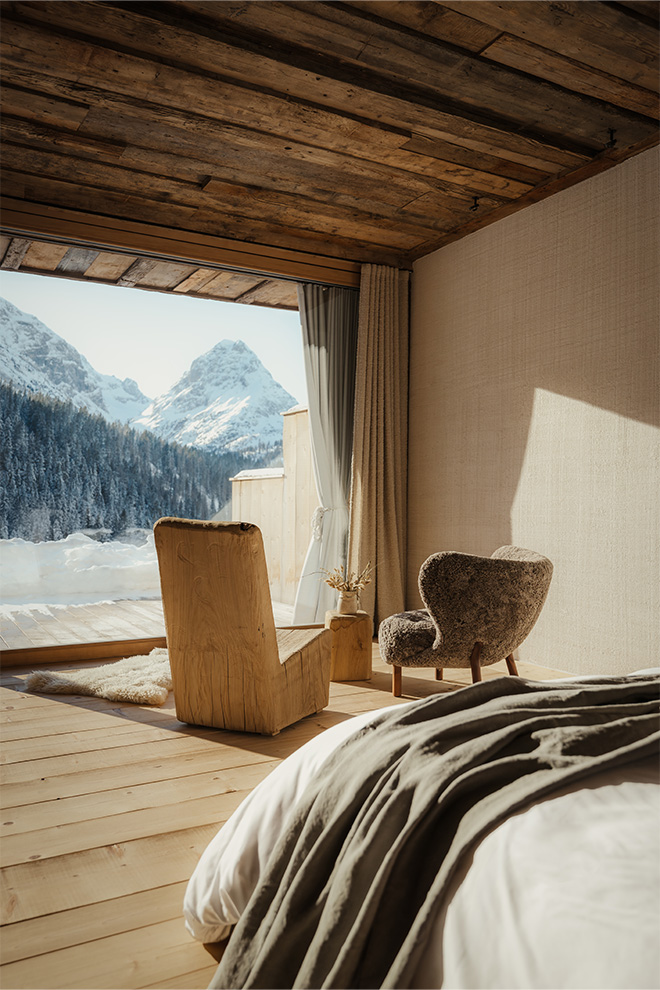
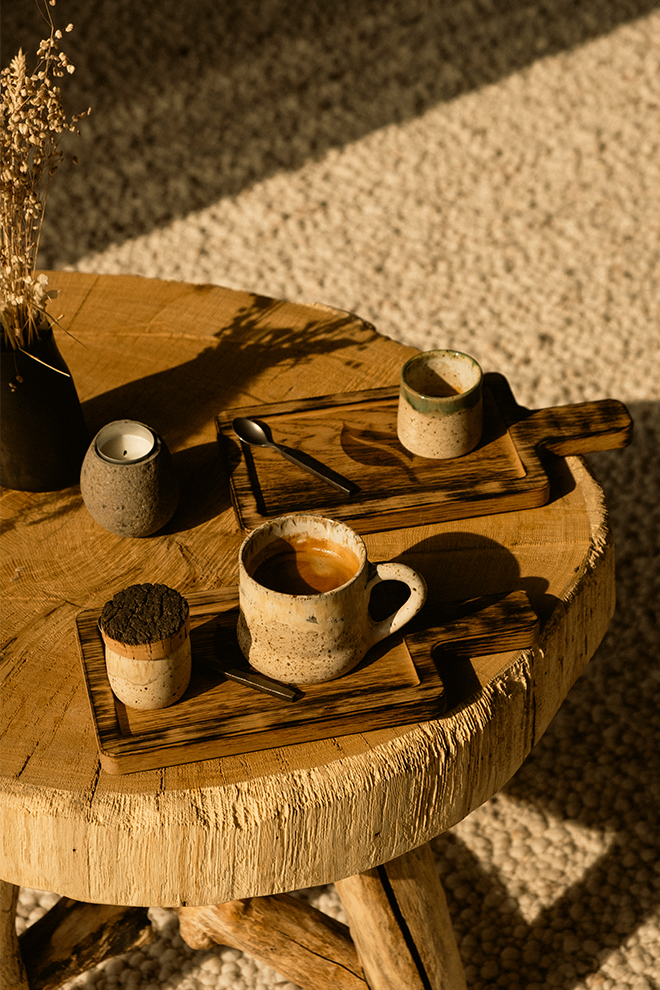
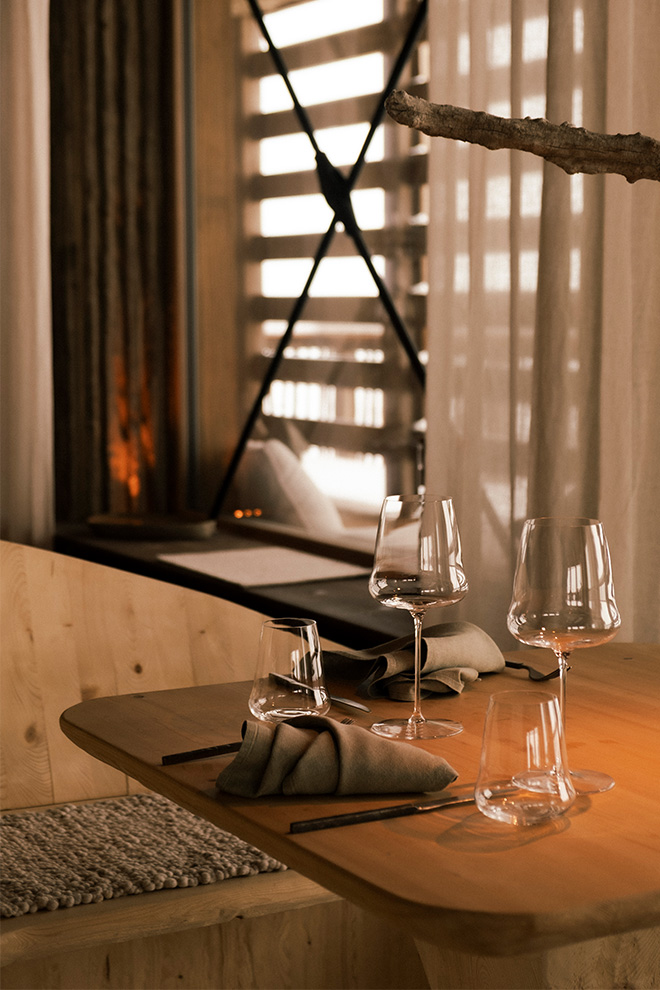
We think people don’t first see a space — they feel it. Here, it often starts with the mountains. The scale, the quiet, the sense of space; it grounds you. Inside, it becomes more intimate. You move differently, a bit slower — sometimes just in socks, feeling the materials, the textures. And then there are all these small details that don’t reveal themselves all at once. In every corner there’s something to discover, something handmade, something that carries a bit of a story. Today, everything tends to be very perfect, very polished. We didn’t want that, so we left things to be a little uneven. You can see the work and the effort behind them.
Food is a big part of the experience — talk us through your approach.
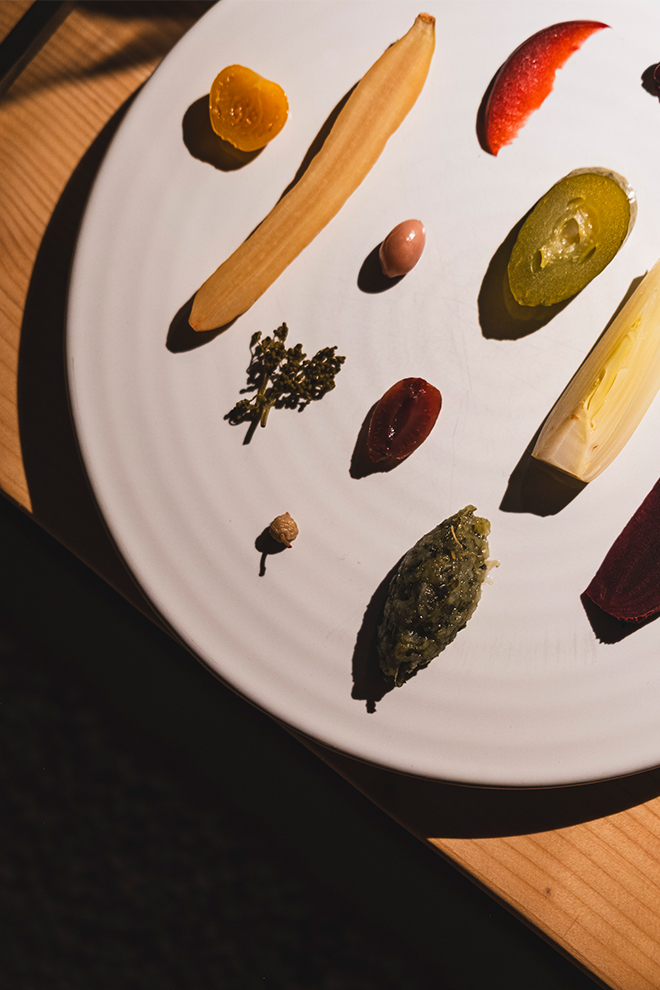
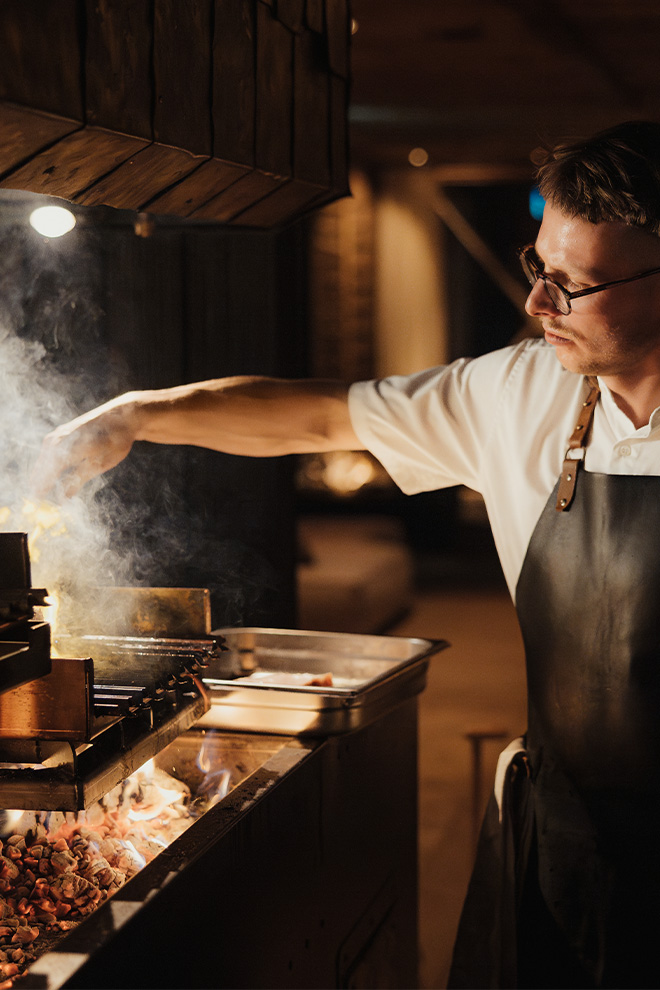
We follow a few quite simple rules but honour them strictly. It starts with choosing local quality over variety or exotic ingredients. We source our produce locally, either by foraging what the mountain has to offer, which is quite seasonally restricted, or what local farmers, producers and hunters can supply. Secondly, this produce is prepared in an original way: our chefs use traditional methods of preservation, fermentation or fire-cooking. It’s the way that grandmothers would have cooked or prepared a meal – just elevated. Ultimately it’s about connecting to emotions again. Sometimes the simplest dishes get the most outstanding feedback. A freshly baked bread, hand-whipped butter and some mountain herbs.
How do you think about sustainability?
Sustainability today is often a word that gets used very easily. Everyone wants to be sustainable. For us, it had to become something more concrete. Less about saying it, more about how things are actually done. It starts quite simply with where things come from. Almost everything we use comes from within a radius of around 50 kilometers. Food follows the seasons. In winter, we cook with what was preserved in summer. It’s a slower rhythm, but it feels right.
The same goes for how the place was built. We worked almost entirely with local companies and materials. We know where things come from — in some cases, very personally. We know the sheep that gave the wool for our carpets and walls. The wood comes from our own forests. Even the heating is based on wood chips from the same land.
It’s not a perfect system, and it’s not meant to be presented as one. But it’s honest, and it’s close. And maybe that’s what sustainability should feel like again — something tangible, something you can actually trace back.
How do you see eriro evolving?
We don’t see eriro growing in a traditional way. It’s not about becoming bigger or adding more. If anything, it’s about becoming more precise and refining what is already there. Letting things settle, and understanding more deeply what feels right — and what doesn’t.
Over time, we hope the place gains more character. That it carries more stories, more traces of the people who have been here. Maybe things age, change slightly, become softer, more natural.
eriro
Book now
Share this article
Latest stories
Making tracks: a train journey taking in six European cultural capitals
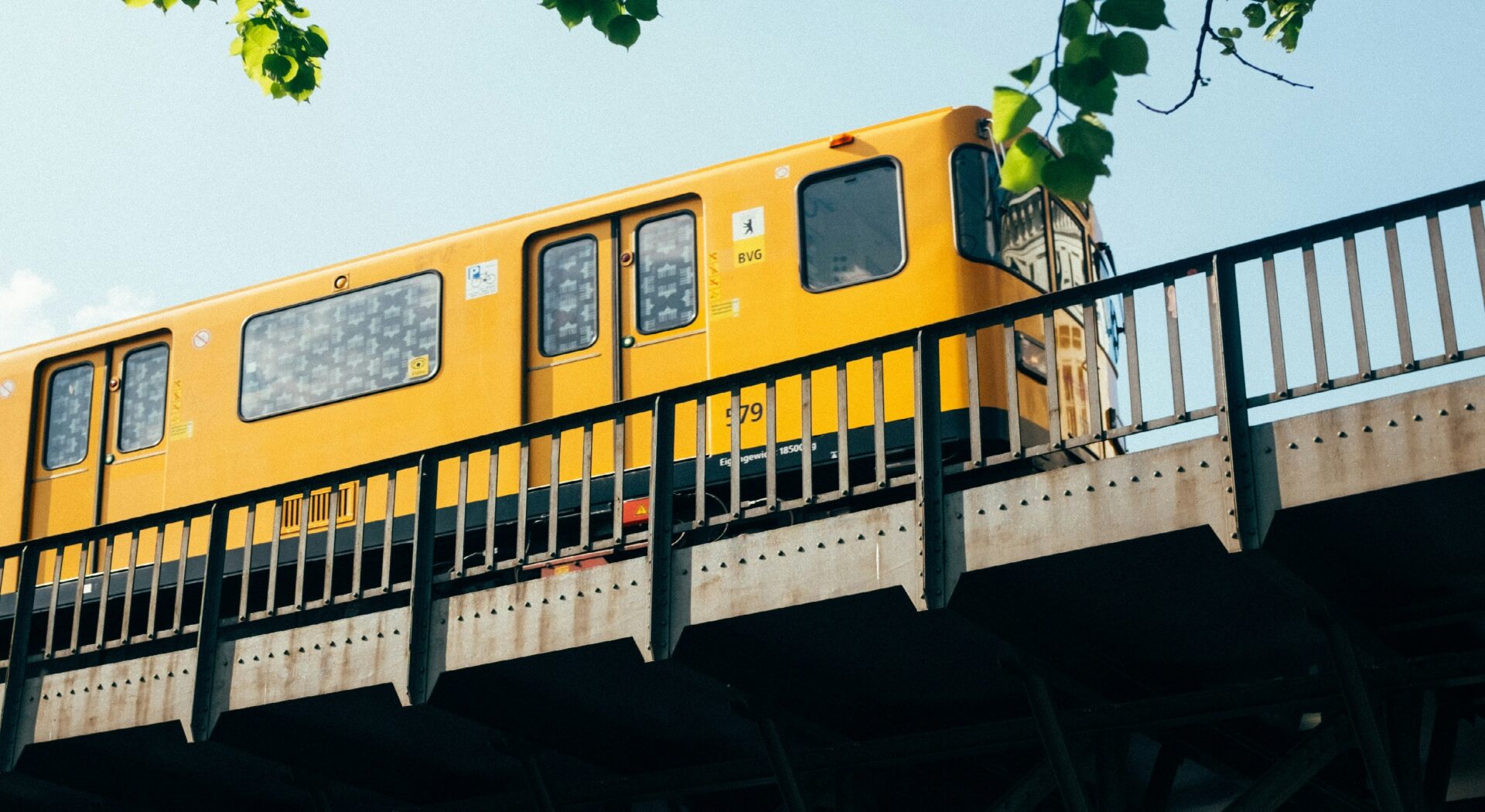
It’s official – inter-railing is back, as travellers increasingly swap flights for the speed and ease of Europe’s rail network. Think zippy connections, city-centre arrivals, and stress-free border crossings: train travel is one of the fastest, most convenient, and still sustainable ways to explore the continent. Get ready for a
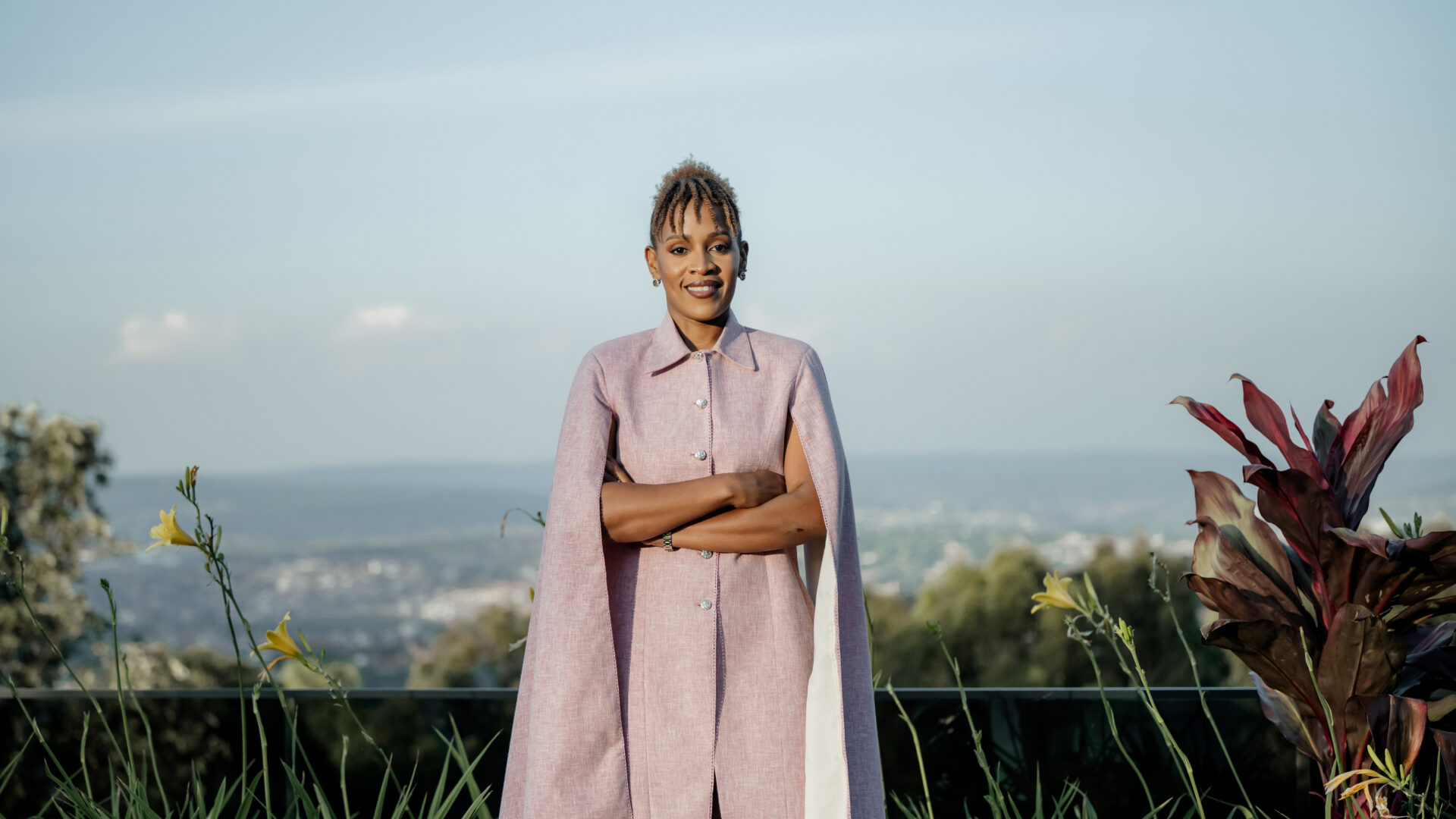
Independent Minds: Sheila Kyarisiima, The Pinnacle Kigali
High above Kigali on Rebero Hill, The Pinnacle offers sweeping views across the city, bringing contemporary luxury together with a strong sense of place. What began as a private family retreat has evolved into a destination that celebrates Rwanda’s culture, creativity and community. Here its founder, Sheila Kyarisiima, shares the
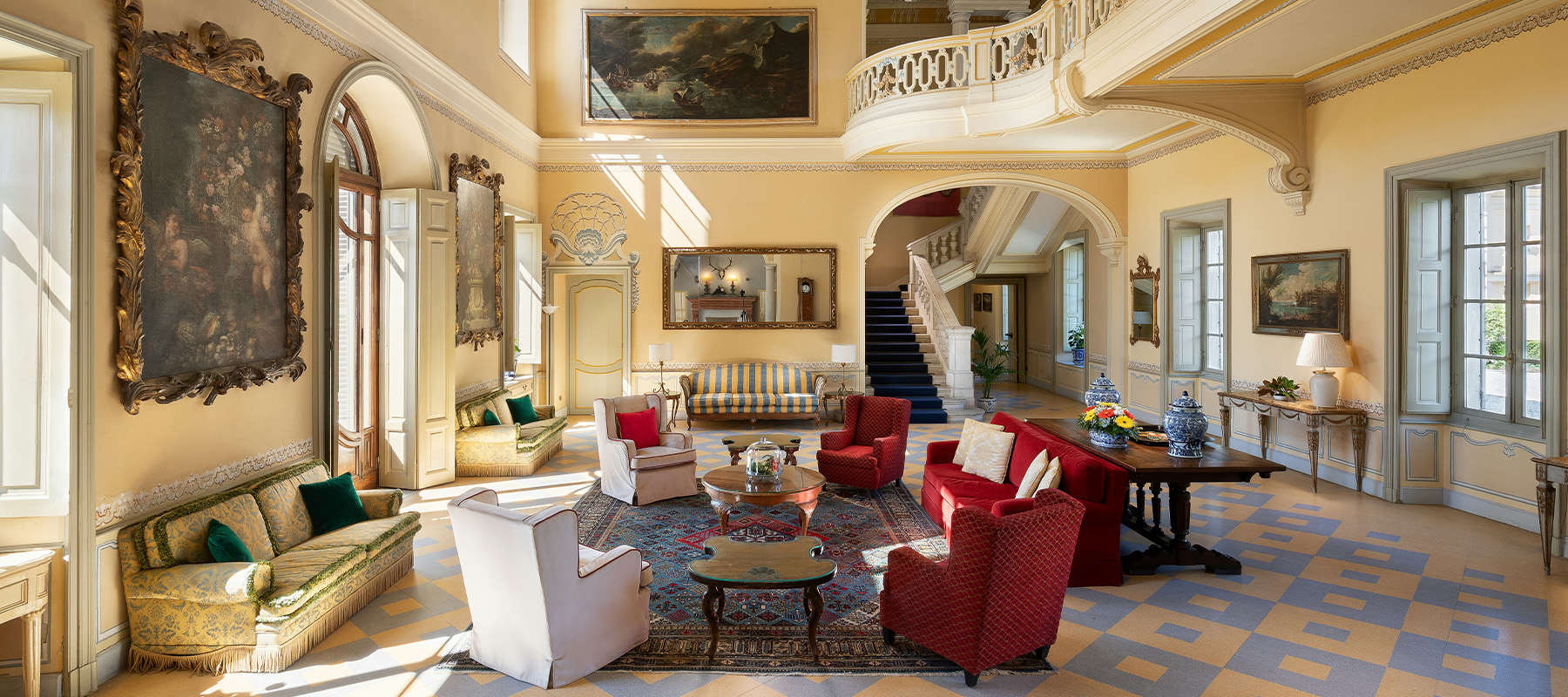
A postcard from: Piedmont with Sina Villa Matilde
Piedmont may be one of Italy’s less-travelled regions, and that is precisely part of its appeal. Sitting at the foot of the Alps, the landscape is a mix of rolling hills, family-run wineries and elegant country estates, with excellent food and wine at its heart – some might even say
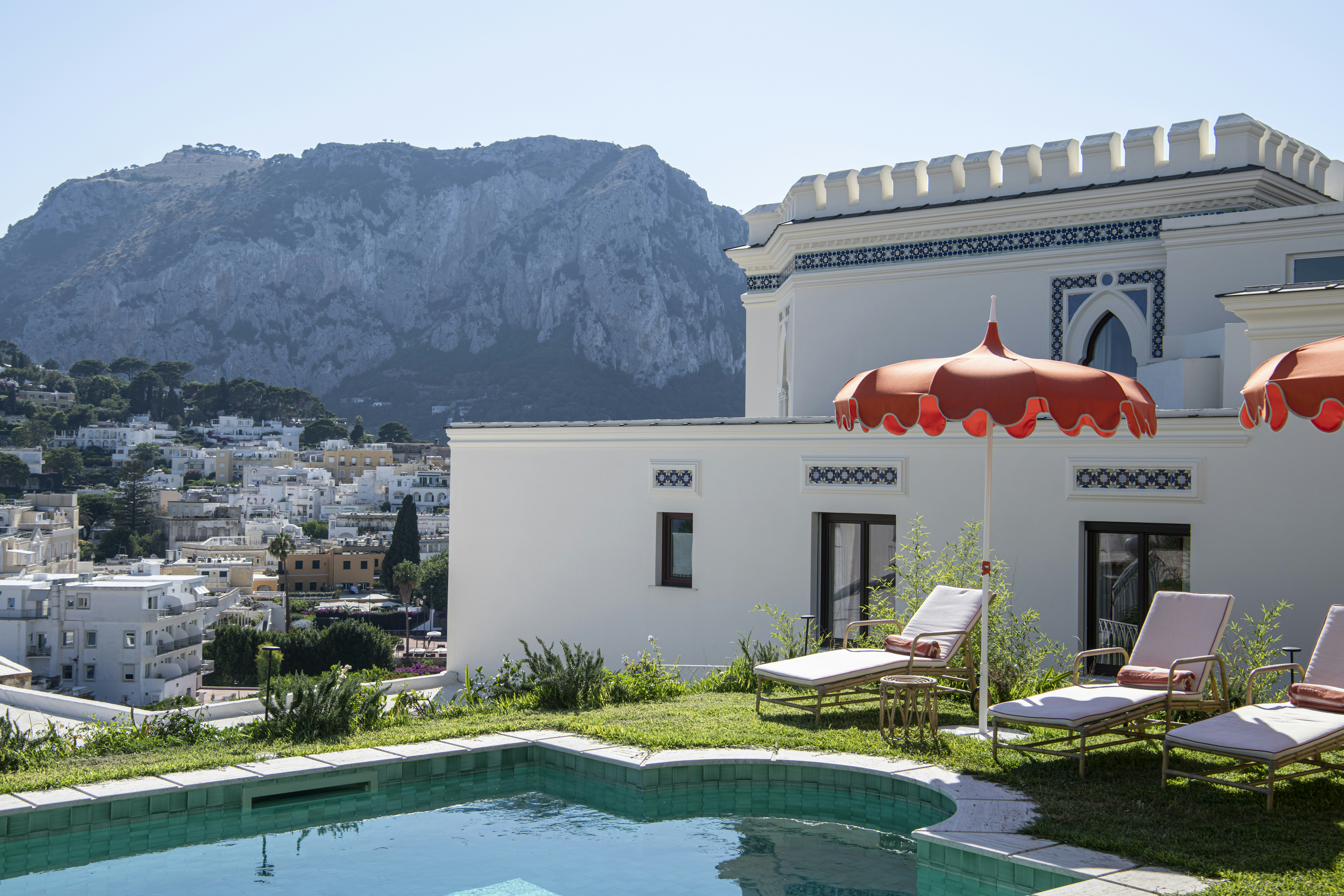
Our edit of hotels to book in October
From a colourful restored villa in glamorous Capri to a private island with overwater villas in Indonesia, October brings a new crop of hotels worth knowing about. These are the openings catching our eye this month – some are historic properties given a new chapter, while others bring contemporary flair