

In a city as photogenic and storied as Lisbon, it’s easy to get swept up in the tiled façades of Alfama or the café culture of Chiado. But venture just a little west of the city’s hustle, and you’ll find Amoreiras — a neighbourhood defined by leafy calm, and a rich, overlooked past. Rooted in the legacy of Portugal’s silk trade and layered with architectural delights and hush-hush gardens, Amoreiras is where the Portuguese capital slows down and stretches out.
A silk-spun story…
Amoreiras owes its name — and early importance — to the mulberry trees (‘amoreiras’) planted here in the 18th century under the direction of the Marquis of Pombal. As part of Lisbon’s post-earthquake rebuilding, this area was designated as the heart of a newly founded Royal Silk Factory (Real Fábrica das Sedas), which aimed to reduce reliance on foreign textiles and build a self-sustaining silk industry rooted in local craftsmanship. These trees were essential to the entire silk ecosystem, as their leaves are the sole food source for the silkworm, whose cocoons are harvested and spun into silk.
The entire neighbourhood was shaped by this vision, from the careful cultivation of trees to the construction of elegant residences for factory workers and managers. Remnants of this heritage can still be seen in the neoclassical façades and in the narrow, cobbled alleys that recall the district’s artisanal past. Today, a stroll through Praça das Amoreiras or along Rua Silva Carvalho reveals not only architectural continuity but a mood that still feels tied to this heritage craft.

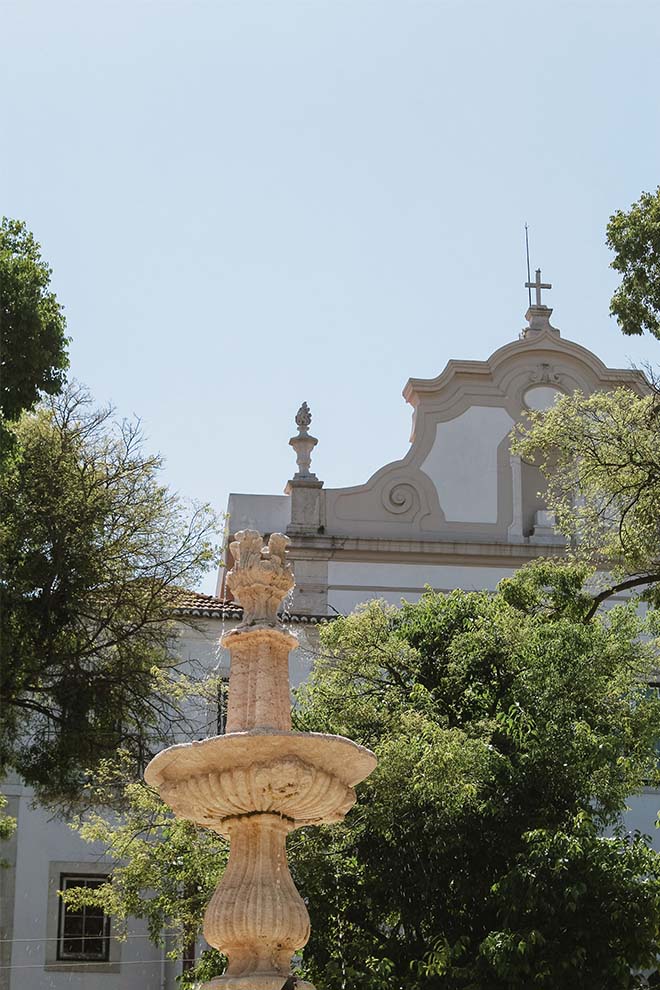

What to do in Amoreiras
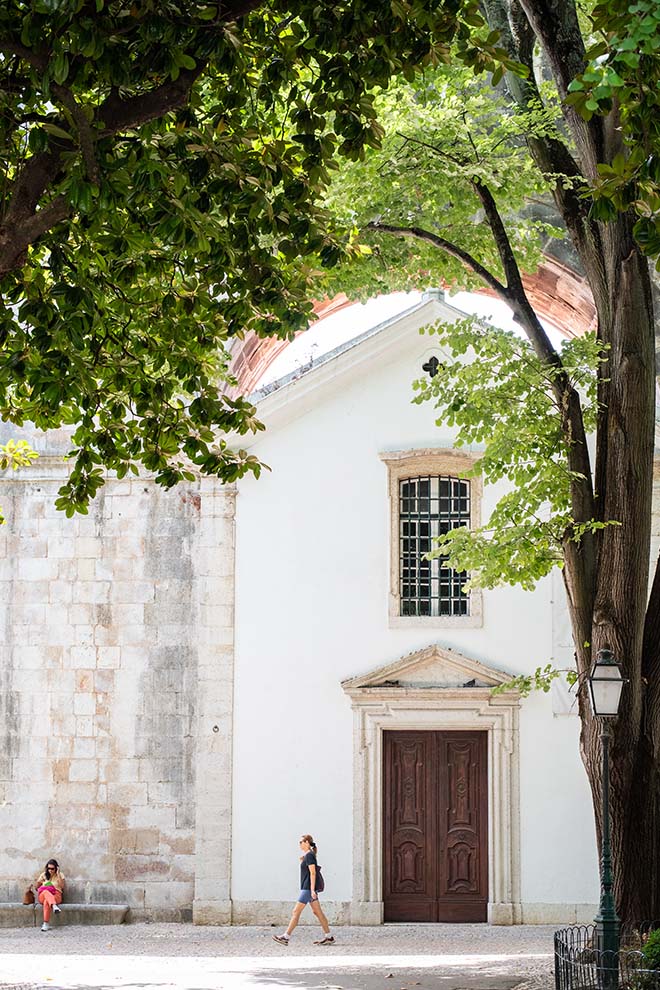
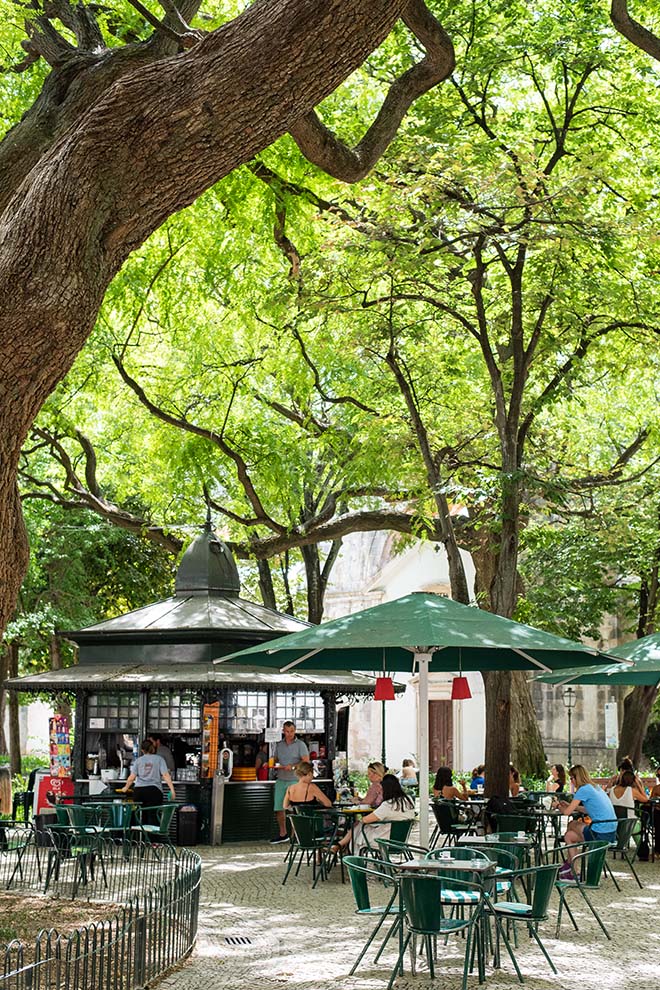
Start with the gardens. The Jardim das Amoreiras, enclosed and deeply local, offers rare quietude in the centre of Lisbon. Beneath the shade of ancient plane trees, you’ll see artists sketching, dogs dozing, and a rhythm that feels more village than capital.
Visit the Reservatório da Mãe d’Água, a vast 18th-century stone water cistern that now doubles as an atmospheric gallery and performance space. Climb its rooftop for a lesser known but spectacular view over Lisbon’s red roofs and distant hills.
Housed in a historic 18th-century silk factory, the Árpád Szenes–Vieira da Silva Foundation preserves the oeuvres of Hungarian-born artist, Árpád Szenes, and his wife, Lisbon-born painter Maria Helena Vieira da Silva. In his earlier years, Árpád Szenes experimented with cubism and surrealism, later exploring abstraction and luminous compositions inspired by Portugal’s light and landscapes, as well as turning his hand to portraits of his wife.
And where to shop?
The Amoreiras Shopping Centre, a postmodern curiosity from the 1980s, holds an unexpected mix of high-end and heritage brands. But the true finds lie in the area’s lesser-known ateliers and design stores tucked into repurposed townhouses.
It’s also worth making the 15-minute downhill walk to the trendy shopping area of Príncipe Real, where you can peruse Latitid swimwear, HLC jewellery, and more independents inside Embaixada, a fashion and design gallery set within the 19th-century, Arab-style Ribeiro da Cunha Palace.
Where to eat & drink
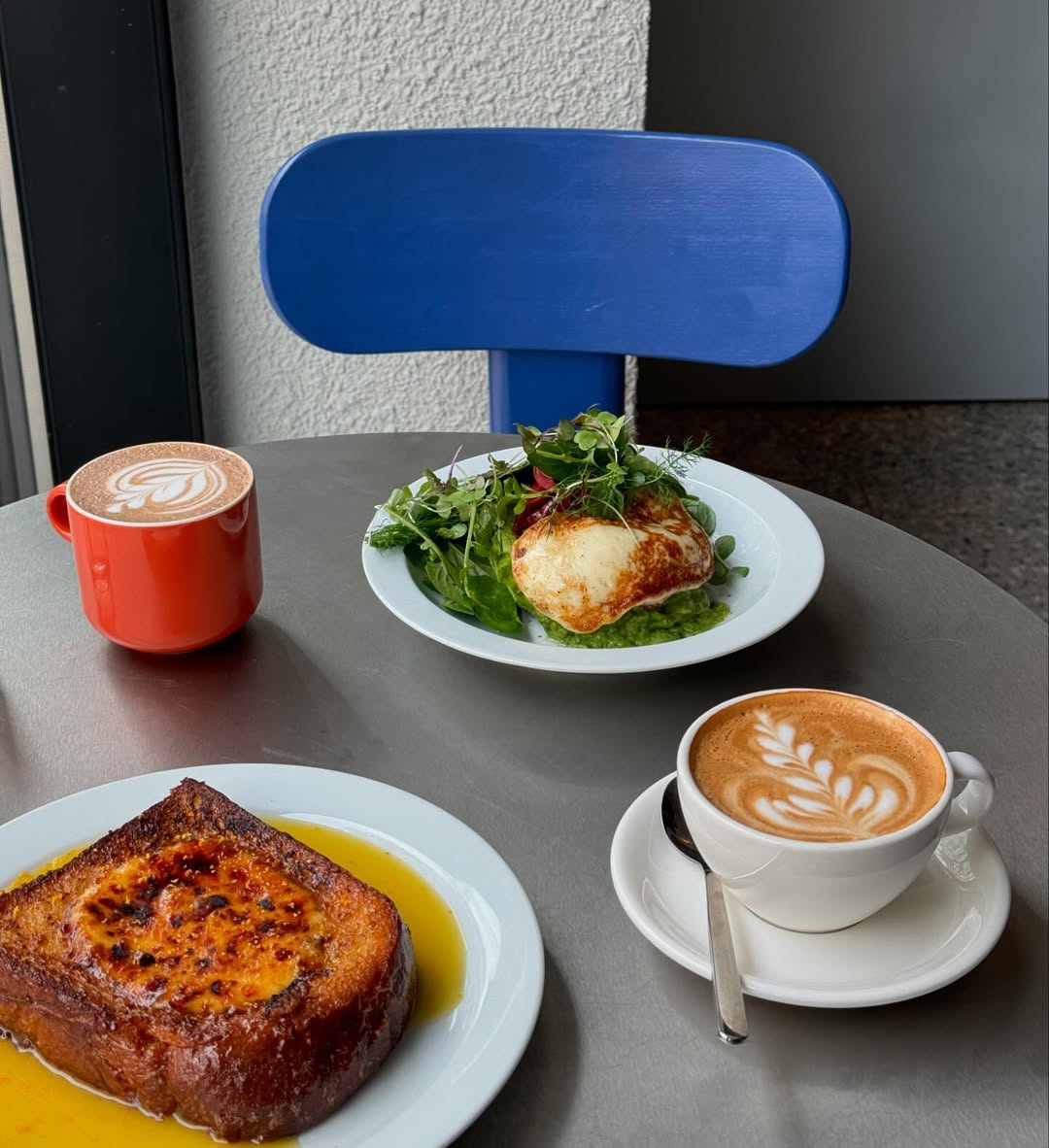
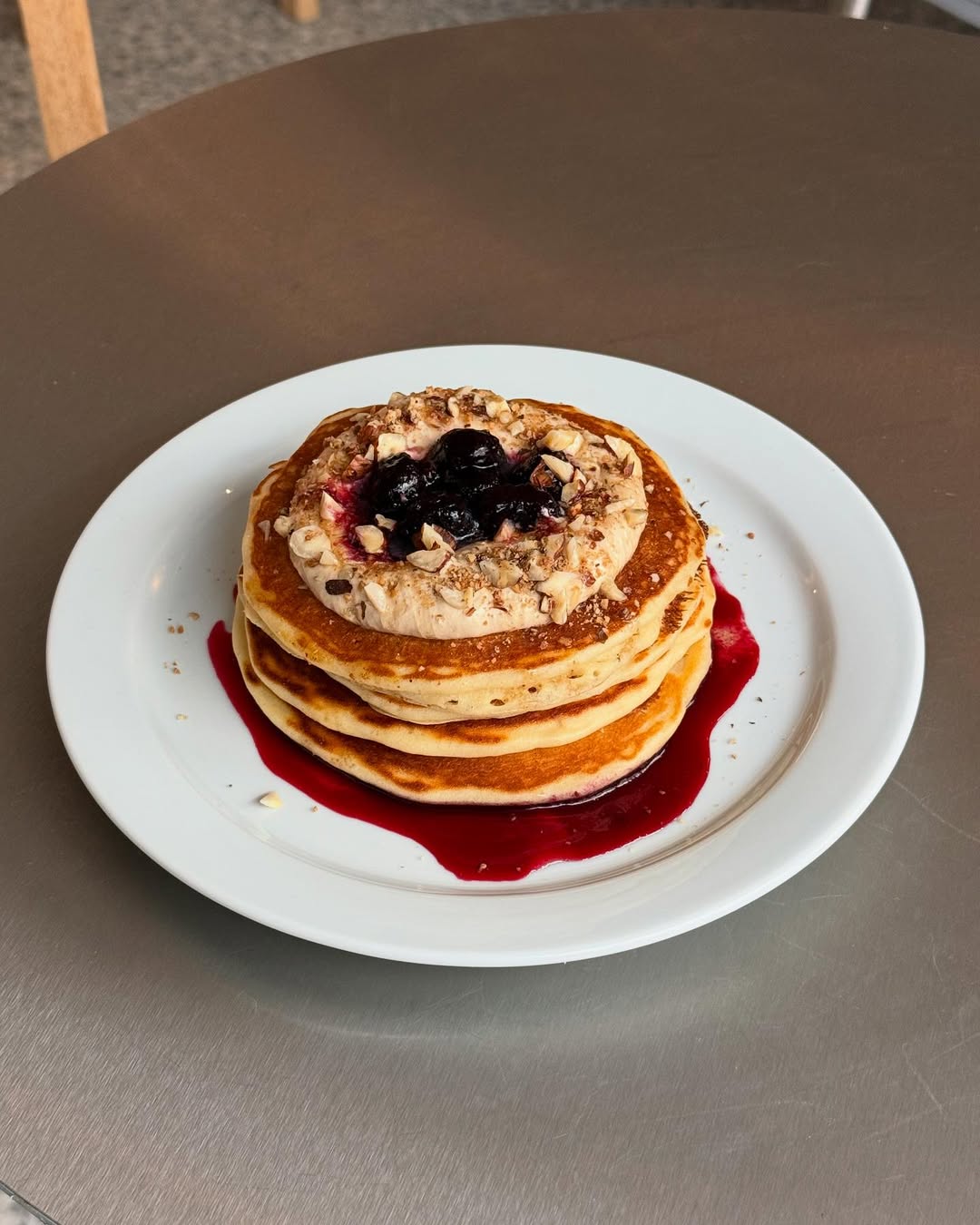
Start your day with brunch at Heim Café (on the park, there’s another branch in Santos), a local favourite that blends Nordic style with Portuguese flavours. Crème brûlée brioche in a zesty citrus sauce, pancake stacks, and shakshuka with freshly baked bread from Etma, Heim’s sister bakery. For lunch, tuck into traditional yet elevated Portuguese fare at Tasca da Esquina, where chef Vítor Sobral reimagines classics like bacalhau and octopus salad. For dinner, reserve a table at Franco-Brazilian restaurant, Cícero, named after Brazilian modernist painter, Cícero Dias. The art-adorned space is softly lit, and the vibrant palette and visual composition of each dish is designed to recall the paintings of the great Brazilian modernist masters.

Where to stay
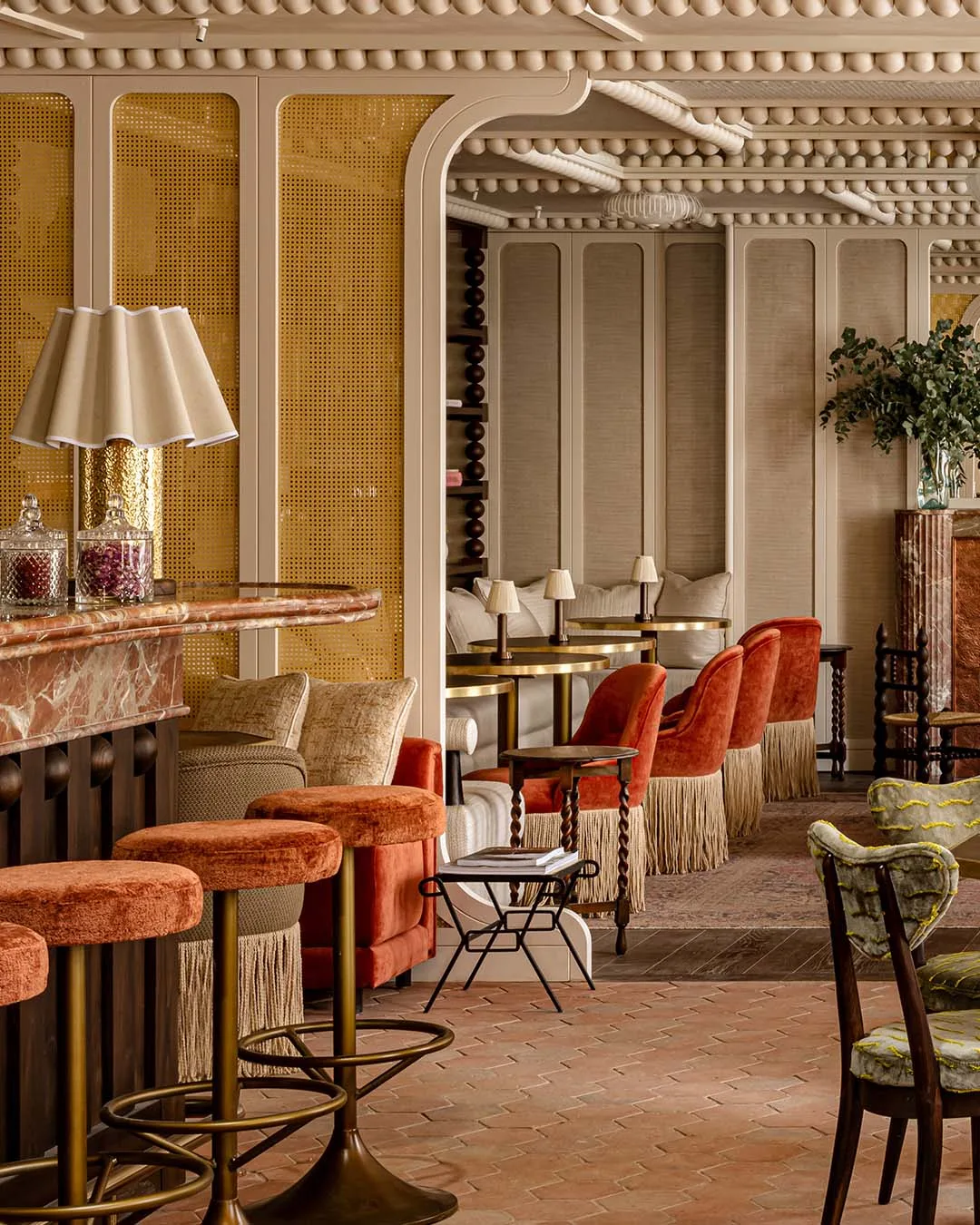
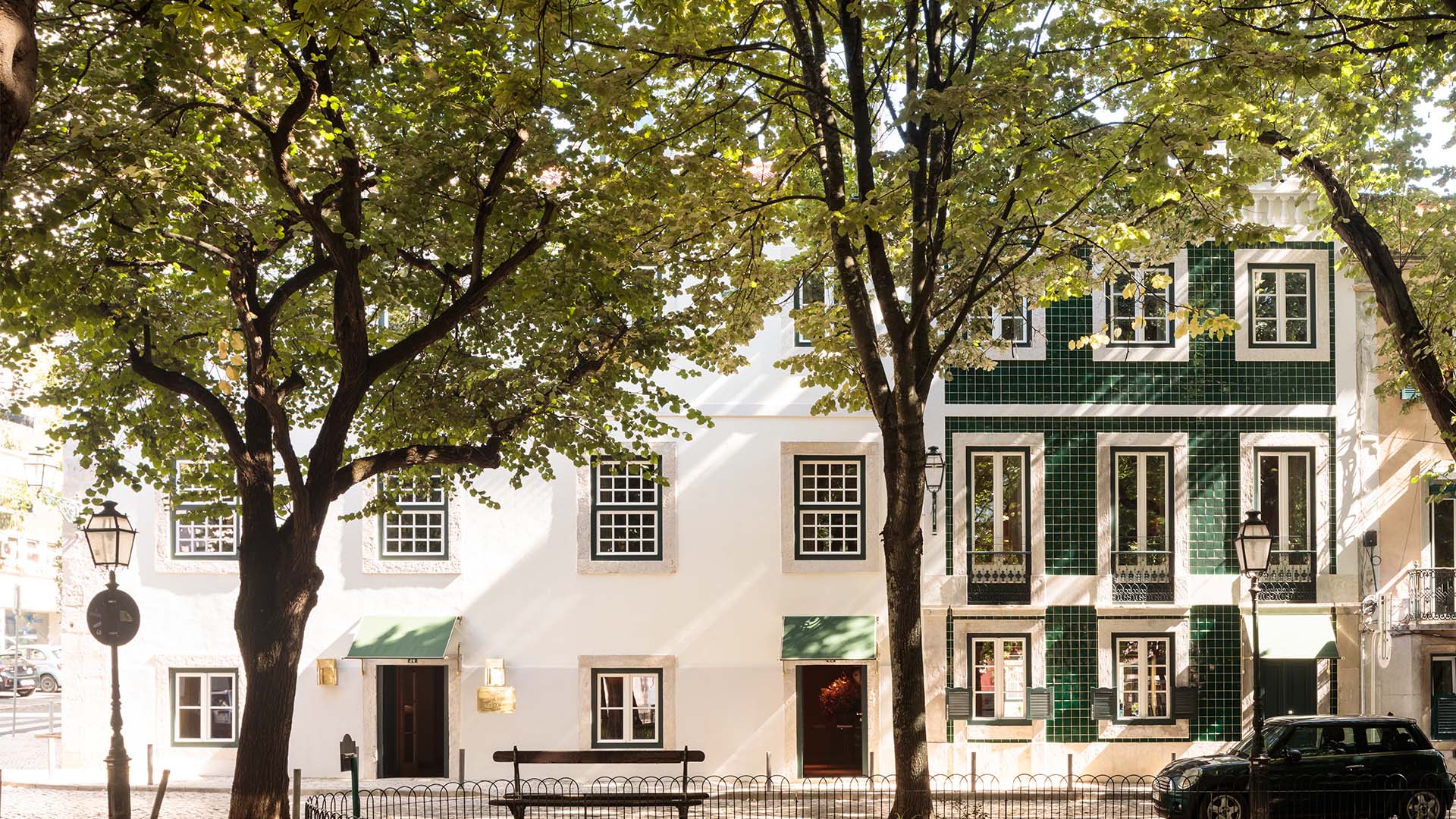
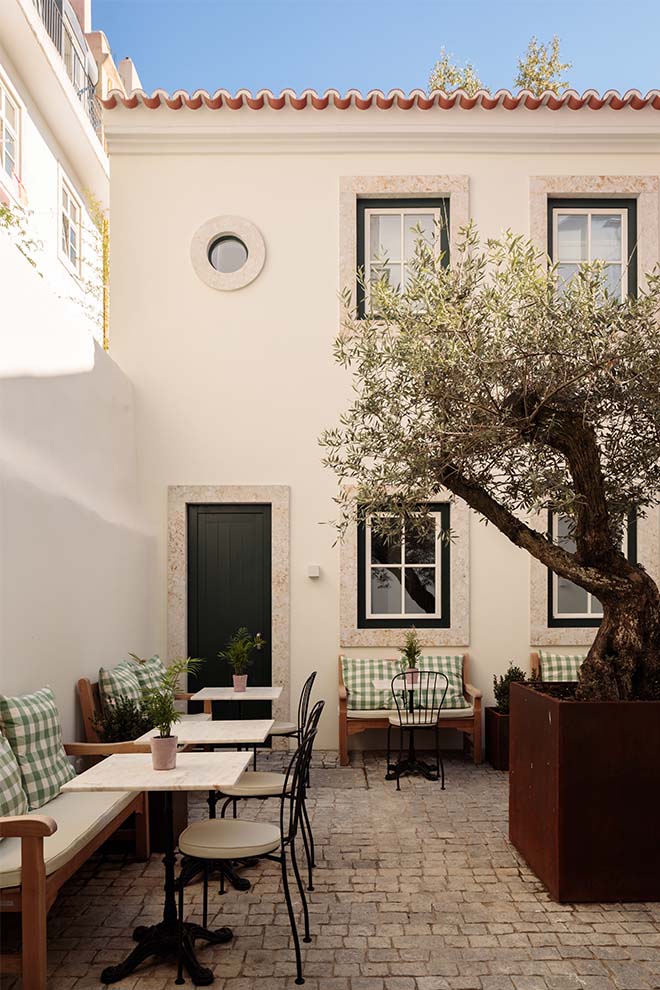
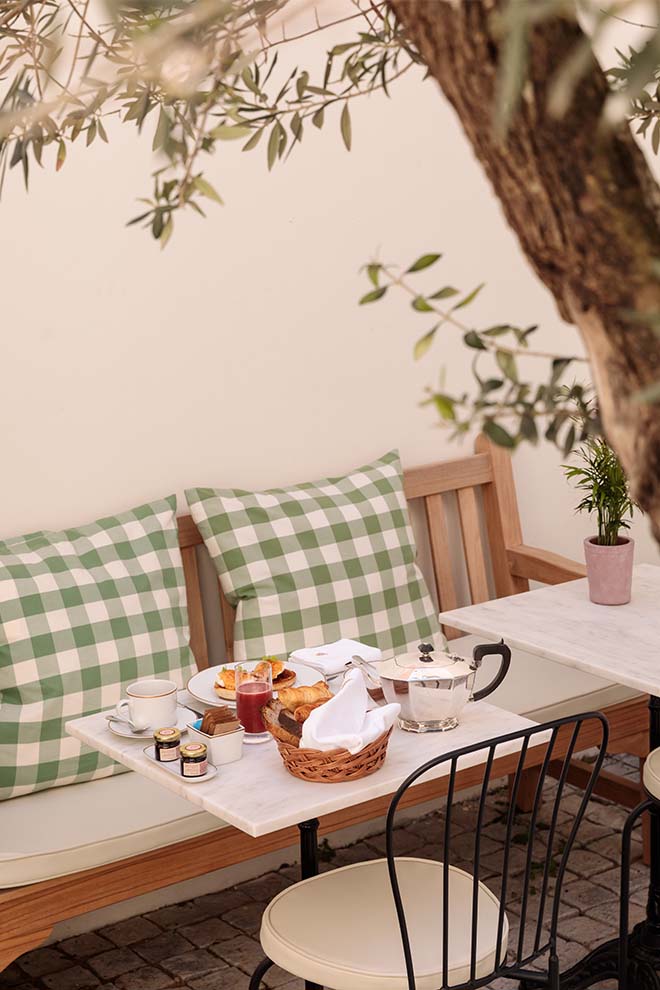
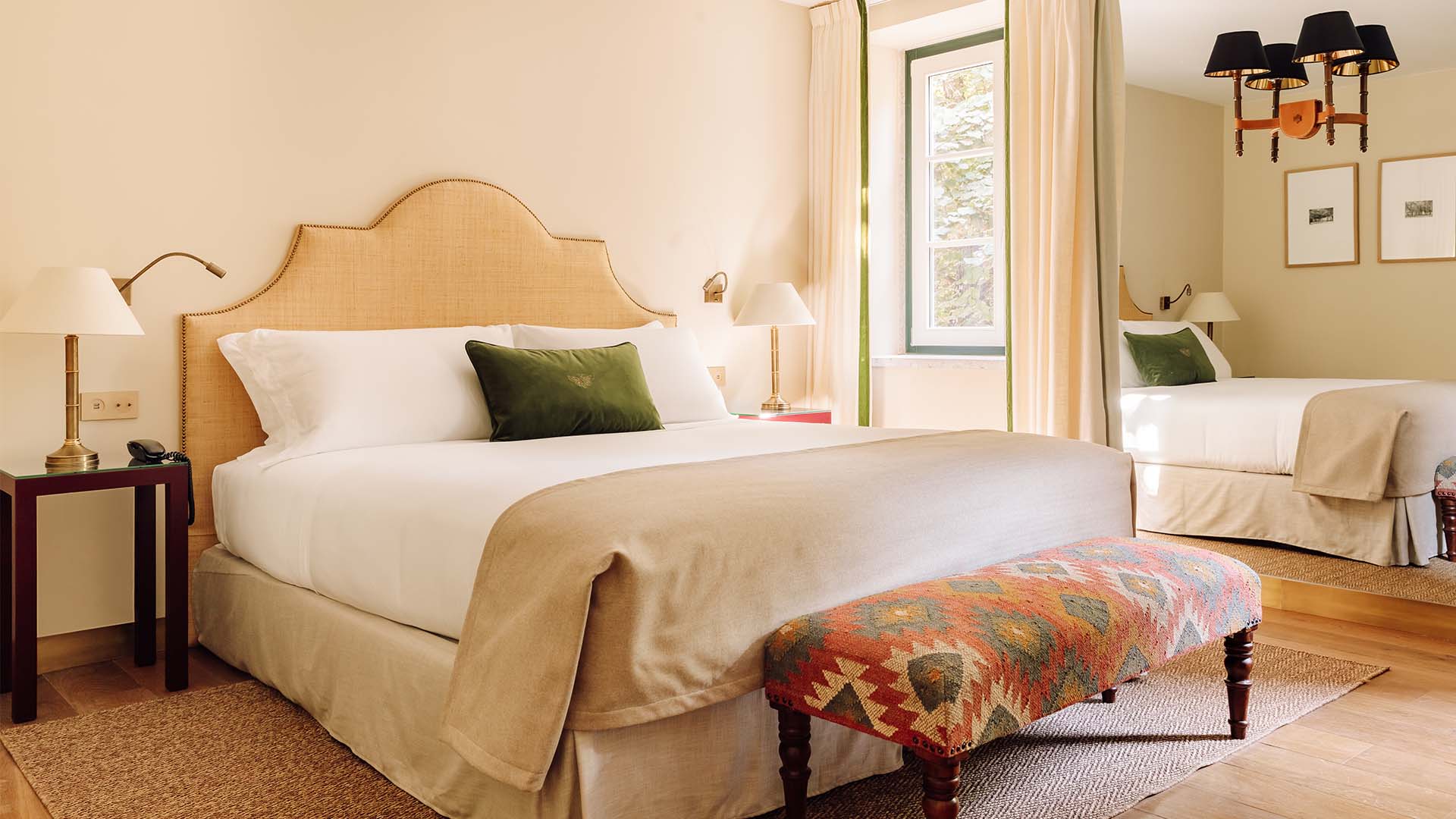
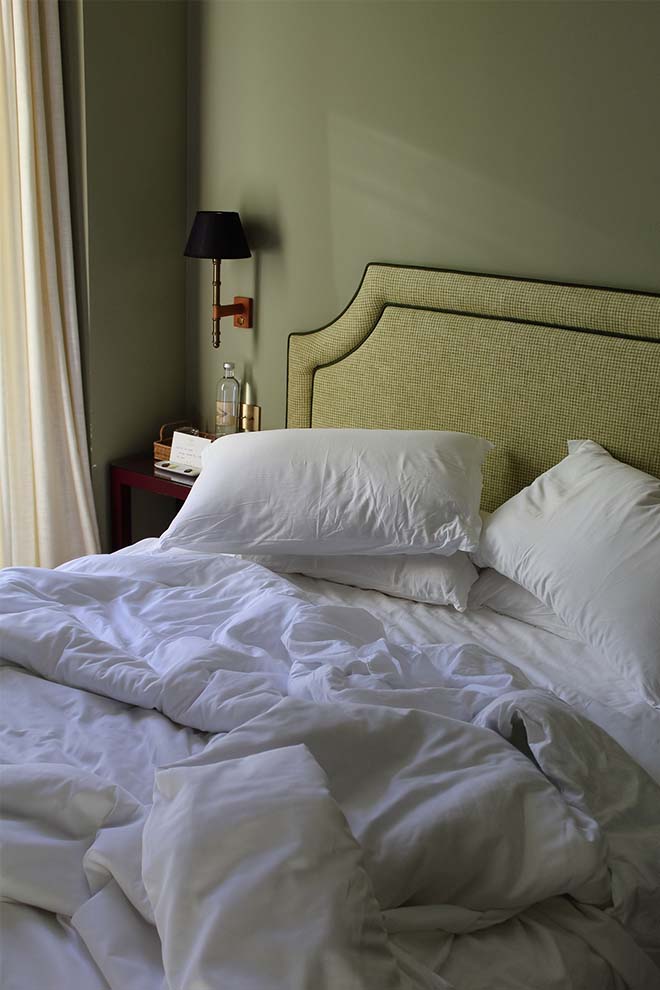
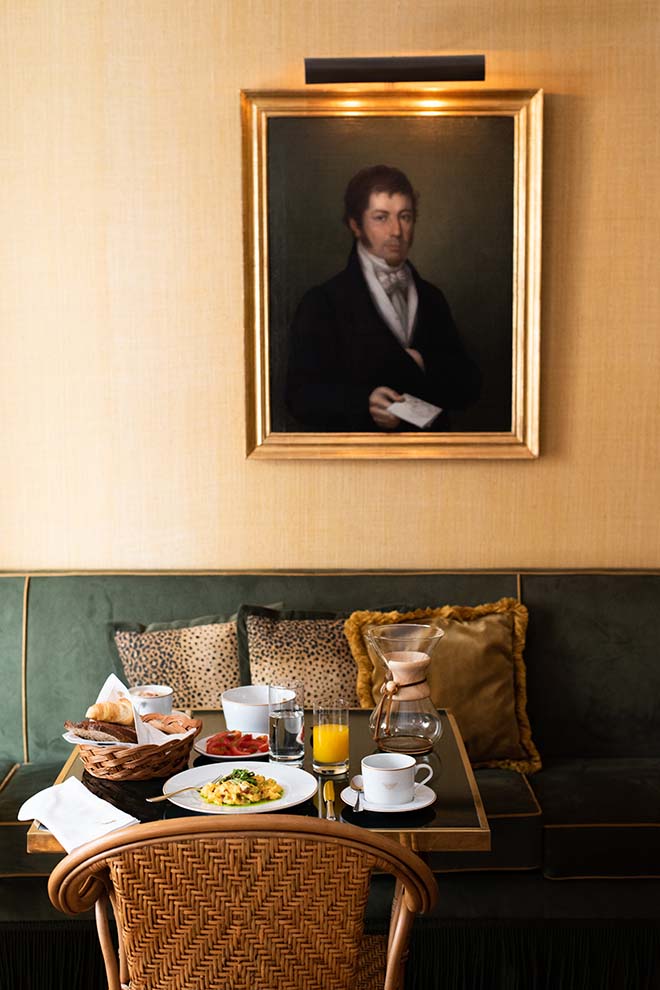
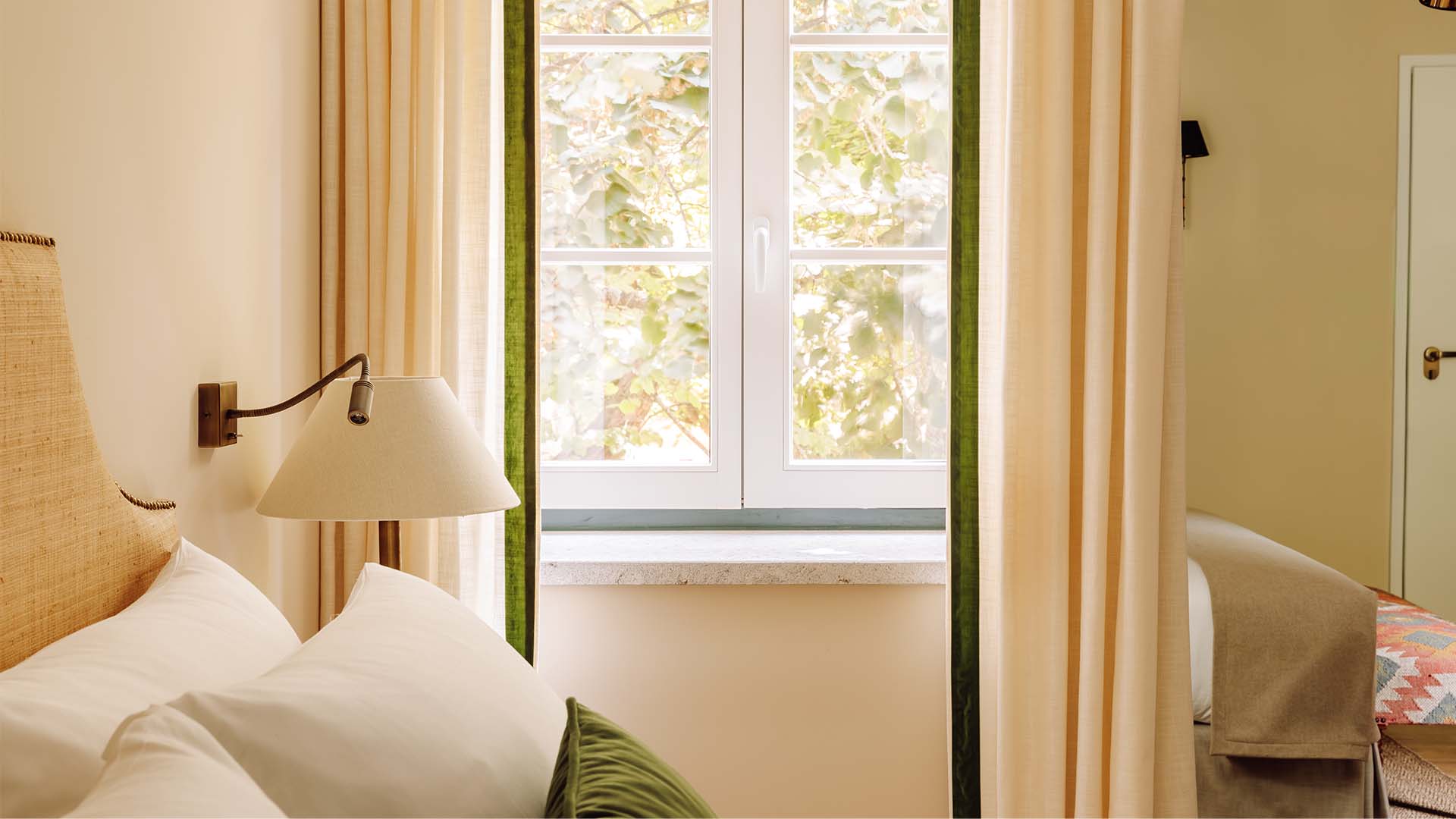
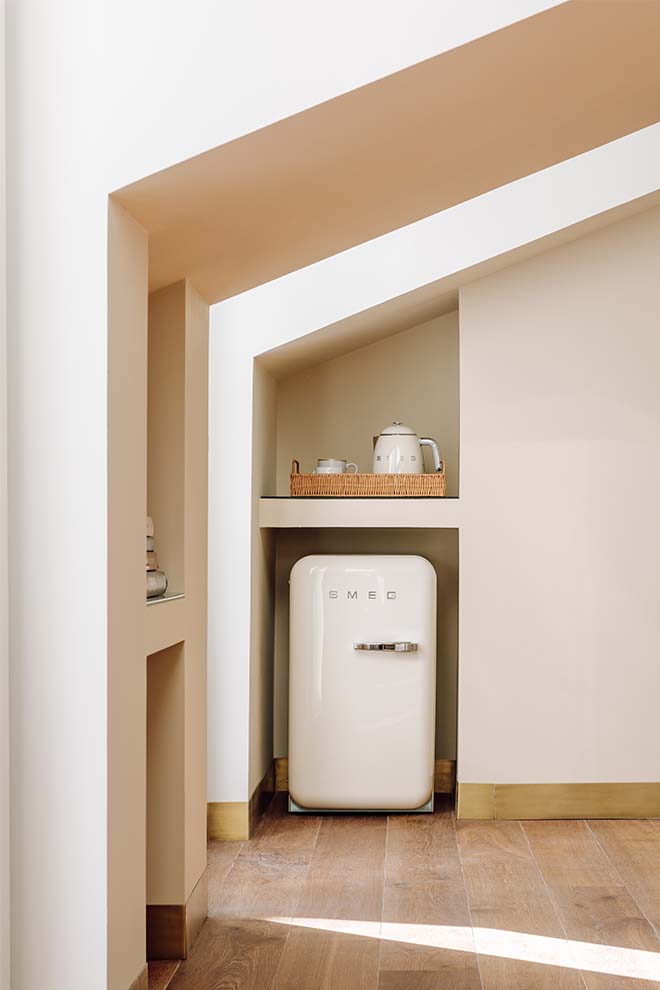
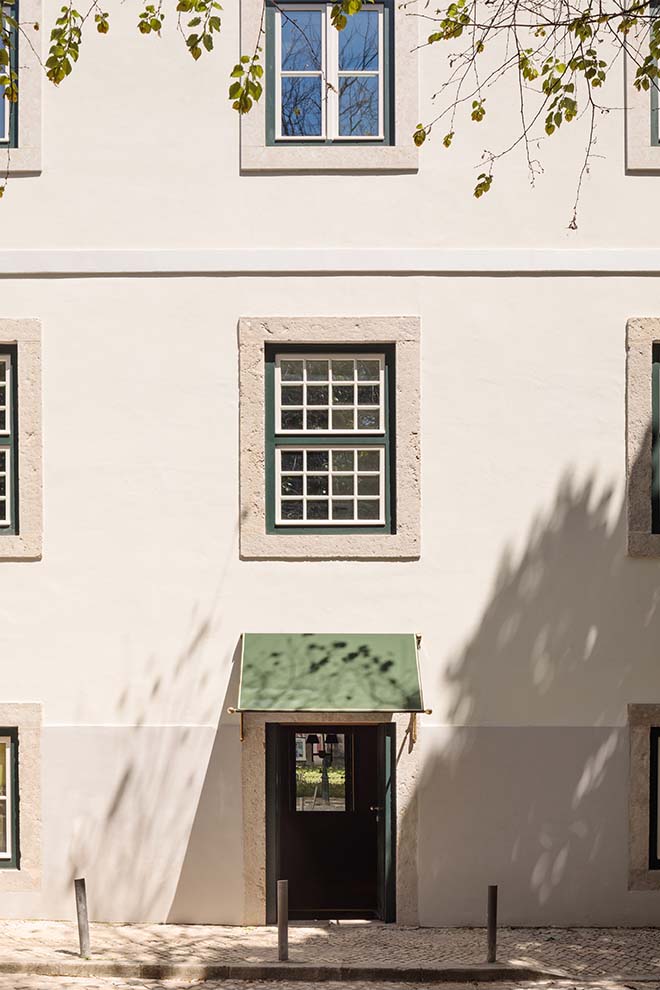
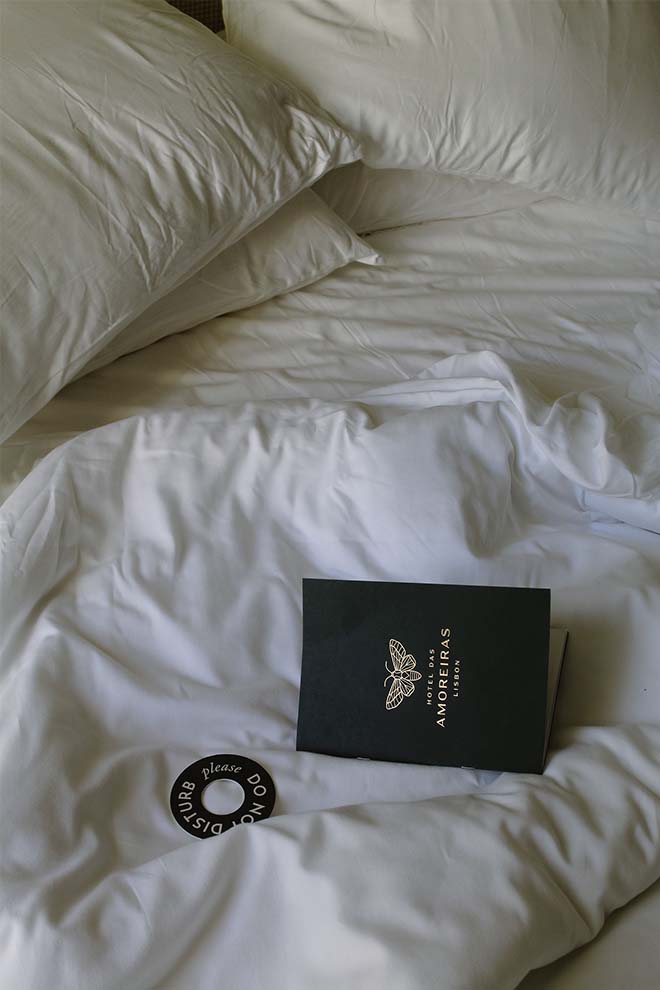
Set directly on the tree-lined square from which the neighbourhood takes its name, Hotel das Amoreiras is a discreet retreat that mirrors the district’s elegance. Behind its understated façade, the interiors are warm and textural — Portuguese woods, soft linens, organic palettes in leafy green and ochre, and thoughtful details (hello, Smeg minifridges) at every turn. Owners Pedro Oliveira and Alicia Valero have recreated the feeling of staying in a friend’s well-designed townhouse: intimate, restful, and refreshingly fuss-free.
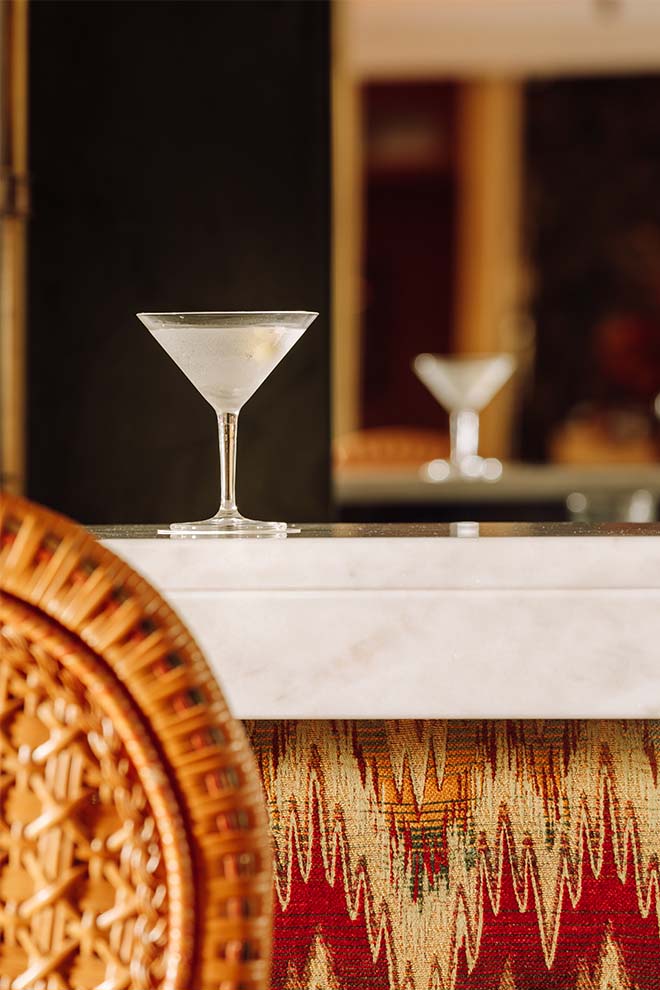
The garden terrace is its hidden heart, where slow breakfasts and golden-hour drinks are served beneath the foliage. The iconic nº24 tram stops just outside the hotel if you want to trundle into the Old Town, Baixa, or Chiado.
More boutique hotels in Lisbon
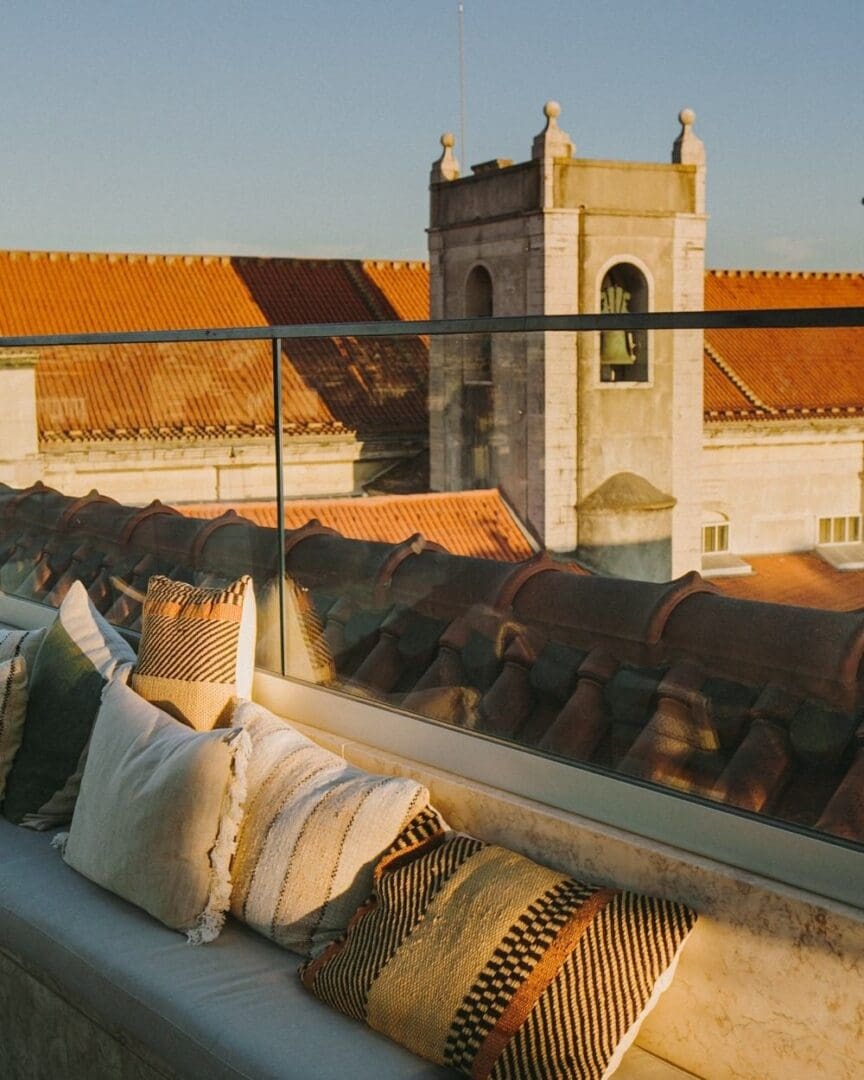
Lumiares Hotel and Spa… Panoramically positioned at the top of a hill near the bohemian Bairro Alto district, this chic boutique is home to one of Lisbon’s best rooftop bars.
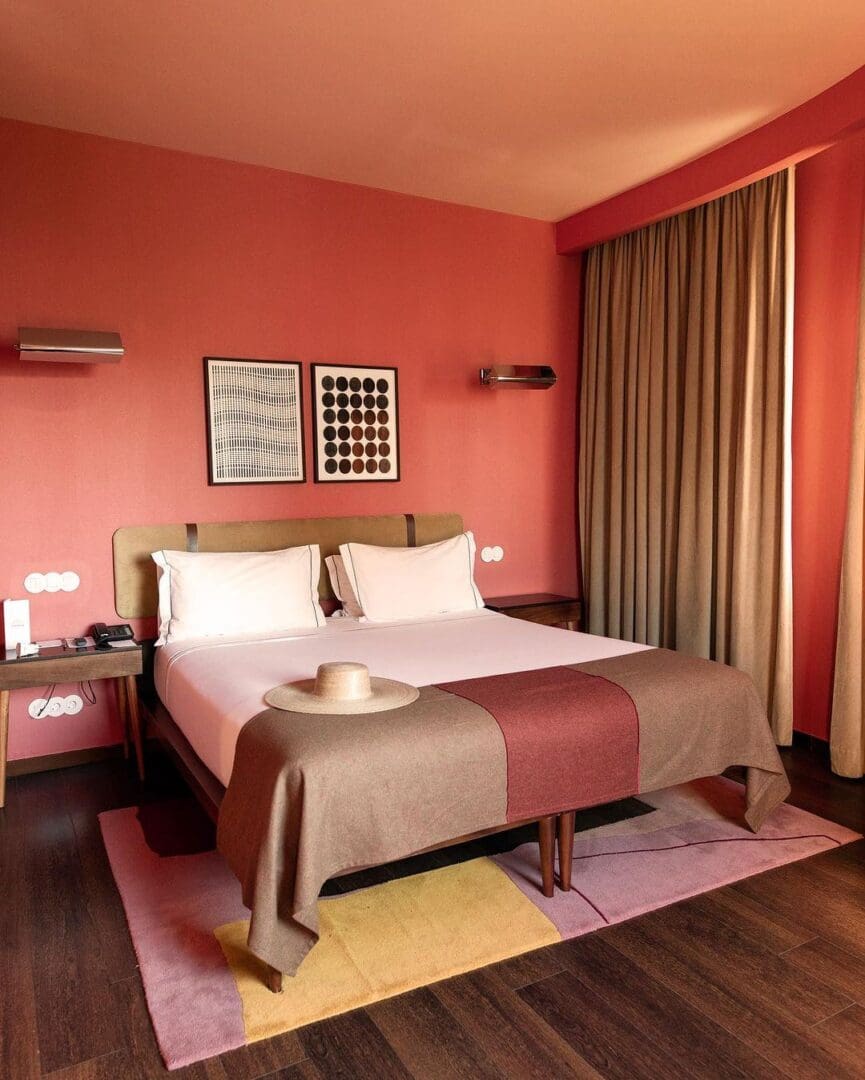
The Vintage Lisbon… Living up to its name, every inch of this design-forward stay celebrates Lisbon’s creative talents, from bespoke furniture and local artworks, to mid-century design pieces and a moody mix of Seventies-style colours — all set to the sounds of a vintage record player.
Pousada de Lisboa… Portugal’s past echoes from the sunshine yellow façade to the resplendent ballroom of this palatial Lisbon landmark, on the corner of Praça do Comércio.
Palácio do Governador… In the 17th century, this baroque retreat was the Tower of Belém governor’s home, and its heritage has been beautifully preserved from the preserved Roman stone vats beneath the entrance courtyard — that once stored fish sauce — to the traditional blue and white tiles lining the walls.
Latest stories

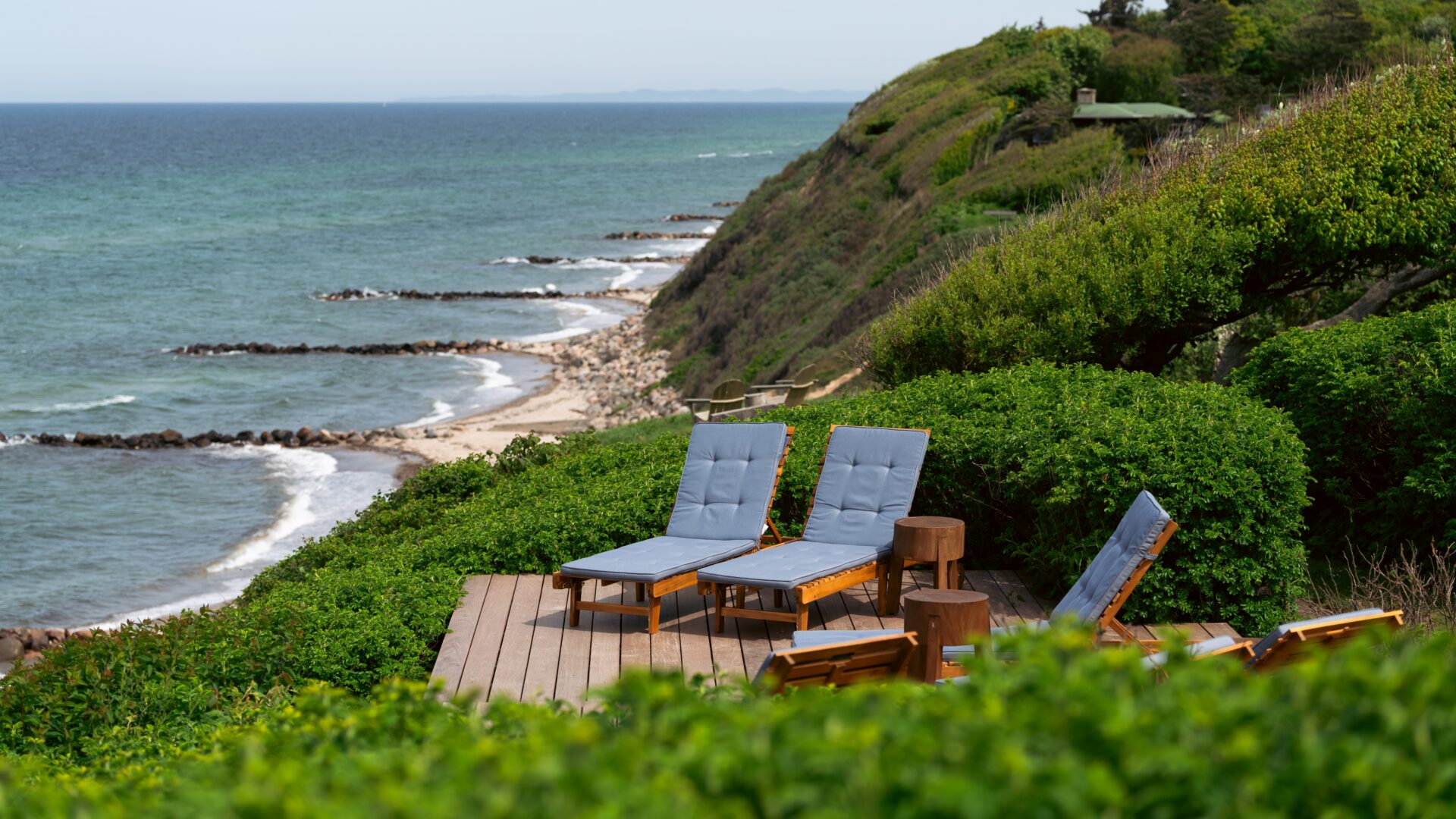
Where to stay: our pick of new hotels that bring their destinations to life
From a Japanese island retreat to a Danish coastal hideaway, we look at seven new member hotels that take their cues from the landscapes around them. Each brings its own perspective on design, wellbeing and a sense of place, whether deep in the mountains or by the Mediterranean. Helenekilde Badehotel,
Celebrating five years of the Considerate Collection
What does it mean to travel considerately? It might be a centuries-old farmhouse given a second lease of life in Transylvania; a Venetian landmark carefully restored with a heating and cooling system that uses lagoon water; or an island kitchen serving a plant-based feast made with seaweed gathered just offshore.

Making tracks: a train journey taking in six European cultural capitals
It’s official – inter-railing is back, as travellers increasingly swap flights for the speed and ease of Europe’s rail network. Think zippy connections, city-centre arrivals, and stress-free border crossings: train travel is one of the fastest, most convenient, and still sustainable ways to explore the continent. Get ready for a

Independent Minds: Sheila Kyarisiima, The Pinnacle Kigali
High above Kigali on Rebero Hill, The Pinnacle offers sweeping views across the city, bringing contemporary luxury together with a strong sense of place. What began as a private family retreat has evolved into a destination that celebrates Rwanda’s culture, creativity and community. Here its founder, Sheila Kyarisiima, shares the