

Alive with intrepid adventure, breathtaking wilderness and bucket-list wildlife encounters, a luxury safari is an inspired choice for all ages — as one writer discovers on her first family trip to Tanzania, a journey that proves as much a long-awaited homecoming as an unforgettable escape.
A safari, by nature, is a series of close calls and near misses, silent prayers and careful tracking — much like motherhood, for that matter. With an unquenchable thirst for wild spaces, I spend a lot of time chasing the feeling of Africa, which often leads me to places where it pays to be sure-footed and instinctive. Having spent my 30-odd years exploring southern Africa, East Africa has long intrigued me, with its masses of animals, sweeping savannahs and the enduring Maasai culture. I’m finally making the journey to see Tanzania, a part of Africa that, until now, has only existed in my dreams. But unlike my travels thus far with my husband — an environmental scientist equally enamoured with our shared birth continent — this time, we make the pilgrimage to East Africa with our one-year-old son, Saxon, in tow. Our first of many safaris together.
Navigating the untamed reaches of the Serengeti National Park involves a series of short flights, usually onboard a Cessna Grand Caravan that shuttles safari-goers from one lodge to the next, landing on gravel runways flanked by grazing zebras or Thomson’s gazelles. Our journey from Arusha into the bush follows suit. From the air, we watch as high plateaus give way to deep careens and great widespread plains, where clusters of kraal enclosures and Maasai villages exist amidst the vast wilderness. Below the clouds, scatterings of wildebeest and stretching rivers marble the land, before vanishing into the distance.
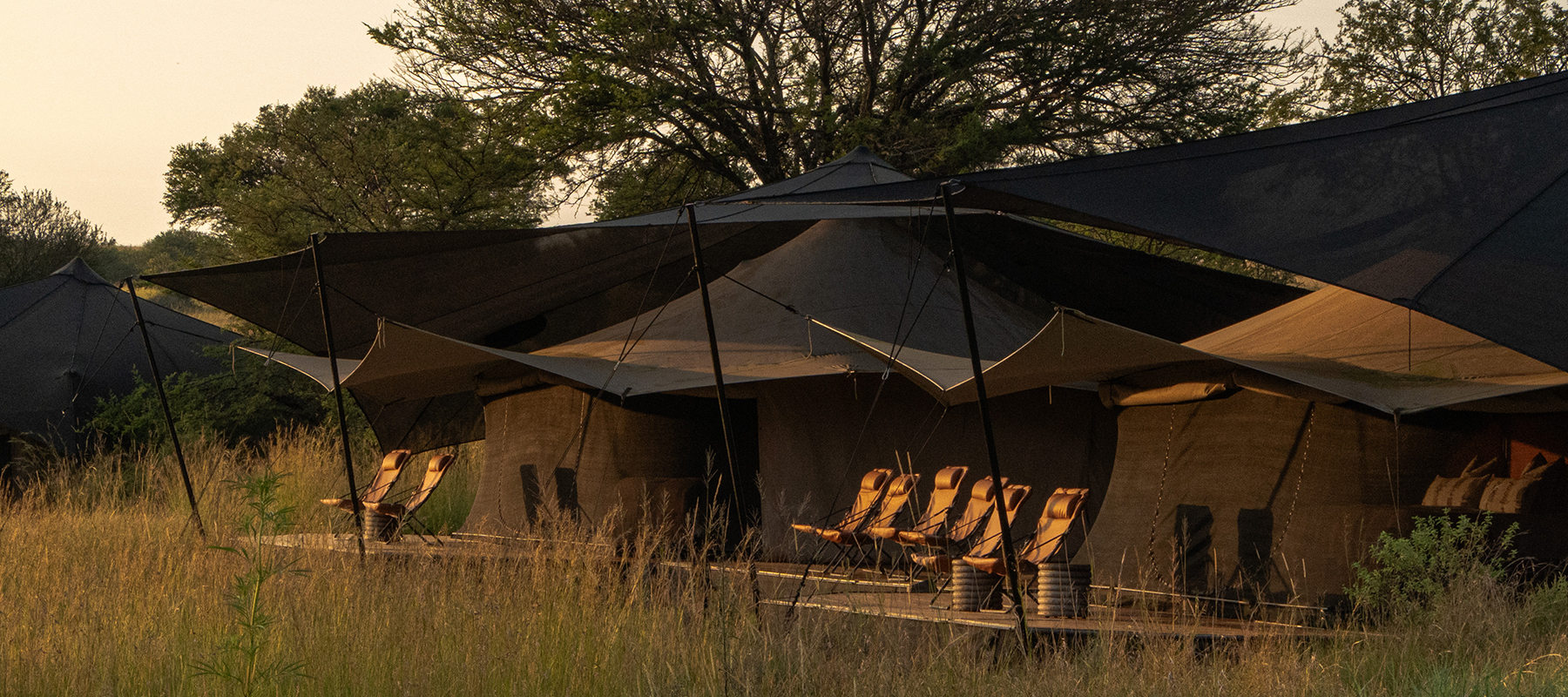
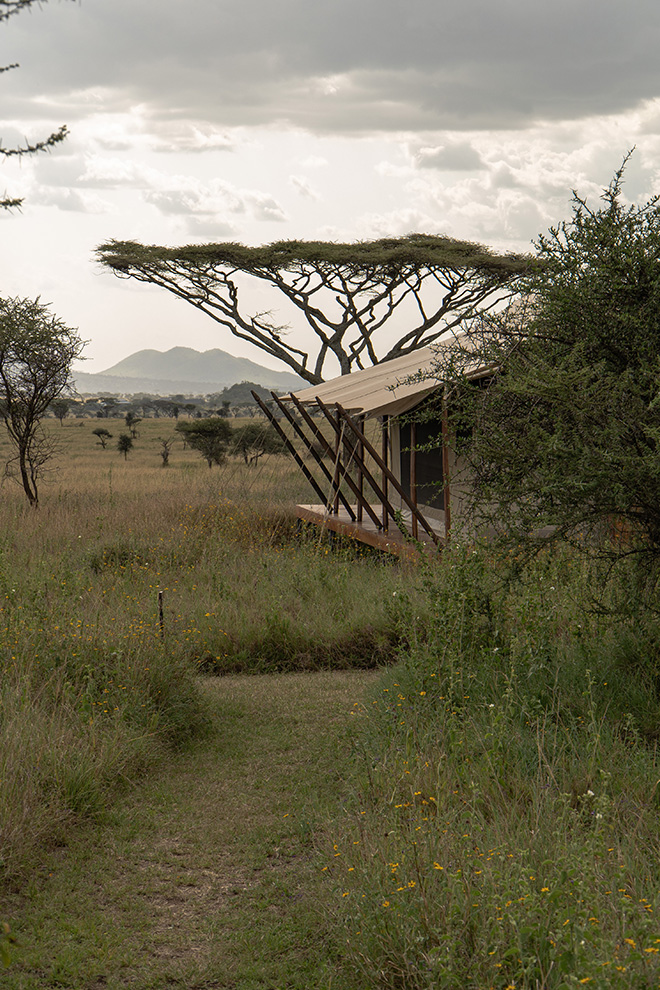
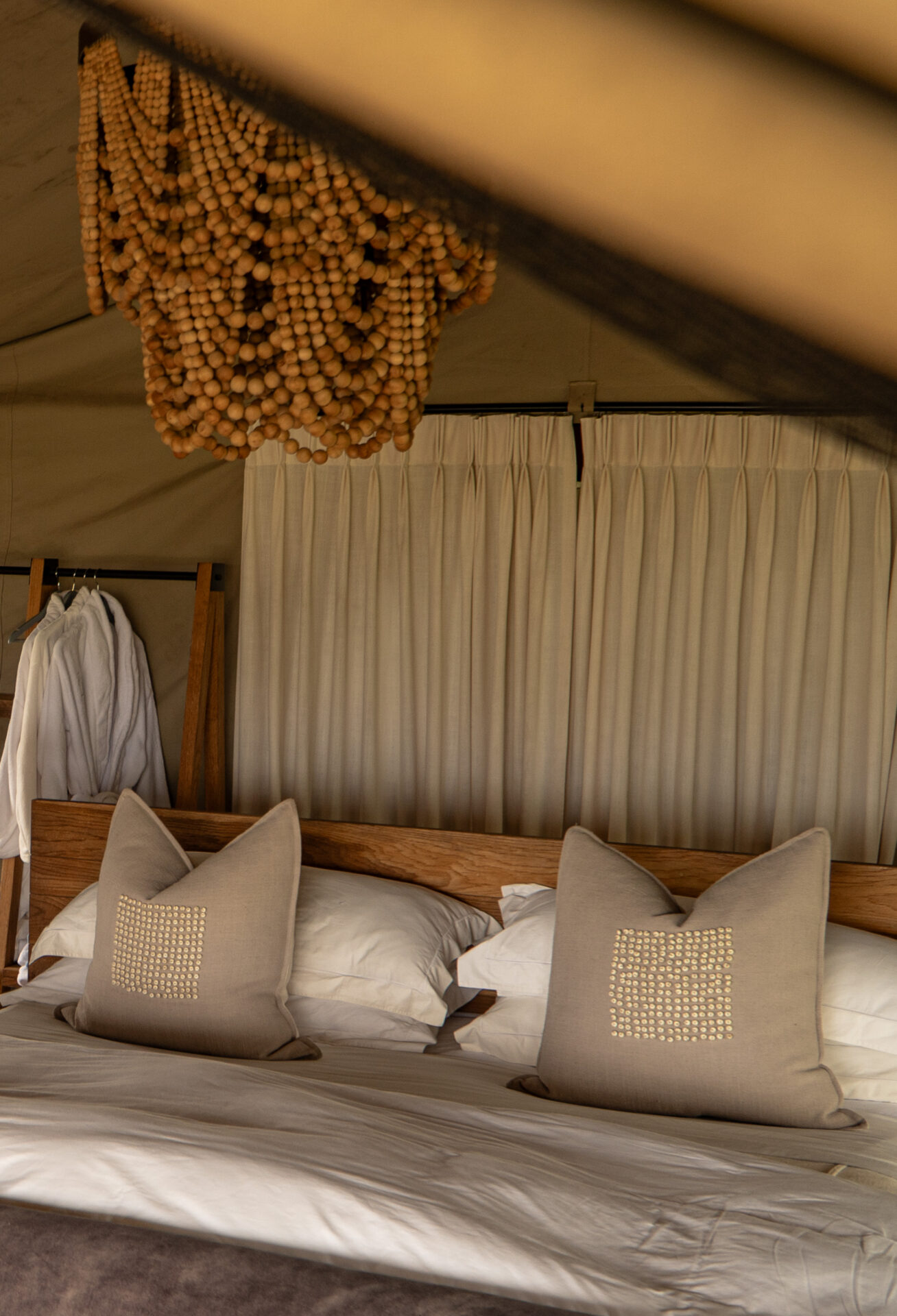
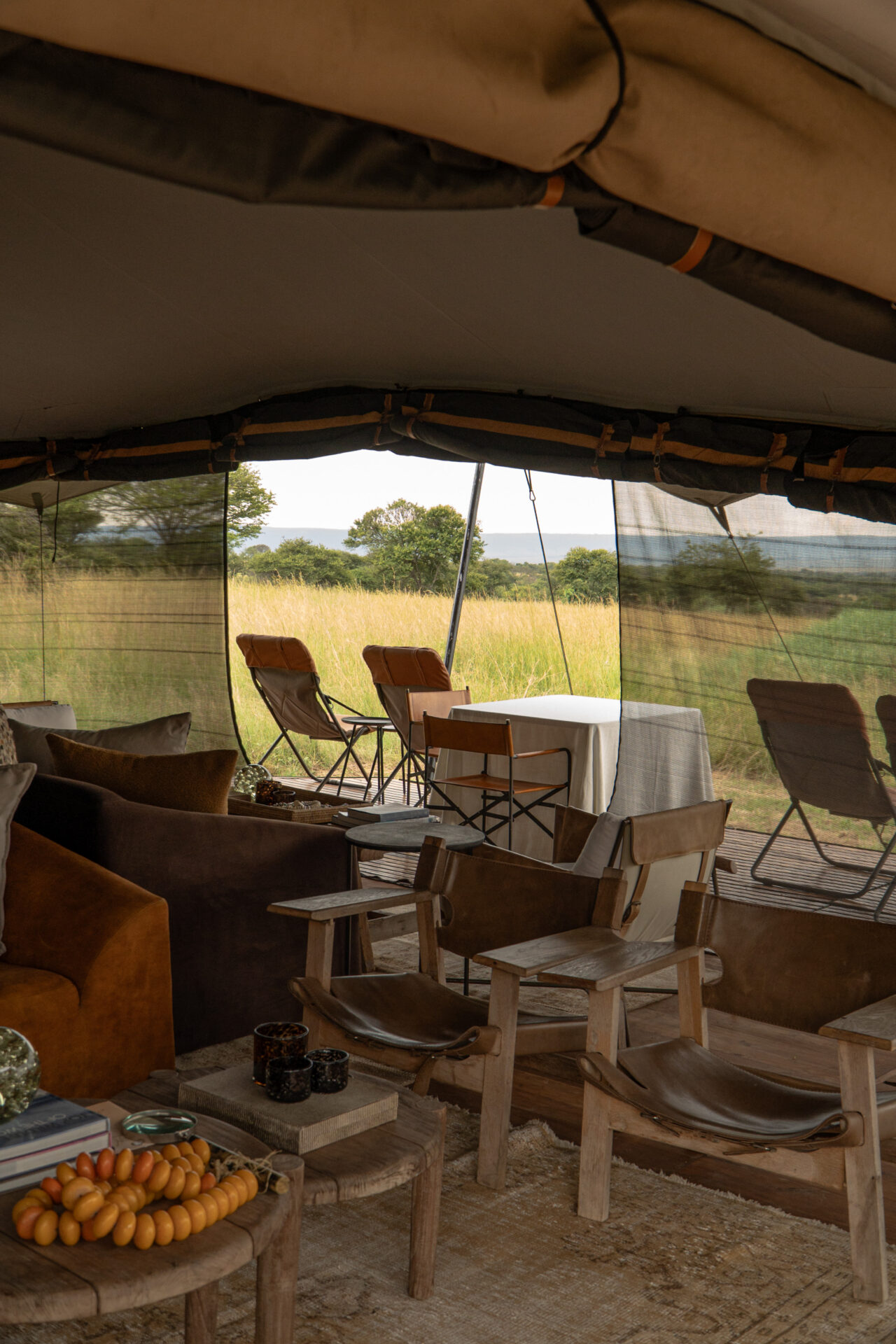
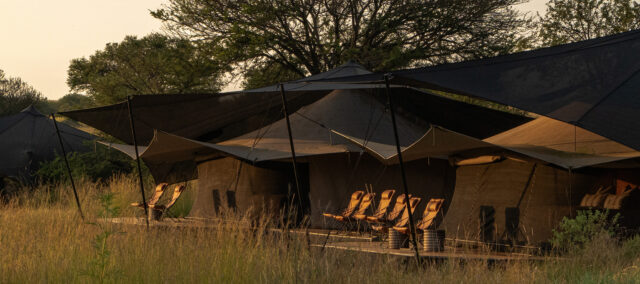
Upon landing at Central Serengeti, we make the short journey to Siringit Serengeti Camp, an intimate tented enclave just ten kilometres east of the Seronera Airstrip. With only a handful of guests at any one time, space and freedom become the ultimate luxury, with days charted only by the rising and setting of the sun. Under canvas, layers of African textiles and local objects ground the camp, lending it an unmistakable sense of place. There is an art easel if inspiration strikes, as well as an al fresco ‘jungle gym’ with views of passing giraffes. Private decks set the scene for birdwatching or morning coffees spiked with Amarula liqueur.
“Rafiki in Swahili means ‘friend’,” muses our guide Chacha between a cacophony of whoops and whistles and animal sounds, throwing his head back in a bursting, boisterous laugh. Though we have been in the Serengeti for mere hours, we have already seen cheetah and leopard, a male lion and a shy topi antelope, along with a host of birds — southern ground hornbill, dark chanting goshawk, black-headed heron, yellow-billed stork and Rüppell’s long-tailed starling.
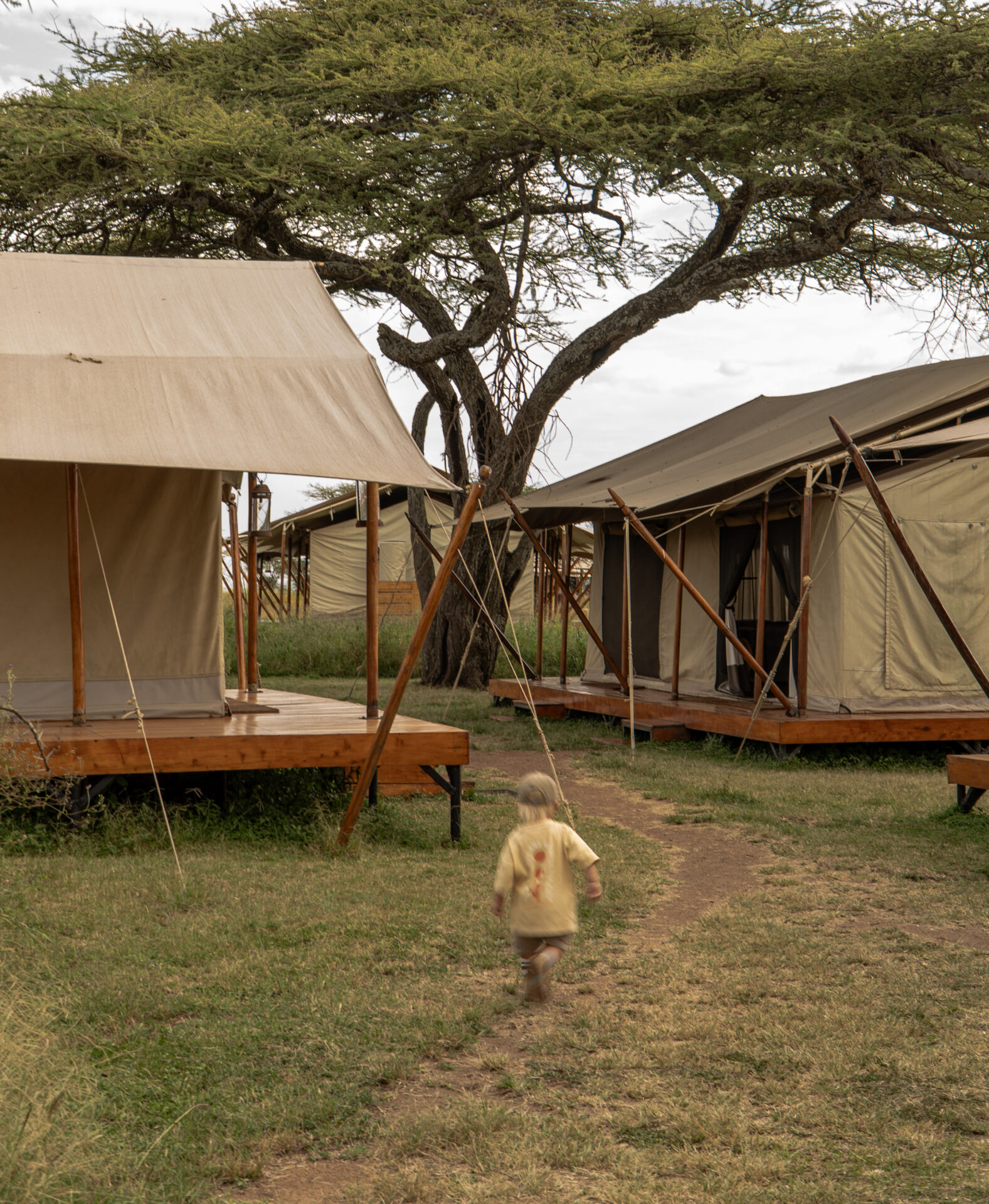
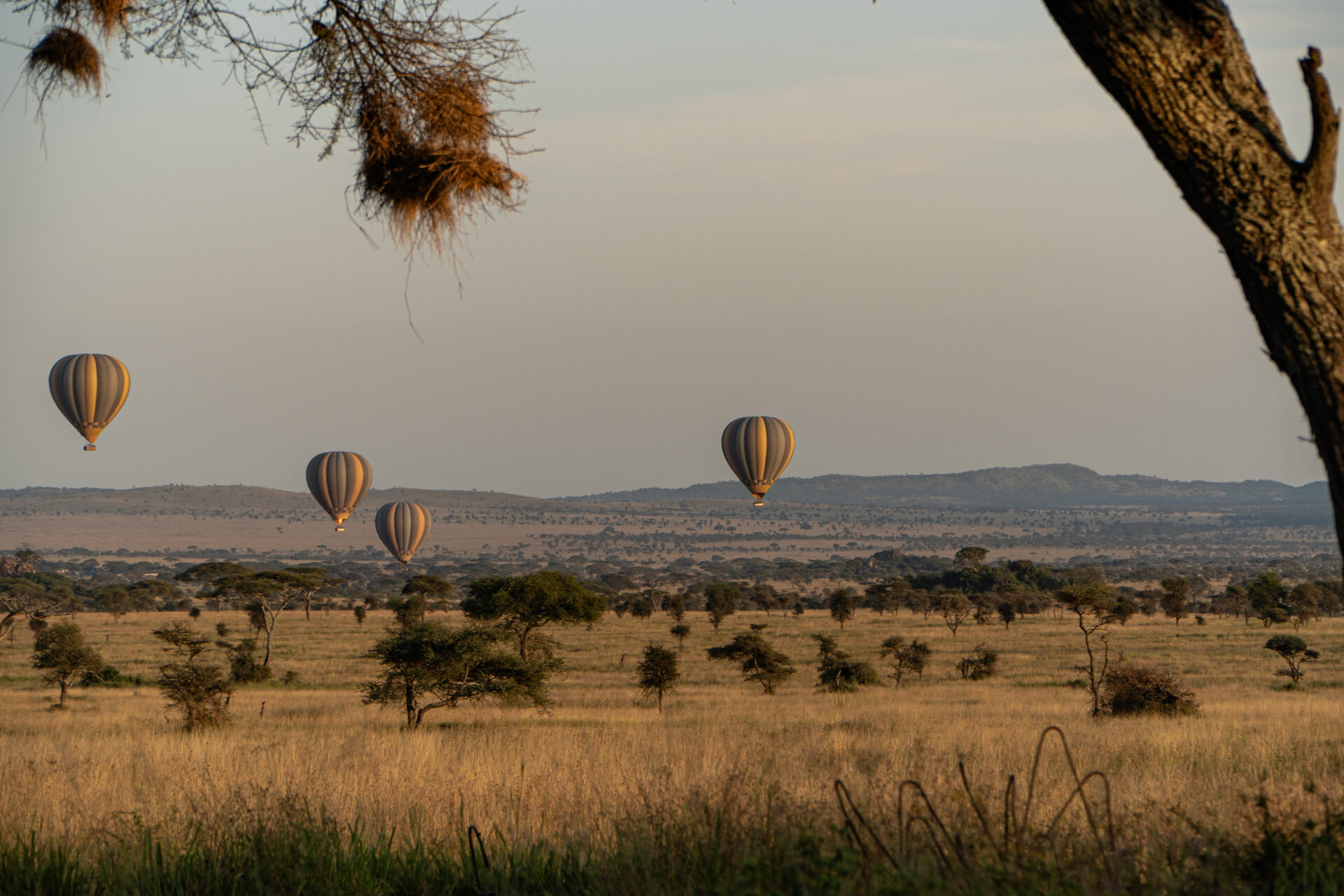
While exploring, we pass leaning umbrella thorn acacia trees gnarled by elephants and other creatures, with tough bark torn into ribbons by the wrath of a bull in musth. Overhead, deep bouts of thunder echo. We watch as rain sweeps the savannah, drenching a breeding herd of elephants. Their sand tracks quickly turn to mud as the grey giants pad and play. From a distance, we sit quietly as calves frolic at their mother’s feet and young males assert their dominance with flapping ears and trumpet calls. Soon, the sun breaks through the clouds in streaks — as if on cue, the elephants fall into rhythm and slowly amble away into the distance, one by one. “Simba anazaa,” exclaims Chacha. “When it’s sunny and raining at the same time, we say that a lioness is giving birth!”
By luck, I spot the golden forms of three big cats on a boulder beside a stream, one lioness and two sub-adult cubs. While we admire the lions from afar, sharing cold Kilimanjaro beers, Saxon busies himself with make-believe helicopters, his soft sound effects pricking the ears of the sleeping lions. Chacha signals that it is time to peel away.
The day soon drifts into dusk as we return to camp, a fire ablaze and dinner waiting. In years past, safaris were for candle-lit dinners for two and romance under the stars. These days, bedtime comes quickly, as we three retreat together to recount our sightings — a trio of lions, a leopard, a cheetah and a lone, black-backed jackal. Out here, milk-drunk cuddles are given to a siren song of crickets, hyenas and distant roars. Before long, we slip into slumber beneath the canvas.
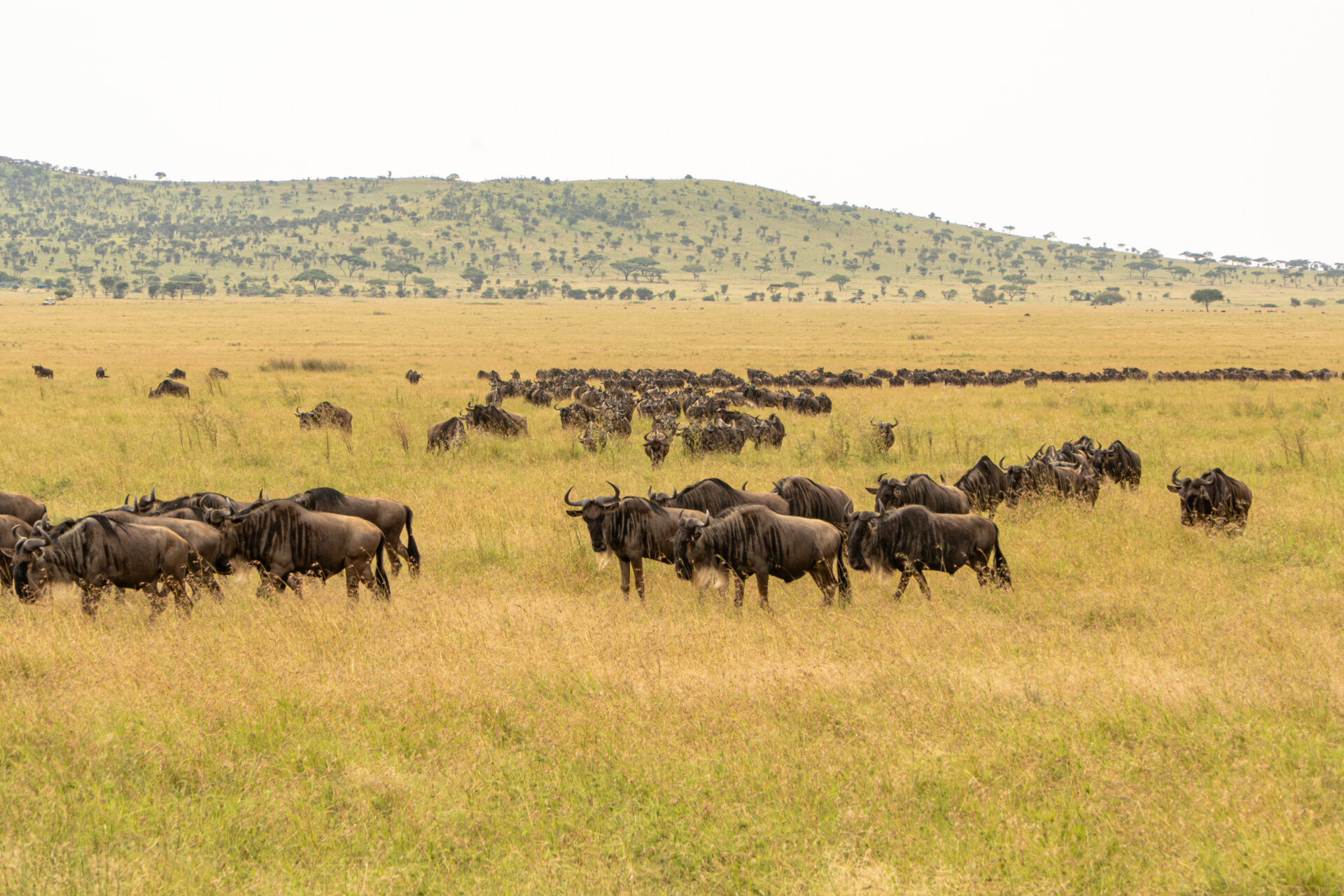
By the second day, Saxon has settled into our new rhythm: rising with the wild, listening for birds, following tracks and napping on the go. At camp, Joseph leads him on close-by adventures, scouring for scuttling dung beetles or vivid pink and blue agama lizards basking on rocks. That morning, we set off for the Serengeti’s Western Corridor. Thousands of slow-moving wildebeest and zebra pepper the horizon, a flourish of white cattle egrets in their wake. Thanks to recent rains in Central Serengeti, the herds have lingered longer than usual; soon, they will steer north in pursuit of fresh pastures. For hours, we sit in stillness, existing amongst the greatest migration on Earth, content and in awe.
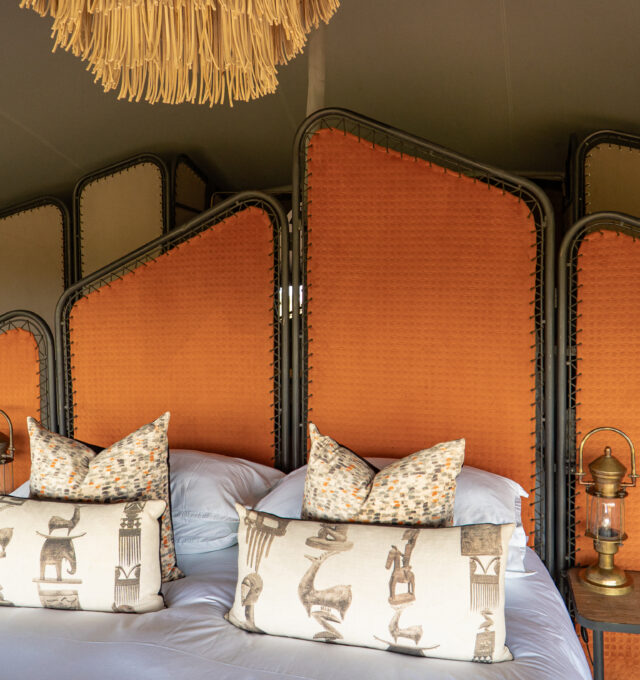
On our flight from Seronera to the Kogatende Airstrip, we watch as the great flat grasslands fall away and the valleys of the north come into view. Here, on the border of Kenya’s Maasai Mara National Reserve, there are decidedly more trees clustered into riverine forests and dense woodlands. Each year, as the promise of over a million thundering hooves looms, Siringit Migration Camp draws the most intrepid to the northern reaches of the Serengeti. Unlike the central and southern regions, whose plains stretch out in dramatic scenes, the north unfurls beneath a high plateau and edges closer to the Mara River, a formidable crossing point for the surges of migrating wildebeest and zebra.
At night, we keep Saxon close with the help of Magoma and Nixon, proud Maasai men who watch over the camp at night. “Don’t run,” Nixon says calmly. His spear pegs into the ground, just an arm’s reach away. “When a child runs, they run onto a snake, or an animal will think they’re prey.” Nixon is a gentle man whose wife and four children live in the Ngorongoro Crater, about six hours away. The question had circled in my mind since we met: how do you keep your children safe, living beside the wild? I watch as the pair walk with Saxon, guiding him by hand from the long grass so we could steal sips of wine and moments of warmth by the fire.
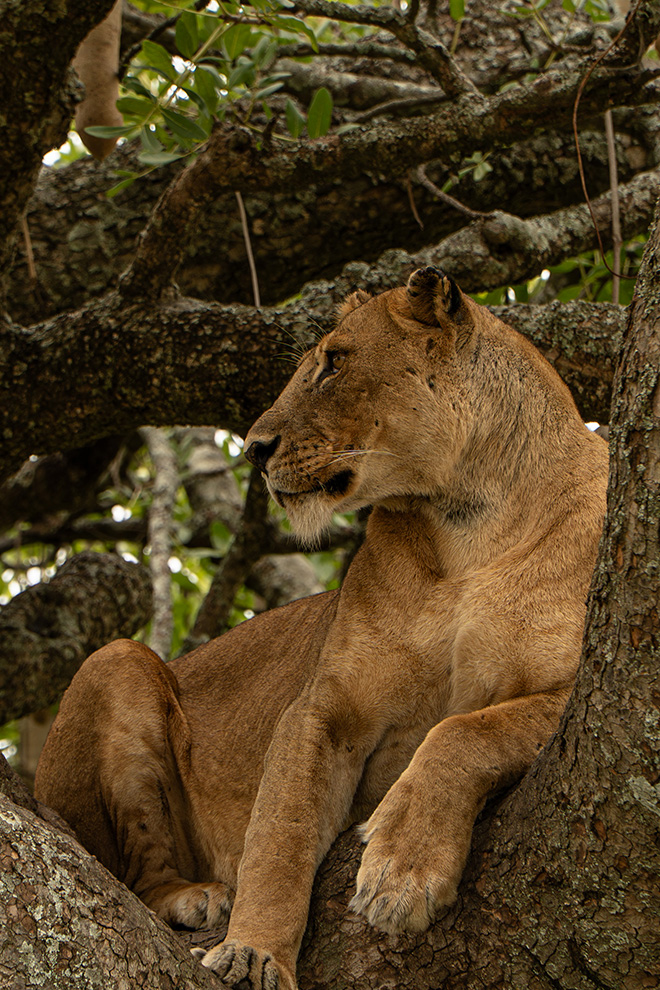
In the days that follow, we spend hours traversing overgrown tracks bordered by kopjes and intertwined rock fig trees that split giant boulders with their roots. On our last morning, we sit quietly by the Mara River while Saxon sleeps, wrapped in a Masaai-made shuka blanket. Next to us, hippos grunt and snort in a puddle, lolling about in knee-deep water. Nearby, a lioness lies outstretched on the bowed branch of a sausage tree as white-headed buffalo weavers dance on the road, flashing bright orange, white and black plumage. Here, time slows, eclipsed by the beauty of nature.
For us, what it means to travel as a family is evolving. Once, our journeys were intuitive and spontaneous. Adventures lured us into the heart of Africa, where we slept under the stars, thrilled by the closeness to nature. Now, this season, we measure risks more closely, seeking slowness and places that embrace growing minds and a sense of childlike curiosity. Perhaps that’s why we’re called home to Africa. Where little humans can be lost in wild wonder, while we pause long enough to connect. With the Earth, with each other. Here in Tanzania, warmth is evident in broad smiles, outstretched arms and hakuna matata. Going pole pole (‘slowly, slowly’) together, we discover, is the real thrill of the safari.
The quiet before the roar
Ideal for bookending safari pursuits, Siringit Villa dwells in a delightfully quiet hamlet on the outskirts of Arusha. Here, suites — just six of them — are veiled by trees and sprays of flowers, inspiring slow-moving days and garden dwellings, a perfect tonic for recovering from jet lag or to finding moments of poolside rest after exploring the Serengeti. Time it right (May to October) and you’ll arrive in Arusha to swathes of cheerful yellow sunflowers that line dirt tracks and emerald-green coffee fields.
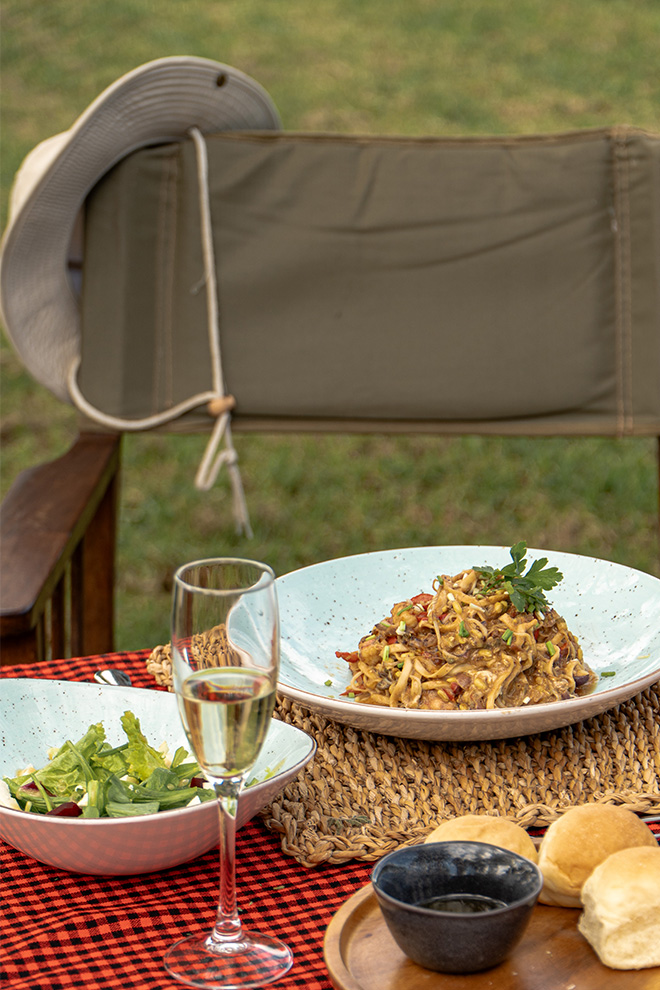
Within the fertile grounds, vegetables and herbs sprout in abundance. Lettuce, radishes, tomatoes, zucchini, pomegranates, mint and spring onions will eventually make their way to the kitchen. Nourishment comes in the form of colourful salads and hearty, homestyle cooking from Bistro No.5, a restaurant set in the garden itself. If time allows, head to the Healing Spa or the on-site golf course, where views of nearby Mount Meru can be admired from the sixth hole. Better yet, venture out in the Villa’s classic Land Rover Defender from the heart of Arusha to explore Arusha National Park, or east to glimpse snow-capped Mount Kilimanjaro, presiding over this safari frontier town with profound beauty and stature.
Siringit Migration Camp
Book now
Siringit Serengeti Camp
Book now
Latest stories

Making tracks: a train journey taking in six European cultural capitals
It’s official – inter-railing is back, as travellers increasingly swap flights for the speed and ease of Europe’s rail network. Think zippy connections, city-centre arrivals, and stress-free border crossings: train travel is one of the fastest, most convenient, and still sustainable ways to explore the continent. Get ready for a

Independent Minds: Sheila Kyarisiima, The Pinnacle Kigali
High above Kigali on Rebero Hill, The Pinnacle offers sweeping views across the city, bringing contemporary luxury together with a strong sense of place. What began as a private family retreat has evolved into a destination that celebrates Rwanda’s culture, creativity and community. Here its founder, Sheila Kyarisiima, shares the
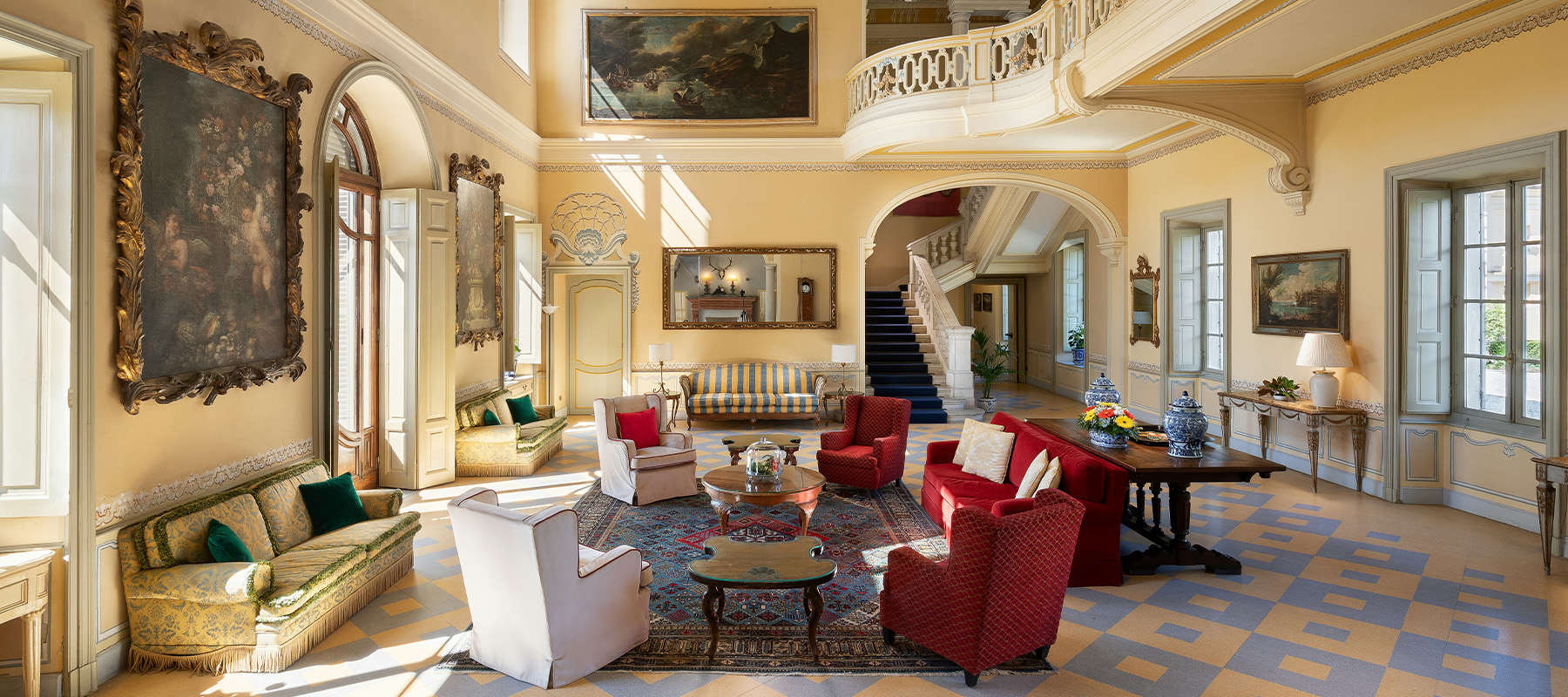
A postcard from: Piedmont with Sina Villa Matilde
Piedmont may be one of Italy’s less-travelled regions, and that is precisely part of its appeal. Sitting at the foot of the Alps, the landscape is a mix of rolling hills, family-run wineries and elegant country estates, with excellent food and wine at its heart – some might even say
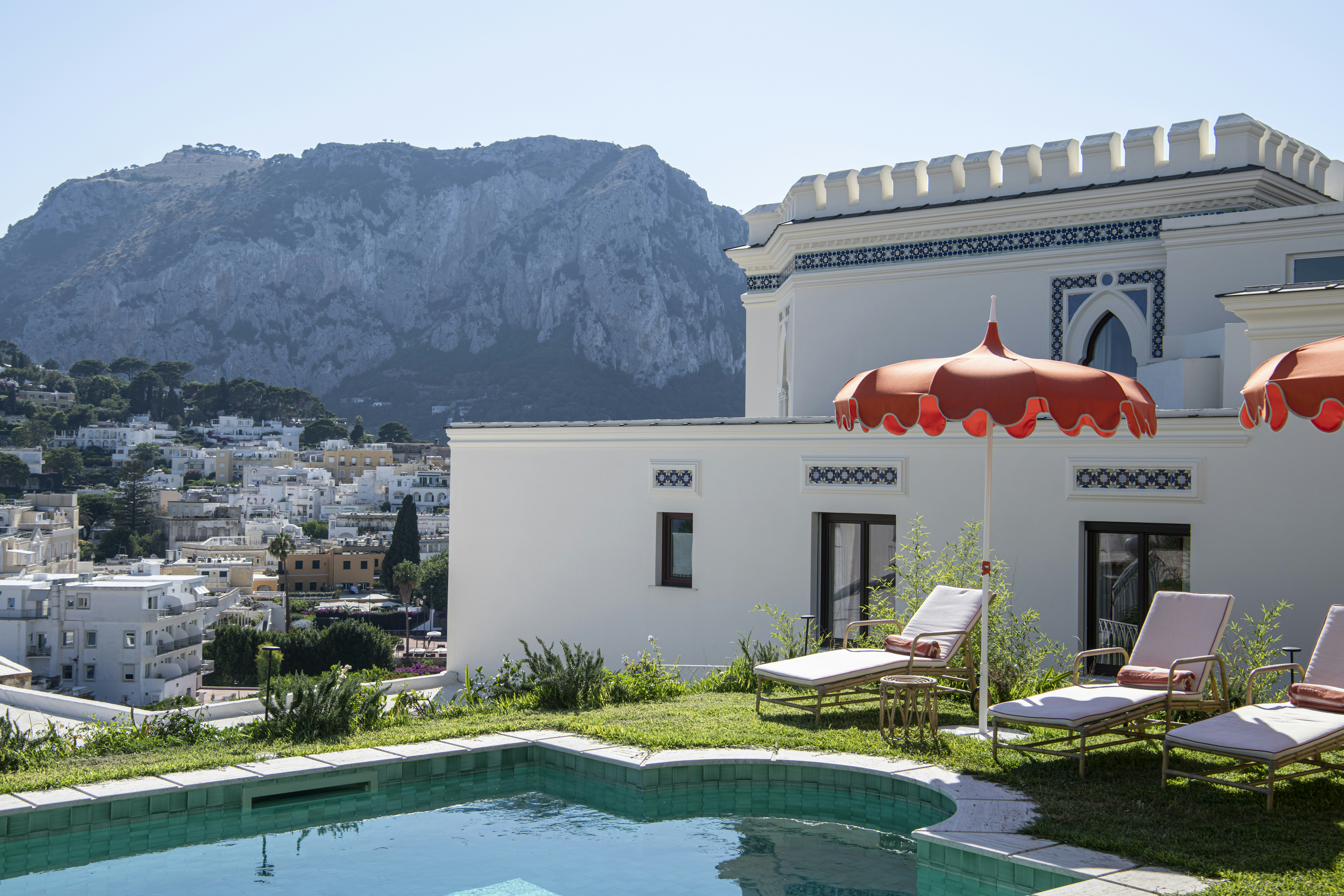
Our edit of hotels to book in October
From a colourful restored villa in glamorous Capri to a private island with overwater villas in Indonesia, October brings a new crop of hotels worth knowing about. These are the openings catching our eye this month – some are historic properties given a new chapter, while others bring contemporary flair