

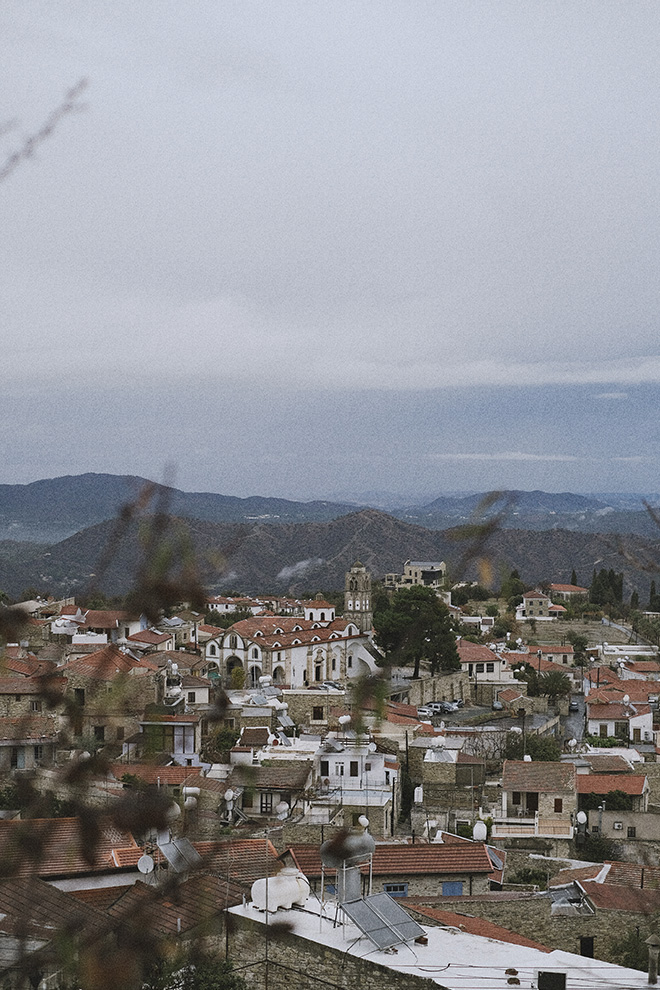
Out of season in Cyprus, Lefkara doesn’t ask for your attention; it earns it by refusing to compete. The streets are narrower than you expect, the stone cooler under your palm than it looks, the air so clean it feels almost deliberate. You hear at your own pace: the sound of a door closing two alleys away, or the small, exact music of a place that is not trying to be elsewhere. In villages like this, time is not a line. It’s a surface. It lies across the day like light across plaster: moving slowly, pausing where it wants.
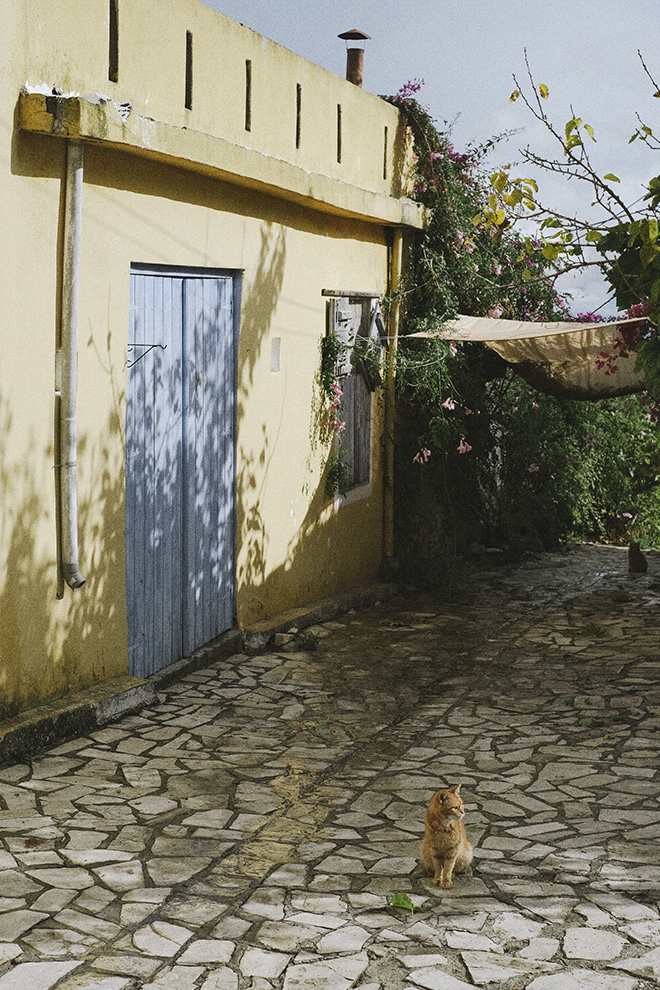
I walk without an aim and keep meeting scenes that feel like they had been left there for me, not staged but simply true: two chairs angled toward each other as if the conversation had only stepped inside for a moment; a blue door set into sun-warmed stone; branches throwing a pattern across a wall so delicate it looks drawn by hand.
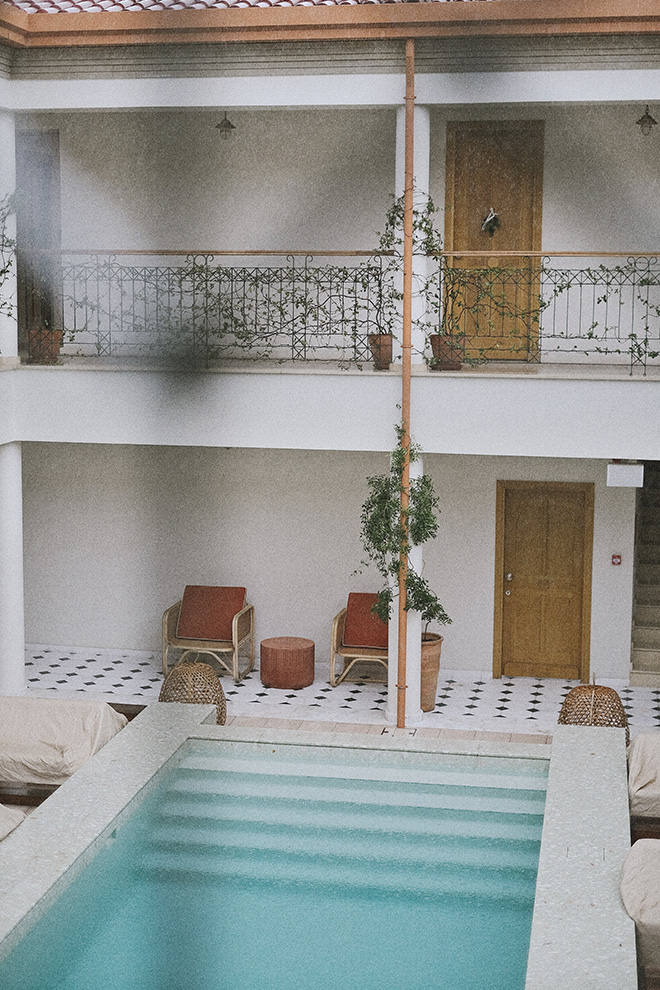
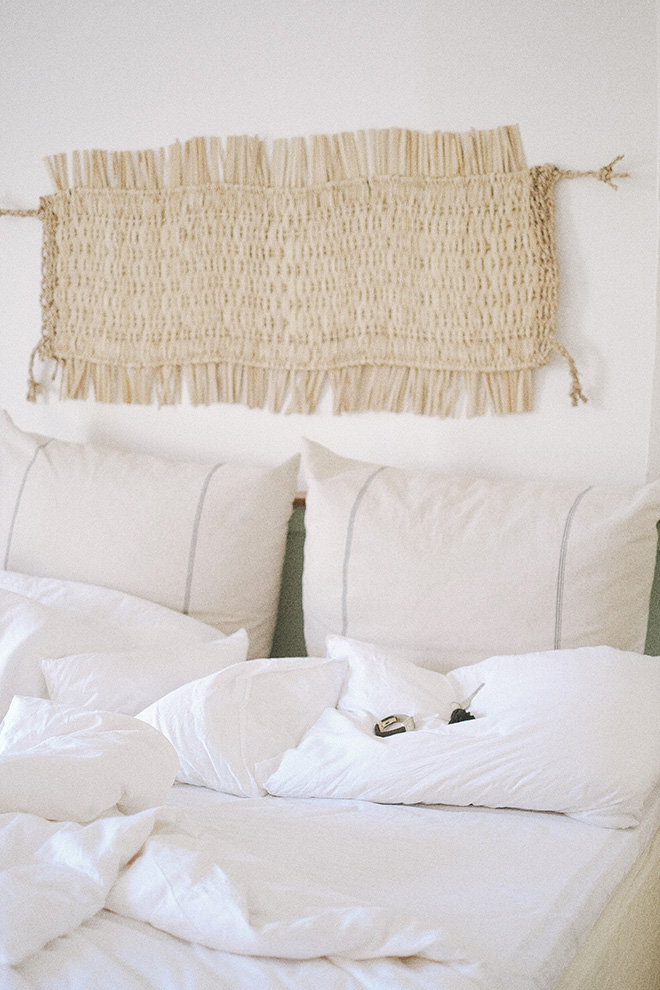
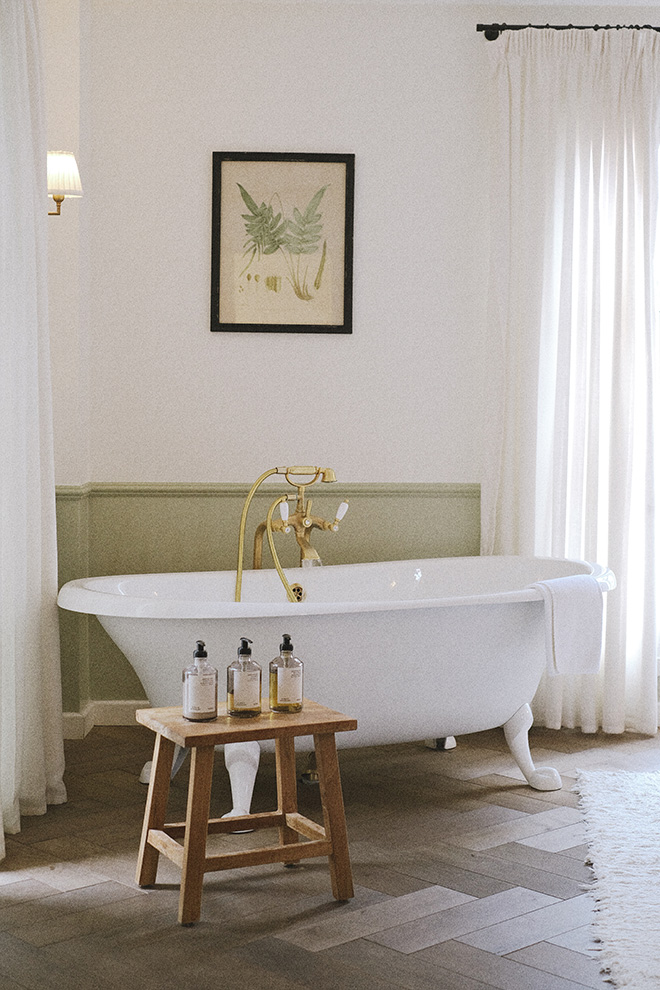
The Agora Hotel
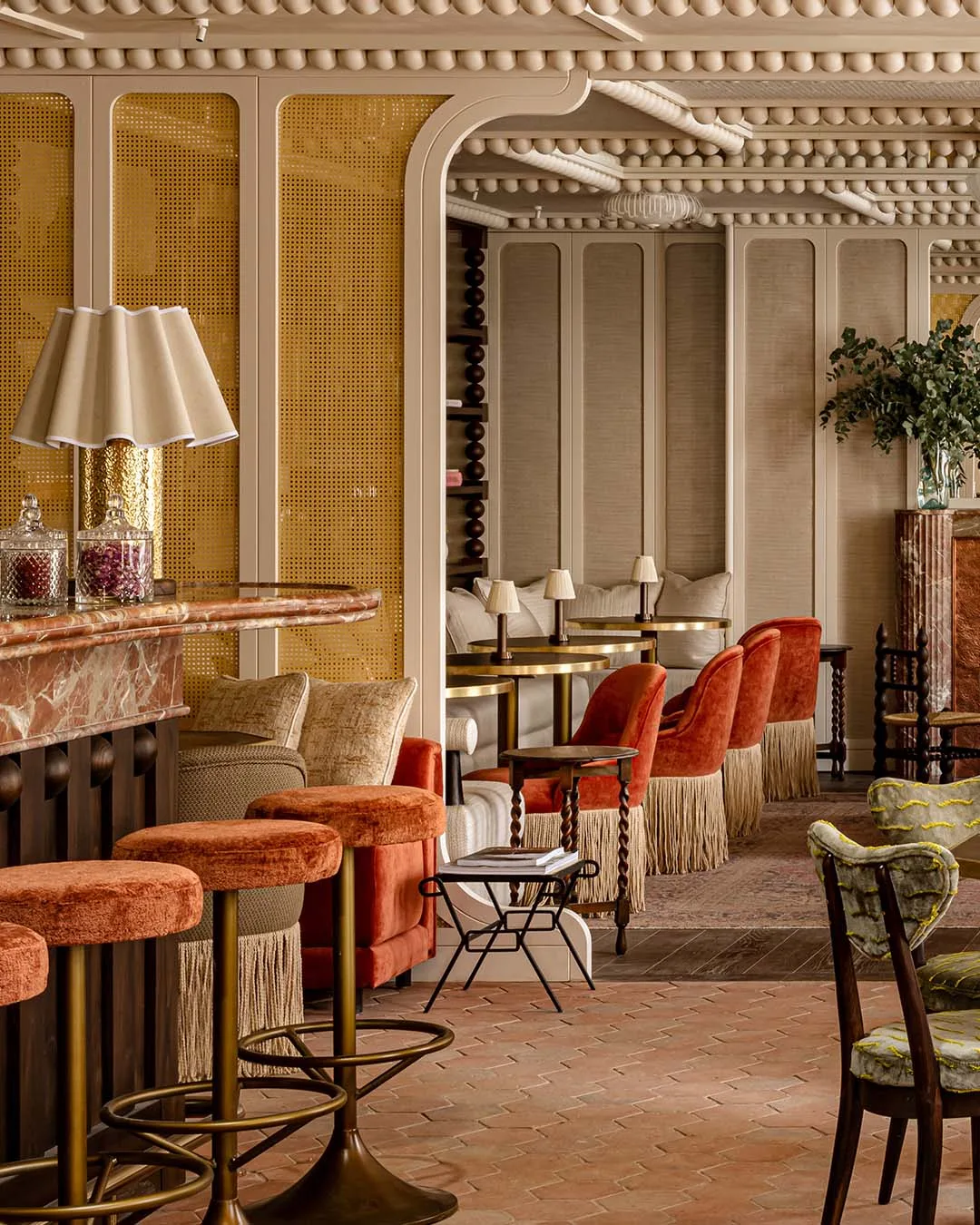
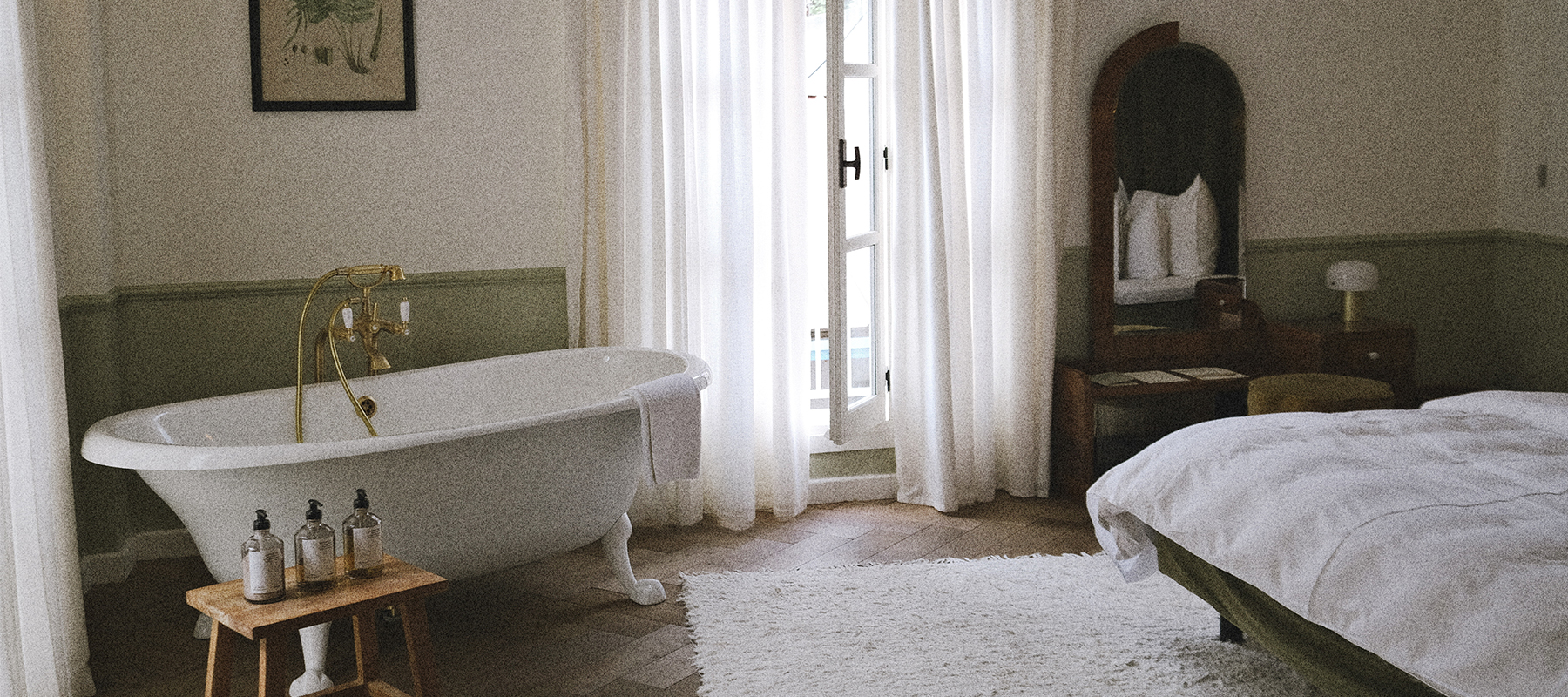
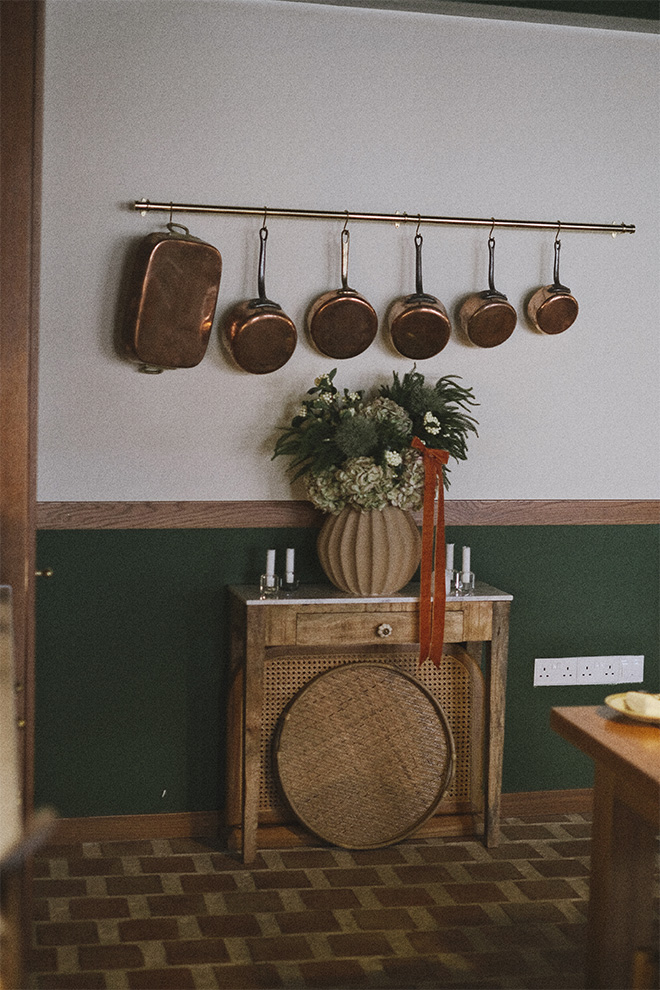
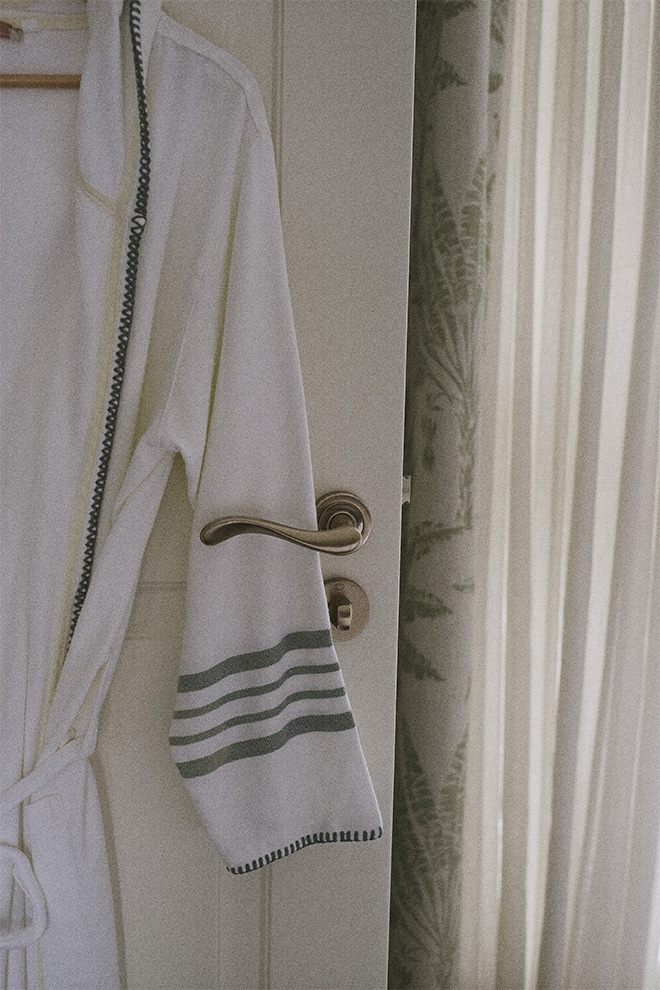
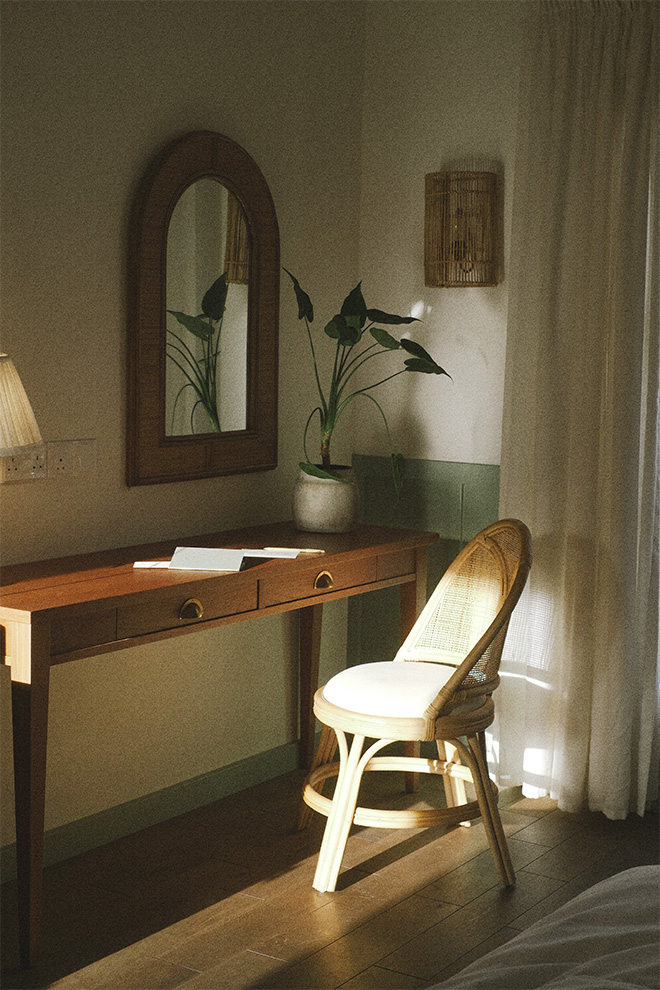
The Agora Hotel sits in the middle of this rhythm like a sentence you don’t want to end. The hush inside is not the quietude of a museum (careful, restrictive) but the sense of calm belonging to a private house late in the afternoon, when someone has just opened the windows and then left you alone.
Even my footsteps soften. I begin to notice the smallest things, which is always the first sign that you’re returning to yourself. The way fabric sounds when you move more slowly. The quiet click of the latch. The difference between silence and stillness.
At night, the village outside dims into a soft darkness, but inside the hotel the light never feels harsh; it is lowered and intimate, like someone has placed it there to protect the evening from the world.
And because my pace has changed, Lefkara changes too. I stop seeing the village as architecture and begin to feel it as a craft. That’s when the villlage’s longstanding lace tradition (known as lefkaritika, a tradition recognised by UNESCO as Intangible Cultural Heritage), stops being a fact and became a sensation. Lace is patience made visible; it is emptiness placed on purpose; it is repetition turned into meaning.
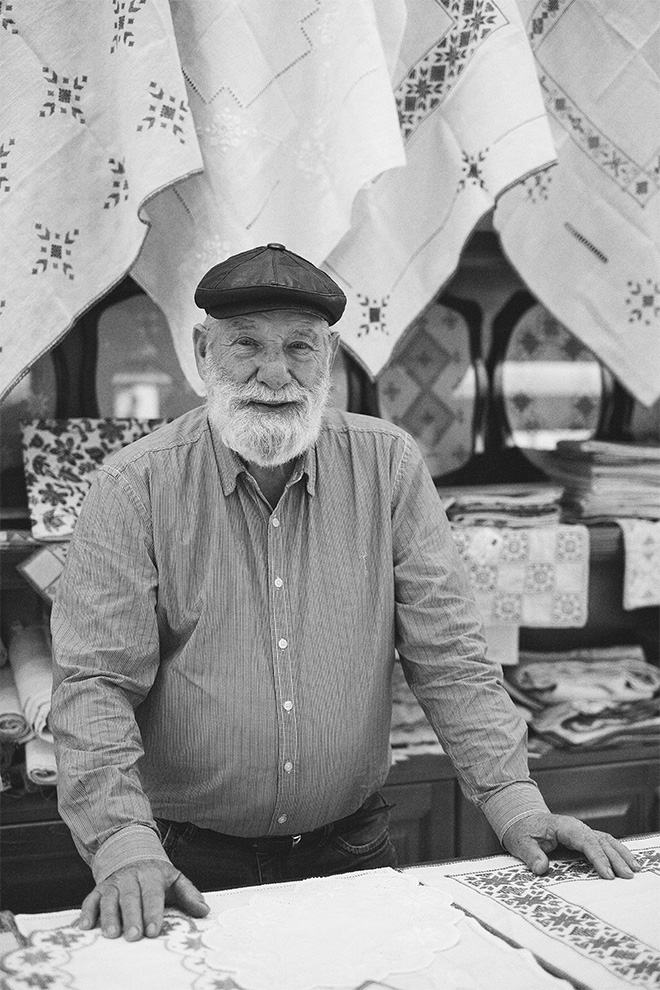
I visit the Rouvis family and feel, immediately, the difference between a tradition that is displayed and a tradition that is lived. It isn’t a showroom. It is a working room. Tools are present without being exhibited. Cloth lies where cloth is laid when it is part of everyday life. Time is not celebrated; it is spent: quietly, faithfully. Michael Rouvis holds his attention the way a candle holds flame in a draft: calmly, carefully, without drama. Watching him work the lace, I realise something that made me unexpectedly emotional: the world doesn’t usually end traditions by attacking them. It ends them by rushing past them. The fragility I feel here isn’t sentimental. It is the simple possibility that a millennial gesture can disappear not because it lacks value, but because it requires what we increasingly don’t give: time.
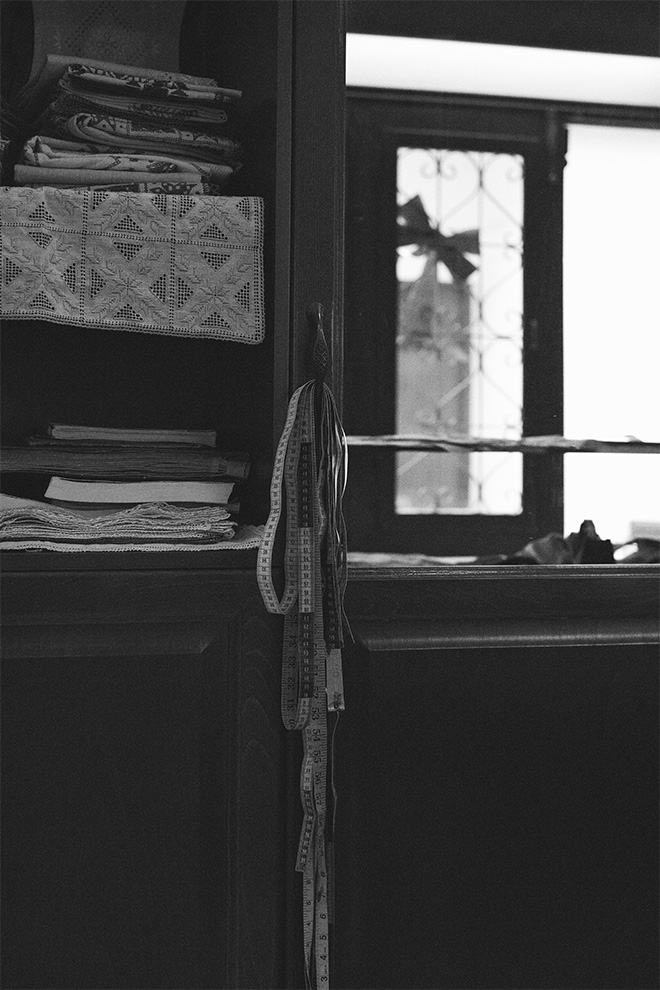
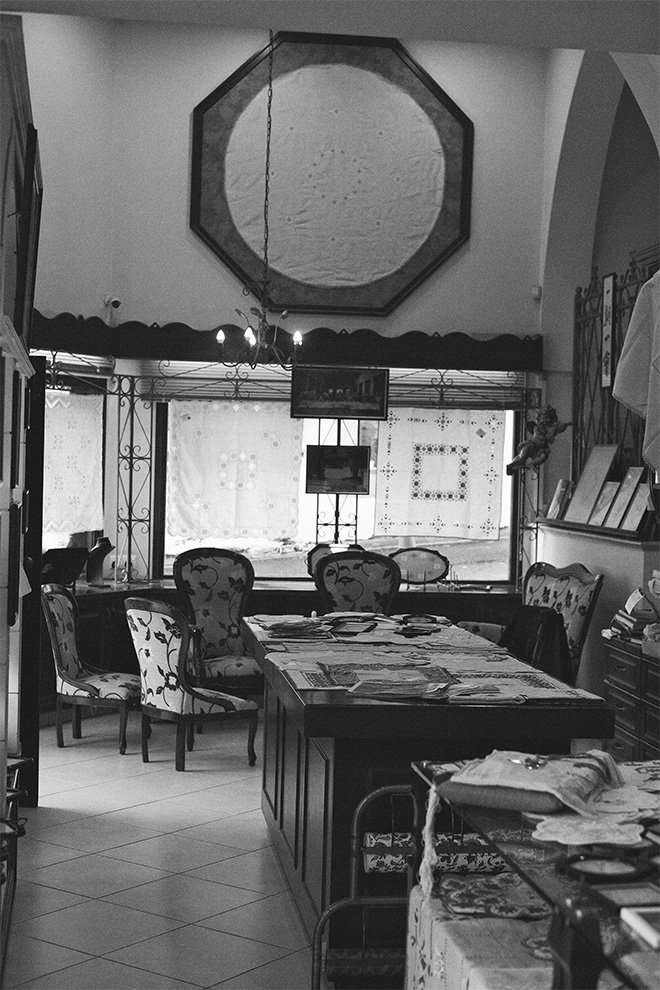
After this, the village looks like lace to me. Shadows stitched across plaster. Vines tracing careful lines up railings. Rooftops repeating a motif against the sky. Even the way the alleys loop back into each other is reminiscent of pattern-work; an intelligence built slowly, over generations, without haste. I keep thinking: this is what I needed. Not an escape: a correction.
That is the thread that ties Lefkara and The Agora together: not my images, not even my itinerary, but a shared belief in care. In Lefkara, care is ancestral: passed hand to hand, point by point. In The Agora, care is contemporary: built into quiet, into light, into spaces that don’t demand anything from you. They are two versions of the same kindness: the kind that doesn’t entertain you, but returns you.
When I leave, I don’t feel ‘refreshed’ in the simple, glossy way travel sometimes promises. I feel reassembled. I carry home a different tempo (subtle, almost invisible) like a fine thread caught on a sleeve. And in the days after, I find myself searching for that tempo again: in the way light moves across a room, in the sound of a door closing gently, in the choice to do one thing at a time.
Share this article
Latest stories
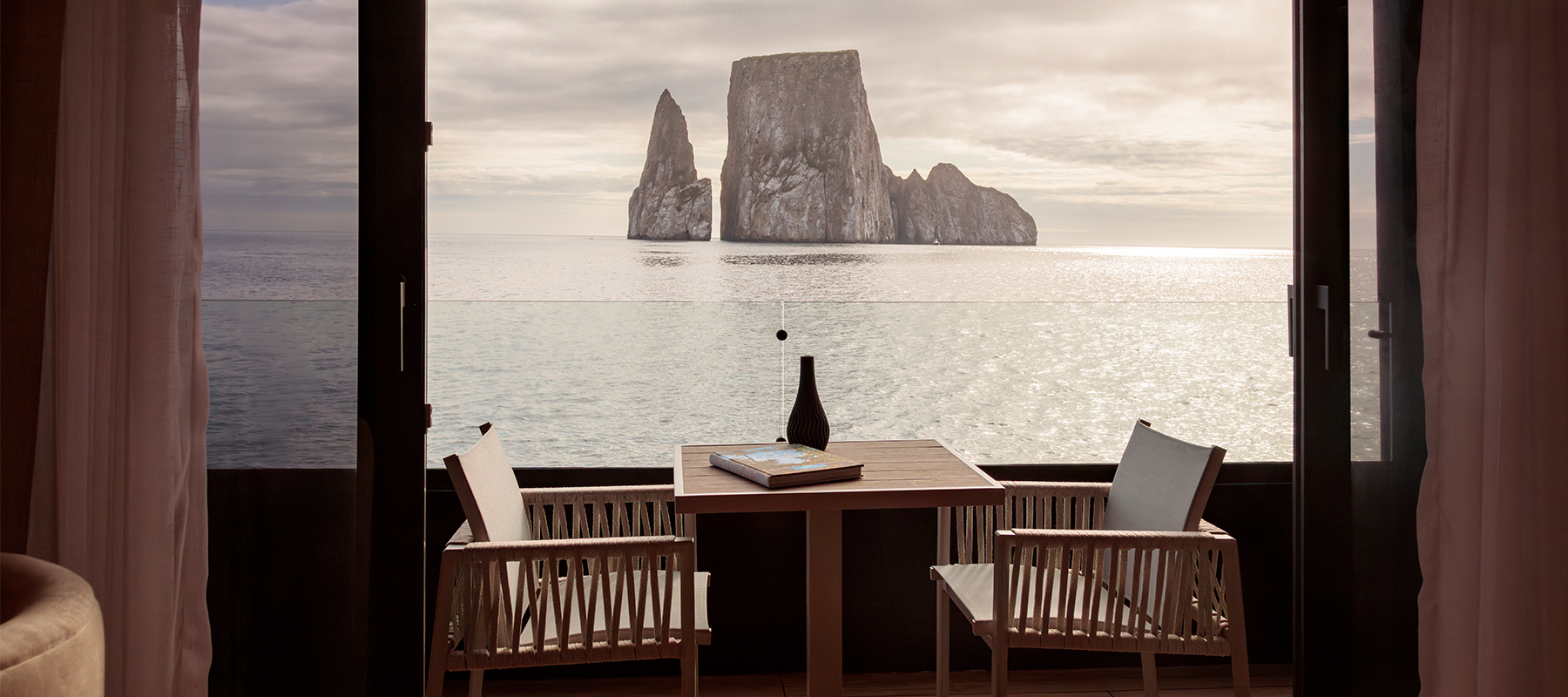
From a dark sky reserve to a tropical catamaran cruise: top boutique stays for March
These hotels play with scale in different ways. Some reduce it — a monastery with 13 rooms, a handful of villas on a vast lake, fewer than 20 guests at sea. Others expand it, offering wide horizons, open water, long sightlines or vertical city views. The result is a collection
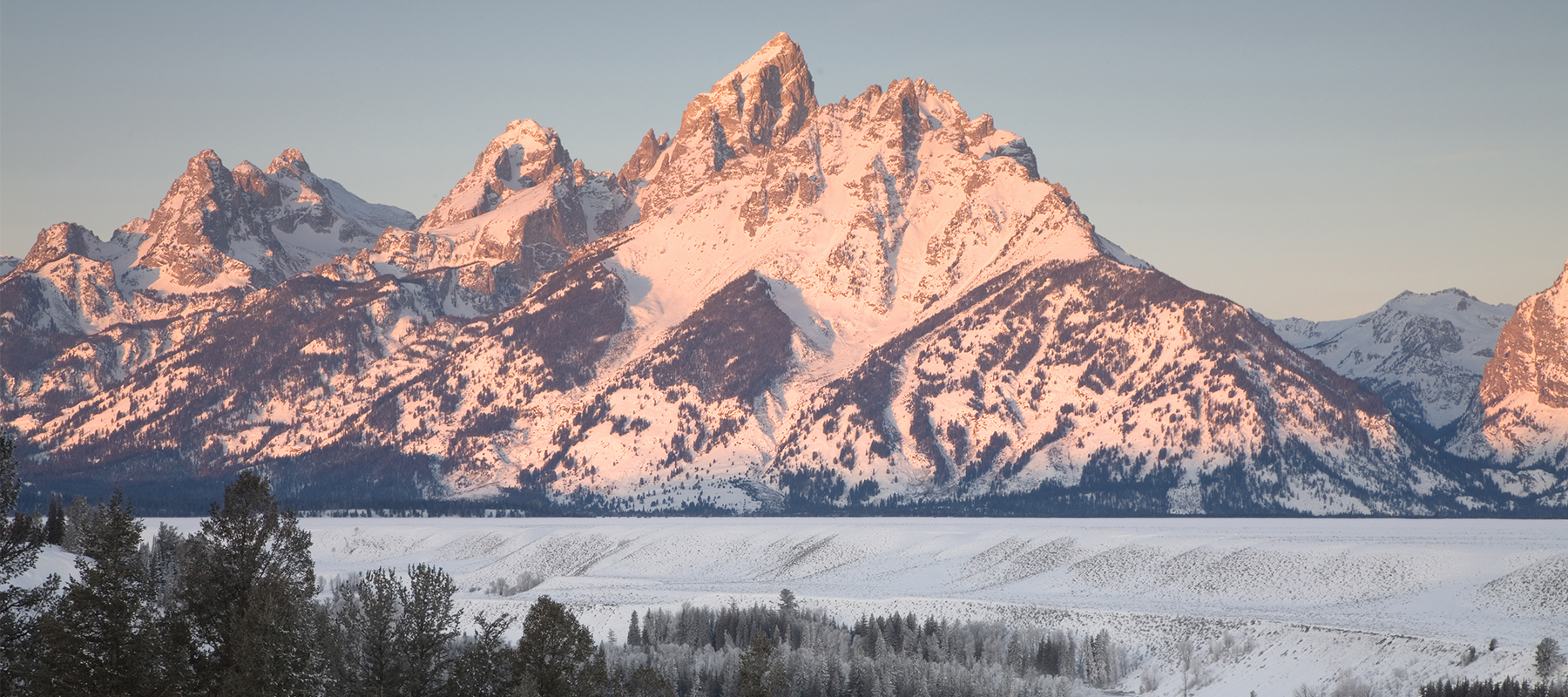
A beloved Jackson Hole lodge reopens for ski season: plus, US mountain hotel top picks
With ski season reaching its peak, discover a revived haven of lofty luxury within the majestic mountain ranges of Teton County, western Wyoming, as a rustic mountain retreat begins a new chapter. The scent of freshly baked cookies still lingers. So does the feeling of being warmly welcomed into someone’s
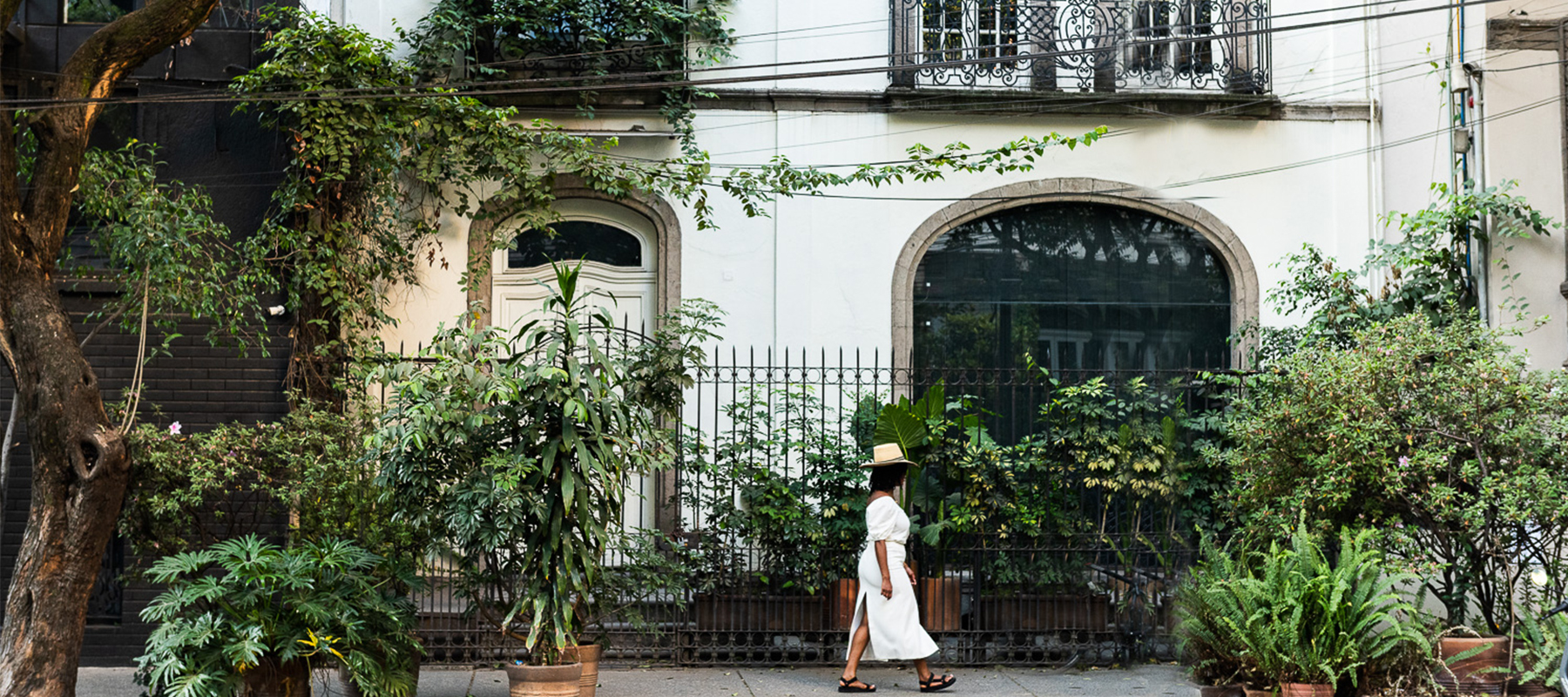
A pocket guide to Roma Norte: Mexico City’s most creative district
Full of characterful, colourful neighbourhoods where culture and cuisine thrive, Mexico City is a magnet for creatives to reside and visit. Condesa remains the go-to for Art Deco architecture and buzzy brunch spots. The bohemian enclave of Coyoacán has long been a refuge for artists. Burgeoning Juárez brings in a
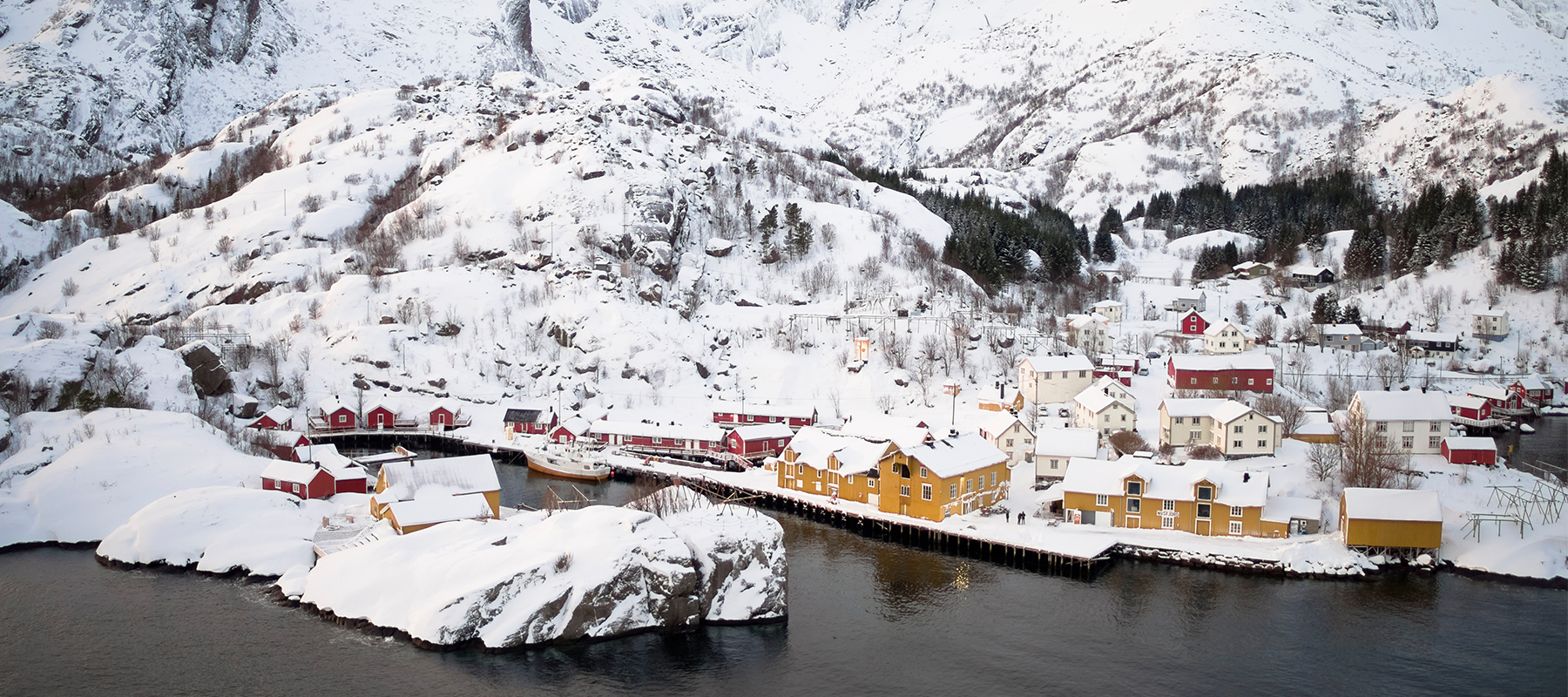
Northern delights: a ‘coolcation’ itinerary across Norway & Iceland
As the train begins its slow, corkscrewing descent into Norway’s Flåm Valley, snow is softening mountain peaks into meringue-like folds. Outside the window, waterfalls freeze mid-cascade, as forests stand still under crystal light. The Flåm Railway — a staggering feat of engineering — feels like a portal into another season,