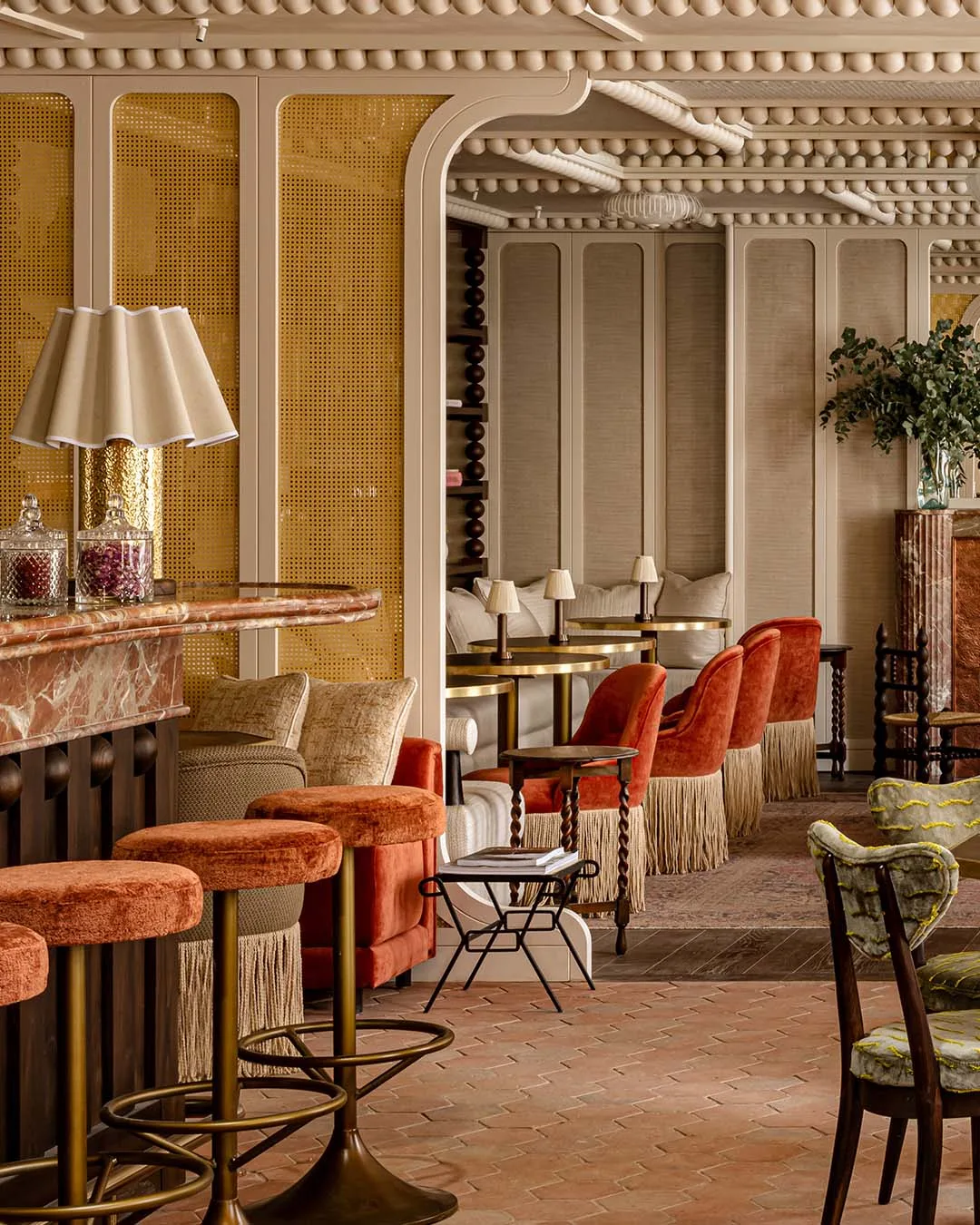


There’s something about Sicily that sticks with you. On your skin, in your camera roll, in how quickly you develop opinions about brioche. The island is full of contrasts: volcanic cliffs and citrus groves, peeling paint and polished marble, sea urchins eaten on plastic plates next to grand old cafés that look like they haven’t changed since the 1950s.
And the food — it gets under your skin. Simple ingredients — mozzarella from the Madonie Mountains, sun-ripened tomatoes. Basic, but somehow better here.
Breakfast in Sicily...
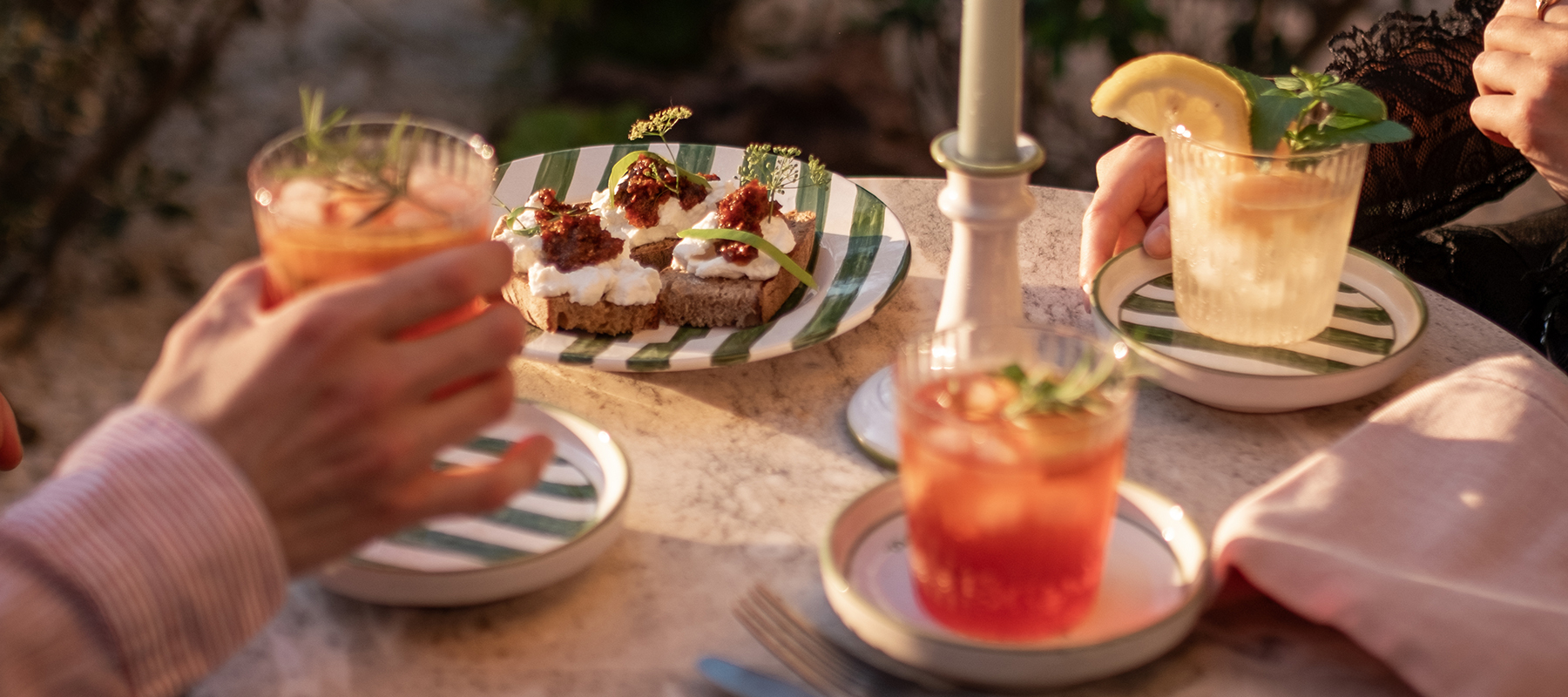
…is not something you rush. It’s granita and brioche, eaten slowly while the day warms up. The almond version is grainy, fragrant. Pistachio, though — that’s next level, and if you can find a place that adds a layer of cream on top, you’re onto a winner.
Meals are slower...
…louder, dictated by season and mood. There’s no performance — just pride. What’s on the plate depends on where you are, who’s cooking, and what was fresh that morning.
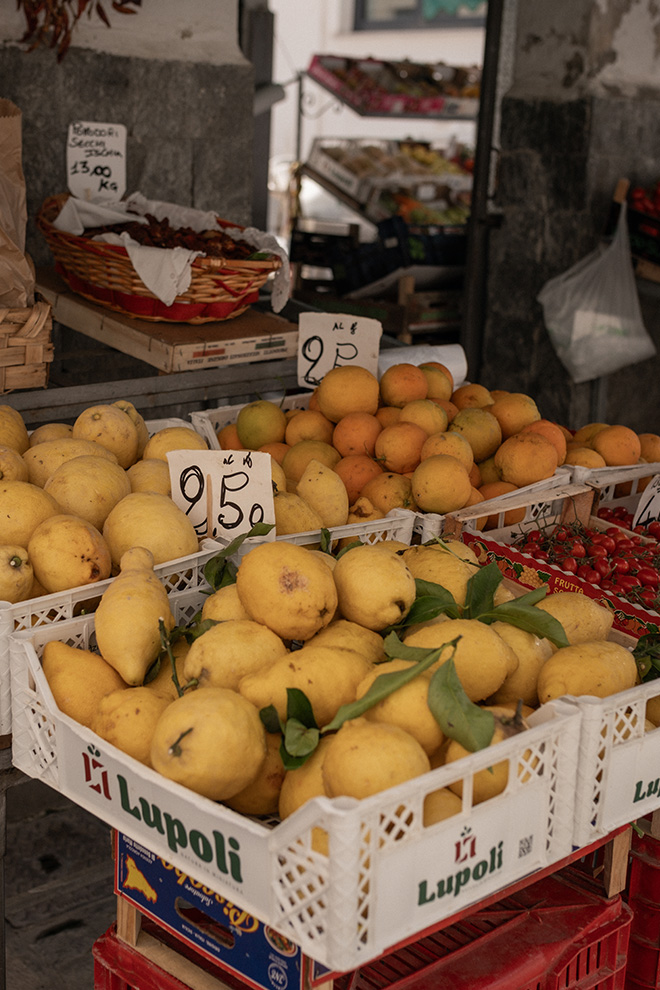
In Palermo...
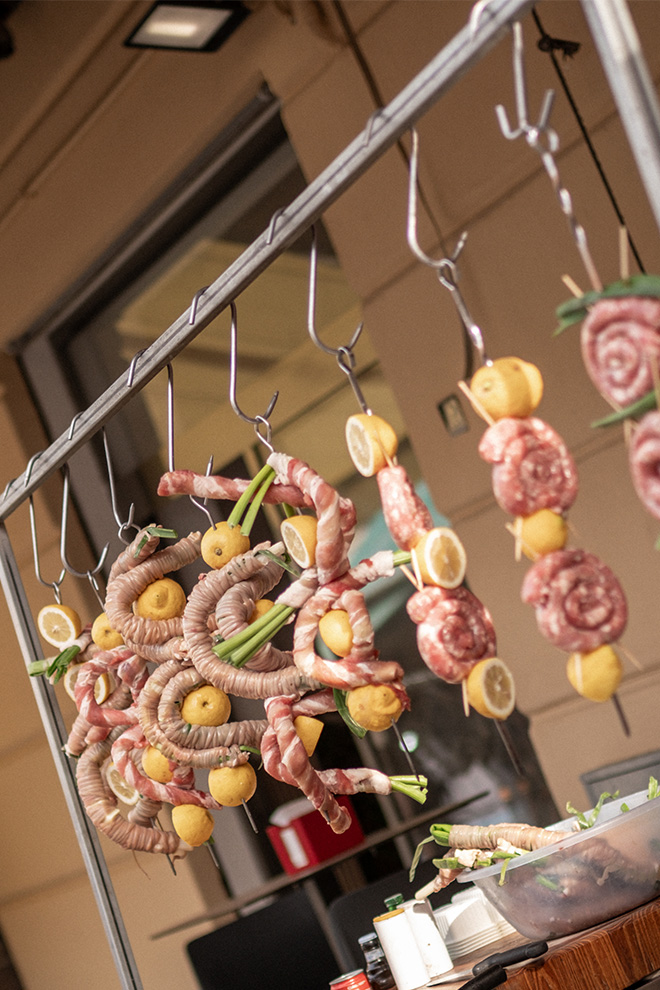
…you eat standing up. Under strip lights, in the street, between conversations. Pane ca’ meusa (the ‘spleen sandwich’) isn’t there to be reinvented — it just exists. The arancini are the kind of hot where you know you should wait, but don’t. Crispy outside, lava inside — totally worth the burn.
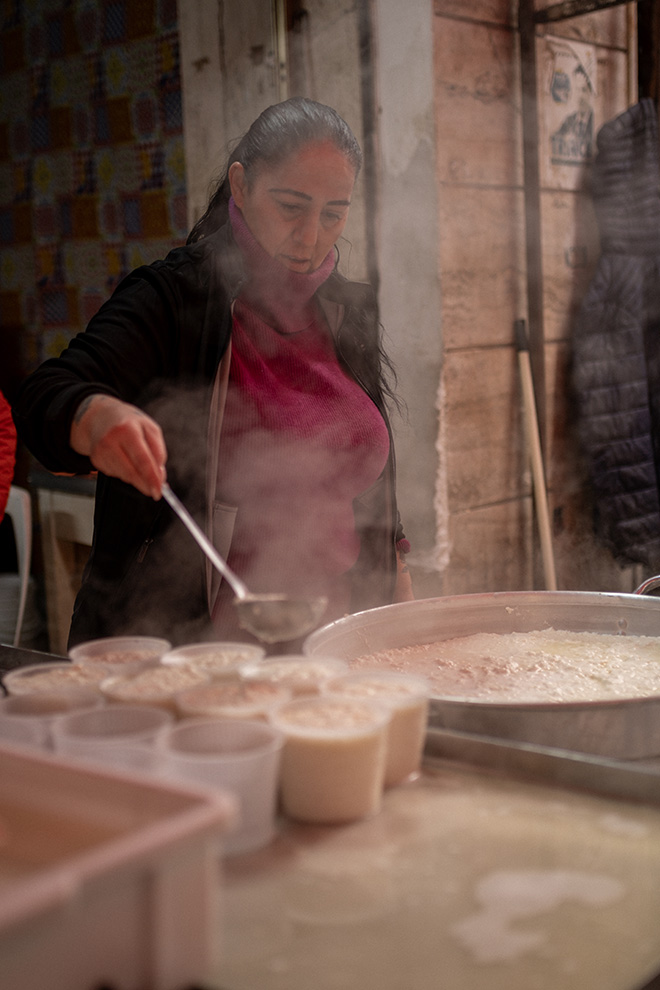
The food markets aren’t aesthetic, they’re alive. Men shout prices over crates of prickly pears. Tourists and locals weave through the same narrow lanes. Vendors practically force-feed you samples, and you oblige. It’s chaotic but perfect.
Beyond the markets...
…trattorias give you a different pace. Pasta alla Norma shows up almost everywhere — fried aubergine, sweet tomato, salted ricotta. In Ortigia, there’s swordfish with lemon and olive oil. Wild fennel, pine nuts, raisins appear throughout Sicily. Sardines wrapped in breadcrumbs and citrus — sarde a beccafico — a humble dish found all over the island.
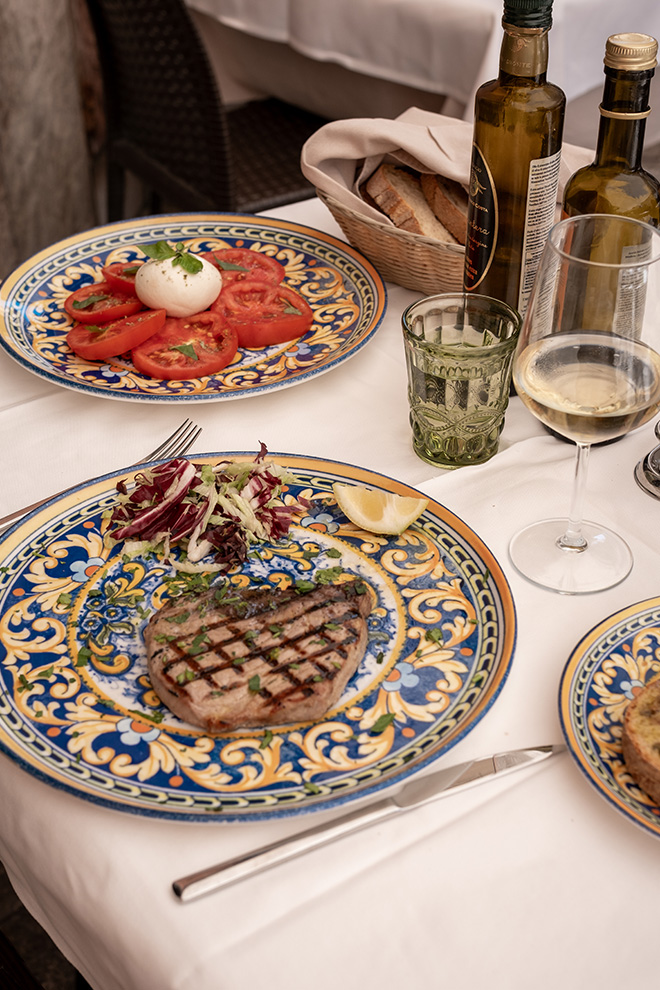
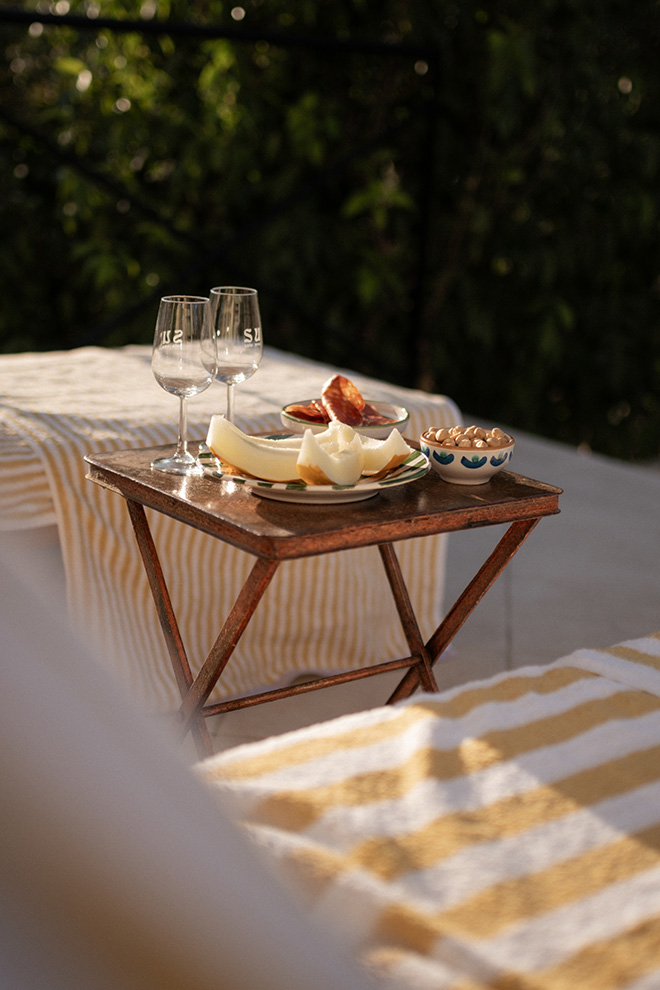
What’s on the plate depends on where you are, who’s cooking, and what was fresh that morning.
Cannoli are filled at the last second with proper ricotta — cool, whipped. Anything pre-filled is basically criminal. No one’s trying to impress you. Which, of course, is exactly what makes it so good.
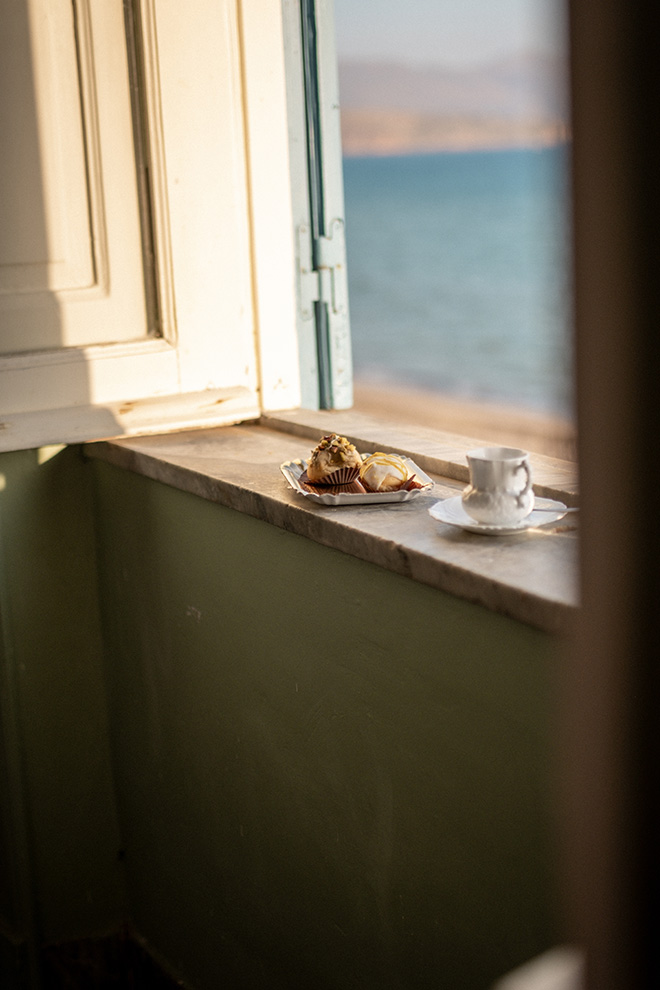
You find yourself craving breakfast before you’ve even gone to bed — pistachio cornetti, almond granita, brioche still warm. Not bad for someone who never eats breakfast at home. Even your coffee changes. After the third slow, “Oat-a meelk??” — said like you’d just insulted their grandmother — you stop asking. You try horsemeat because, well, when in Sicily. It’s not for everyone, but the Sicilian guy you’re into doesn’t bat an eyelid. By the time you leave, you’re full, a little sunburnt, and quietly hooked — not just on the food, but on the place itself.
WHERE TO STAY IN SICILY

Donna Carmela Resort & Lodges
Book now
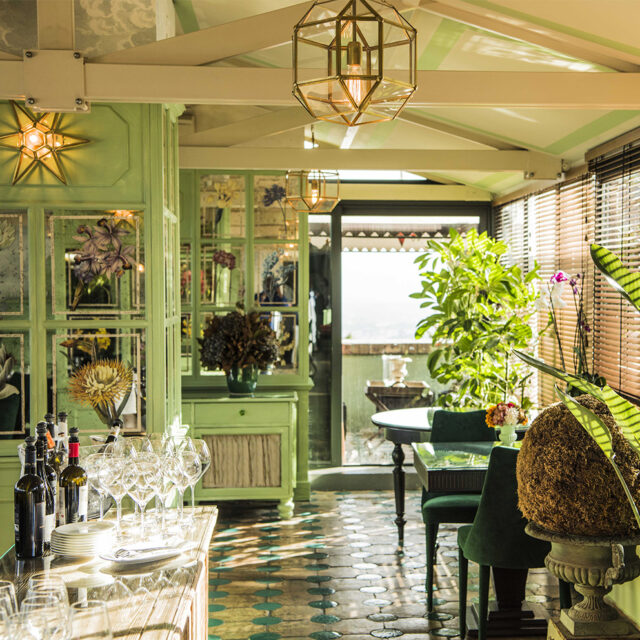
Hotel Villa Carlotta
Book now
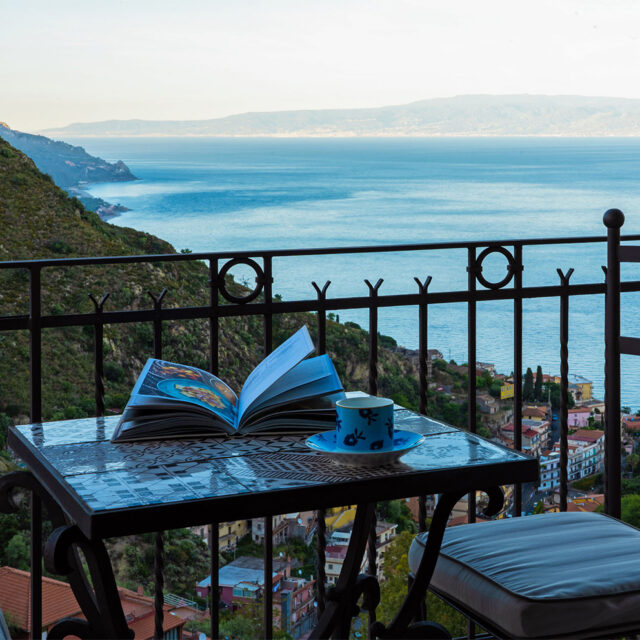
Hotel Villa Ducale
Book now
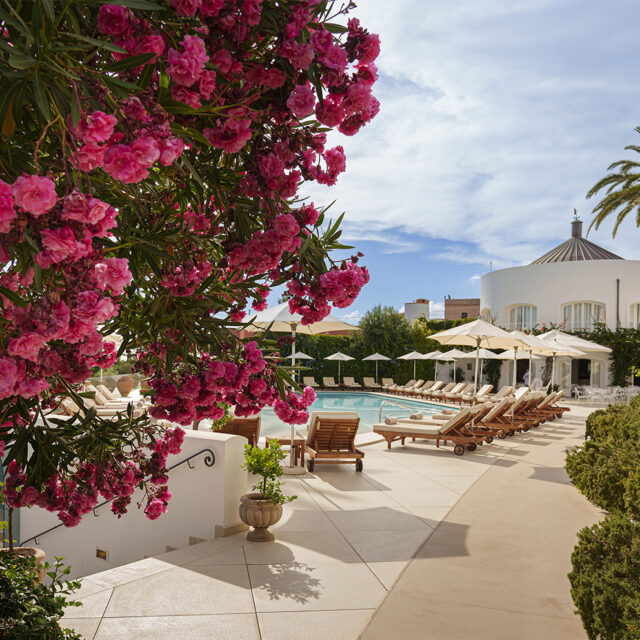
Le Calette N°5
Book now
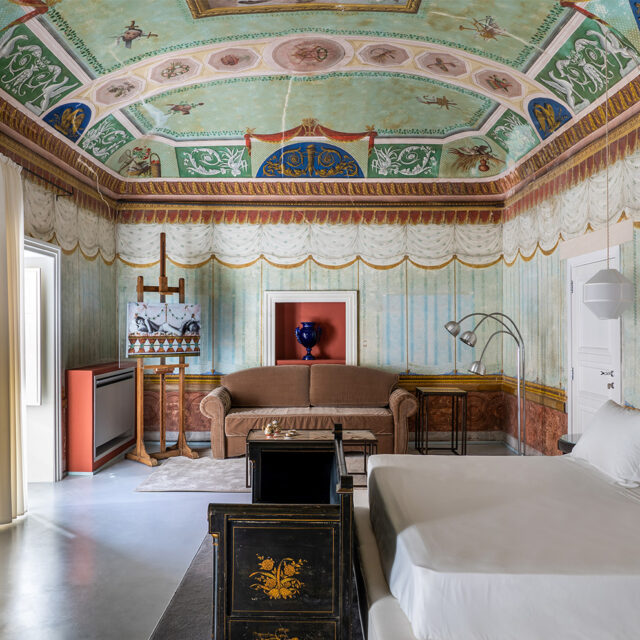
Q92 Noto Hotel
Book now
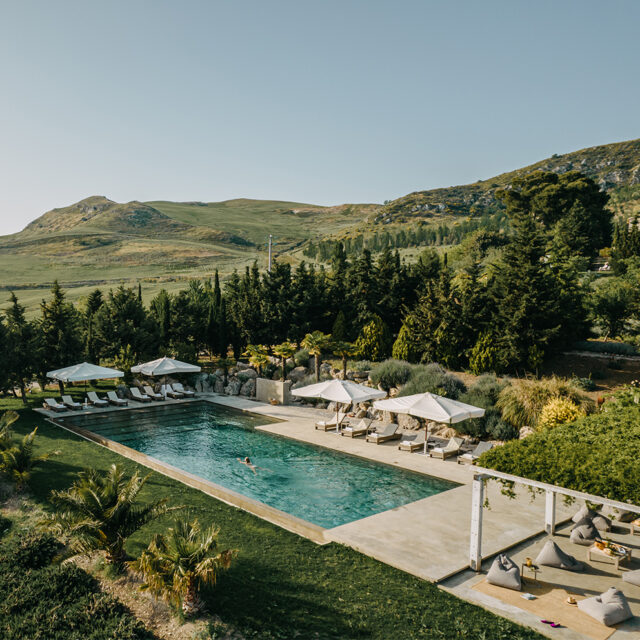
Susafa
Book now
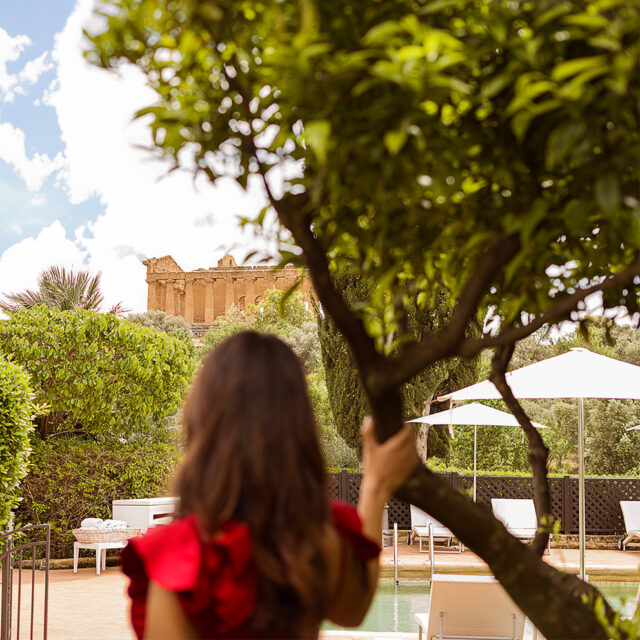
Villa Athena Resort
Book now
Latest stories
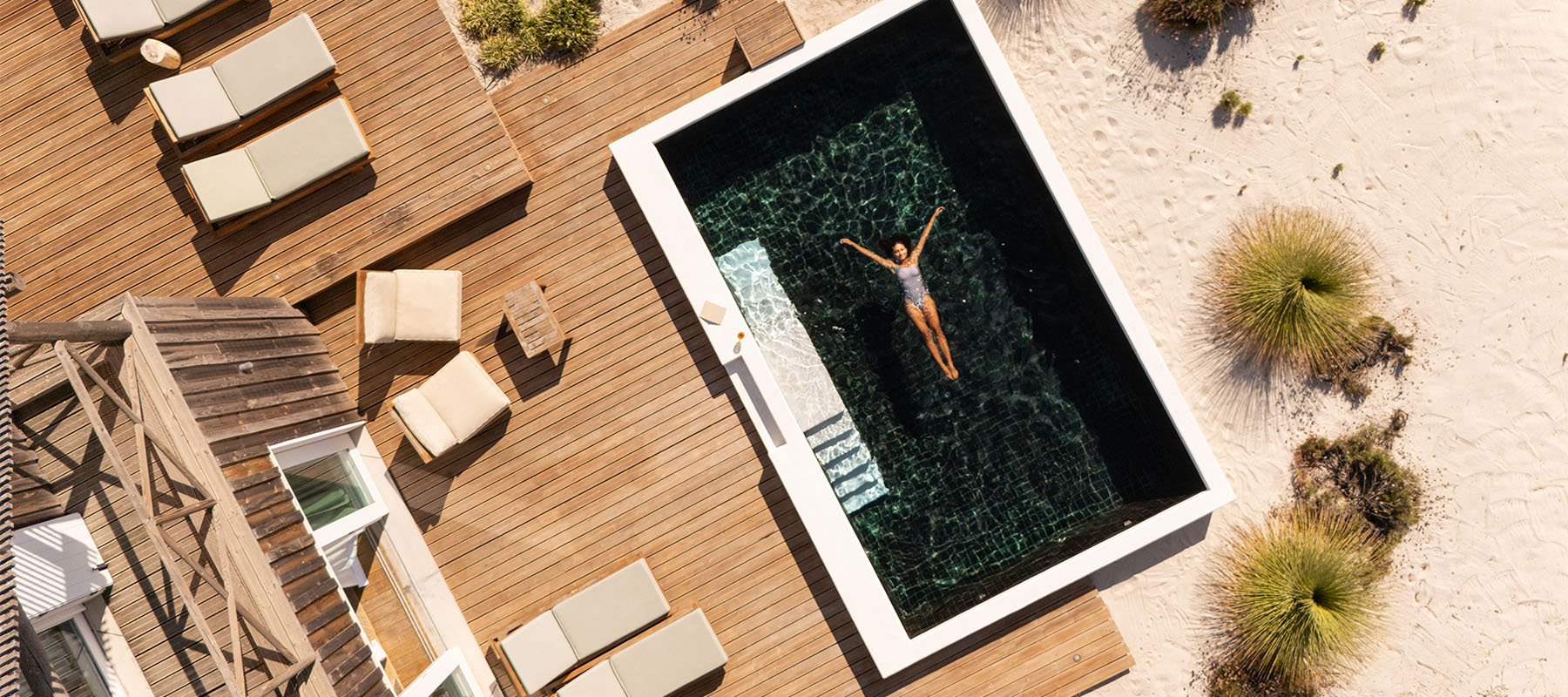
A wellness-boosting itinerary through Portugal: from the Algarve to Alentejo
Beyond the Algarve’s beach umbrellas and Lisbon’s tiled alleys lies a version of Portugal where nature leads and wellbeing follows. These wilder corners offer stillness, slowness and something that’s increasingly sought-after by today’s travellers — a deep and meaningful connection to nature.

Why sailing the Nile by dahabeya is the most timeless way to experience Egypt
Aboard the beautiful Storia the Dahabeya, a four-day journey down the Nile comes to life with a thousand senses, from the snap of linen sails to the scent of sun-warmed papyrus drifting on the wind. We glide past palm-fringed banks and golden temples that continue to glow at dusk. Gentle
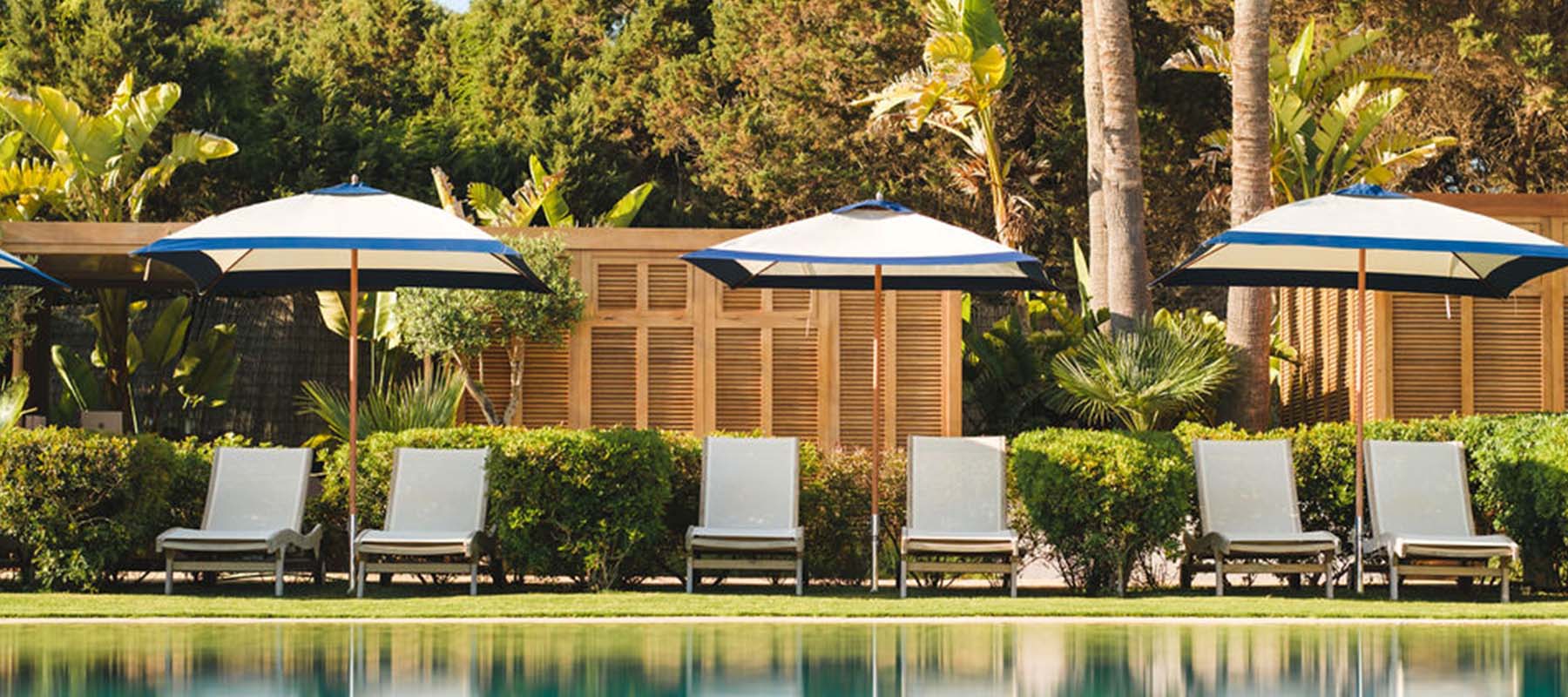
In with the new: from vineyard retreats to island hideaways these are the hotels on our radar in April
Spring brings a renewed sense of movement and with it, travel that feels both restorative and enriching. Some stays are steeped in nature, from Finland’s forested stillness to Corsica’s sunlit groves, while others unfold among the vineyards of California, Piedmont and beyond. Elsewhere, island rhythms take hold in Rhodes and
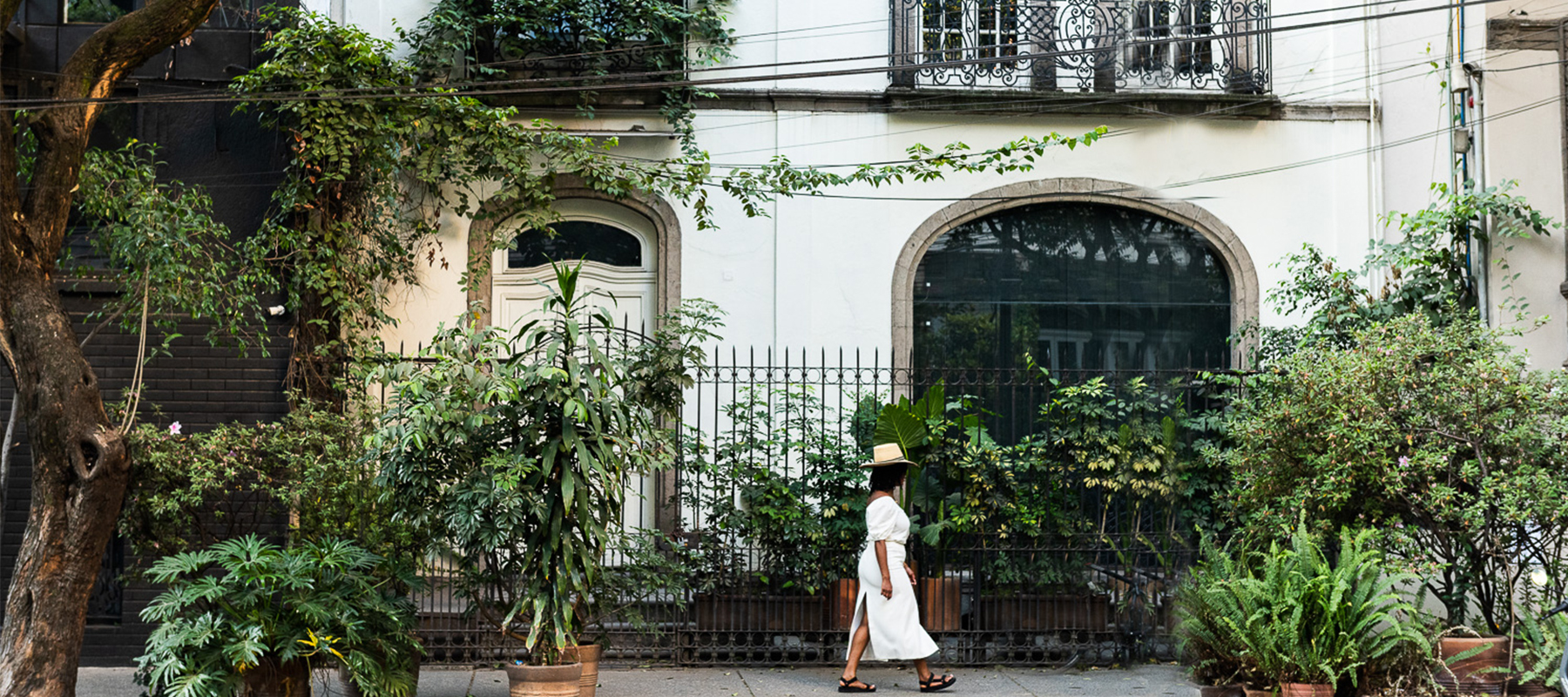
A pocket guide to Roma Norte: Mexico City’s most creative district
Full of characterful, colourful neighbourhoods where culture and cuisine thrive, Mexico City is a magnet for creatives to reside and visit. Condesa remains the go-to for Art Deco architecture and buzzy brunch spots. The bohemian enclave of Coyoacán has long been a refuge for artists. Burgeoning Juárez brings in a