
From a Japanese island retreat to a Danish coastal hideaway, these seven hotels offer distinctive ways to experience their surroundings. Each brings its own perspective on design, wellbeing and a sense of place, whether in the mountains, by the sea or among the landscapes of the Mediterranean.
Helenekilde Badehotel, Denmark
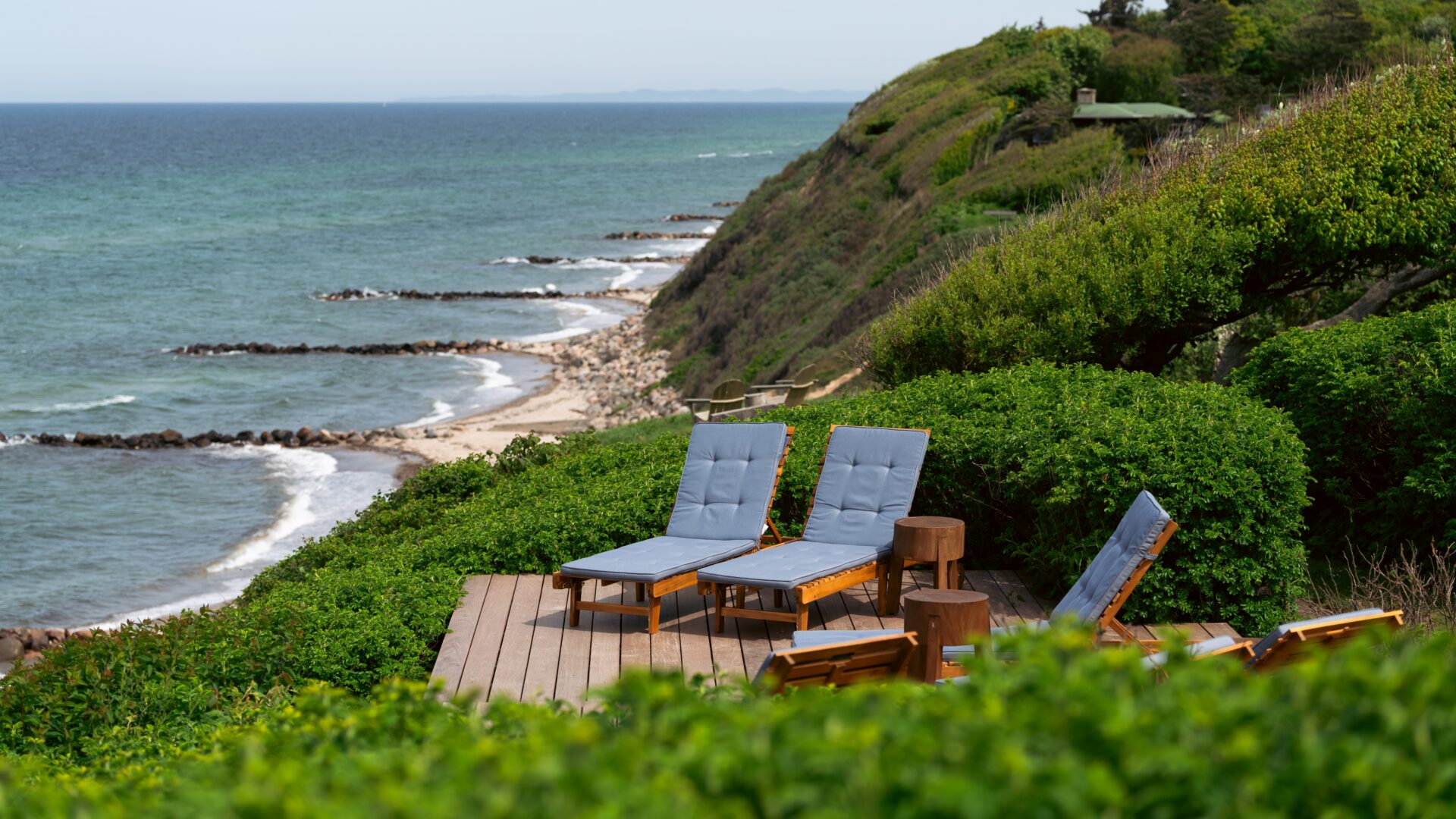
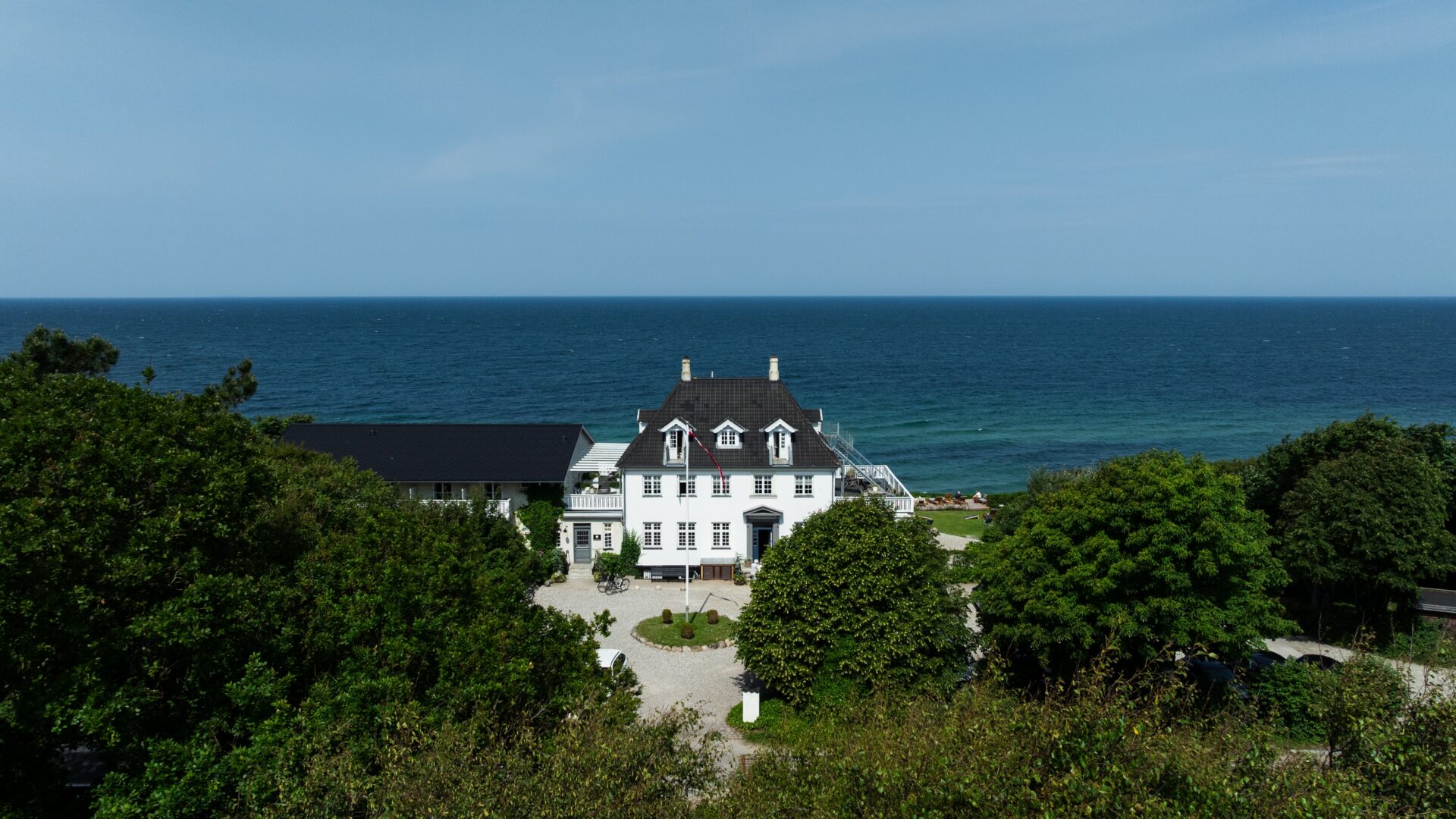
Originally built as a private summer residence, Helenekilde Badehotel has been welcoming guests since 1904. The 27-room hotel sits on a coastal bluff in Tisvildeleje, a former fishing village on the Danish Riviera, with views across the Kattegat Sea. Its rooms mix mid-century furniture with English country-house touches, while sea-facing suites open onto balconies where you can watch the clouds shift and the light transform the landscape. Days might involve a swim followed by the hotel sauna, or a bicycle ride through the nearby Tisvilde Hegn forest. Come late afternoon, a glass of wine sets the mood for dinner at Restaurant Kilden.

Helenekilde Badehotel in Denmark
Hotel Elements Tatranská Lomnica, Slovakia
At the foot of Lomnický Peak in Slovakia’s High Tatras, Hotel Elements Tatranská Lomnica takes its design cues from the mountain landscape and the five elements of Feng Shui: fire, water, wood, metal and earth. Its 46 rooms, suites and apartments suit everyone from couples on a hiking break to families travelling with children. The cable-car station is nearby, giving direct access to high-altitude trails and winter ski terrain. Back at the hotel, an indoor-outdoor pool, saunas and a tepidarium offer a counterpoint to the mountain air, while Elements Bistro combines Slovak specialities with international dishes.
THE PASONA Natureverse Retreat, Japan
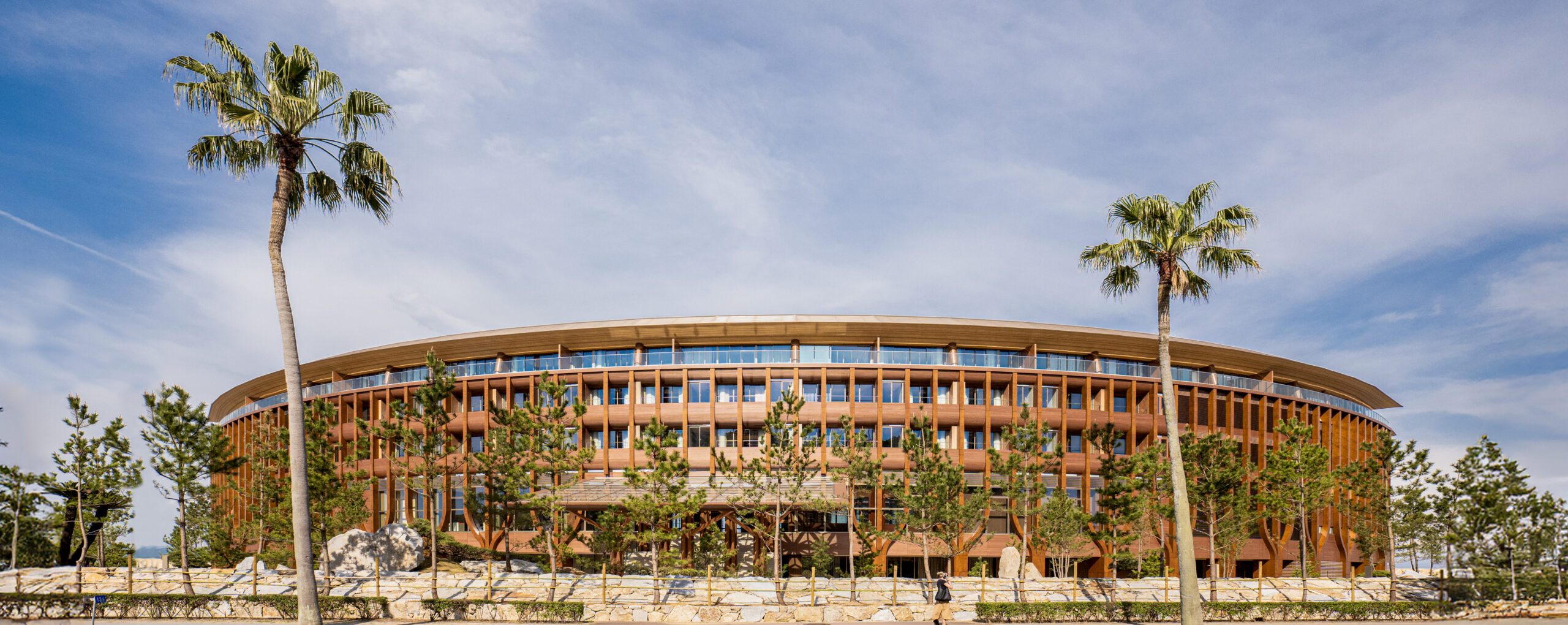
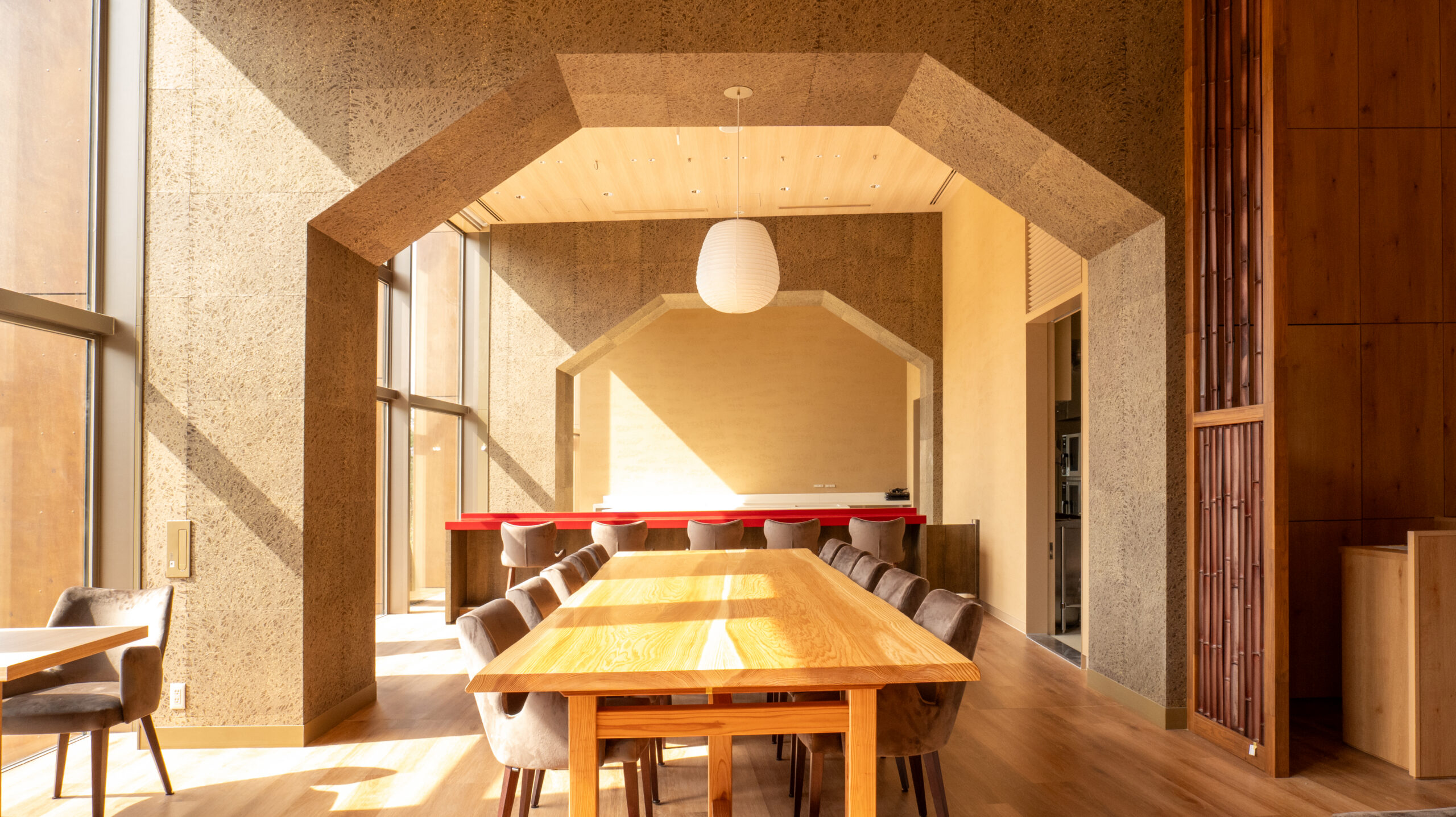
On Japan’s Awaji Island, THE PASONA Natureverse Retreat brings architecture, food and preventative wellness together under one roof. Designed by architect Shigeru Ban, the 57-room property uses natural and recycled materials, with interiors that pair Japanese sensibilities with European influences. Its approach to wellbeing goes beyond the usual spa menu, incorporating thalassotherapy, yoga, meditation and programmes developed with health specialists. There are five restaurants, including Terre, where French culinary techniques meet Japanese methods of smoking, fermenting and preserving ingredients. Bedrooms even have their own hinoki wood baths for quiet endings to each day.

THE PASONA natureverse retreat in Japan’s Awaji Island 
Hôtel Ha(a)ïtza, France
A landmark of Pyla-sur-Mer since the Thirties, Hôtel Ha(a)ïtza was reimagined by Philippe Starck in 2016, retaining its distinctive neo-Basque architecture while introducing a sharper, contemporary interior. The 38 rooms, suites and apartment are arranged around light-filled spaces, with natural wood softening the monochrome palette. A glass-roofed swimming pool opens onto the gardens, while the spa, hair salon, patisserie and cocktail bar make the hotel a destination in its own right. Dining is a particular strength: the property has three restaurants, including a fine-dining address with two Michelin stars. The vast Dune du Pilat, Europe’s tallest sand dune, is a short drive away.
Santorini Sky, Greece
On Prophet Elias Mountain, Santorini Sky offers a different perspective on one of Greece’s most recognisable islands, more typically associated with its caldera villages. Its private villas sit around 600 metres above sea level, with expansive terraces, floor-to-ceiling windows and far-reaching views across the Aegean. Interiors are contemporary and pared back, leaving the landscape to do much of the work; some accommodation includes a private Jacuzzi or infinity pool. At the Sky Dome, a glass structure tucked into the gardens provides an unusual place to take in the island’s volcanic contours. The Sky Lounge serves breakfast, brunch and complimentary snacks, while the elevated setting keeps the experience distinctly removed from the busier coastal spots along Perivolos.
Toile Blanche, France
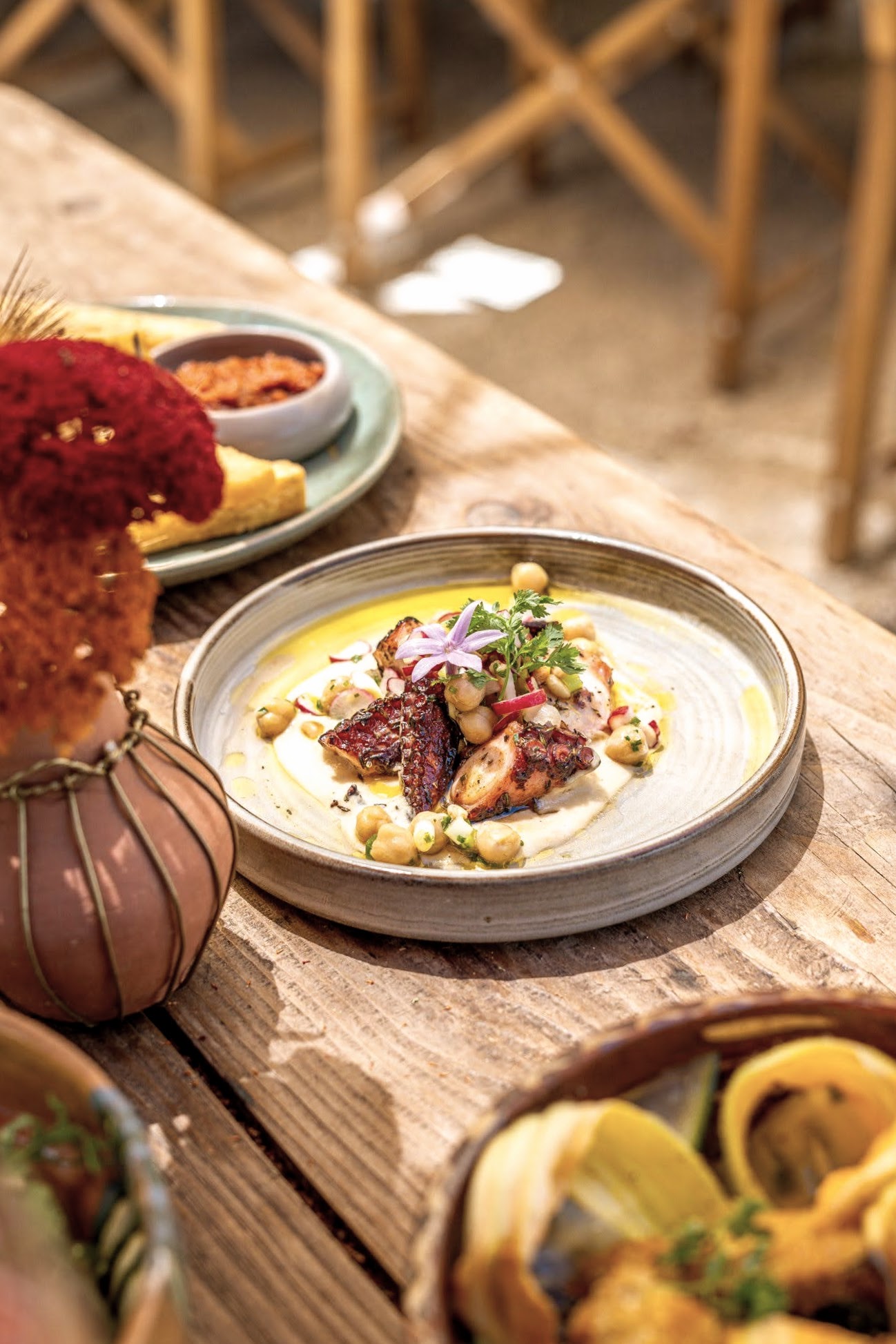
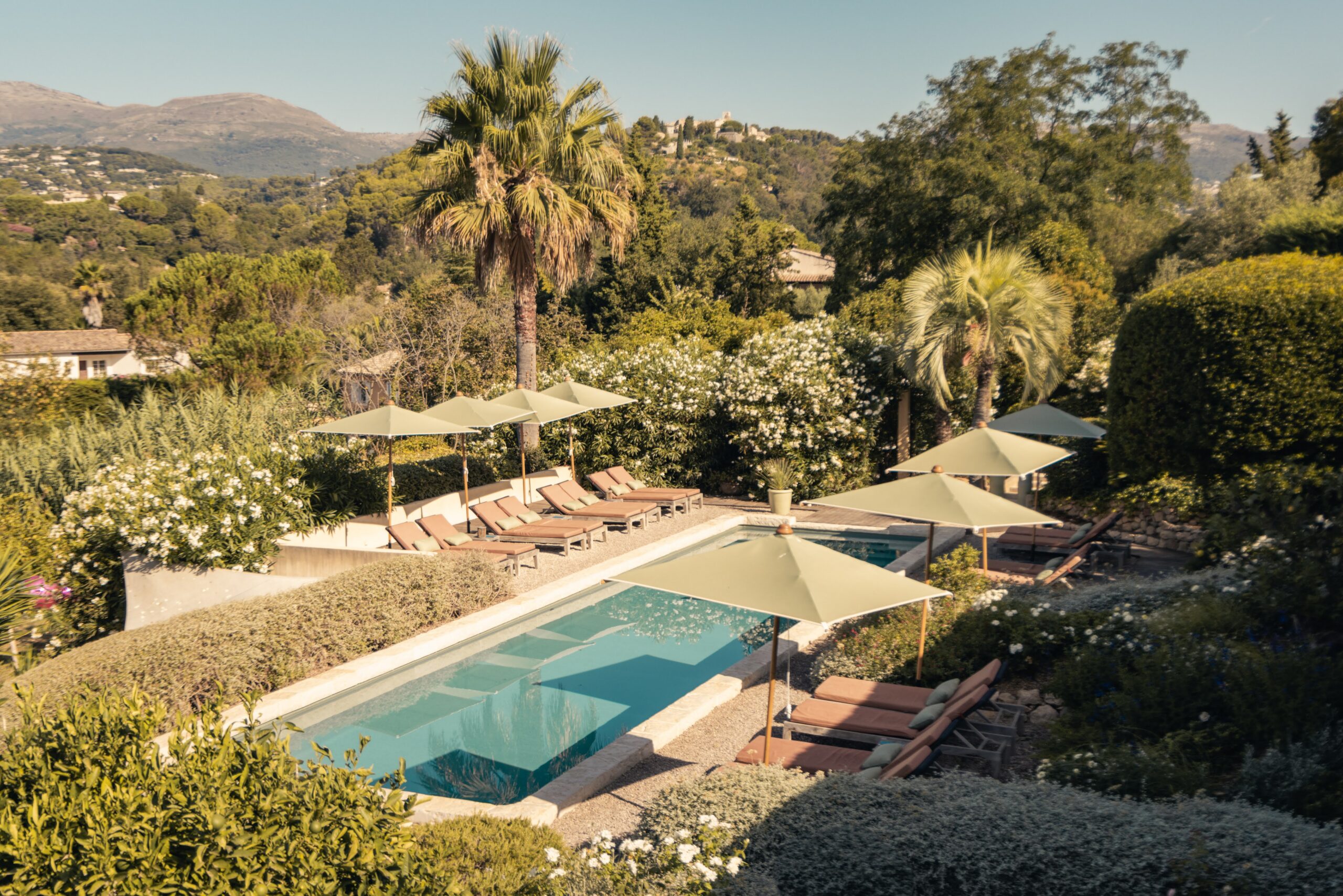
Occupying seven buildings on the outskirts of Saint-Paul-de-Vence, Toile Blanche’s 22 keys range from contemporary garden rooms to spaces within a 200-year-old farmhouse. Original stonework and timber beams give the older suites a defining character, distinct from the hotel’s clean-lined, modern accommodation. Some have private pools, courtyards or terraces overlooking the surrounding valley. Art is woven into the property, from sculptures by artists including Arik Levy and Gregory Orekhov in the Provençal gardens to works displayed throughout the interiors. In the kitchen, chef Nicolas Leclair builds seasonal menus around local growers, garden herbs and the day’s catch.

Toile Blanche on the outskirts of Saint-Paul-de-Vence 
La Serena Hotel, Forte dei Marmi, Italy
La Serena brings a residential sensibility to Forte dei Marmi, the Tuscan seaside town known for its beach clubs, art scene and historic ties to Carrara marble. Opened in 2024, the 21-room boutique hotel pairs intimate spaces with a garden dotted with the region’s characteristic pine trees, with some rooms looking towards the Apuan Alps, where the famed marble is quarried. At Lumarea, the kitchen draws on Tuscan and Versilian cooking, from fresh seafood to local specialities such as spaghetti alle arselle and Colonnata lardo. The wine cellar holds more than 2,000 Italian and international bottles, while the spa’s steam rooms and treatments offer a blissful interlude between beach visits.