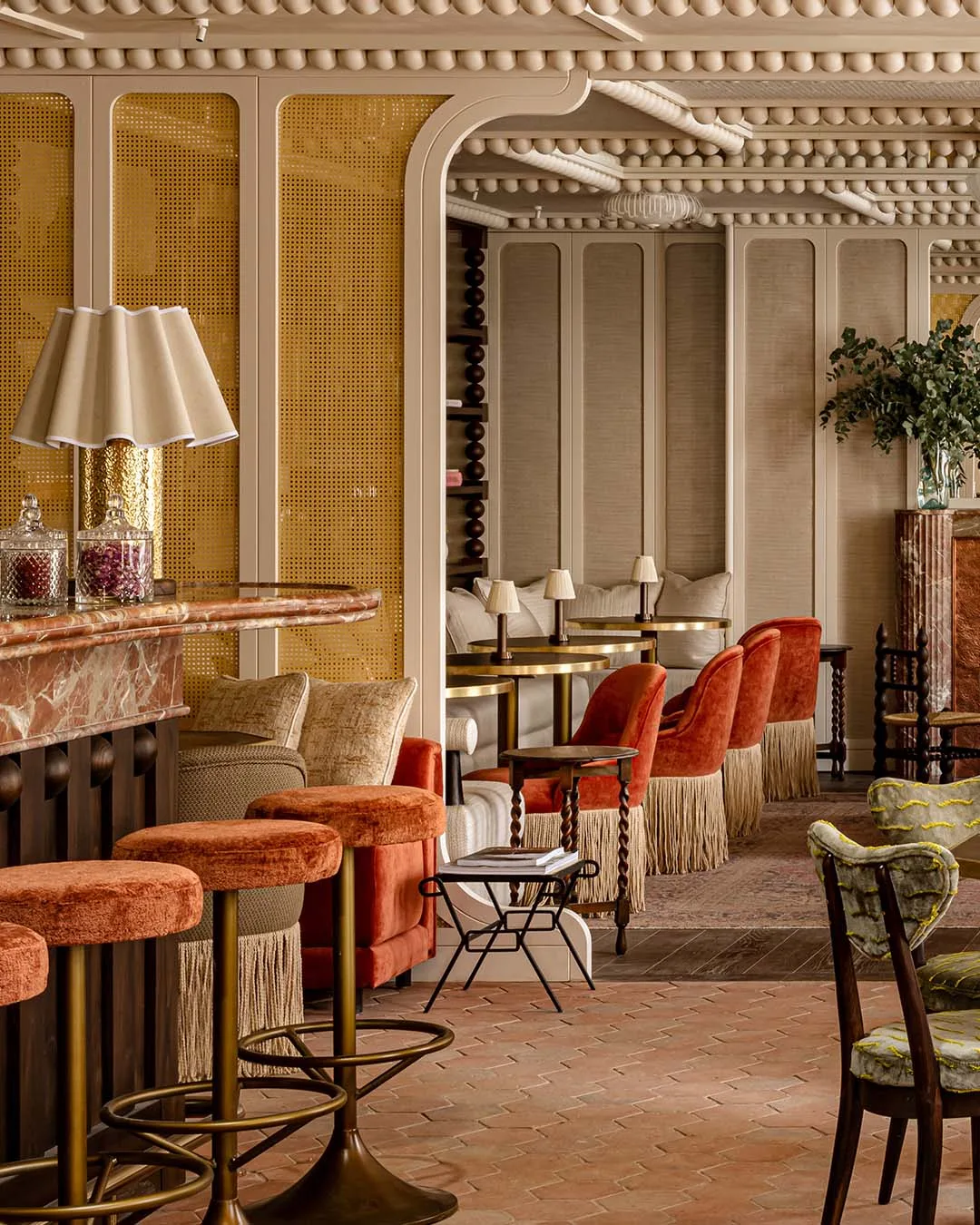

What does it mean to travel considerately? It might be a centuries-old farmhouse given a second lease of life in Transylvania; a Venetian landmark carefully restored with a heating and cooling system that uses lagoon water; or an island kitchen serving a plant-based feast made with seaweed gathered just offshore. Five years after its launch, SLH’s Considerate Collection brings together independent hotels with their own take on that question, each shaped by the landscapes, traditions and communities around them. From the hills of Tuscany to Sri Lanka’s palm-fringed coast, we look at a handful of stays where these thoughtful details tell the story.
Bethlen Estates
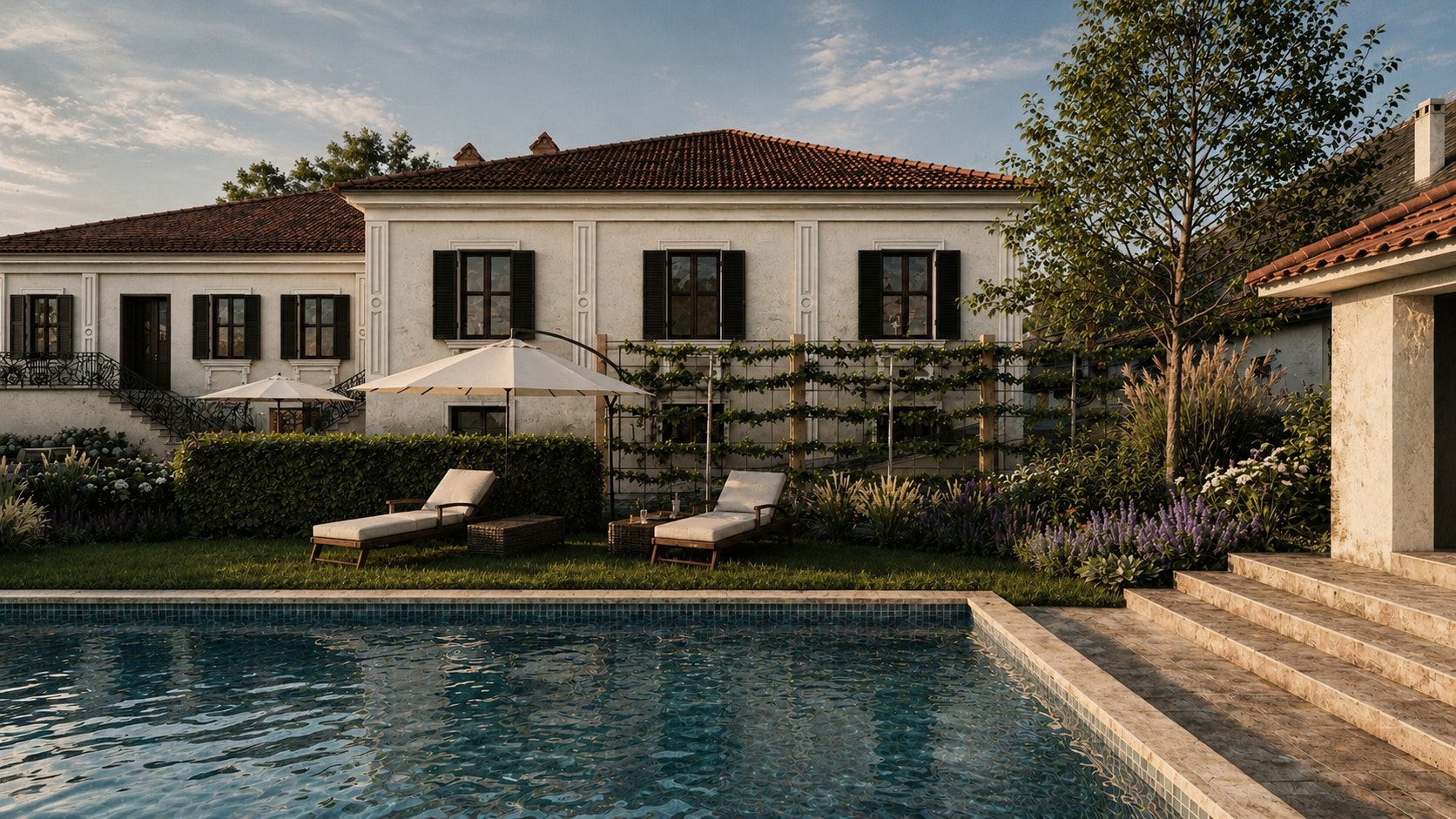
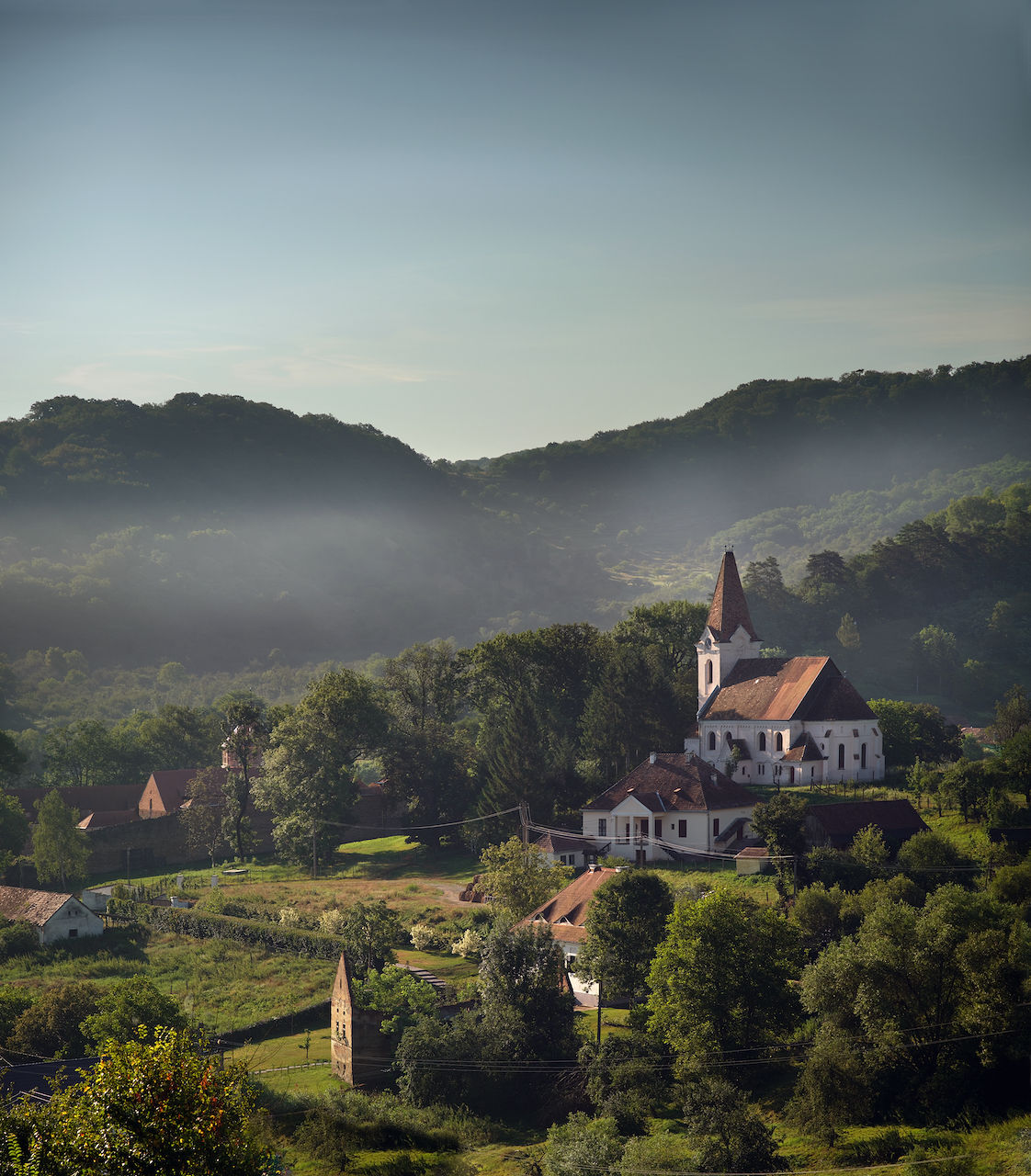
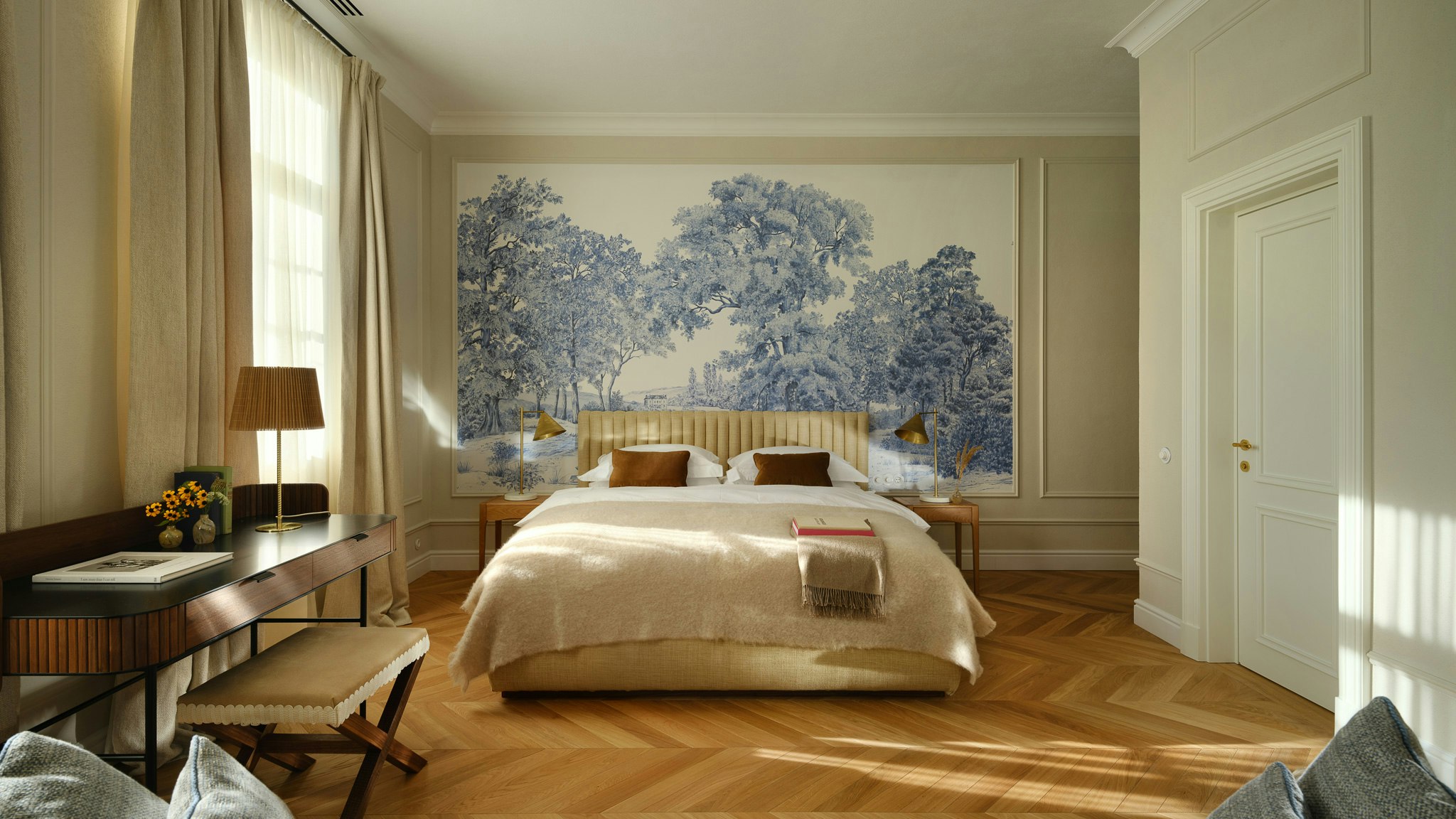
In the Saxon village of Criș, Bethlen Estates brings centuries-old Transylvanian architecture back to life through a collection of restored historic homes. Traditional tiled stoves, original architectural details and rustic textures meet contemporary furnishings, creating an understated take on country living. Days might involve exploring the surrounding countryside on horseback, joining a truffle hunt or discovering the region’s fortified churches and medieval Sighișoara, just a short drive away. Back at the estate, seasonal, locally inspired cooking offers another way to discover the region, celebrating the farmers, producers and culinary traditions that give Transylvania its distinctive character.
Considerate note: By restoring historic village buildings, including former farmhouses and a Saxon school, Bethlen Estates helps safeguard the area’s architectural heritage while bringing renewed purpose to its rural community.
Ca’ di Dio, Venice, Italy
Overlooking the Venetian lagoon, Ca’ di Dio occupies a historic building whose origins date back to the 13th century. Reimagined by architect and designer Patricia Urquiola, its interiors balance the character of the original structure with contemporary elegance, drawing on the soft colours, textures and reflections of the city’s waterways. Once a place of refuge for pilgrims and women in need, it has been thoughtfully restored as an intimate retreat, with secluded gardens and peaceful courtyards. Beyond the hotel, the Castello district offers a glimpse of everyday Venetian life, while the Arsenale and Biennale venues are just moments away.
Considerate note: The careful restoration gives a historic Venetian building a new purpose while respecting its architectural heritage. The hotel also uses lagoon water in its heating and cooling system, helping reduce energy consumption and carbon emissions.
Château d’Ouchy, Lausanne, Switzerland
On the shores of Lake Geneva, Château d’Ouchy brings a fairytale silhouette to Lausanne’s waterfront, its medieval tower rising above the lakeside promenade. Dating back to the 12th century, the château pairs its historic architecture with contemporary rooms and characterful tower suites, some with private rooftop terraces overlooking the lake and Alps. At 57° Grill, live cooking puts the focus on expertly prepared meat, fish and shellfish, while the outdoor pool offers a quiet retreat among the trees. Just beyond the hotel, stroll Ouchy’s flower-filled quays, board a boat to explore the lake or visit the nearby Olympic Museum.
Considerate note: Château d’Ouchy holds EarthCheck Silver certification and Swisstainable Level III – Leading status, reflecting its commitment to improving environmental and social performance across its operations.
Gaia Riverlodge, Belize
Deep in Belize’s Mountain Pine Ridge Forest Reserve, Gaia Riverlodge is perched above the Five Sisters Waterfalls, where rainforest cabanas with thatched roofs and tropical hardwood furnishings open onto views of cascading water or mountains. You can descend to the natural freshwater pools for a swim, explore nearby trails by mountain bike or venture further afield to discover ancient Maya sites, including Caracol. Back at the lodge, a garden-to-table restaurant celebrates Belizean flavours, while evenings bring bonfires beneath the trees and the sounds of the rainforest.
Considerate note: Designed to blend into its surroundings, the lodge runs on hydroelectric power generated by Privassion Creek, while its organic Maya garden supplies much of the produce served in its restaurant. Cultural excursions also connect guests with local Maya traditions, from traditional cooking to chocolate making.
Lilløy Lindenberg, Norway
On a small island in Øygarden’s coastal archipelago, just west of Bergen, Lilløy Lindenberg is a windswept hideaway where Nordic design meets the wild beauty of the North Sea. Created in collaboration with Bergen-based design studio Vera & Kyte, its restored main house pairs Scandinavian craftsmanship with playful details, from a botanical library bar to bedrooms framing views of the cliffs and ocean. Spend the day kayaking or braving a cold-water swim before warming up in the sauna and sitting down to a plant-based feast by chef Antje de Vries, whose inventive dishes incorporate the island’s own seaweed beds.
Considerate note: Lilløy’s low-impact approach runs from rainwater harvesting and composting to a plastic-free philosophy and a fully plant-based kitchen. You can even join the chef to forage for seaweed.
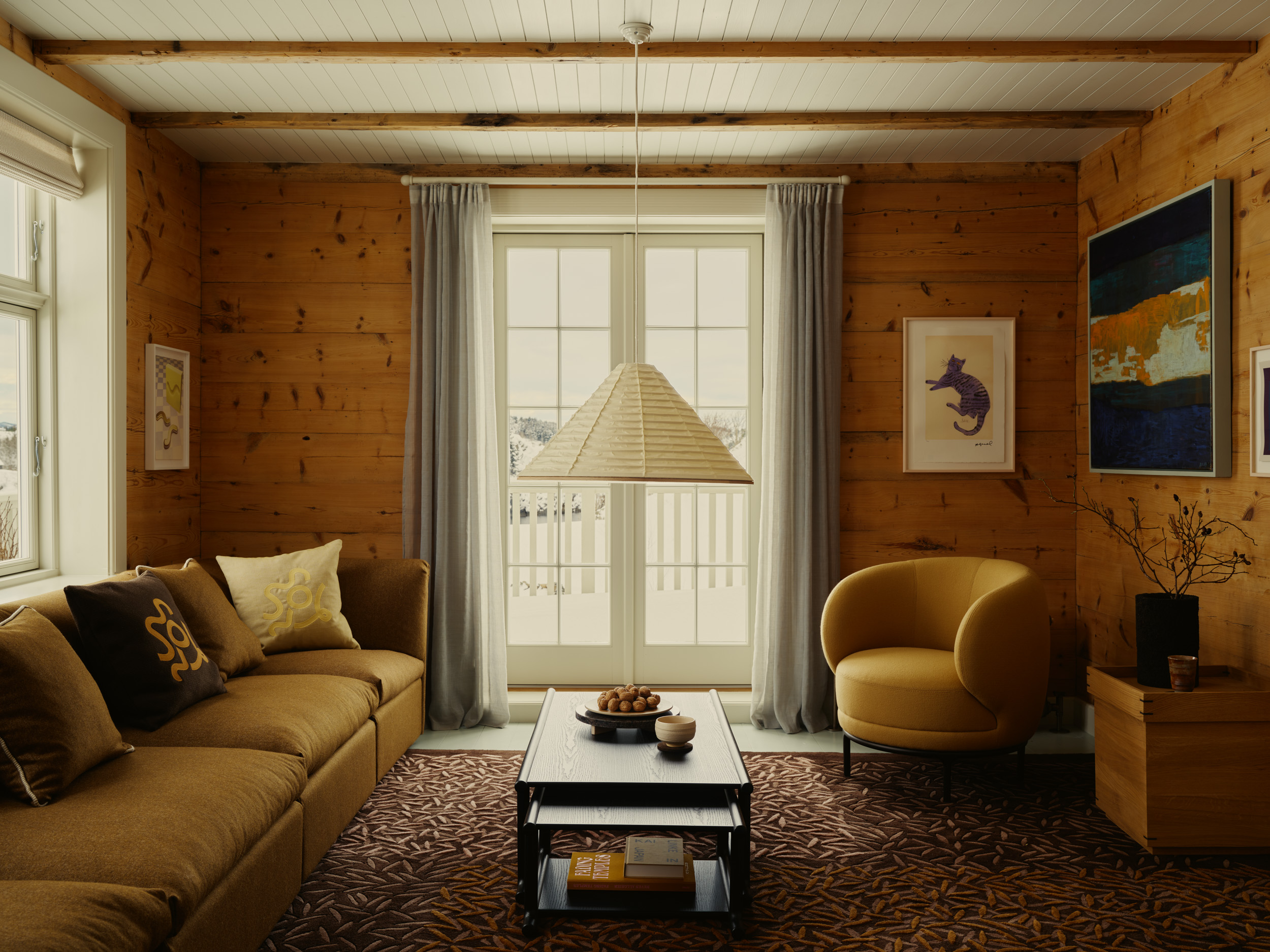
Oasyhotel, Tuscany, Italy
High up in the Tuscan Apennines, around an hour from Pistoia, Oasyhotel brings contemporary comfort to the wild landscapes of Oasi Dynamo, a WWF-affiliated nature reserve spanning more than 1,000 hectares. Seventeen oak-and-birch lodges, designed in a pared-back style, are scattered among meadows and woodland – each with a private terrace. You can spend days cycling forest trails by e-bike, kayaking on San Vito Lake or joining a guided wildlife tour. At Le Felci, Tuscan classics showcase seasonal produce from the estate’s organic gardens and nearby farms, alongside house-made cheeses, fresh pasta and bread baked in-house.
Considerate note: Conservation is at the heart of Oasyhotel’s identity. Within Oasi Dynamo, forest management, biodiversity research and habitat protection go hand in hand with agriculture and educational programmes, helping safeguard this remarkable landscape for future generations.
Relais Roncolo 1888, Emilia-Romagna, Italy
Across the rolling hills of Emilia, Relais Roncolo 1888 occupies the historic Tenuta di Roncolo, once the private residence of the Marquis Manodori. Frescoed rooms and hand-painted wallpapers lend Villa Manodori a sense of aristocratic presence, contrasted by restored farm buildings in a more understated countryside style. Explore the estate’s vineyards, discover the craft of traditional balsamic vinegar in its historic cellar or taste organic wines shaped by the local terroir. At Ristorante Limonaia, a restored greenhouse provides the setting for contemporary Emilian cuisine, with menus rooted in the region’s rich culinary heritage.
Considerate note: Organic since 1994, Tenuta di Roncolo combines responsible farming with the preservation of regional food traditions. Its vineyards and historic balsamic vinegar cellar sustain local craftsmanship, while solar energy and B Corp certification reflect a broader commitment to environmental and social impact.
Taru Villas The Long House, Bentota, Sri Lanka
A long colonnaded corridor gives Taru Villas The Long House its distinctive character, leading through a two-storey villa steps from the Indian Ocean. The bedrooms vary in mood: ground-floor rooms feature abstract art and bold splashes of colour, while upstairs, exposed beams, four-poster beds and colonial-style furnishings lend a more traditional feel. A 24-metre swimming pool runs alongside the gardens, with a path continuing through the palms to Bentota’s sandy beach. Meals can be enjoyed in the open-sided pavilion beside the pool or on the beach, with Sri Lankan curries and fresh seafood among the highlights.
Considerate note: Taru Villas The Long House has achieved Travelife Gold certification for its practices. Its approach includes reducing single-use plastics, improving resource efficiency and prioritising locally sourced ingredients.