




THE LOWDOWN...
Sowaka is more than just a hotel, it’s a lifestyle. The word itself literally translates to ‘happiness’ in Sanskrit, and for those that take note, can often be heard chiming through Kyoto’s elaborate temples as a parting blessing at the end of Buddhist sutras. It’s this slow-paced, easy living, and exquisitely chilled out mantra that defines the Sowaka experience best. A perfect marriage of old meets new, 21st century ryokan living delivers at this deeply creative, masterfully curated sanctuary of peace and quiet.
SET THE SCENE...
The hotel is slap-bang in the middle of the action in Kyoto’s famed geisha and UNESCO-listed district, Gion. Despite its Hollywood-esque location, the beauty of checking in here is that it doesn’t feel like you’re in a tourist hotspot at all. In the shadow of a string of landmark temples, shrines and go-to boutiques, Sowaka is cocooned from sight thanks to a cobweb of low-rise bamboo façades and narrow stone streets (a godsend following a long day navigating the city’s cherry blossom-crazed, kimono-loving crowds).
Speaking of exploring, you couldn’t be better placed in the Old Town. Everything from the Yasaka Jinja shrine to the Kōdaji and Kiyomizudera temples are all within walking distance. Plus, when the time comes to escape, Kyoto’s main station is a mere 15-minute cab ride west.
STYLE POINTS?
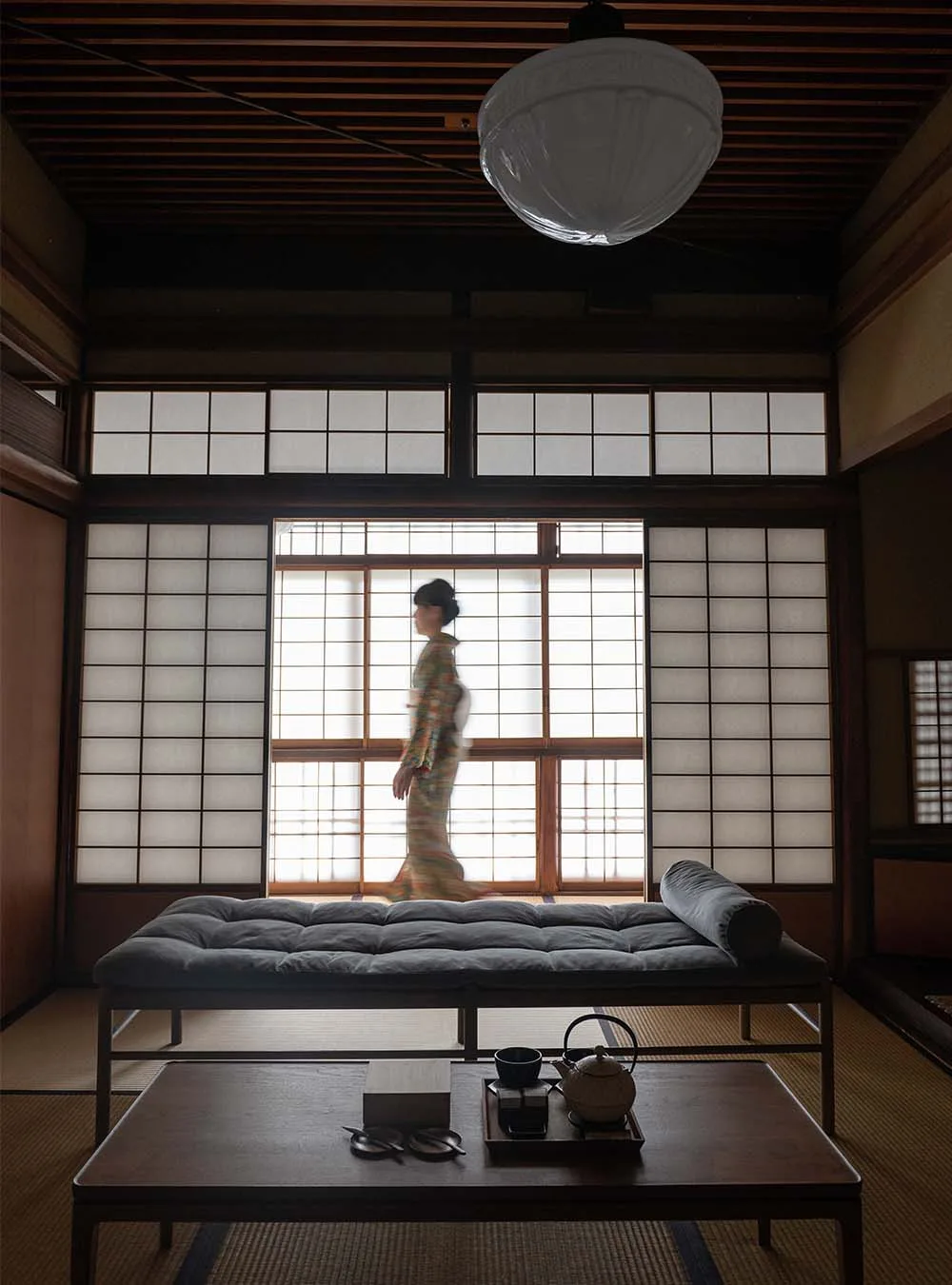
It’s traditional ryokan chic on a grand, almost poetic scale — that of a haiku, one might say. Sowaka carries much of Kyoto’s rich heritage in near-effortless style. Think tree-lined paths, irresistibly atmospheric sukiya-inspired spaces flushed with rays of natural light, and a medley of rare antiques and modern artworks dotted about the maze-like place.
The moody aesthetic is thanks to 100-plus artisans and craftspeople whose generational skills have transformed the former teahouse into a labyrinth of winding creaky wooden corridors, sliding shoji screens, circular rice-papered windows, exquisite carvings, abstract portraiture, and minimalist speakeasys that ooze all shades of storied and contemporary Japanese design. The overall Sowaka essence is peaceful sanctuary meets throwback living, and the inn delivers on all accounts.

TELL US ABOUT THE ROOMS...
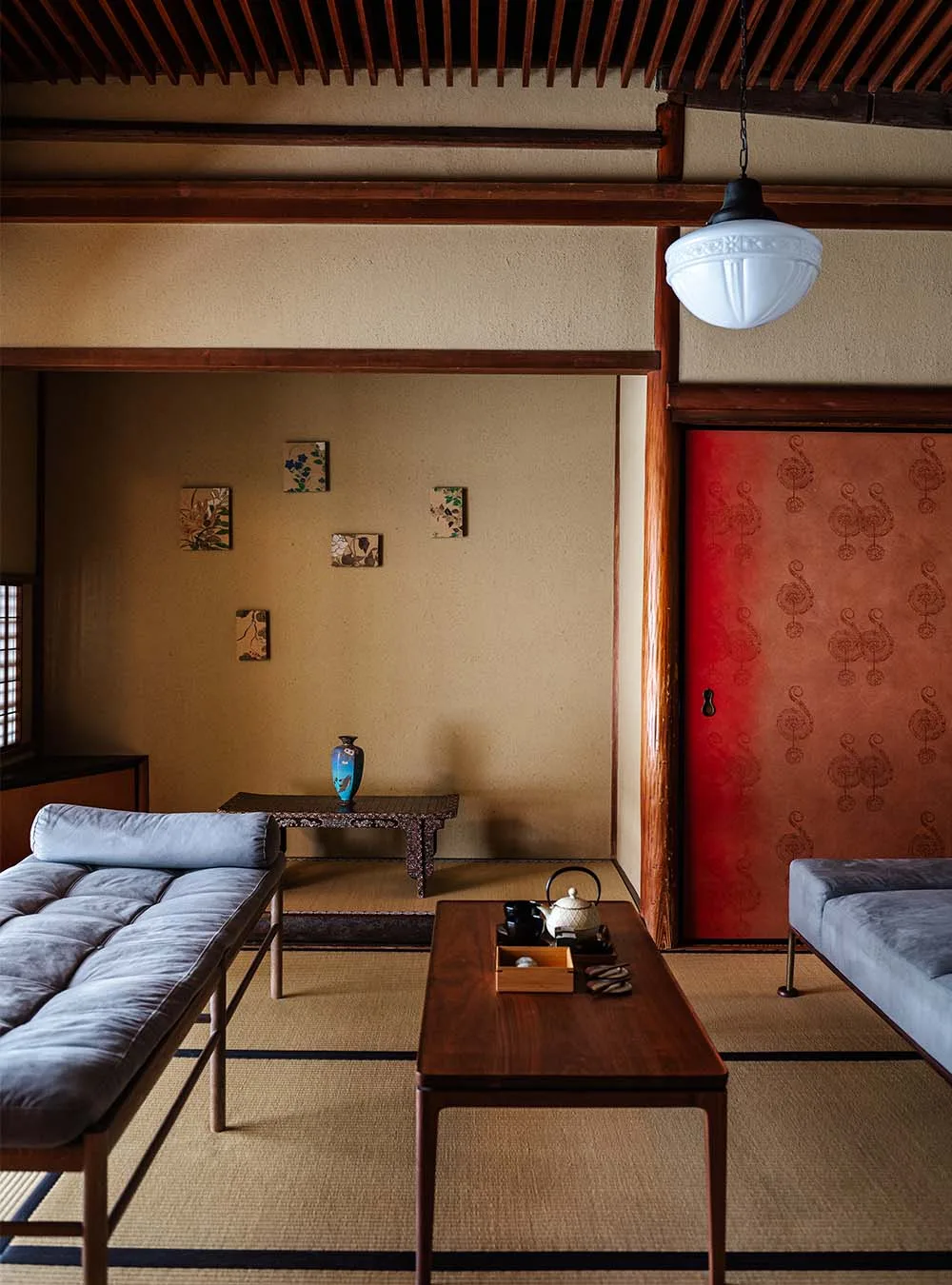
Blissfully unique. Rooted in traditional architecture, you’re most likely to do as I did and gasp, “wow” upon walking into any of Sowaka’s 23 rooms. Why? Everything about them screams character, offering a welcome sight that instantly sets it apart from the hotel’s nearby corporate neighbours.
Digs are split across the main old house and a newly constructed demi-palace built from the ground up by acclaimed local architect Shigenori Uoya. Plaster walls, washi paper windows and cute alcoves, garden vistas, and roomy wooden tubs sum up the main building’s boudoirs, while minimal clean-lined interiors, abstract textiles and angular window frames eyeing Kyoto’s rooftops headline Uoya’s more modern offering.
Beds are ultra-comfy and made in the Iwata Prefecture using top-notch quality natural wool. And yes, millennials and Gen Z, mod-cons are also part of the deal in these blast-from-the-past chambers, from high-speed USB ports to rapid heating and air-conditioning amenities.
THE FOOD & DRINK?
Well, there’s a Michelin star on the table, thanks to the hotel’s destination restaurant Gion Loka, sister to Tokyo’s famed fine dining hotspot of the same name. While this may sound a little formal, it’s very refreshingly relaxed on all counts with its omakase-style grub served and plated with smiles and good chat.
On the menu, expect traditional Kyoto cuisine in the form of 10 eye-bulging courses. As it’s all seasonal, the menu changes regularly, but expect cyclical seafood from crab to tuna, veg (pickle is a staple in these parts), and tender meats beautifully presented in bric-a-brac crockery. Finish it all off with sake, naturally, though if you are a novice like me, take the sommeliers’ advice, as the selection can be daunting.
Come breakfast, you can either go full-on Japanese or continental, in the form of the usual eggs, sausage, fresh juices and more. Our advice is to go for the more traditional option for a good schooling in local dishes. Hearty and delicious, hand-made tofu, grilled fish, and soup are the real deal, alongside some seriously good roasted teas to wash it all down.
ANYTHING ELSE TO NOTE?
Sowaka is very well connected, so it’s worth sitting down with the concierge to discuss all of the unique experiences available through the hotel. Tailored shenanigans come in the form of behind-the-scenes tours of the Kiyomizudera temple; exclusive geisha dinners (so worth it); sunrise and sunset temple visits, and — if you’re into your shrubs and florals — private garden tours led by local experts.


The overall Sowaka essence is peaceful sanctuary meets throwback living, and the inn delivers on all accounts.
Latest stories

One island, three ways: how to experience Crete according to your travel style
I packed Victoria Hislop’s The Island for a trip to Crete without giving it much thought. It wasn’t until my second morning at Phaea Blue, gazing across the bay, that I learned the novel had been inspired by Spinalonga, the tiny island sitting directly opposite the hotel. Later that afternoon,
Where to stay: our pick of new hotels that bring their destinations to life
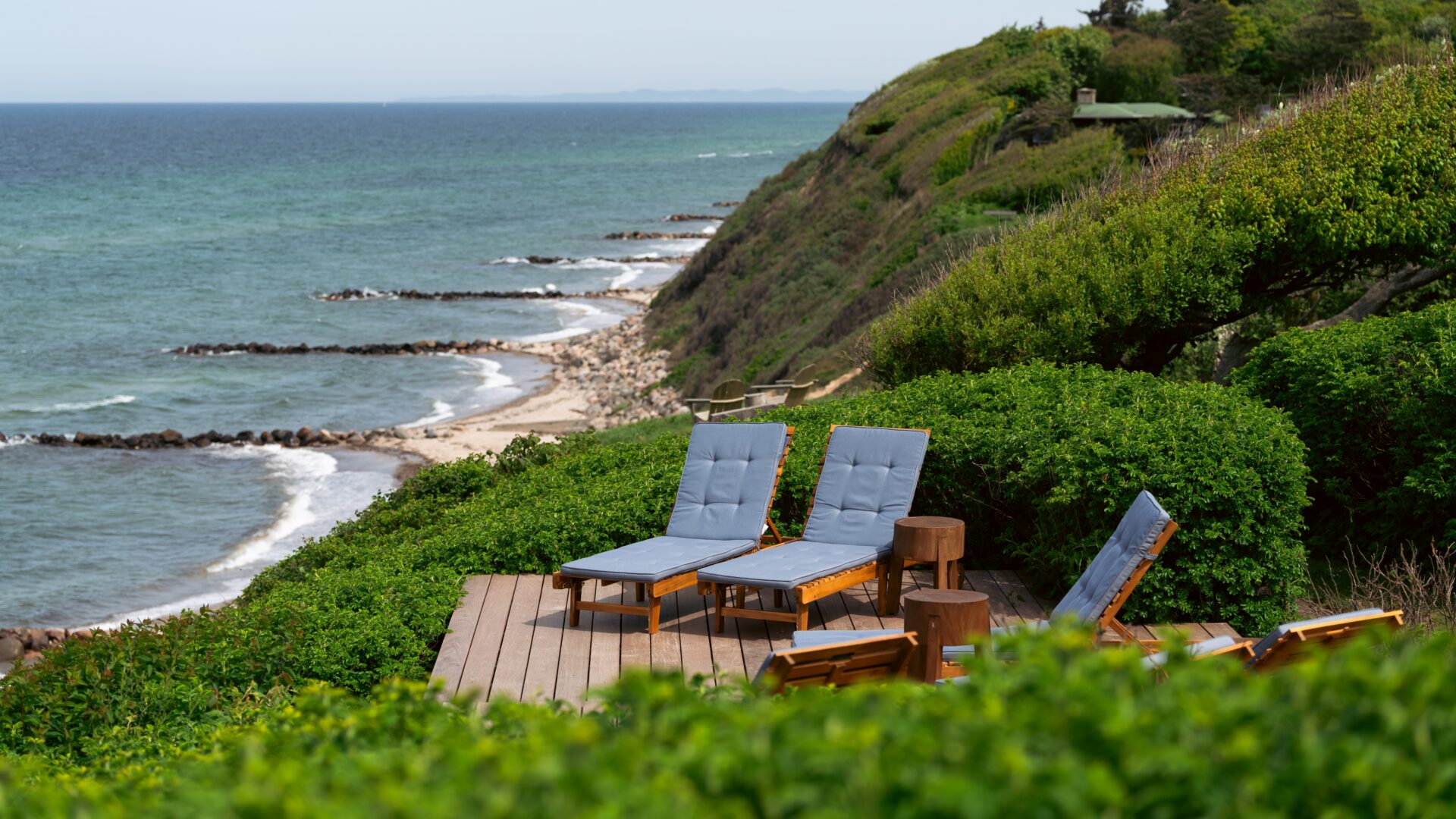
From a Japanese island retreat to a Danish coastal hideaway, we look at seven new member hotels that take their cues from the landscapes around them. Each brings its own perspective on design, wellbeing and a sense of place, whether deep in the mountains or by the Mediterranean. Helenekilde Badehotel,
Celebrating five years of the Considerate Collection
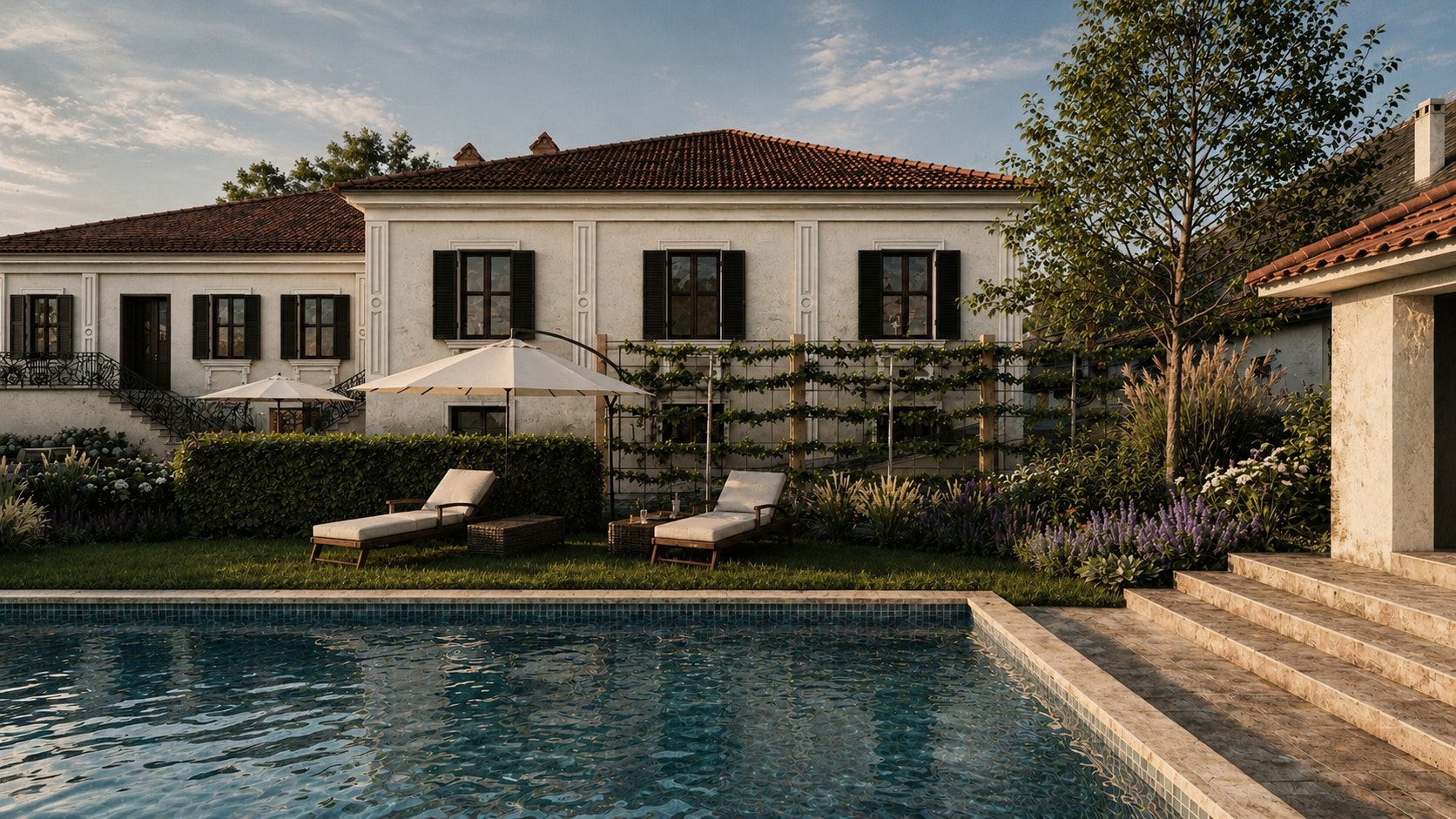
What does it mean to travel considerately? It might be a centuries-old farmhouse given a second lease of life in Transylvania; a Venetian landmark carefully restored with a heating and cooling system that uses lagoon water; or an island kitchen serving a plant-based feast made with seaweed gathered just offshore.
Making tracks: a train journey taking in six European cultural capitals
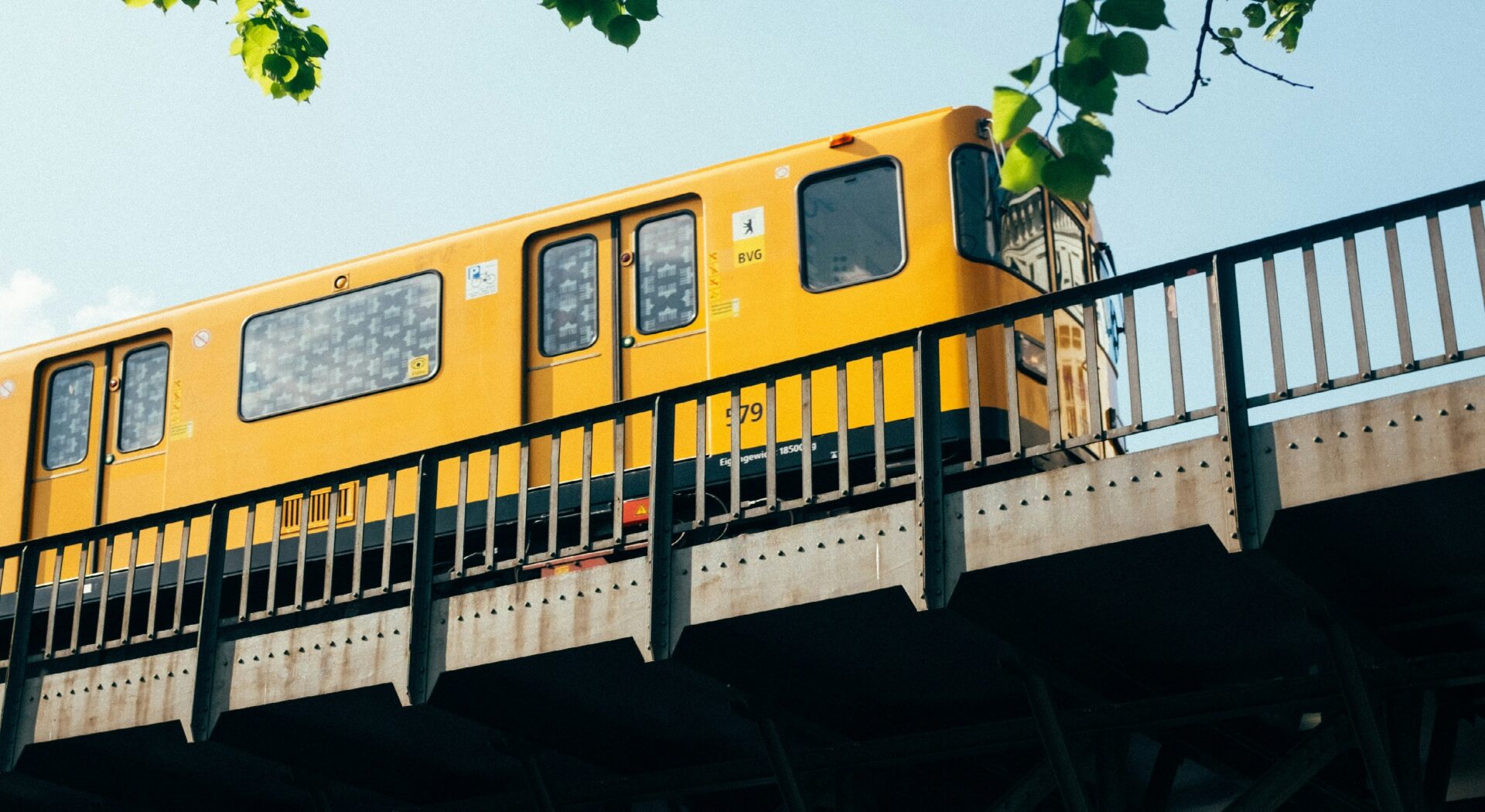
It’s official – inter-railing is back, as travellers increasingly swap flights for the speed and ease of Europe’s rail network. Think zippy connections, city-centre arrivals, and stress-free border crossings: train travel is one of the fastest and most convenient ways to explore the continent. Get ready for a whirlwind journey