With a complicated political past (and present), Lithuania might not typically be top of mind when brainstorming a European getaway. But Vilnius, the country’s vibrant capital, is a burgeoning hub for culture with a vibrant international food scene. And the utterly walkable metropolis — just a short flight away from London, Amsterdam, and Paris — is the perfect weekend city break for those looking to veer off the usual tourist path.
A UNESCO World Heritage Site, Vilnius’s Old Town is a 15-minute taxi ride from the city’s airport, which is currently being expanded to accommodate a new terminal — a positive sign for business owners who’ve openly expressed worry at the city’s dwindling number of visitors since the Ukrainian-Russian conflict. Despite the misapprehensions of tourists who are concerned about Lithuania’s proximity to Ukraine, Vilnius has plenty of incentives to attract visitors. Besides being known as one of the best-value destinations in Europe, the city offers something for everyone: over 200 churches for history lovers, hot air balloon rides for thrill seekers, and dozens of festivals, concerts, and exhibitions lined up each summer. The city is also overwhelmingly green (both literally and metaphorically), and has been named the European Green Capital for 2025 by the European Commission. And in exciting news for foodies, Michelin handed out their first ever Michelin stars in Lithuania earlier this year.
From climbing ancient bell towers to sipping craft brews, here’s what to get up to in the Lithuanian capital.
HISTORIC HIGHLIGHTS
Churches: Despite being a small city, there are hundreds of churches, synagogues, and cathedrals to visit, including the Church of St. Anne, a purported favourite of Napoleon’s, and the baroque All Saints Church. The most famous (for good reason) is undoubtedly the Cathedral Basilica of St. Stanislaus and St. Ladislaus, located in Cathedral Square, which is dripping in art dating back to the 14th century.
Vilnius University: Established in 1579, the esteemed university is one of Europe’s oldest. Climb the bell tower at the university’s St. John’s Church for sweeping views of Old Town, then dip into the university pharmacy to pick up skin care products that are mixed up on site. Guided tours are also available.
Gediminas’ Tower: For panoramic views of the city, head to this former fortification that was once a part of Vilnius’s 13th century Upper Castle. Home to both a viewing platform and a historical exhibition, the tower makes for a particularly idyllic spot to watch the sun set over the city’s red roofs.
Gate of Dawn: Hidden within this small chapel is one of Lithuania’s most renowned works of art (a Renaissance-era portrait of The Virgin Mary). The gate is one of the country’s most important religious sites.


WHERE TO EAT & DRINK
Senators Passage
Founded by Danish businessman Niels Peter Pretzmann, Senators Passage is the well-heeled address of Nineteen18, one of Lithuania’s most decorated restaurants. In this pedestrian walkway, set amidst the courtyard of a 400-year-old mansion, you’ll also find a bakery, a wine shop, a butcher’s, and a farm shop, all hawking organic produce from The Farmer’s Circle, Pretzmann’s sustainable farm located just 80 kilometres outside of Vilnius.
Džiaugsmas
Considered by many to be one of the hottest tables in town, at Džiaugsmas, the focus is on Lithuanian ingredients and natural wines. Everything you eat here is native to the country, and the seasonally driven menu changes depending on what’s fresh and what’s available. Both tasting menus and à la carte options are offered.
Augustin
After a morning spent exploring Old Town, you’ll want to head to Augustin, a restaurant specialising in smaller plates that are meant for sharing. The minimalist environment mimics the simplicity of the lunch menu, which changes each day: diners are only offered a handful of dishes featuring plenty of in-season vegetables.
Alaus Biblioteka
Craft beer lovers will rejoice at this ‘beer library’, whose shelves are lined with just as many beers as there are books. There are about a dozen beers on tap, both local, and international, and over 300 more to enjoy in a can or bottle.
Elven
Sample a taste of Scandinavia at Elven, a relatively new, yet already acclaimed restaurant that blends Nordic techniques with Baltic ingredients. Here, the chefs allow the seasons, and the country’s local produce, to inspire their oft-changing menu, which is served against the backdrop of an appropriately Scandi-chic interior.
Trinity
Set in a former women’s monastery, Trinity is home to not one, but three different drinking and dining establishments. Order cocktails and natural wines at Aperitivo, on the ground floor, or Digestivo, further upstairs, and break up the two sipping sessions with seasonally inspired plates from the modern European restaurant.
Stebuklai
At Stebuklai, the ambience is the real star of the show. Floor-to-ceiling windows allow for sweeping views of Vilnius’s Cathedral Square, while the modern yet comfortable interiors, featuring cushy armchairs and plenty of lush plants, make you feel like you’ve walked into a spa. But the food doesn’t come to play, either — and the seafood-driven menu is a refreshing break from the city’s many meat-heavy restaurants.
Narushi
Tucked away on a quiet street near the city’s train station is this intimate sushi spot where you can watch the chefs at work. The fish is fresh, the rolls are moreish, and the service is friendly: staff are happy to pack up takeaway boxes so you can enjoy your sushi in one of the city’s many parks.
WHERE TO WANDER
Old Town: You can while away endless hours in the Old Town, with its cobblestone streets, pastel-hued buildings, and Medieval-era courtyards and alleys. There’s no shortage of restaurants, cafés, and bars to choose from, and there are just as many independently owned shops (in this quarter of the city, there’s nary a big-name brand or chain store in sight). As for what to pick up? Artisan-made linens, Lithuanian honey liqueur, and amber jewellery embellished with stones from the Baltic Sea.
Parks: There’s an abundance of greenery to be found in Vilnius, from tranquil rivers to botanical gardens. Situated right in the Old Town, the 15th century Bernardine Gardens set an idyllic scene for a stroll and picnic, while Vingis Park — the city’s largest — is home to an amphitheatre and amusement park, as well as plenty of biking trails and cafés (in the summer, locals flock to the park for concerts, festivals, and outdoor movie screenings). Art aficionados will want to venture out to Europa Park, an open-air museum dotted with over 100 incredible sculptures by artists from around the world. And finally, for hikers and outdoorsy types, the magnificent Pavilniai, Verkiai, and Neris regional parks are just a short drive from the city.
Užupis: Across the river from the Old Town is the artsy Užupis neighbourhood, which declared itself an independent republic in 1997 and even operates with its own currency, constitution, and border control. Known as a haven for artists and activists, the lively streets are lined with endless artworks, independently owned boutiques, restaurants, and galleries.
Halės Market: Halės Market, or Hall Market, is the oldest market in Vilnius. Here, you’ll find vendors selling seasonal produce, freshly baked pastries, smoked meats, and other local delicacies, but there are also dozens of bars and cafés — including Youngs’ Club, which turns into a disco at night — for you to kick back and people watch.


Where to stay
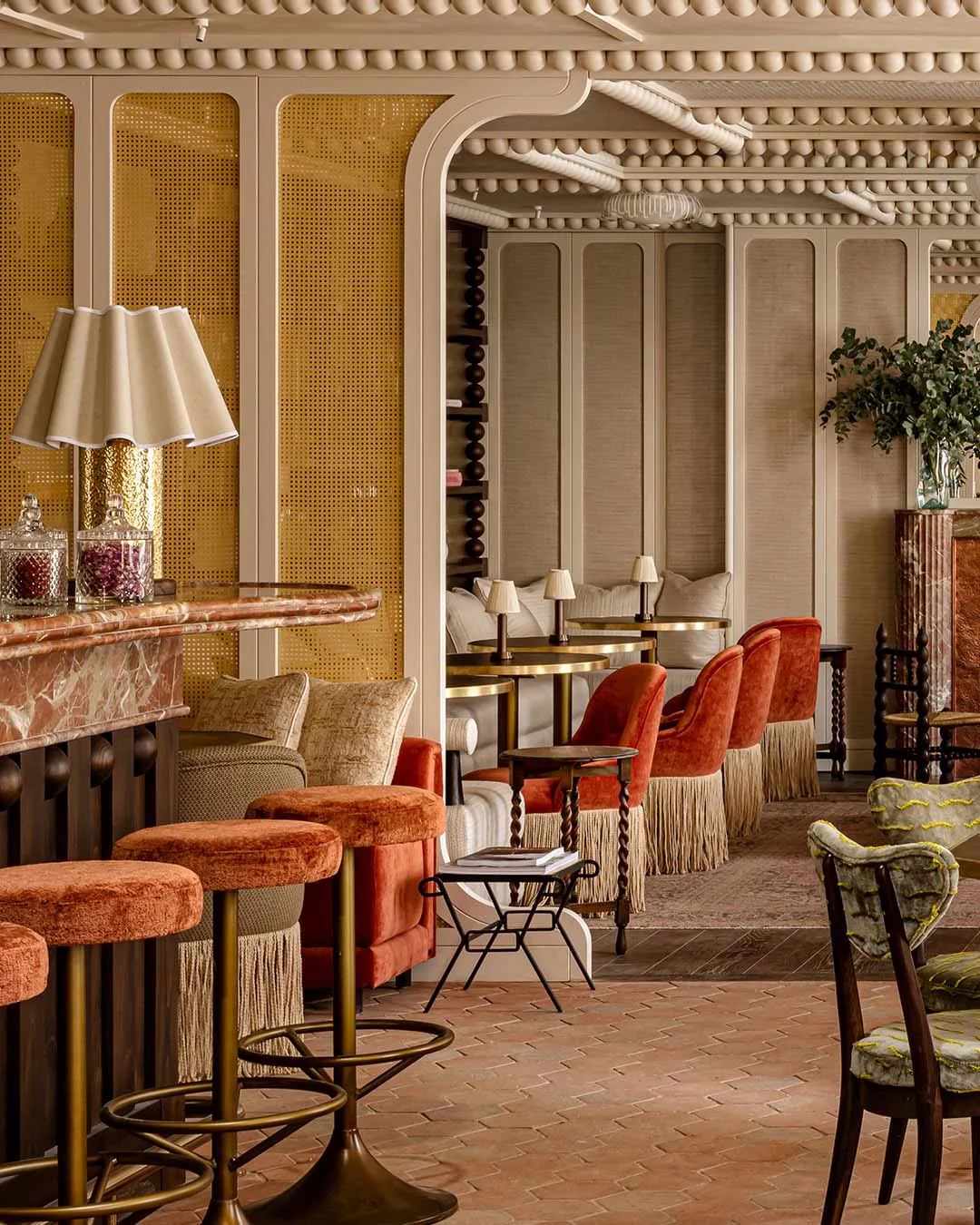
NARUTIS Hotel... The family-run NARUTIS Hotel, located right in the centre of Old Town, is an ideal base for exploring Vilnius. In a city brimming with history, the hotel itself is an attraction — the buildings date back to the 15th and 16th centuries, and the hotel has offered some form of lodging for travellers since at least 1581. Classic yet quirky, the colourful hotel feels like something out of a Wes Anderson film. Each of the 49 rooms is completely different, designed to accommodate guests with varying tastes; some rooms wouldn’t feel out of place in an English country cottage, while others — featuring avant-garde wallpapers and bold fabrics — are decidedly modern. One of the main features of the hotel is its impressive, atrium-style lobby. Lush green plants dangle from every floor, while a magnificent glass ceiling allows for plenty of light, even on overcast days. Another highlight is the intimate but serene spa, which houses a Turkish hammam, sauna, Jacuzzi, and pool within a 16th century cellar. Travellers from across the city flock to the hotel’s restaurant, where chef Deividas Abramenka serves up elevated international dishes with Lithuanian influences. Must-tries include smoked eel with grapefruit jelly, a mouthwatering beef consommé (a family recipe from the owner’s grandmother), and decadent balls of fried Lithuanian cheese. You could dedicate an entire morning to perusing the hotel’s sprawling buffet breakfast, which is served in a magnificent, gothic-style cellar, and an evening to sipping cocktails at the sumptuous bar adorned with plush velvet armchairs. Both the bar and restaurant (and several rooms) look out onto Old Town, with views of the historic Vilnius University and Church of St. John’s across the street.


Latest stories

One island, three ways: how to experience Crete according to your travel style
I packed Victoria Hislop’s The Island for a trip to Crete without giving it much thought. It wasn’t until my second morning at Phaea Blue, gazing across the bay, that I learned the novel had been inspired by Spinalonga, the tiny island sitting directly opposite the hotel. Later that afternoon,
Where to stay: our pick of new hotels that bring their destinations to life
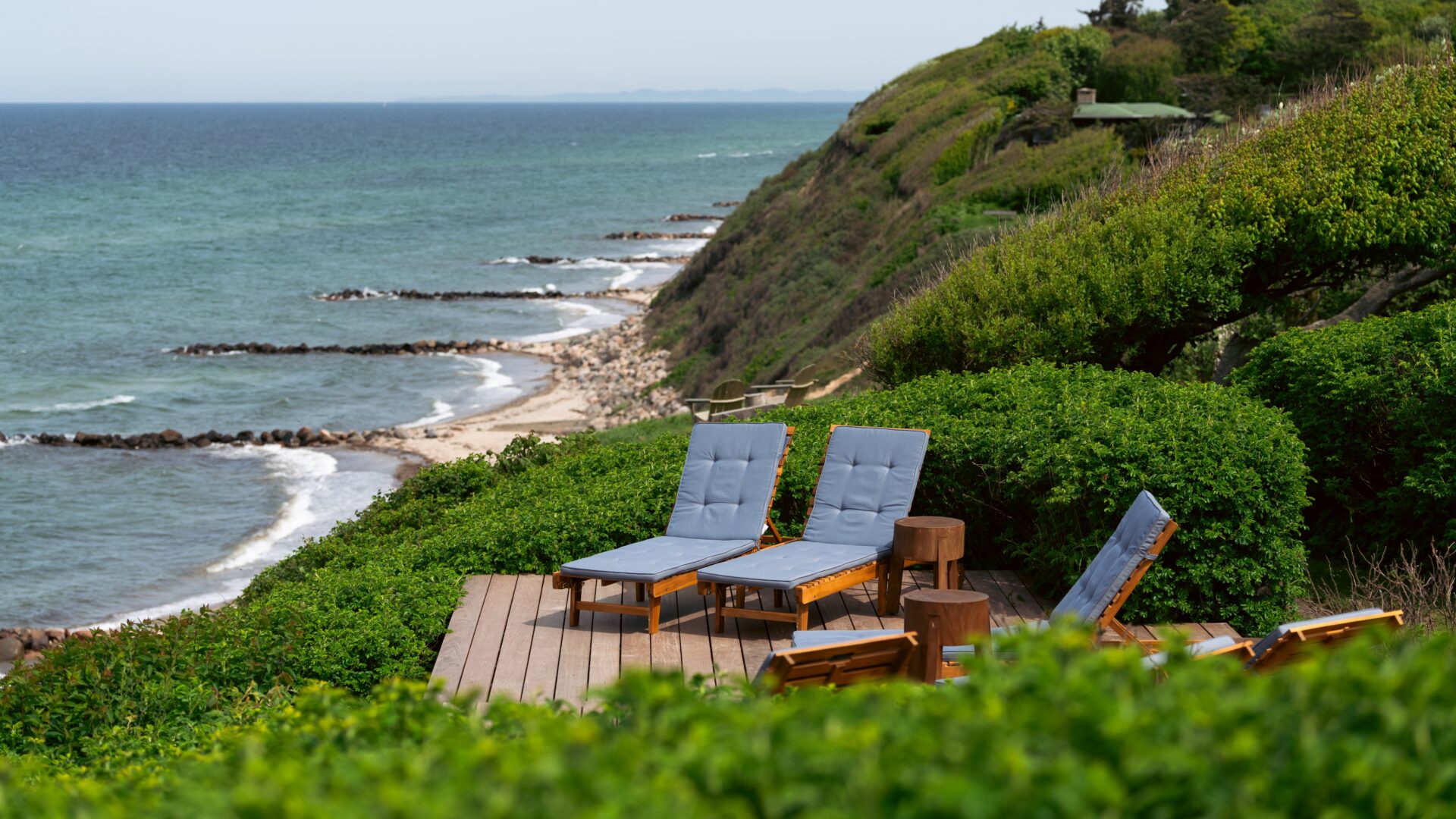
From a Japanese island retreat to a Danish coastal hideaway, we look at seven new member hotels that take their cues from the landscapes around them. Each brings its own perspective on design, wellbeing and a sense of place, whether deep in the mountains or by the Mediterranean. Helenekilde Badehotel,
Celebrating five years of the Considerate Collection
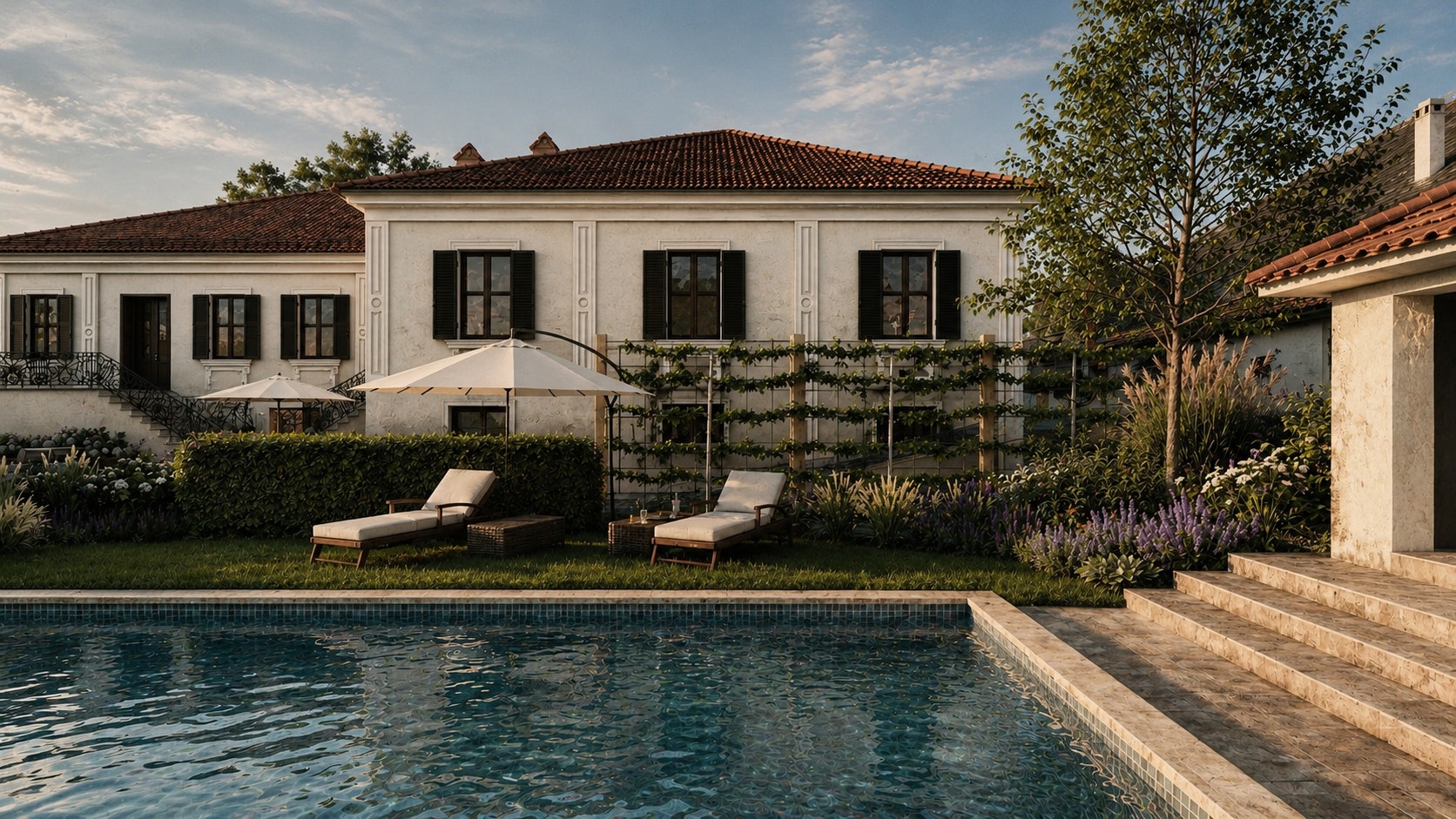
What does it mean to travel considerately? It might be a centuries-old farmhouse given a second lease of life in Transylvania; a Venetian landmark carefully restored with a heating and cooling system that uses lagoon water; or an island kitchen serving a plant-based feast made with seaweed gathered just offshore.

Making tracks: a train journey taking in six European cultural capitals
It’s official – inter-railing is back, as travellers increasingly swap flights for the speed and ease of Europe’s rail network. Think zippy connections, city-centre arrivals, and stress-free border crossings: train travel is one of the fastest and most convenient ways to explore the continent. Get ready for a whirlwind journey