
In the mid-20th century, Porto Ercole was a hot spot for the Hollywood jet-set. Now, design-led La Roqqa is putting this quaint seaside town – and Tuscany’s unsung Argentario coast – back on the international crowd’s map.
The lowdown
Tuscany might conjure up images of rolling countryside, hilltop towns and sun dappled vineyards, but its coastal destinations are just as spectacular – and far less crowded than Italy’s other costas. Case in point: Porto Ercole, a charming coastal haven on the rugged headland of Monte Argentario. Swedish entrepreneur Conni Jonsson had spent many summers in this region before spotting a tired, mid-range hotel up for grabs in his favourite stomping ground, and not long after, La Roqqa was born.
Set the scene...
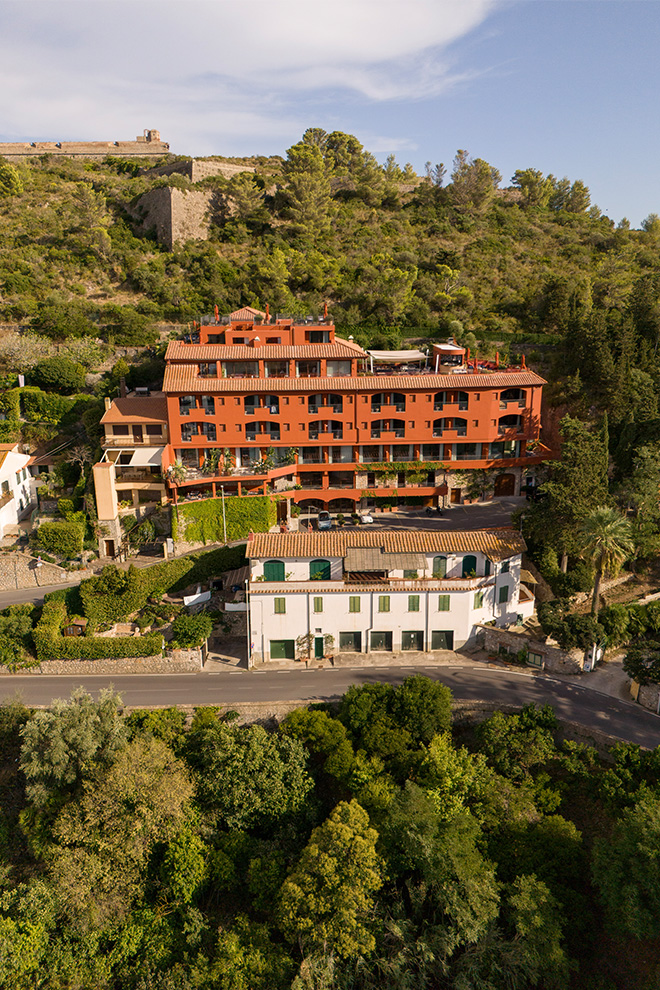
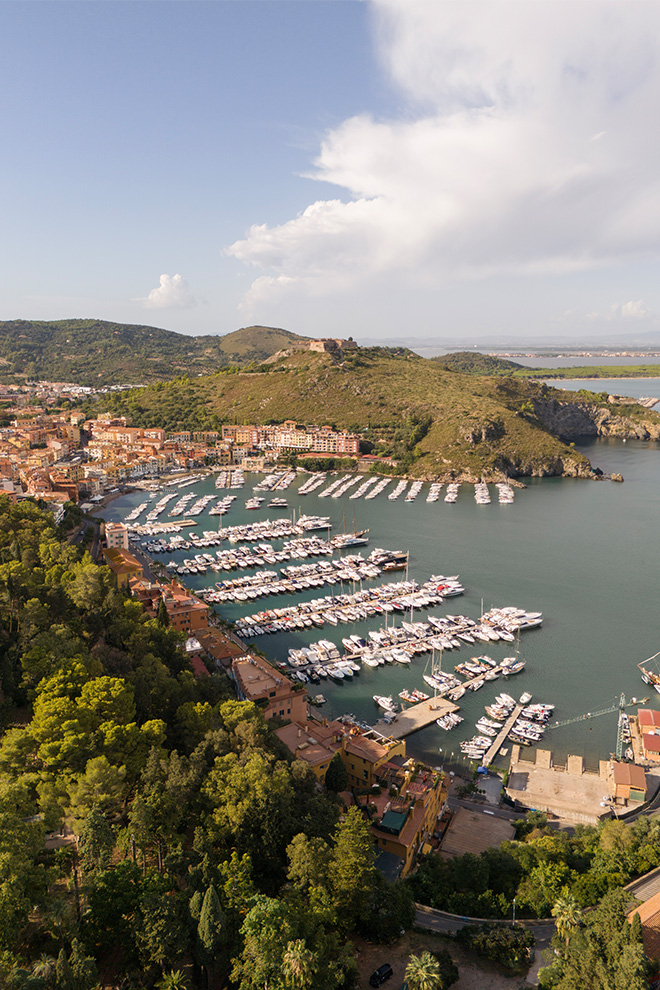
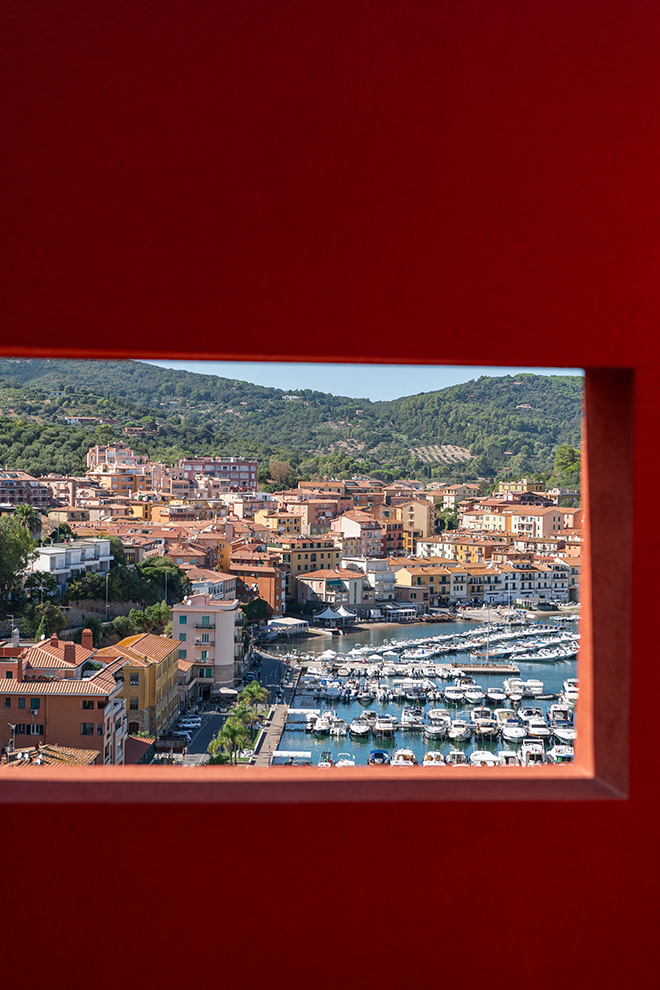
A 90-minute drive from Rome or a 10-minute taxi ride from Orbetello’s train station, arriving at Monte Argentario feels akin to escaping to an island with the journey’s final stretch across a skinny spit that connects the peninsula with the mainland. La Roqqa’s distinctive terracotta façade sits at one end of Porto Ercole’s harbour, perched halfway up the hill overlooking the boat-filled marina below.
Style points?
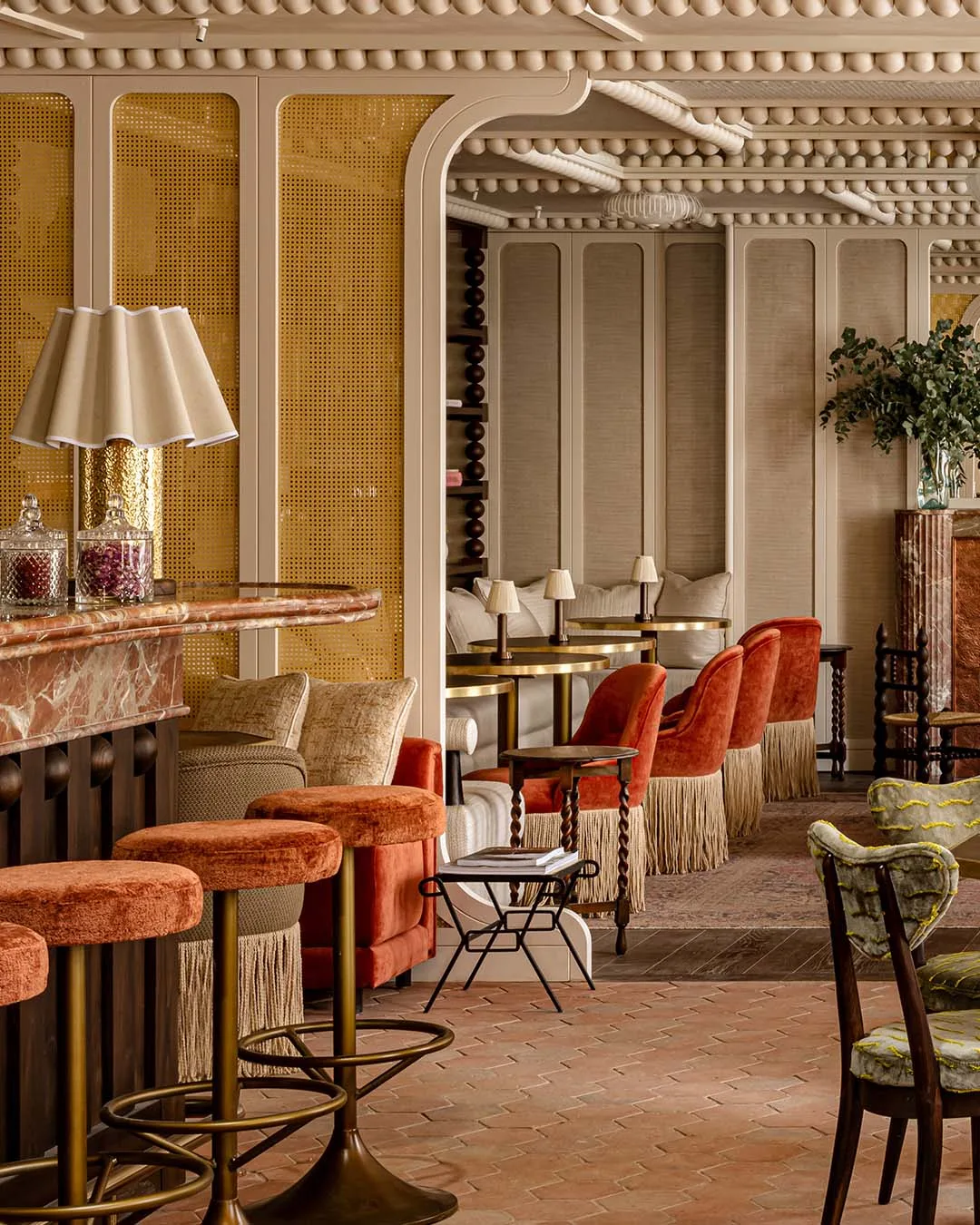
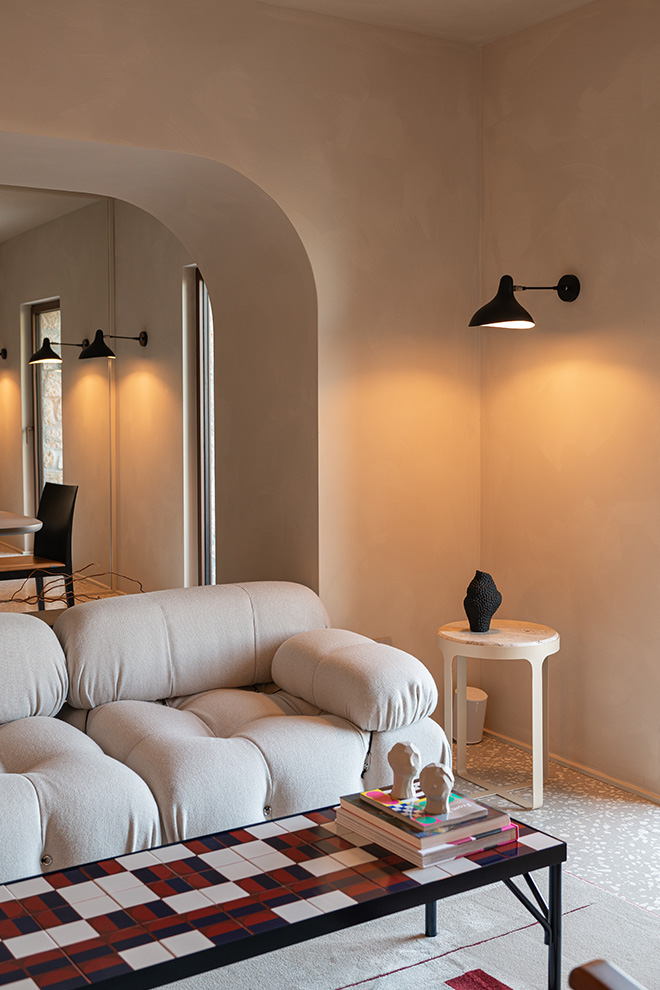
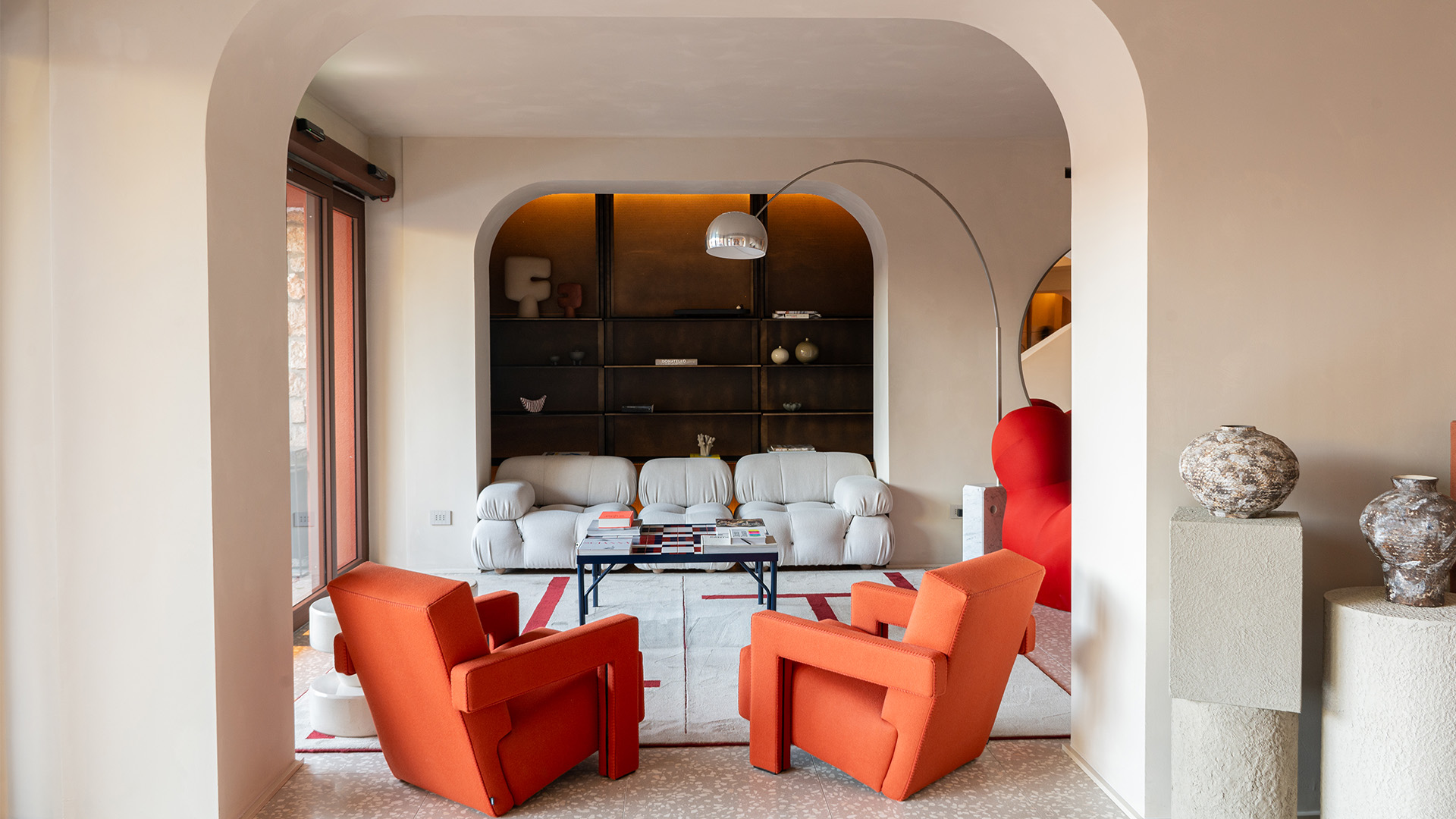
Milan-based Palomba Serafini Associati Studio were tasked with transforming this run-down hotel and took inspiration from the town’s glamorous past, whipping up a fresh take on the 1960s Dolce Vita. The bold terracotta hue that the angular building has been drenched in pops up throughout amidst milky white walls and terrazzo floors, with communal areas dotted with pieces that read like a ‘who’s who’ of Italian design. Flos’ Arco floor lamp hangs over a Bellini couch while Gaetano Pesce’s iconic Up Chair sits close by. Meanwhile, shelves of ceramics crafted by local artisans line the far wall of the ground floor, all of which are available for sale. Very tempting, indeed.
Tell us about the rooms...
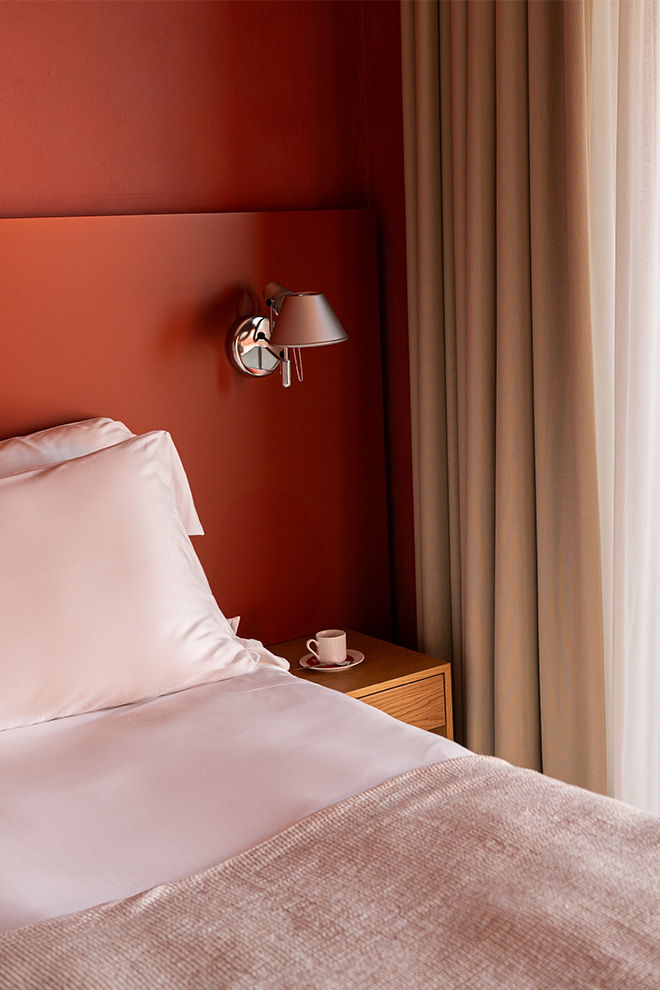
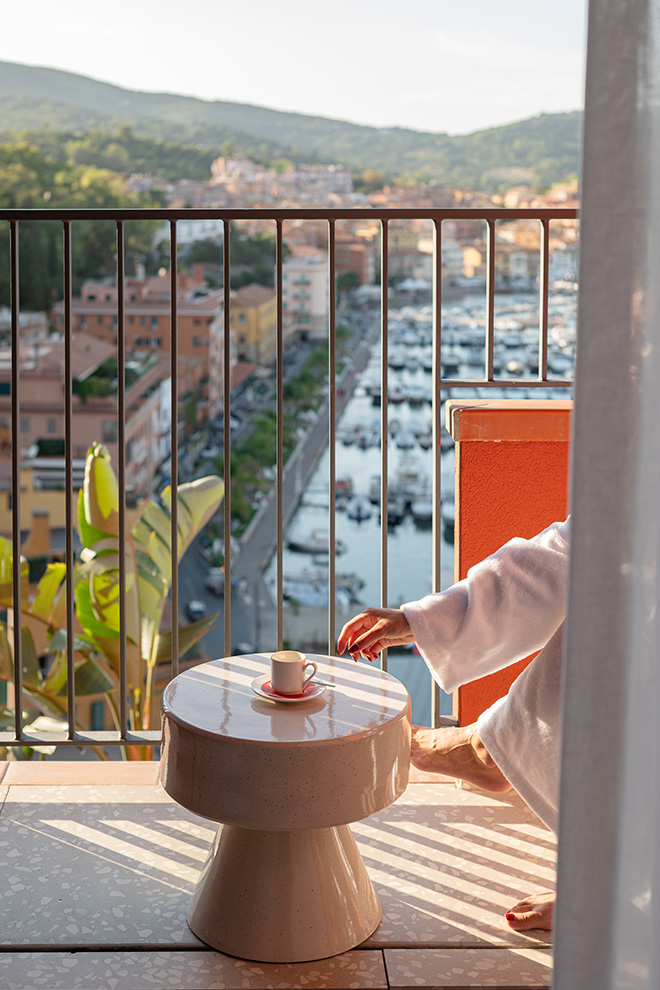
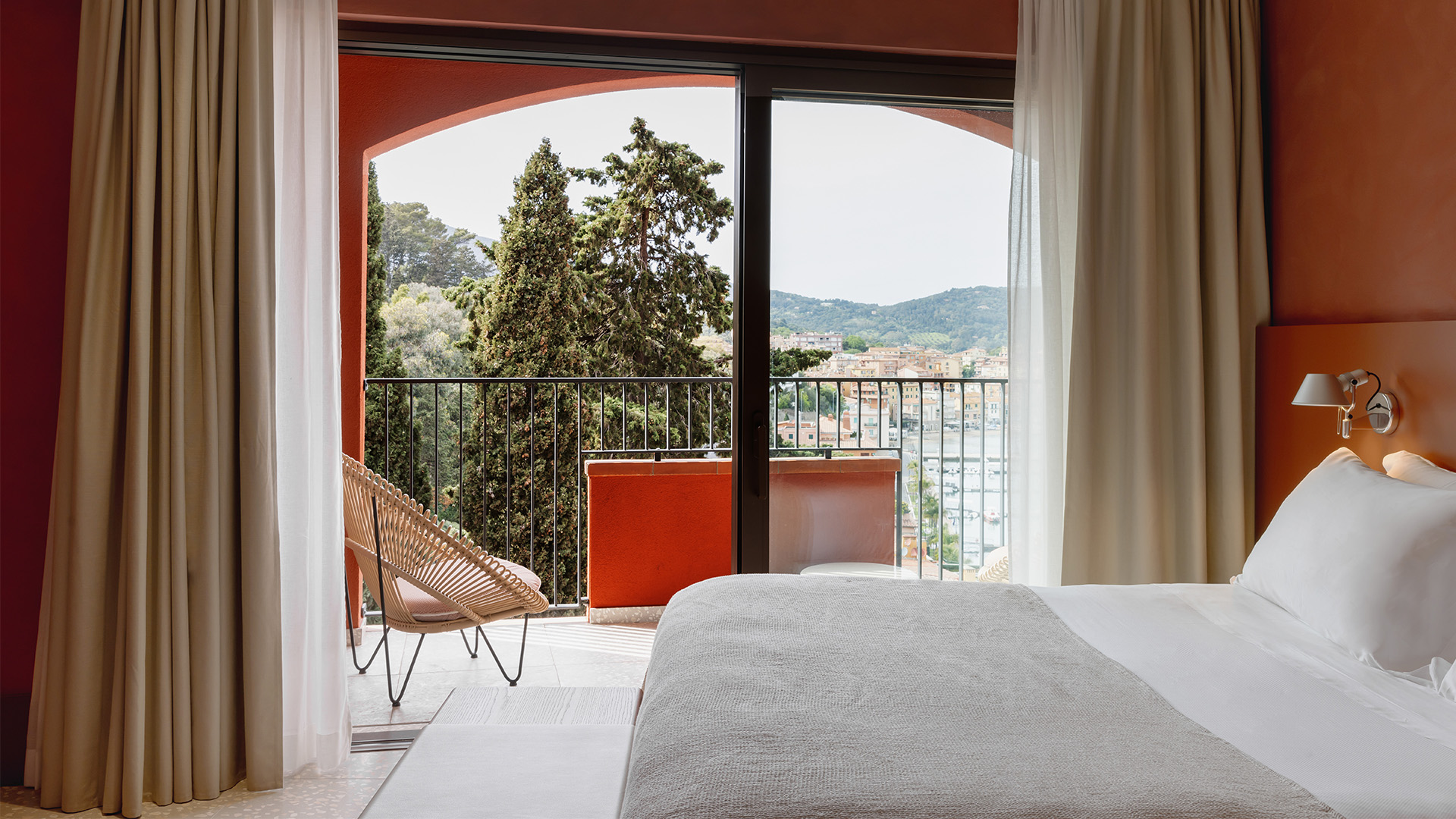
While the communal areas make a statement, the rooms are more pared-back. The 50 rooms are spread over five floors with each taking a colour – burnt orange, sage and dusky blue – as its starting point. Beyond this, the design is relatively minimal, with wood furnishings, marble details and a continuation of terrazzo under foot. The majority have balconies looking out over Porto Ercole’s harbour, while the remaining offer views of the greenery behind. An in-room filtered water tap with a La Roqqa branded bottle to take home is a nice touch, while Ortigia products await in the bathroom.
The food & drink?
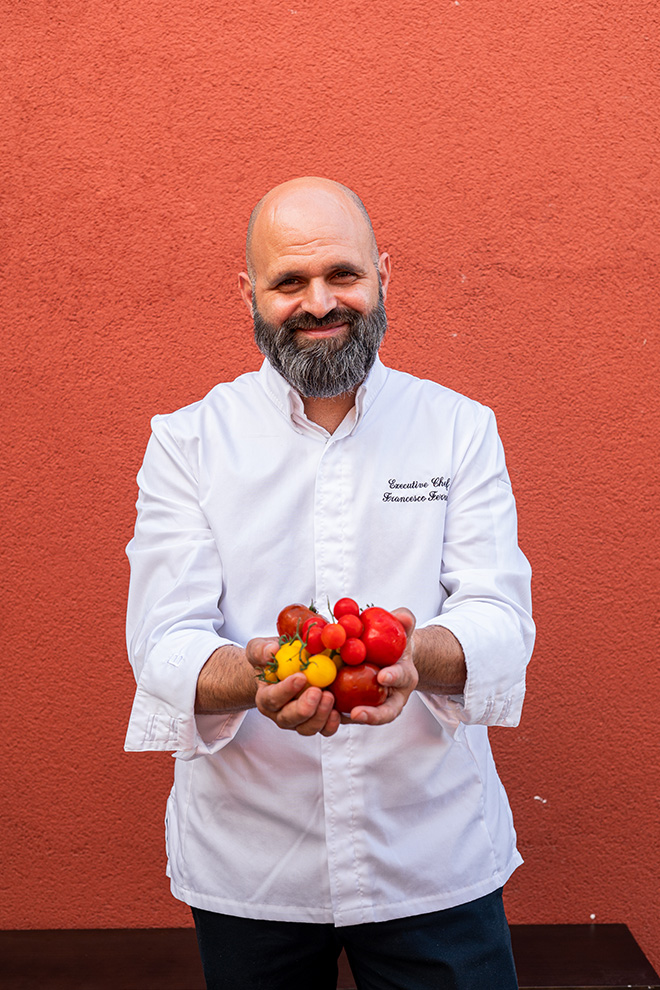
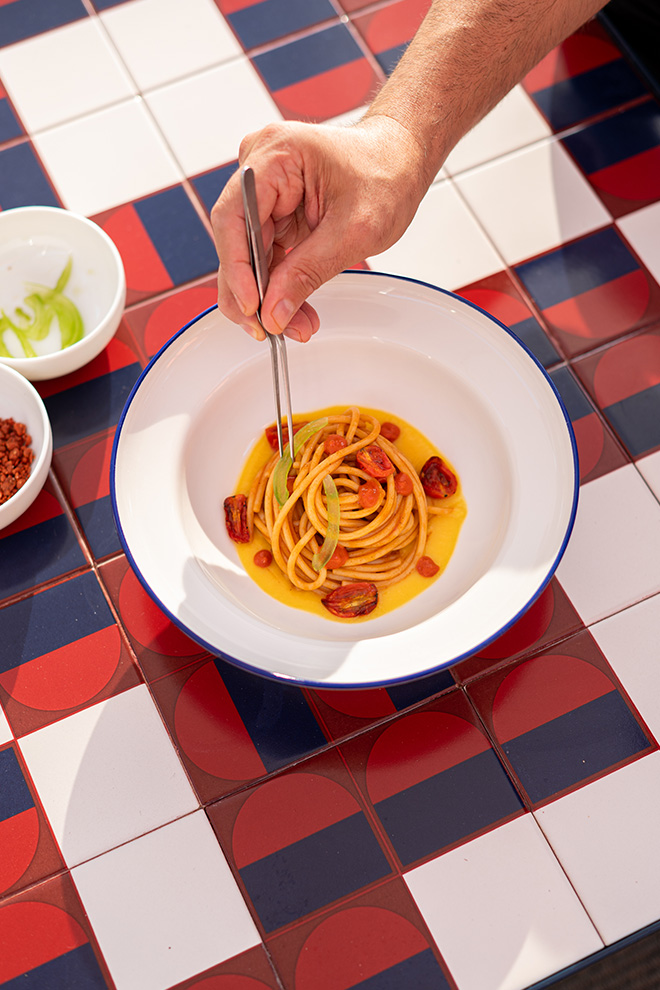
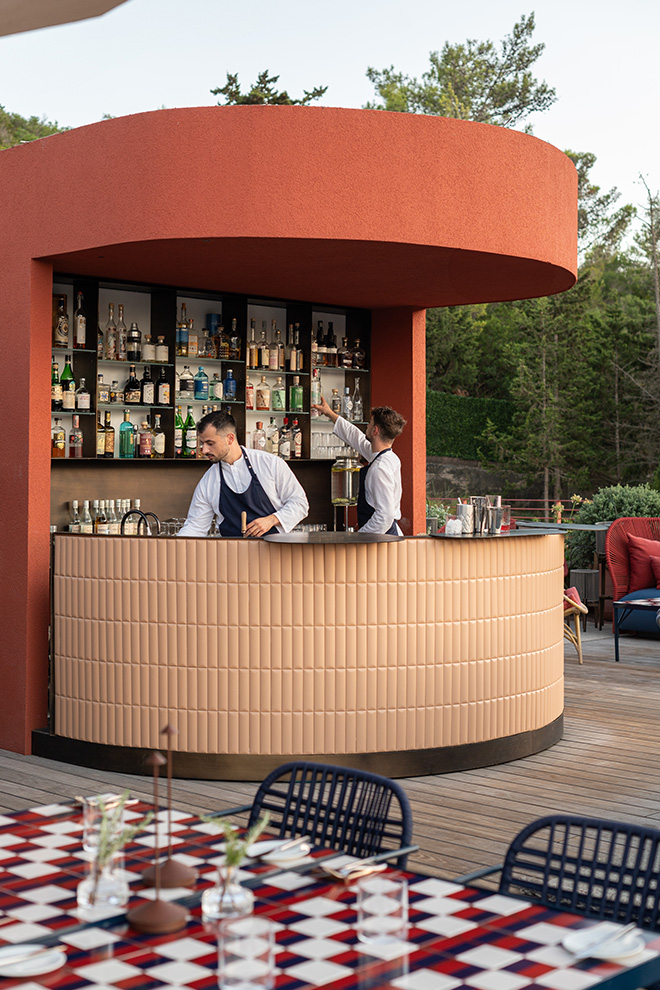
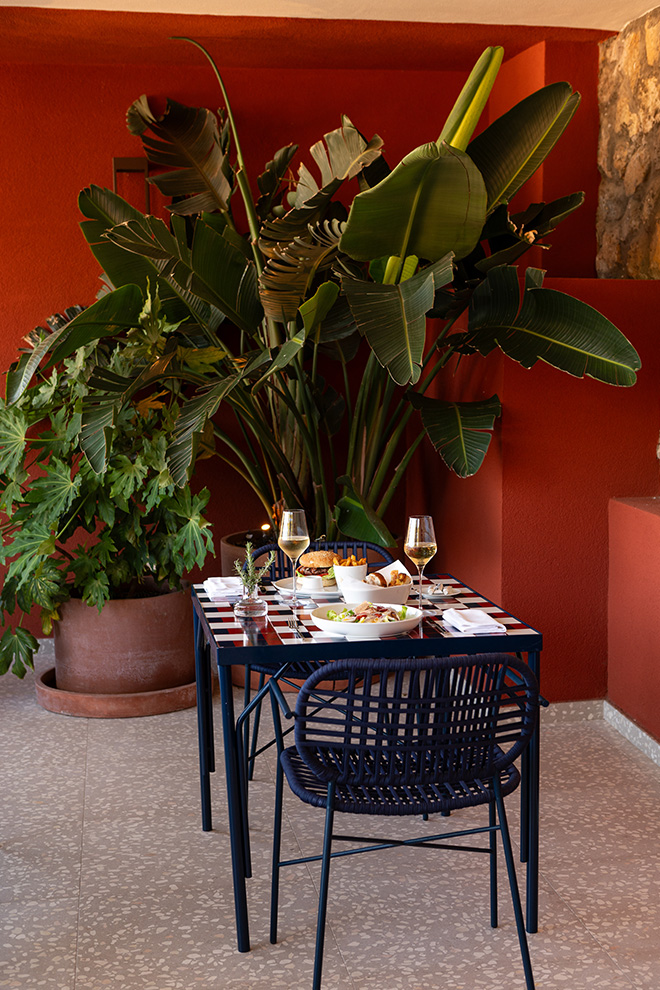
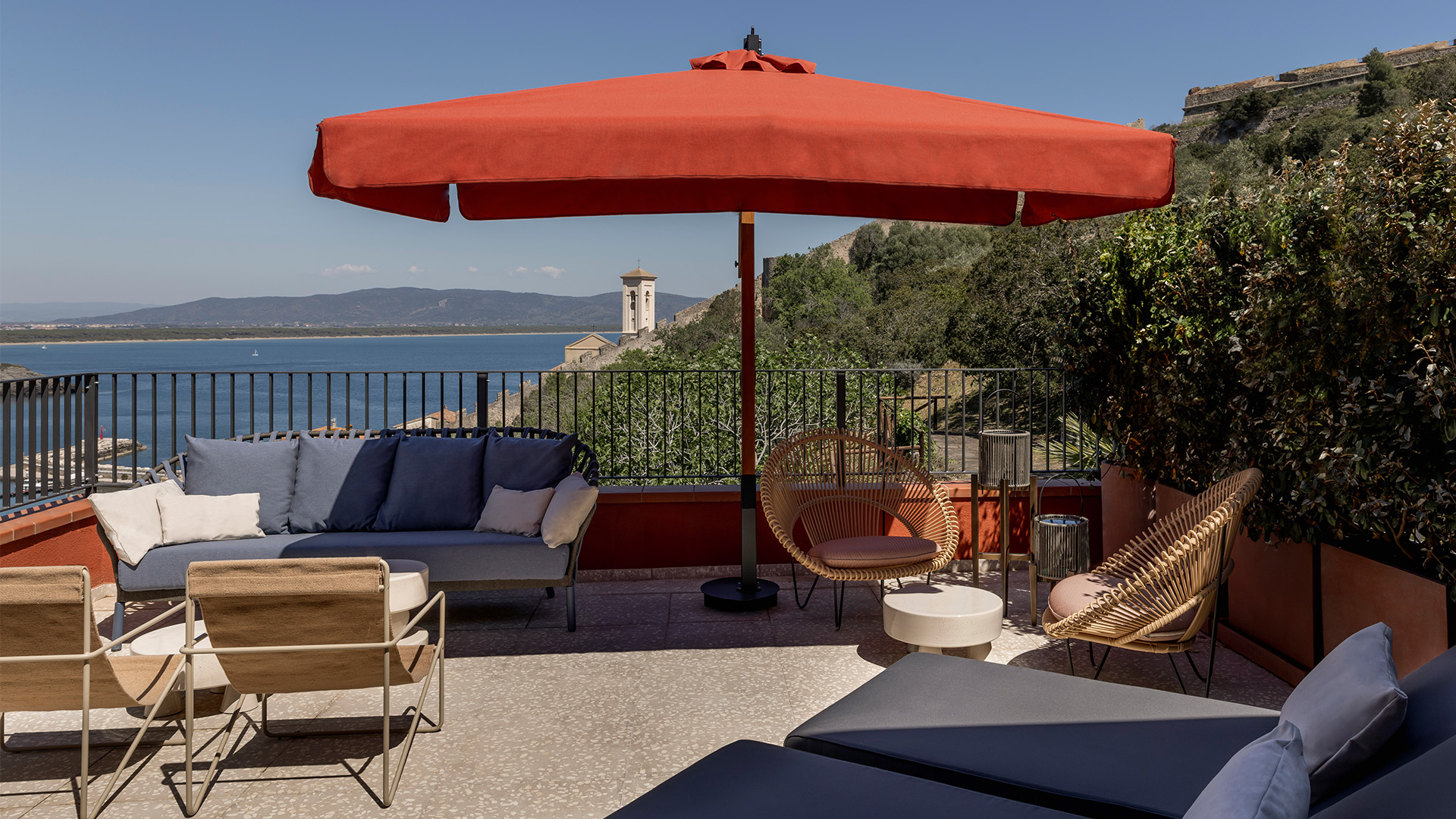
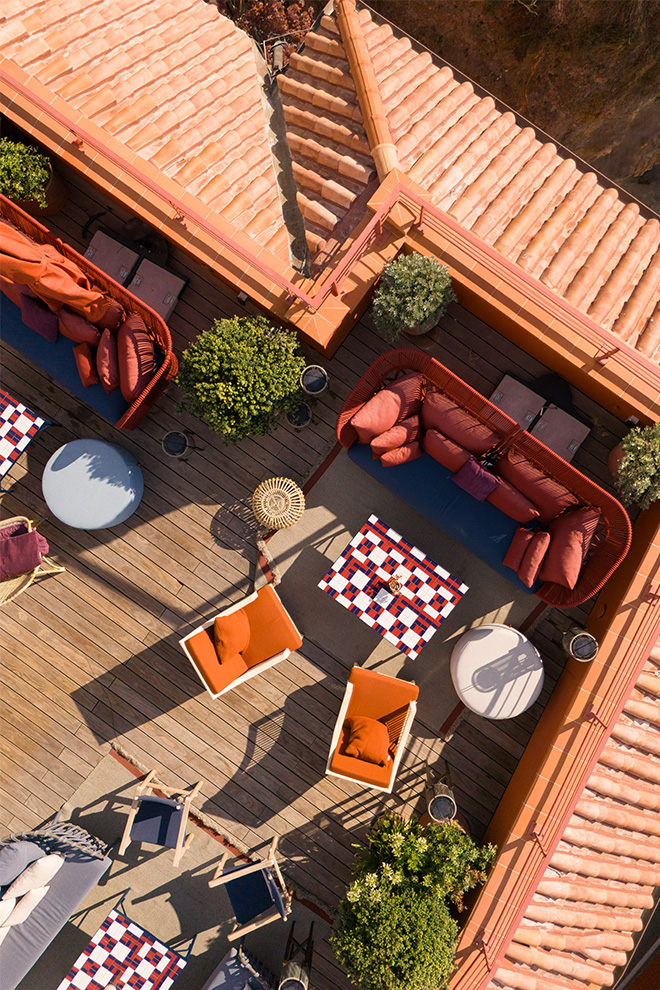
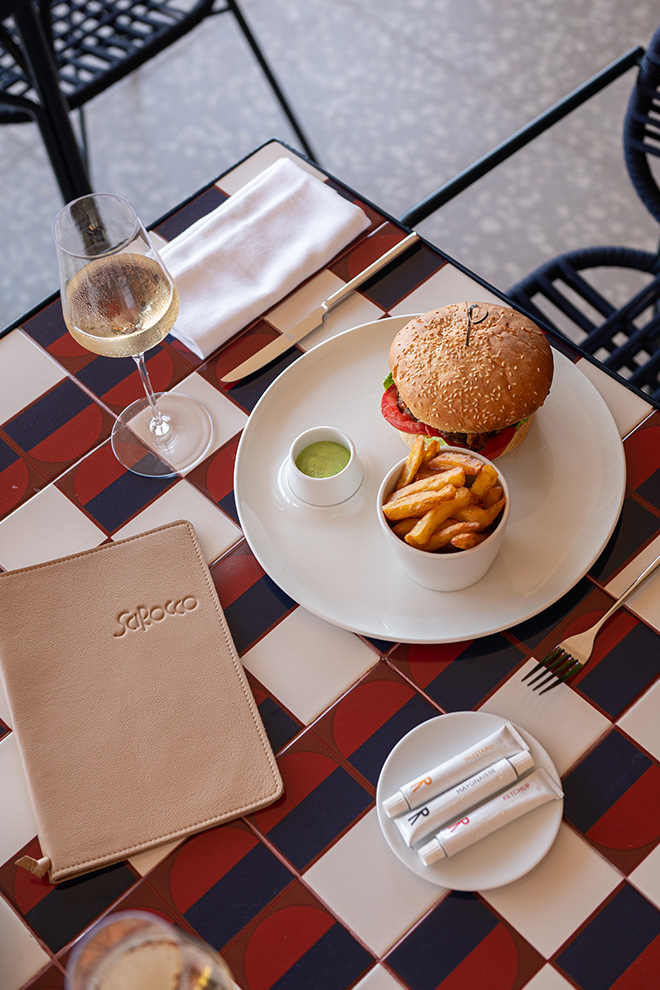
The rooftop restaurant and bar, Scirocco, is a real highlight, and come aperitivo hour the geometric tiled tables are filled with guests and locals enjoying the sweeping vistas across the bay as the sun sets. For dinner, the Tuscan chef maximises local ingredients and both the spaghetti otto pomodori made with eight types of tomatoes and the grilled fish of the day are a must-try. Breakfast, which is also served on the roof, is predominantly a list of à la carte classics, with an ever-changing array of fresh local cakes and preserves arriving at the table alongside your tea or coffee order.
Anything else to note?
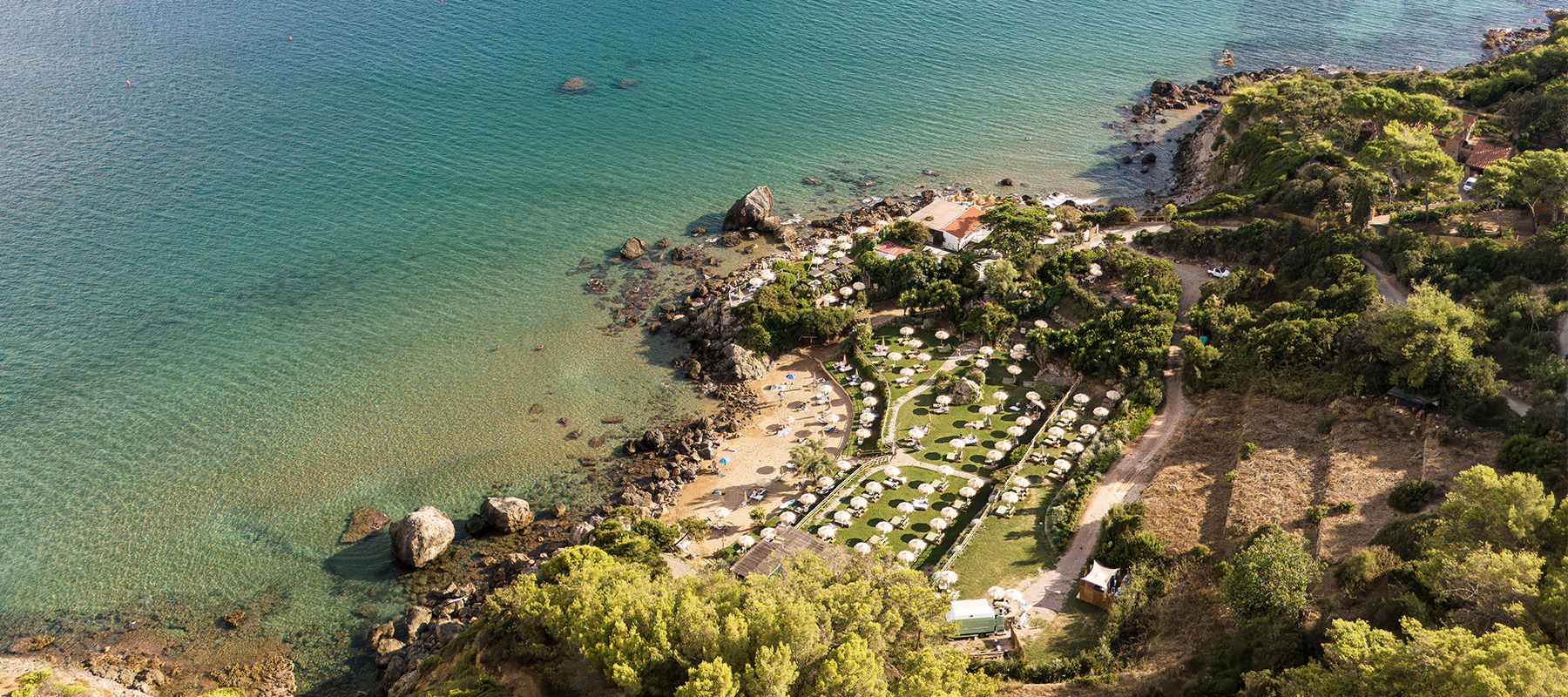
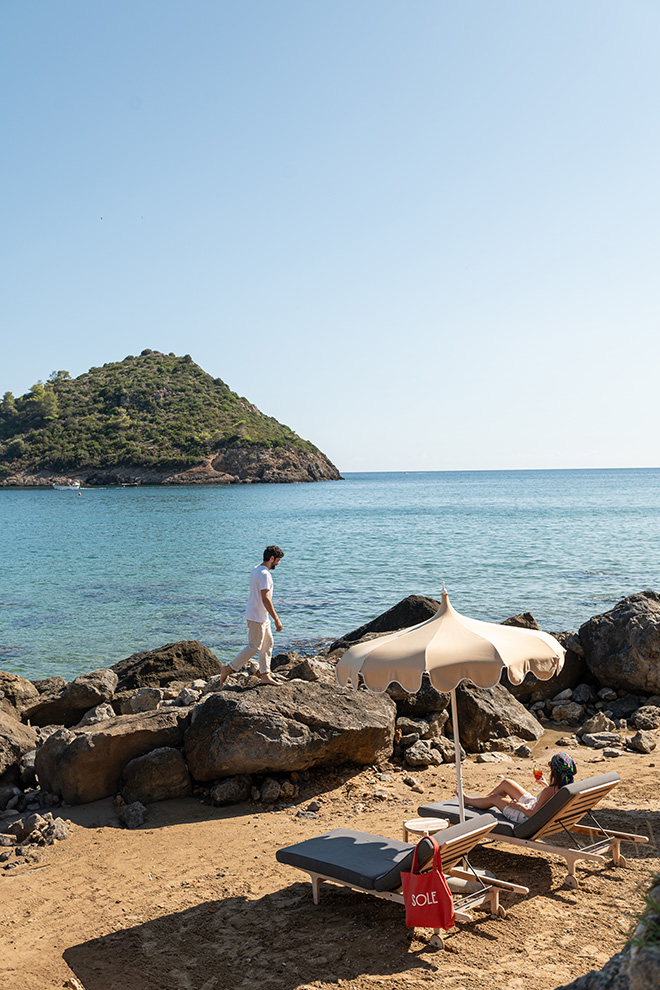
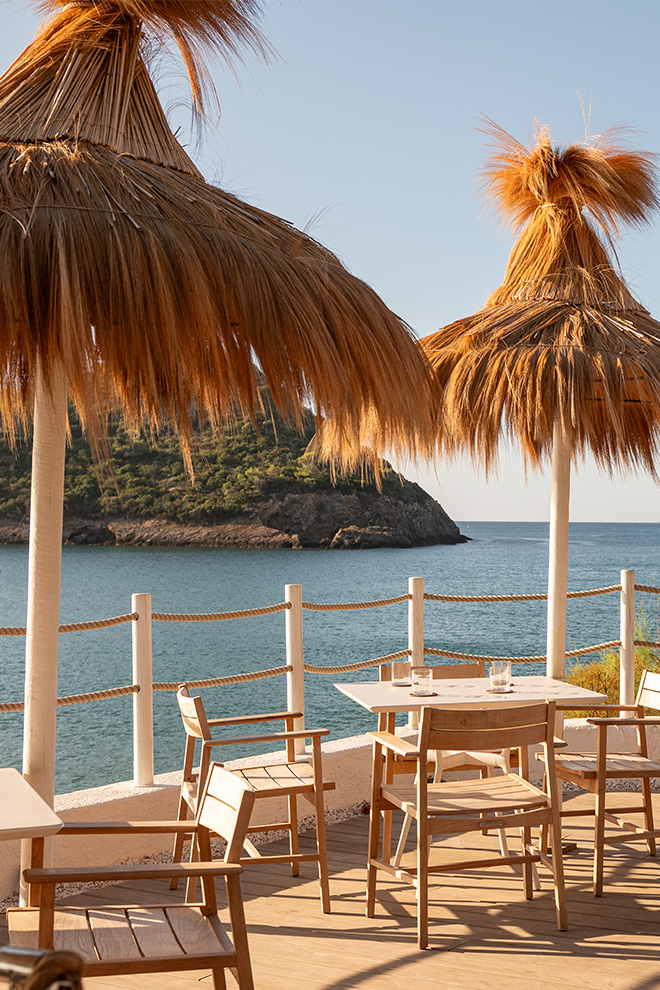
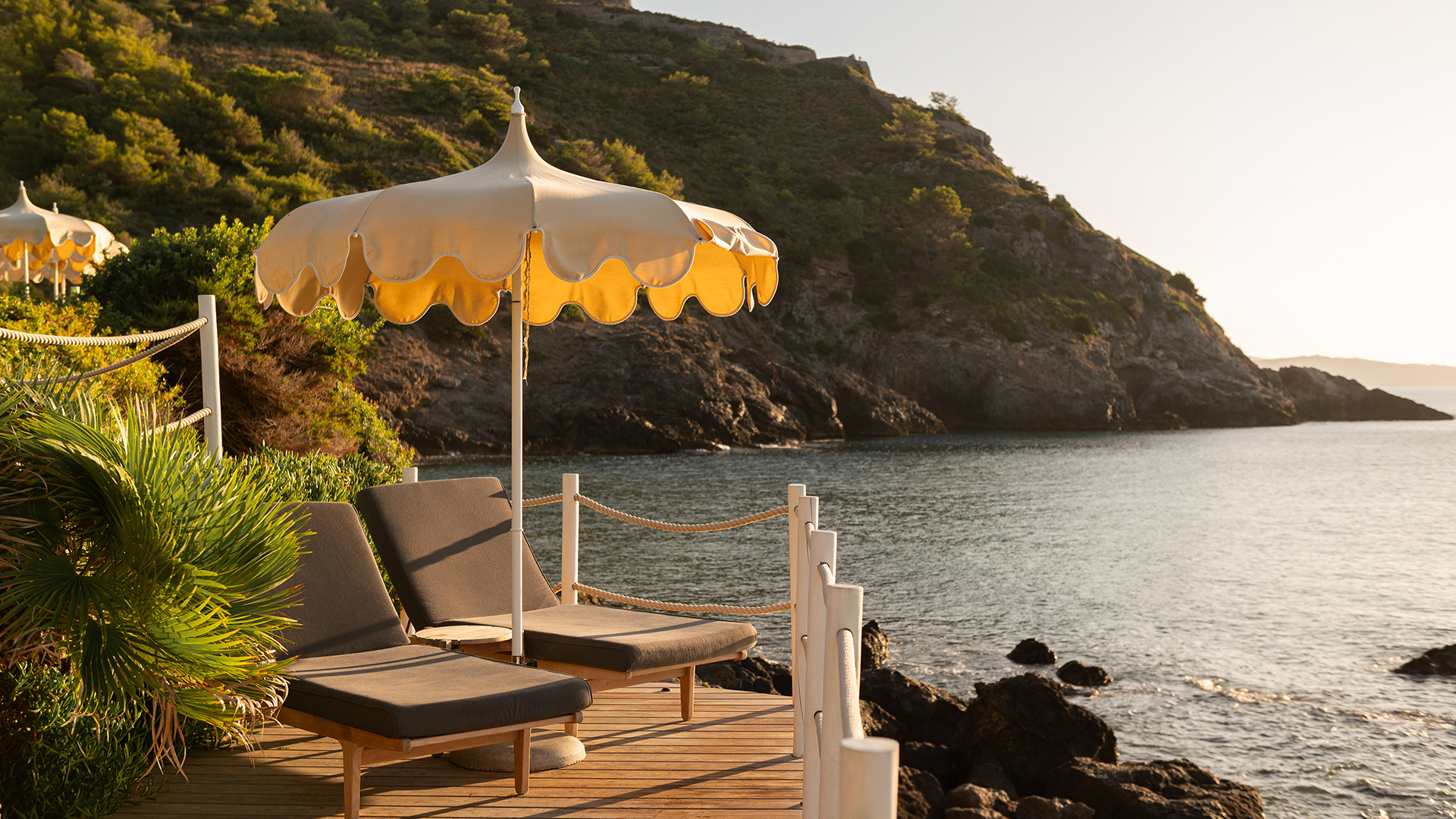
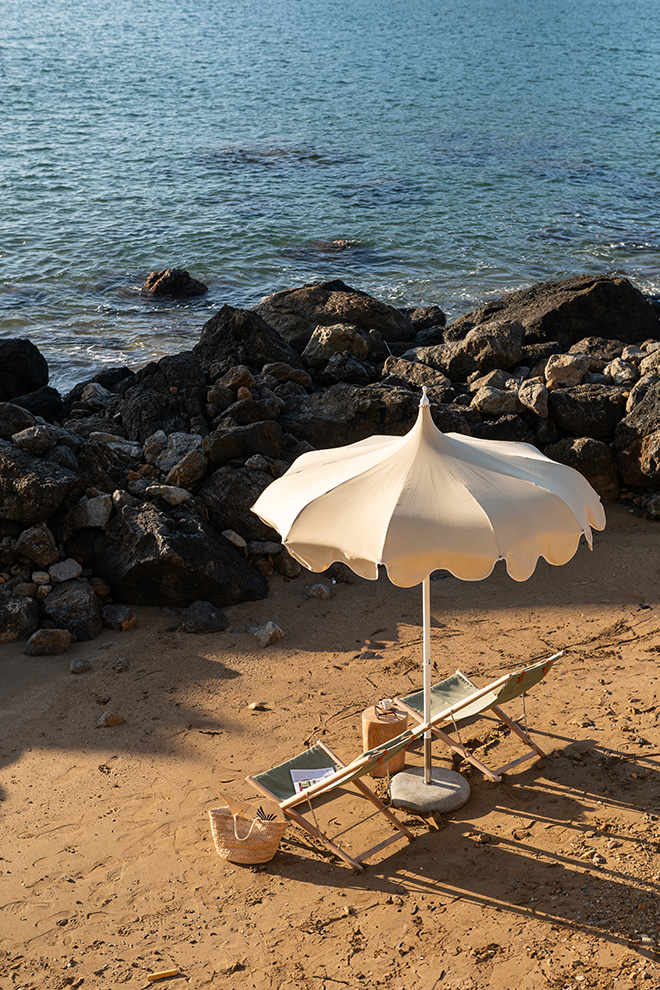
Arguably, the jewel in the crown is La Roqqa’s Isolotto Beach Club, to which all hotel guests have complimentary access. A 10-minute walk (or a three-minute transfer), this small cove and a sprawling grass terraced area behind are lined with rows of sage green sunbeds and scalloped umbrellas ideal for spending a day dipping in and out of the Mediterranean. The accompanying beach bar serves up elegant sandwiches, salads and gelato under a shady canopy or delivered to your lounger.
As a Considerate Collection member, La Roqqa is entirely decorated with sustainably made furniture, produces its own olive oil while working towards making its own wine, and actively supports L’Orto Giusto, a social cooperative in nearby Orbetello employing young people with disabilities to grown organic fruit and vegetables.
Share this article
Latest stories
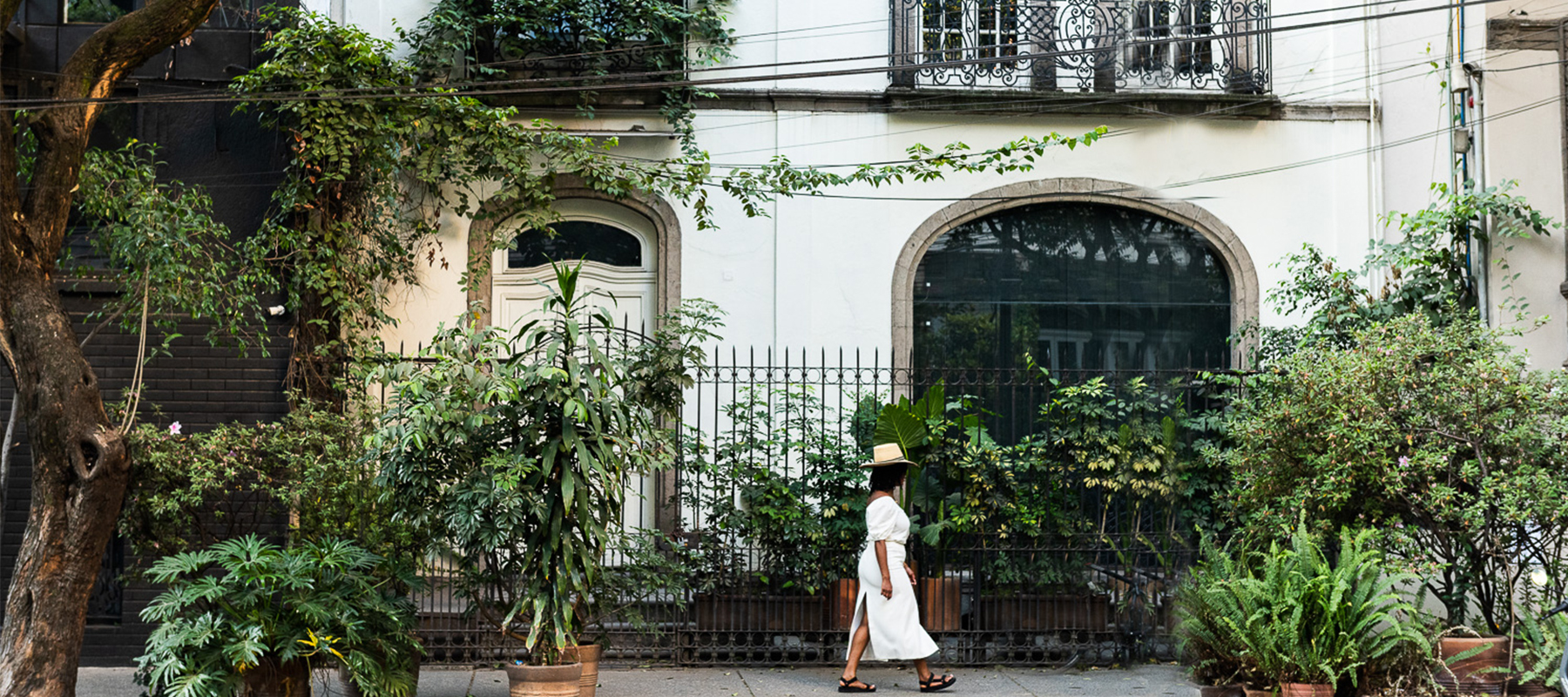
A pocket guide to Roma Norte: Mexico City’s most creative district
Full of characterful, colourful neighbourhoods where culture and cuisine thrive, Mexico City is a magnet for creatives to reside and visit. Condesa remains the go-to for Art Deco architecture and buzzy brunch spots. The bohemian enclave of Coyoacán has long been a refuge for artists. Burgeoning Juárez brings in a
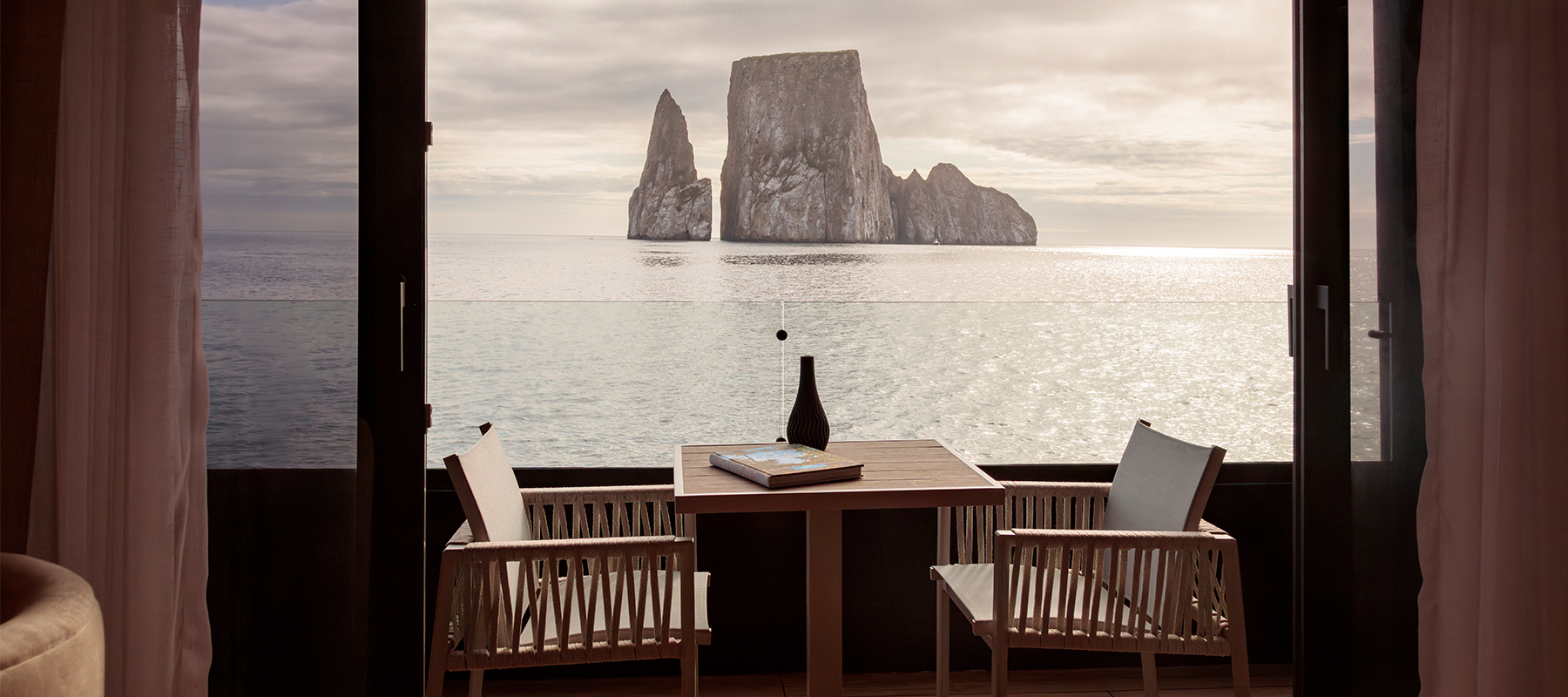
From a dark sky reserve to a tropical catamaran cruise: top boutique stays for March
These hotels play with scale in different ways. Some reduce it — a monastery with 13 rooms, a handful of villas on a vast lake, fewer than 20 guests at sea. Others expand it, offering wide horizons, open water, long sightlines or vertical city views. The result is a collection
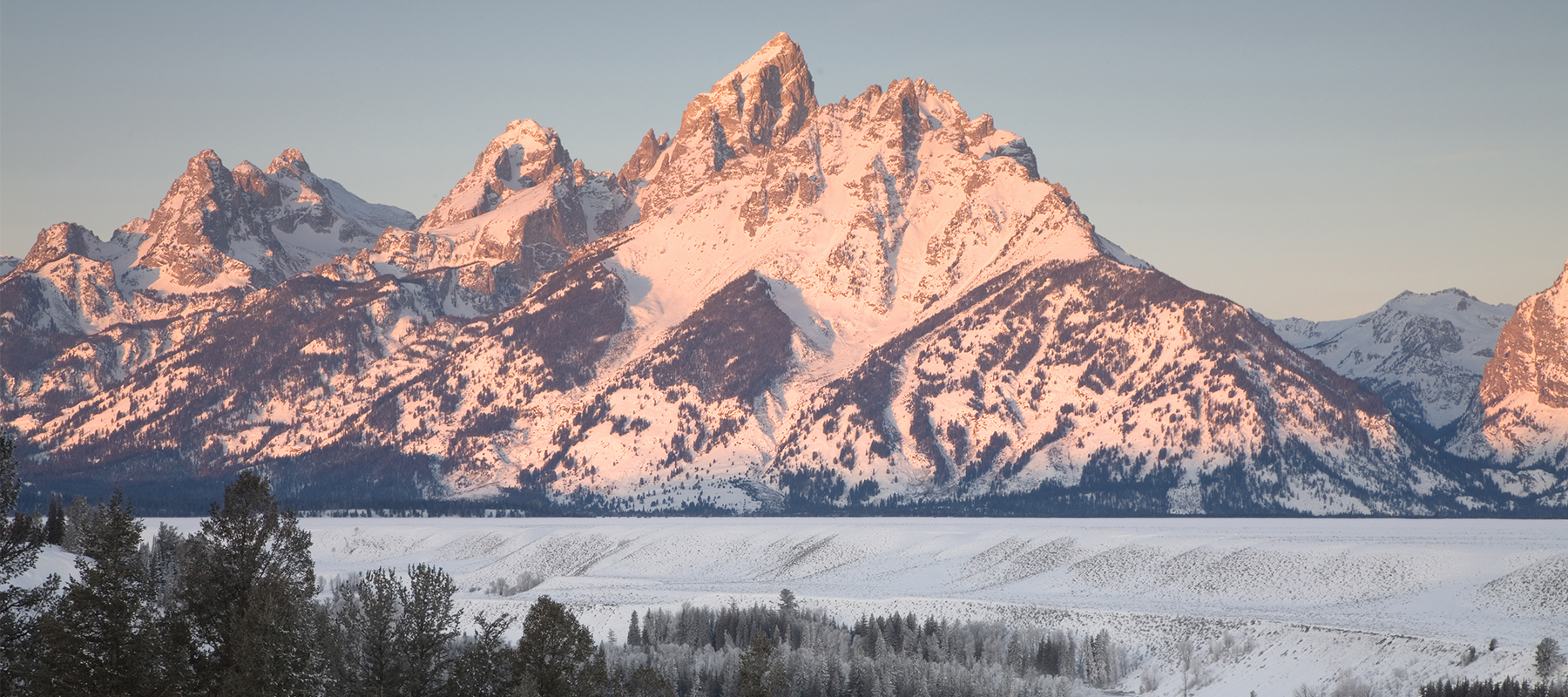
A beloved Jackson Hole lodge reopens for ski season: plus, US mountain hotel top picks
With ski season reaching its peak, discover a revived haven of lofty luxury within the majestic mountain ranges of Teton County, western Wyoming, as a rustic mountain retreat begins a new chapter. The scent of freshly baked cookies still lingers. So does the feeling of being warmly welcomed into someone’s
Northern delights: a ‘coolcation’ itinerary across Norway & Iceland
As the train begins its slow, corkscrewing descent into Norway’s Flåm Valley, snow is softening mountain peaks into meringue-like folds. Outside the window, waterfalls freeze mid-cascade, as forests stand still under crystal light. The Flåm Railway — a staggering feat of engineering — feels like a portal into another season,