

Fashion meets farmhouse chic in the Ferragamo family’s holiday home turned tranquil Tuscan retreat
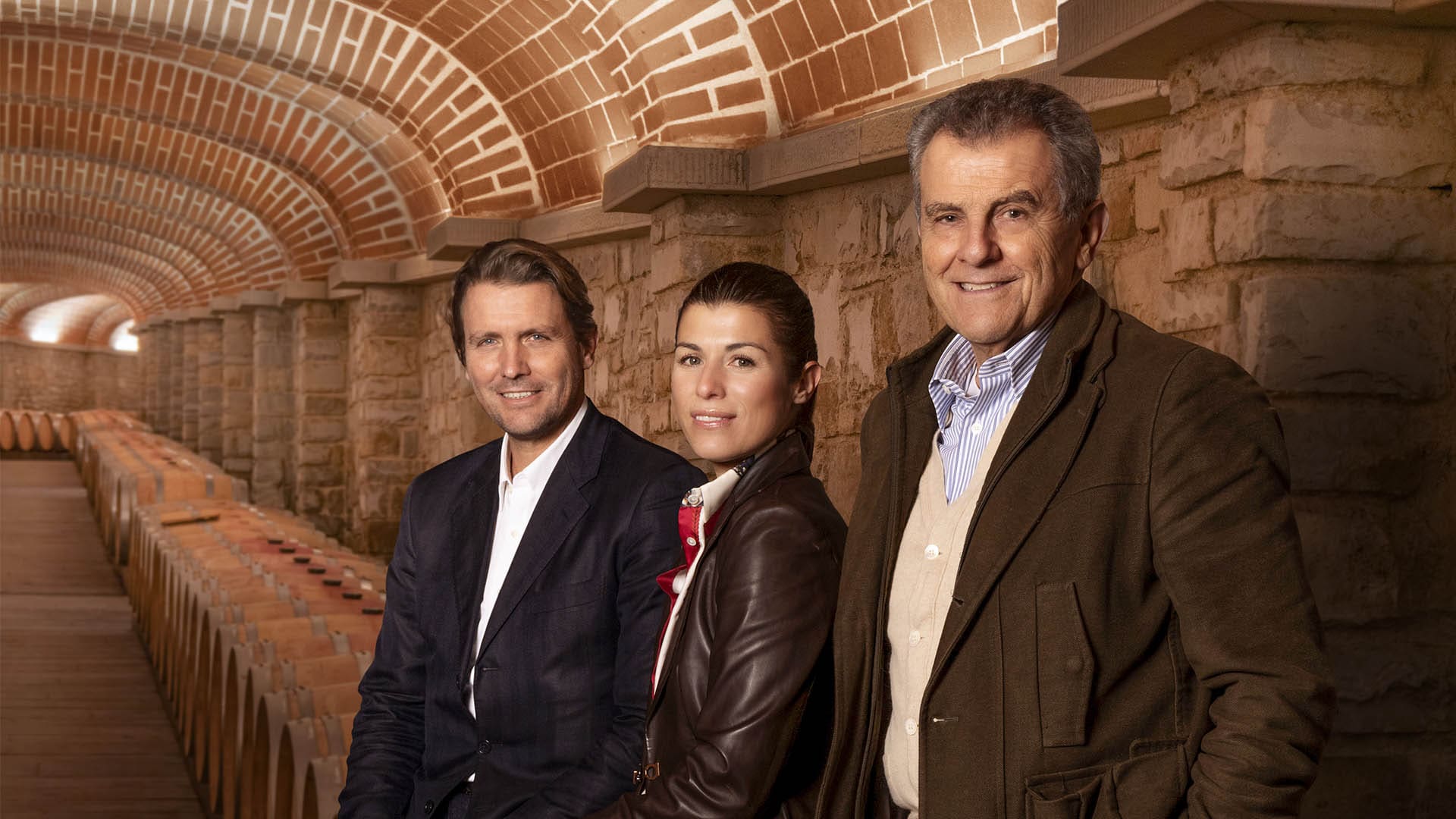
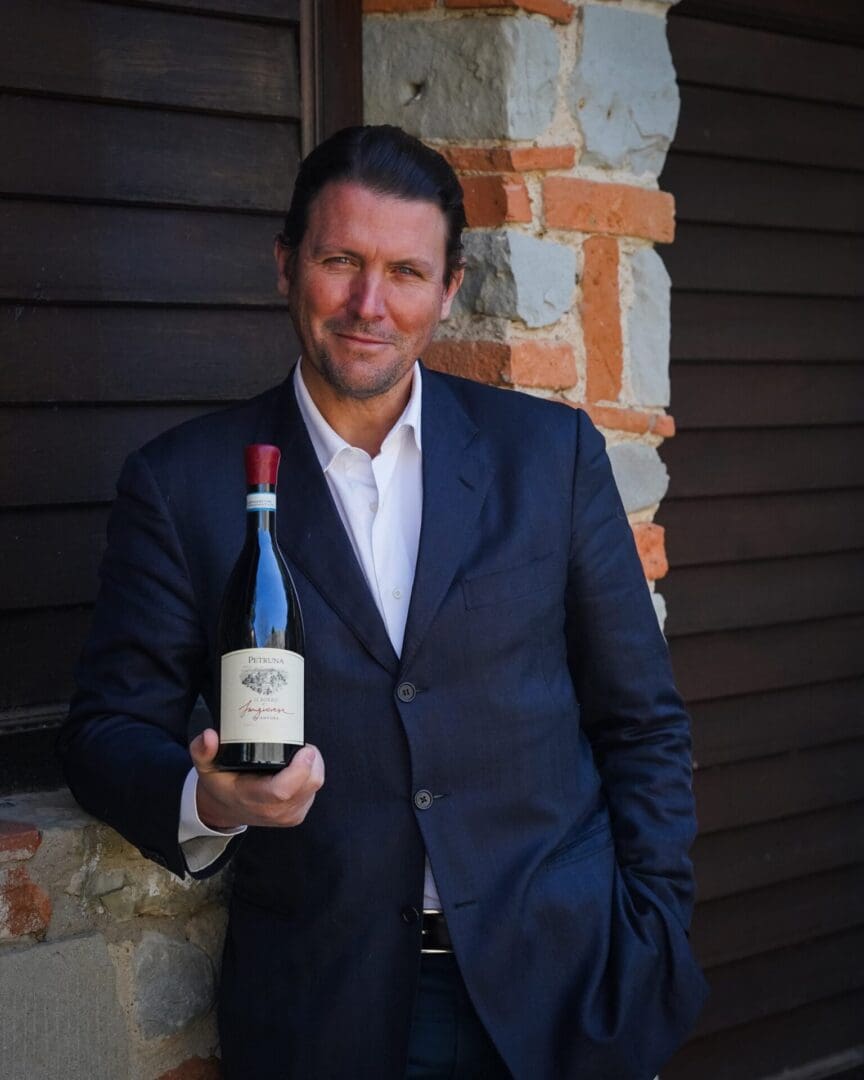
The Ferragamo name is known the world over as a symbol of Italian luxury, ever since Wanda Ferragamo transformed her husband’s shoe-making company into the global fashion house that it is today. As the family holiday home where Wanda, Salvatore, and their six children spent summer days and long weekends soaking up the Tuscan countryside, Viesca Toscana holds a special place in the heart of Salvatore Ferragamo, grandson of the Salvatore who gave his name to the brand. Transformative projects clearly run in the family, as Salvatore recently stepped into his grandparents’ shoes to renovate and run the estate as an exclusive collection of villas and suites for travellers in search of the true Tuscany.
What does being ‘independently minded’ as a hotel owner mean to you?
I believe that being an independently operated hotel allows you to have a unique approach to hospitality and in catering to your guests’ needs and maximising their experience on property. For me, being an independent hotel translates to offering authentic experiences for our guests that reflect the personality and style of the owners in a unique way.
What was the inspiration behind the hotel, and where do you continue to find sources of inspiration?
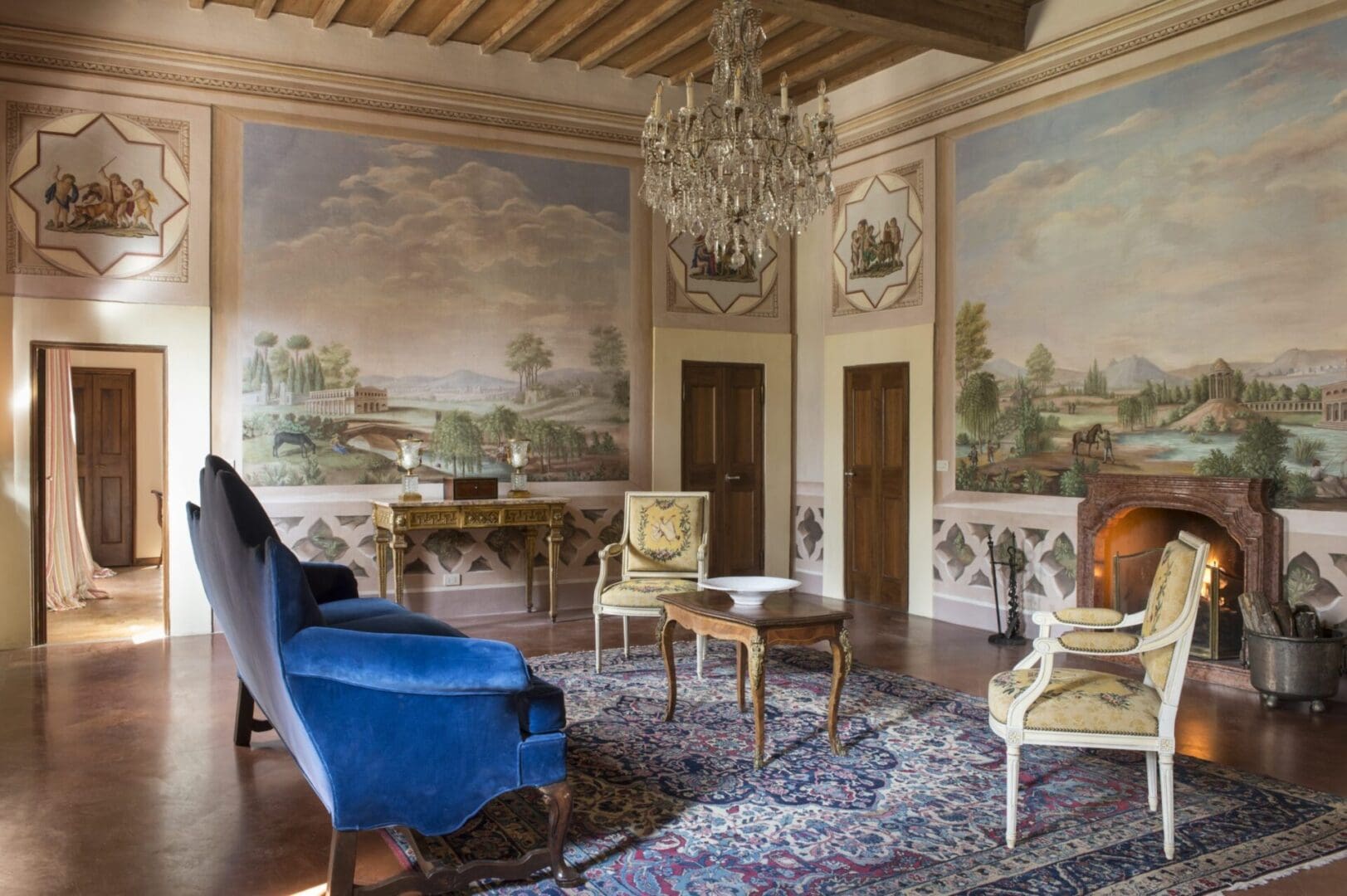
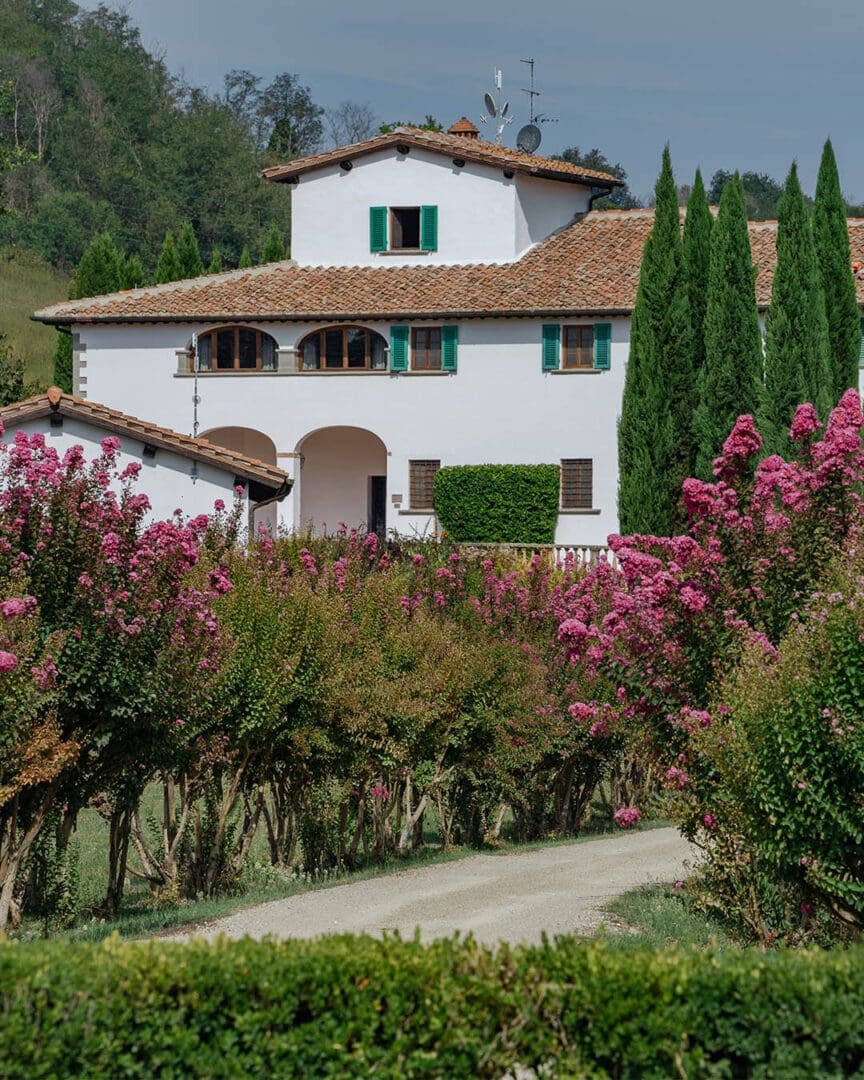
We are inspired by the vision of my grandparents, Wanda and Salvatore Ferragamo, who originally bought the Viesca estate as a family retreat for long weekends in the countryside. My father would holiday there with his parents and five sisters, and have the most wholesome time just running around with the chickens and playing games in the garden. When my grandparents bought the estate, they occupied the main house while farmers still lived in the surrounding casolari – typical Tuscan farmhouses – so there was this wonderful community spirit about the place. The architecture and styling of Viesca is of a rural Tuscan nature, with the addition of the 16th century manor house. We have a passion for high quality farm produce and have adopted a ‘slow food approach’ to dining, giving guests a farm-to-table experience and a true taste of Tuscany.
When my grandparents bought the estate, they occupied the main house while farmers still lived in the surrounding casolari – typical Tuscan farmhouses – so there was this wonderful community spirit about the place.


How do you think your hotel stands apart from other luxury hotels?
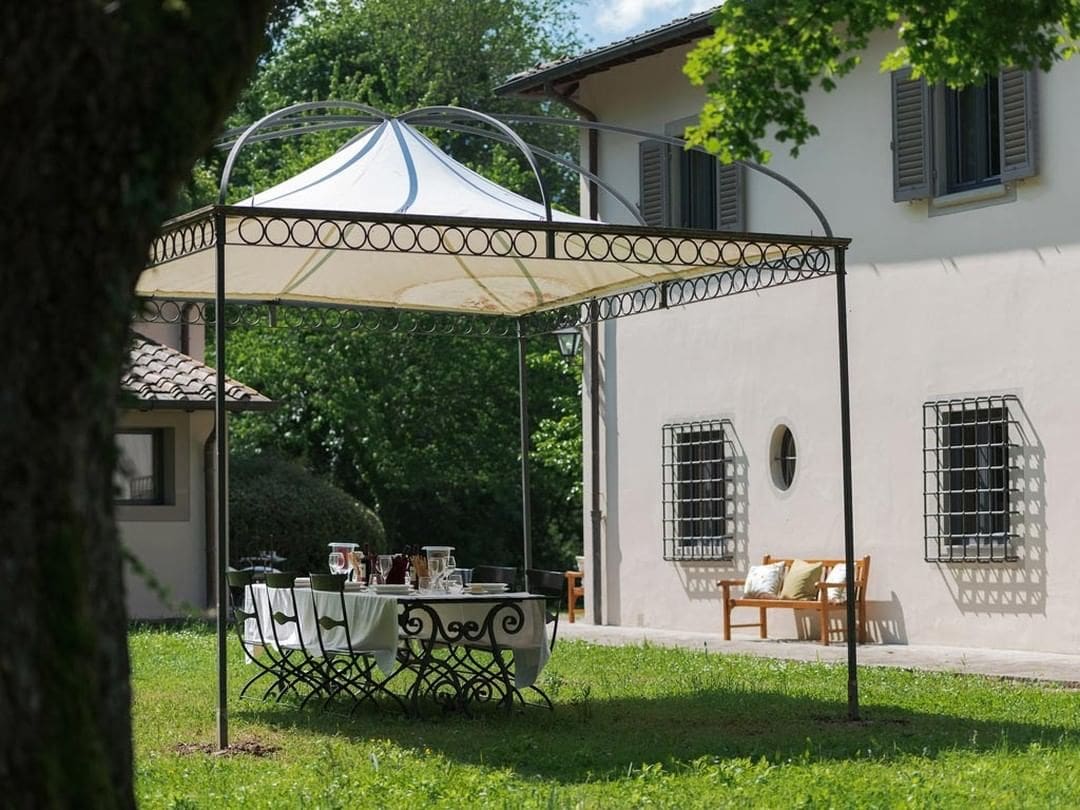
The privacy and tranquillity of the estate sets Viesca apart, as you are completely immersed in the Florentine countryside. Our villas stand at a discreet distance from one another, which means you feel like you’re in a world of your own, while the suites are split between the manor house and a cottage in the grounds. We also pride ourselves on putting the best of Tuscany on a plate, using traditional, local ingredients and vegetables from the Viesca organic garden in authentically Italian dishes, created by our Tuscan-born and bred chef, Andrea Campani.
If you only had 24 hours to get a taste for your hotel experience, what would you recommend a guest must do?
I would start with an early e-bike sunrise tour of the local Le Balze landscape (which inspired Leonardo da Vinci), followed by a rich breakfast of our organic eggs. Unwind with some rest and relaxation by the pool before an alfresco lunch. Then, pay a visit to the nearby San Regolo for some afternoon shopping, before returning to Viesca for an evening game of tennis on one of our two courts. Finally, watch the sunset over the rolling hills from the terrace of our Il Borro Tuscan Bistro while dining on the traditional flavours of Tuscany, washed down with quality Italian wines.
How would you describe your own perfect luxury experience?
I feel that the word ‘luxury’ is a very personal word for everyone to interpret in their own way. For me, luxury in hospitality lies in providing unique and authentic experiences which are true to both the style of the accommodation and Tuscan rurality, but with familial comforts and a dining experience which does not compromise on the quality of the ingredients or the beauty of the setting.
Do you have a vision for the future of the hotel?
The history of the Viesca area stretches back to Roman times, and the estate itself has passed through the hands of the Counts Guidi in 1200, the Medici-Tornaquinci and Martelli families at the end of 1700, and finally to my family in the 1950s who transformed the manor house and neighbouring farmhouses into a private residence through careful architectural restoration. Over time, we have also collected more than 300 agricultural objects and work tools from pastoral families who have lived and worked in Viesca, along with art pieces, to be displayed in our Agricultural Museum which tell the story of rural Tuscan life. We hope to continue to preserve and protect these Tuscan traditions for generations to come.
Latest stories

Making tracks: a train journey taking in six European cultural capitals
It’s official – inter-railing is back, as travellers increasingly swap flights for the speed and ease of Europe’s rail network. Think zippy connections, city-centre arrivals, and stress-free border crossings: train travel is one of the fastest, most convenient, and still sustainable ways to explore the continent. Get ready for a
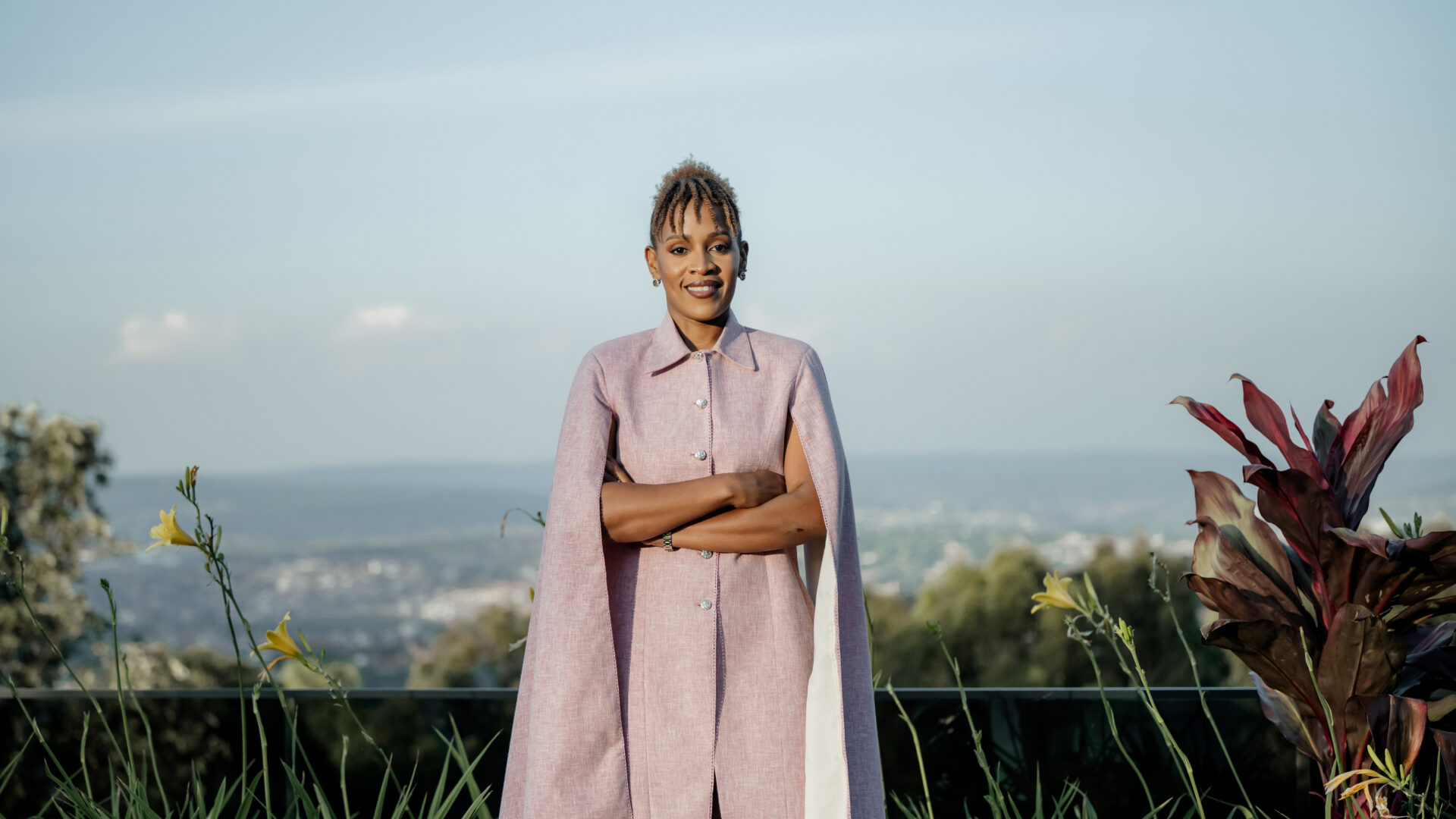
Independent Minds: Sheila Kyarisiima, The Pinnacle Kigali
High above Kigali on Rebero Hill, The Pinnacle offers sweeping views across the city, bringing contemporary luxury together with a strong sense of place. What began as a private family retreat has evolved into a destination that celebrates Rwanda’s culture, creativity and community. Here its founder, Sheila Kyarisiima, shares the
A postcard from: Piedmont with Sina Villa Matilde
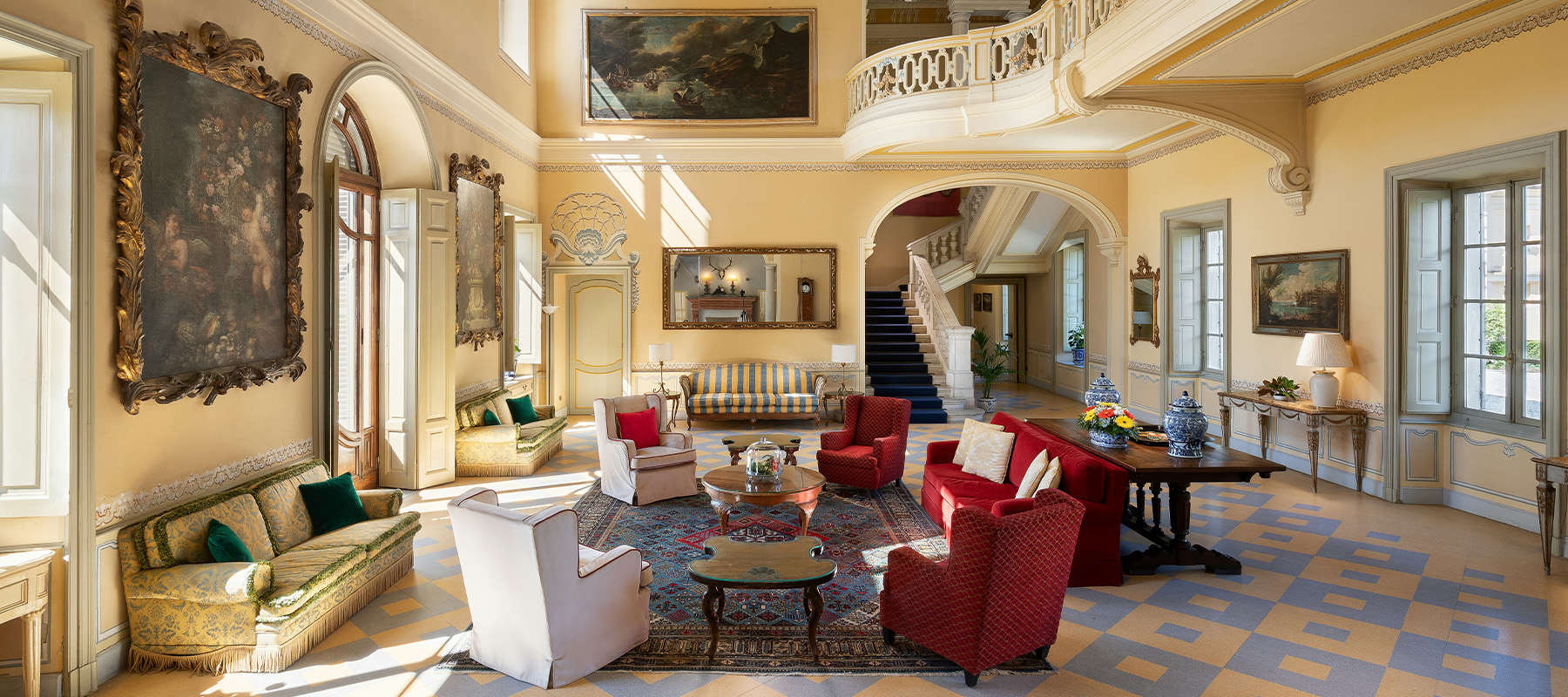
Piedmont may be one of Italy’s less-travelled regions, and that is precisely part of its appeal. Sitting at the foot of the Alps, the landscape is a mix of rolling hills, family-run wineries and elegant country estates, with excellent food and wine at its heart – some might even say
Our edit of hotels to book in October
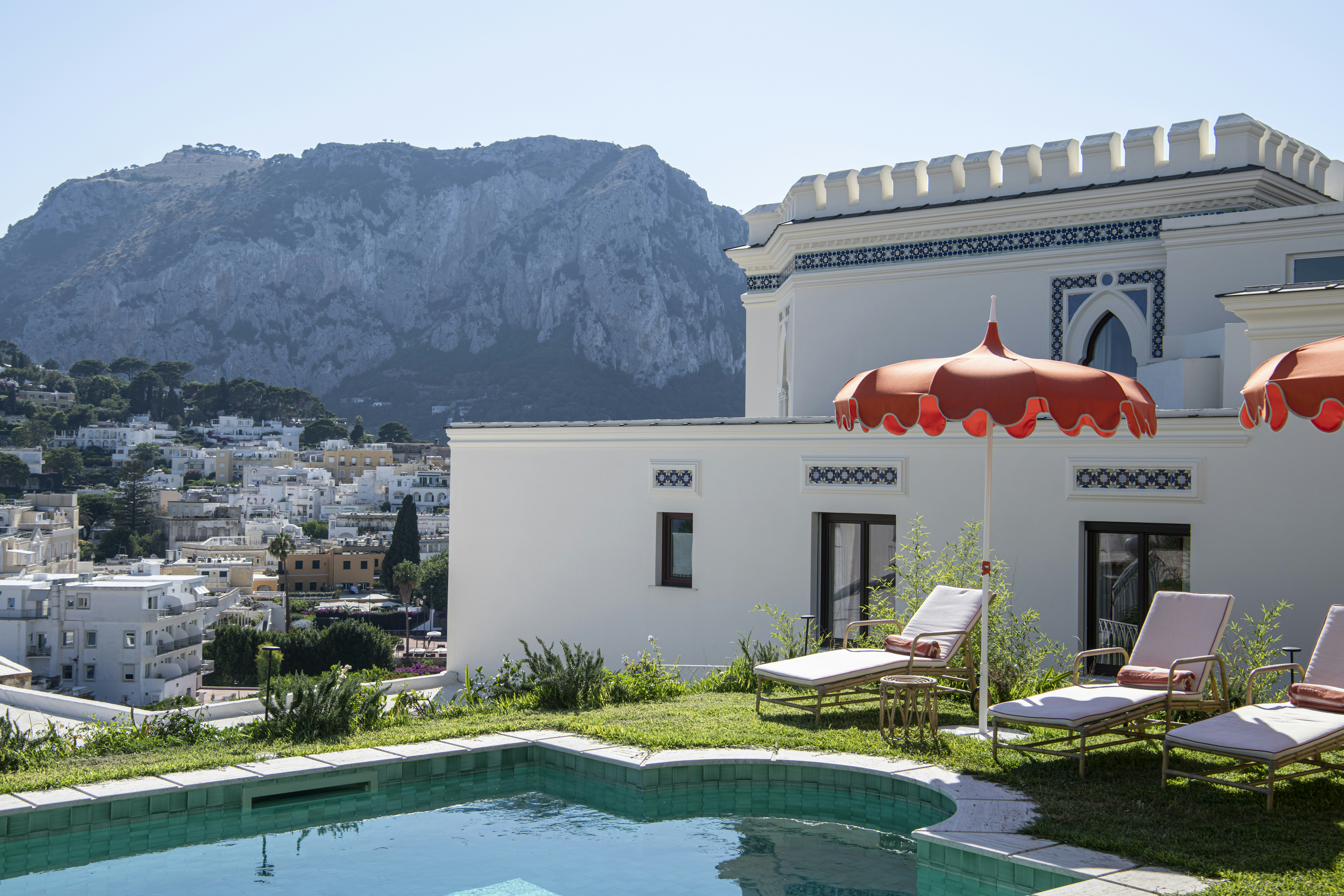
From a colourful restored villa in glamorous Capri to a private island with overwater villas in Indonesia, October brings a new crop of hotels worth knowing about. These are the openings catching our eye this month – some are historic properties given a new chapter, while others bring contemporary flair