
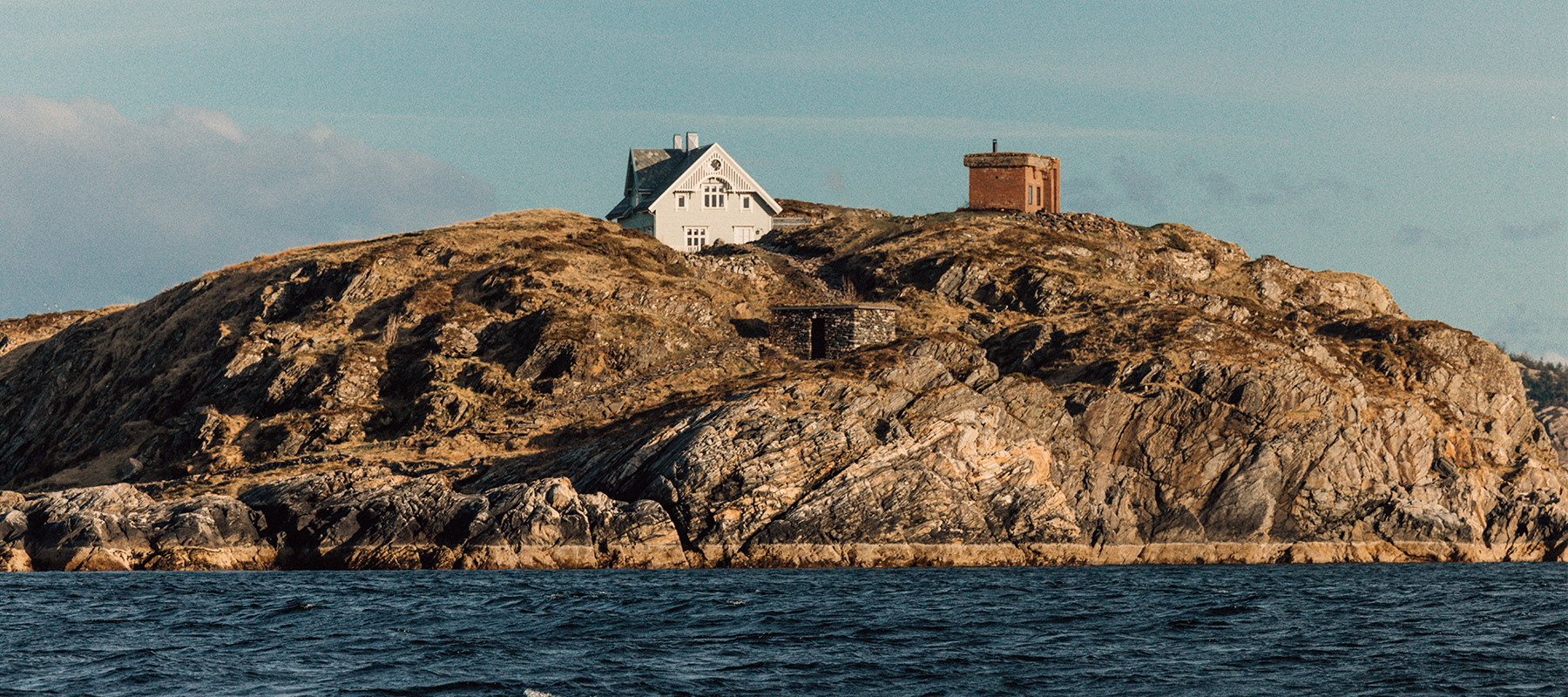

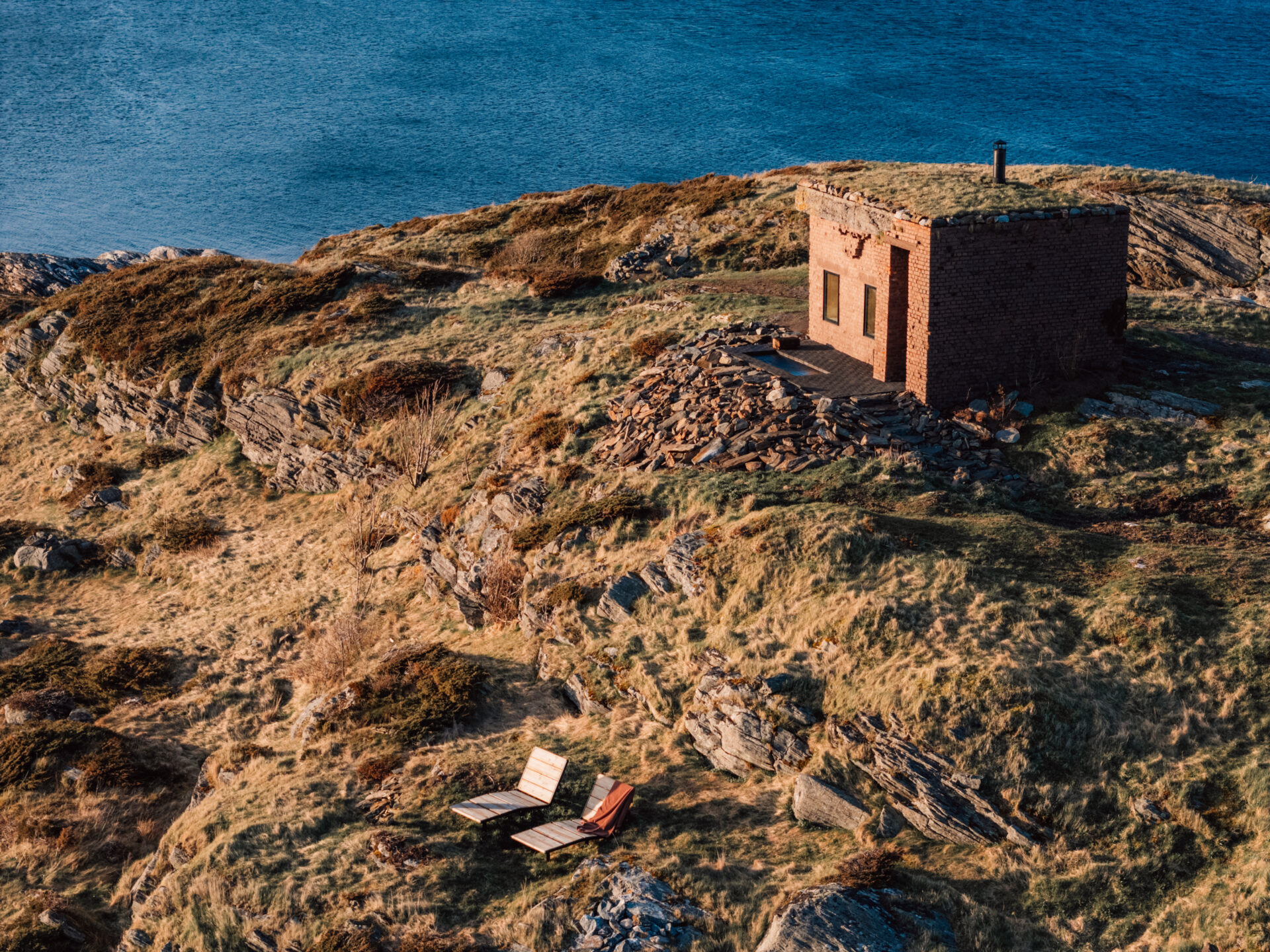
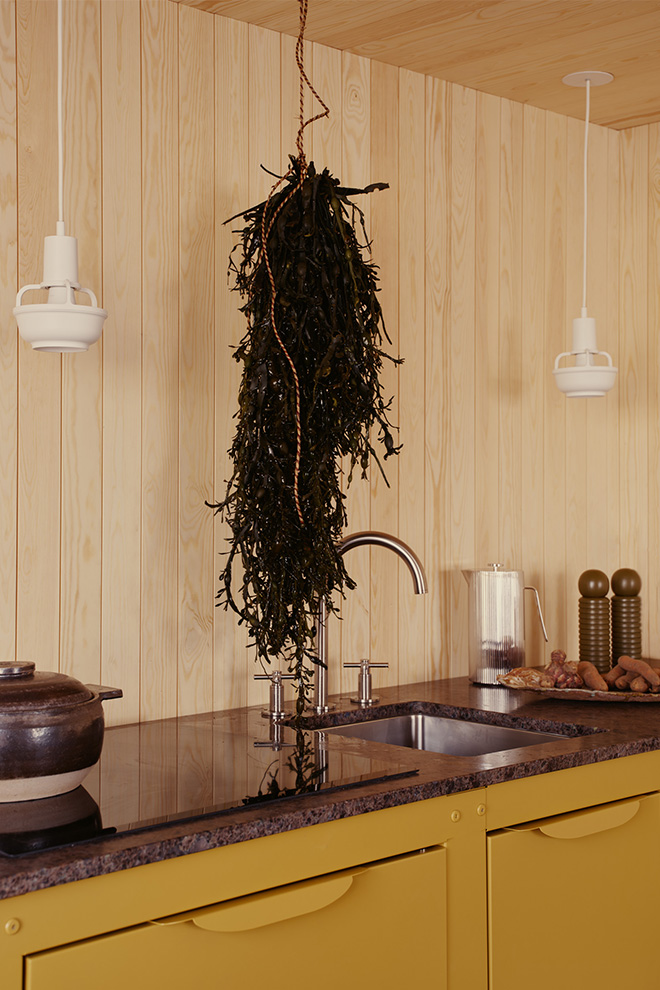
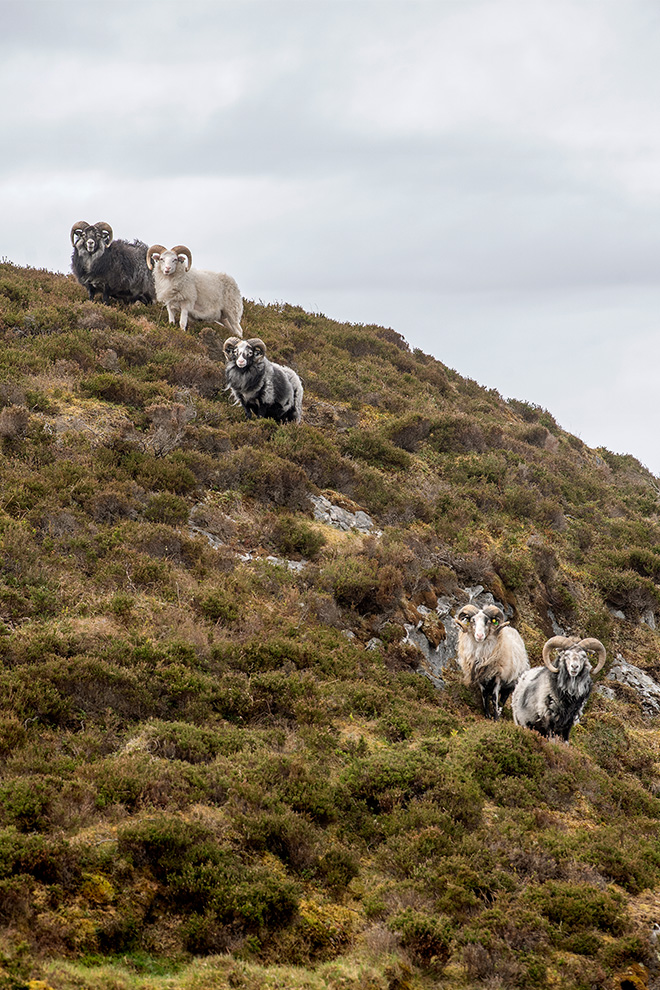
On a small island a short boat ride from Herdla, where salt carries on Arctic winds, sustainability isn’t a slogan — it’s the rhythm of life. At Lilløy Lindenberg, the days move with the tides: seaweed is foraged from the surrounding shallows by chef Antje de Vries, whose vegan, season-driven cuisine transforms the island’s wild harvest into edible art. Around her, a community of makers and dreamers tends to this living experiment in harmony — from Magnus, the island’s builder-boater, to local ceramicists, carpenters, and gardeners who lend their hands and hearts to the land.
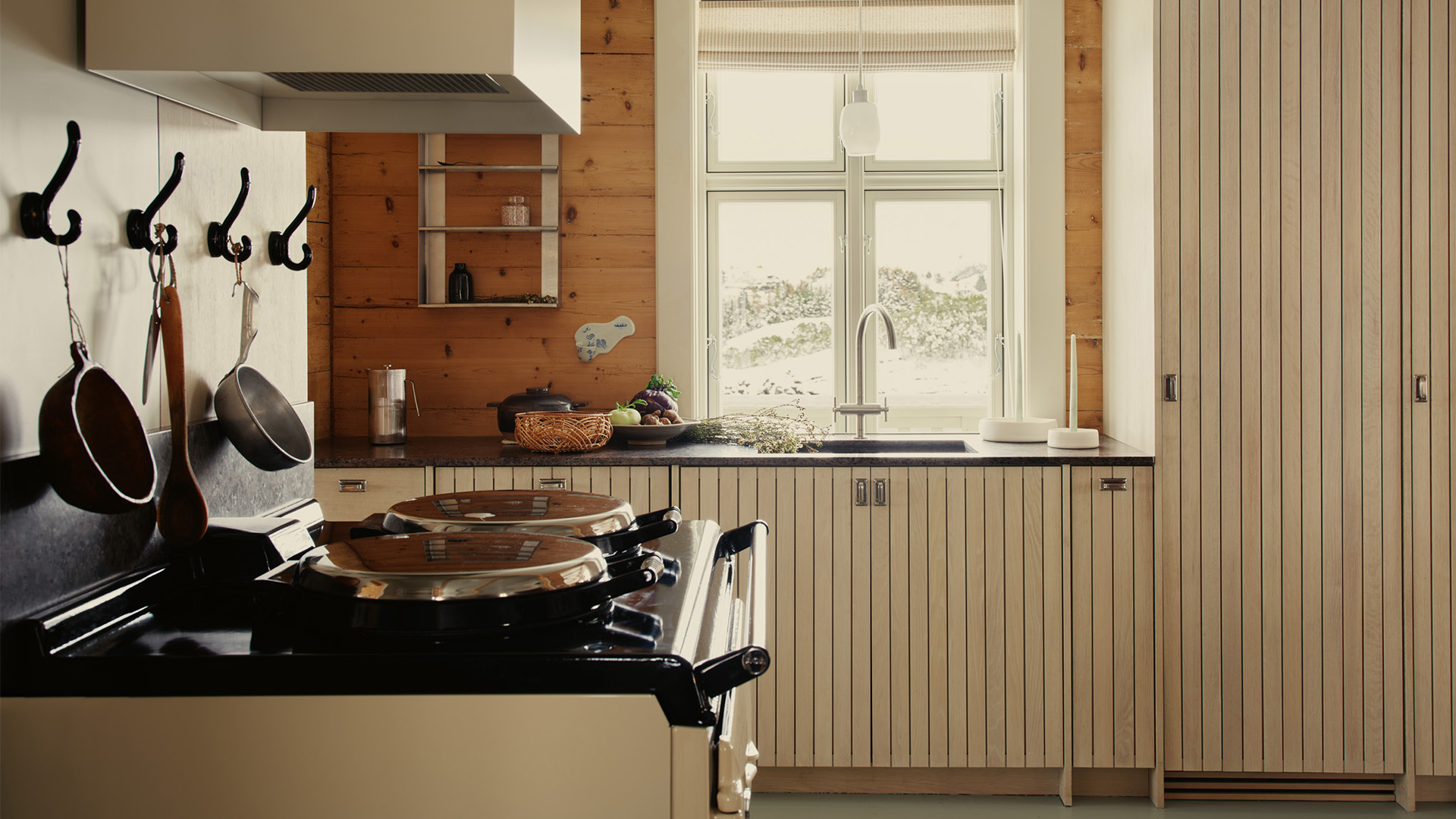
At this Considerate Collection hotel, nothing is wasted: rainwater feeds the gardens, compost nourishes the soil, and the sea provides both inspiration and sustenance. Guests pedal along winding coastal paths or take to the water aboard kayaks and traditional boats, cook beside the Aga stove, or join Antje in the kelp beds — learning that luxury can be as simple as breathing with the landscape. Here, Antje and Magnus share what it means to live, cook, and create in step with nature.
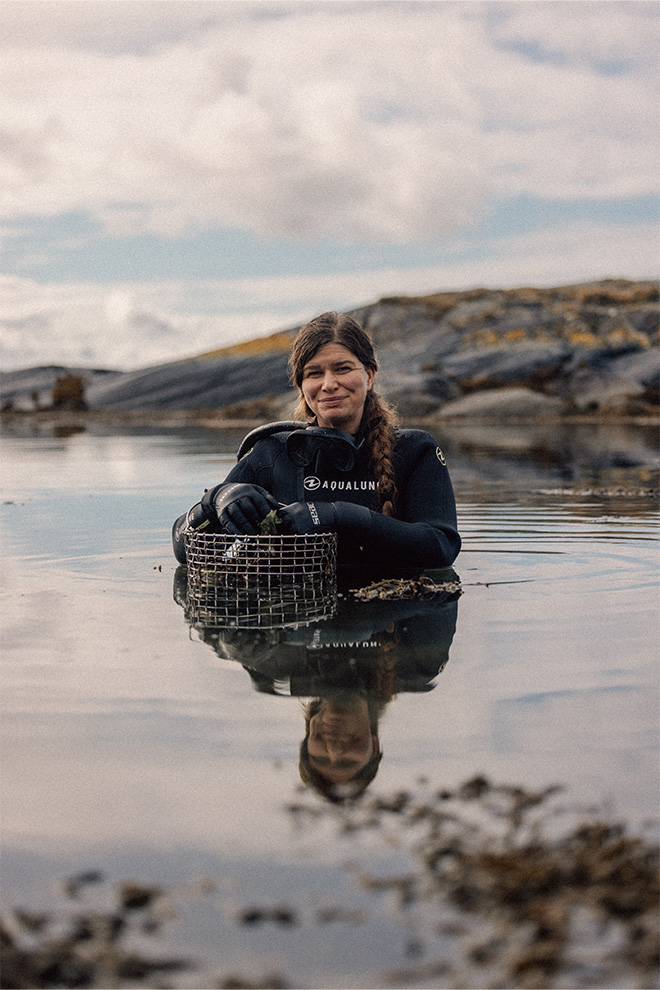
When you forage or dive for ingredients, how do you choose what to bring back to the kitchen?
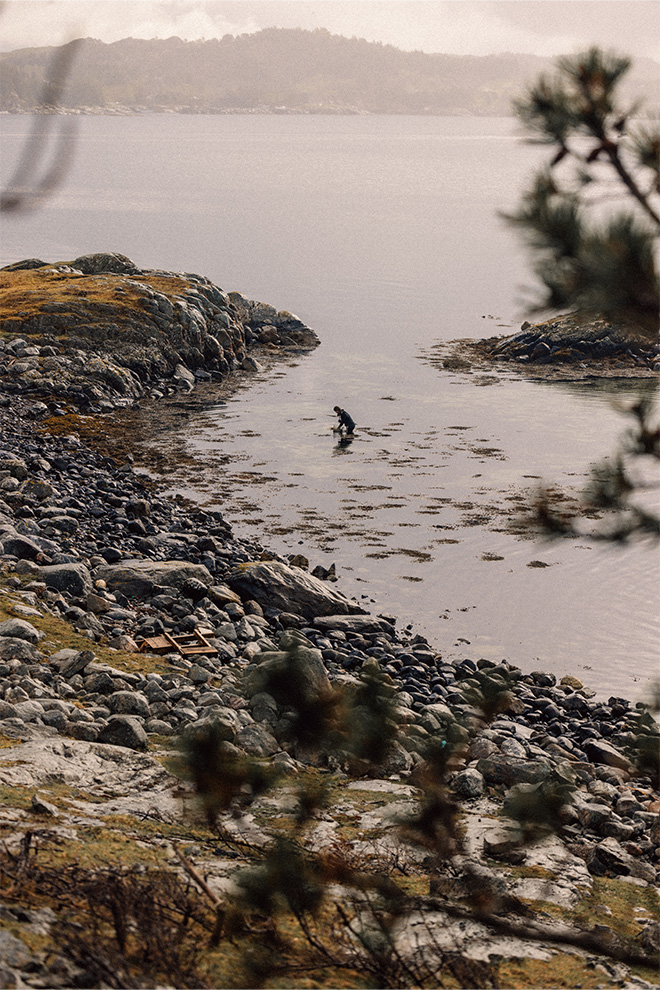
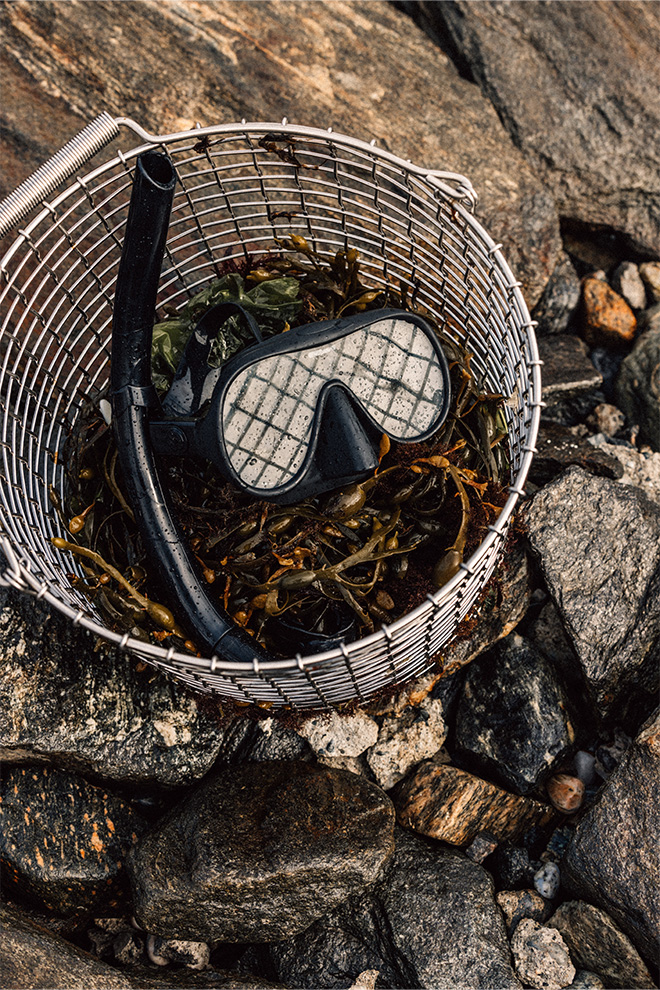
Antje — Seaweed is wonderfully seasonal, with the winter months being the most abundant. Around LILLØY we are blessed with an incredible variety growing in the waters and on the rocks, which allows me to carefully handpick only the finest qualities to bring back to the kitchen. The island’s meadows are also rich in herbs, which we love to weave into our dishes.
How do the locally made ceramics and glazes influence the story you tell through your food?
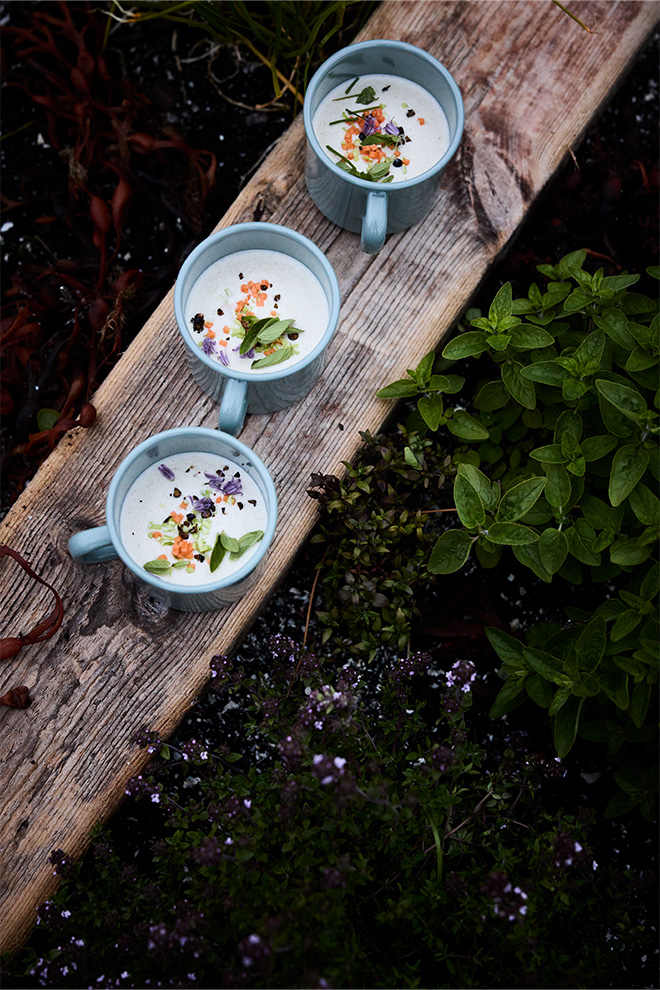
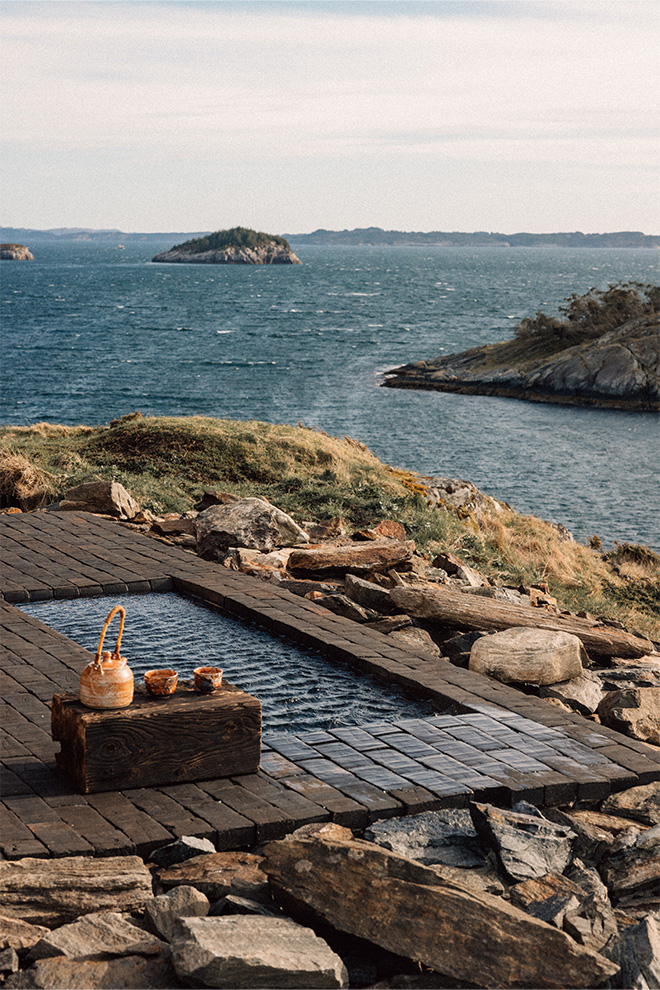
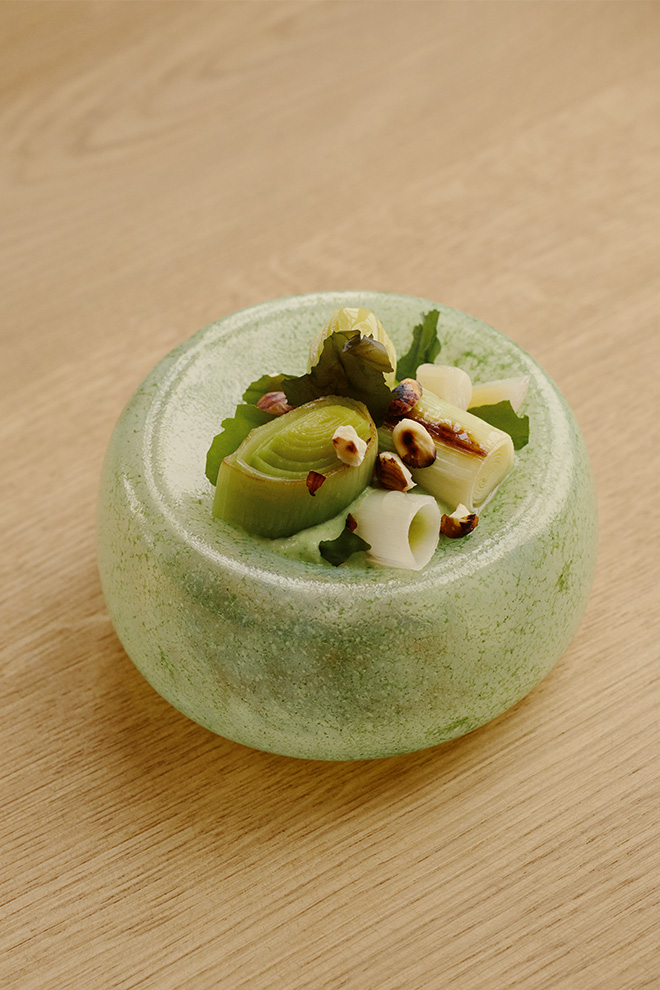
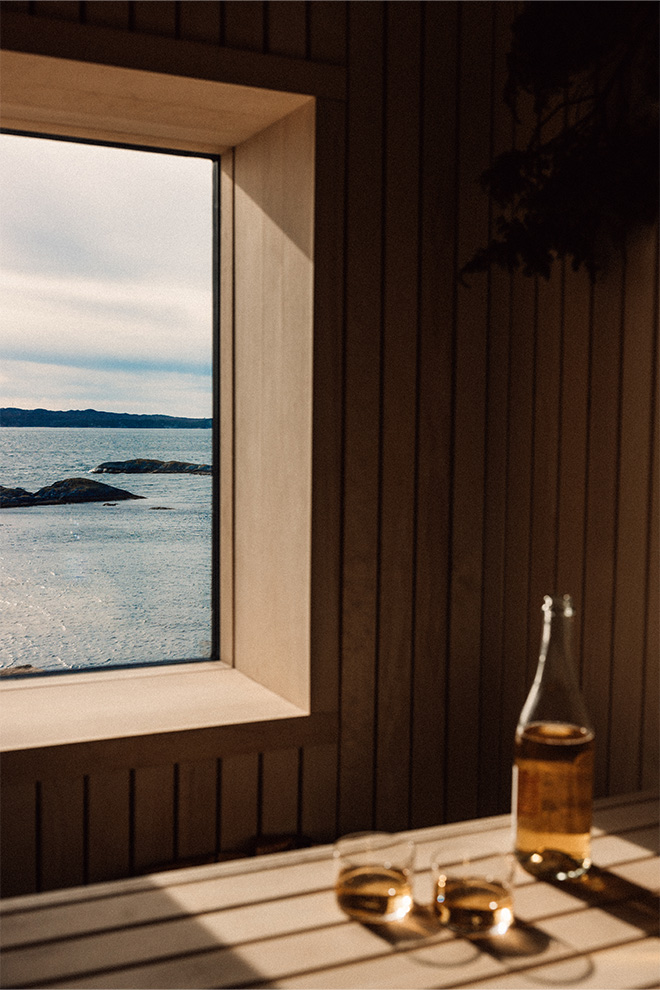
Antje — The ceramics by Joris-Jan Bos and the glassware by Sigrid Rostad capture the beauty, colours and shapes of the island. Each piece is made individually, with this island place and purpose in mind. For us, it is about translating nature and its ingredients onto these artworks, creating a harmony between food and craft.
We believe in honouring nature’s gifts and using them in a sustainable way, inspired both by the traditions of this place and by the sense of connection and community we share today.
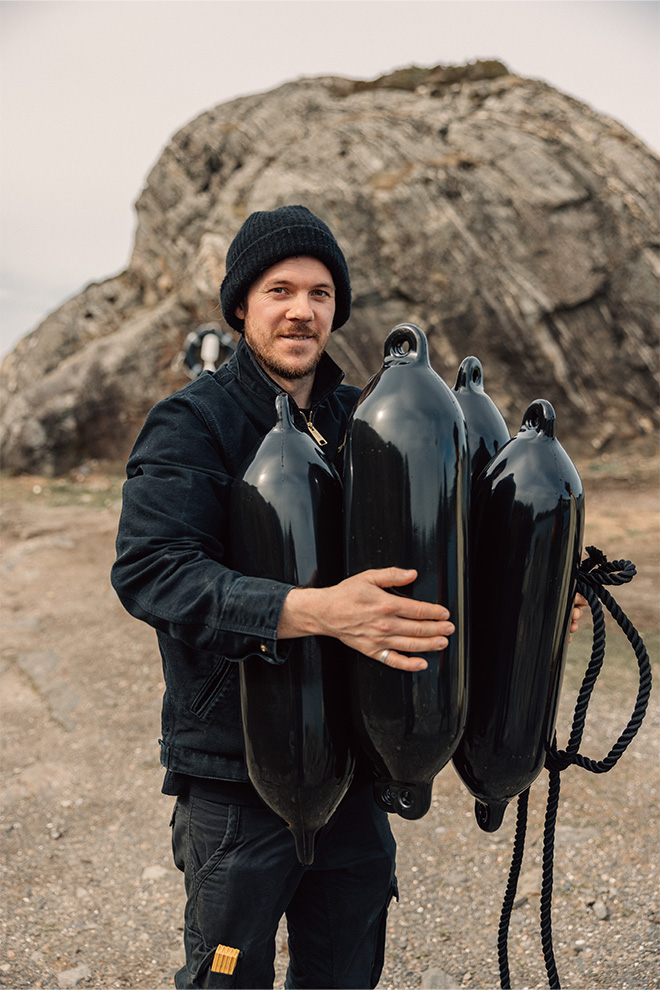
You came to build a boathouse and stayed. What drew you into island life?
Magnus — Yes, by a stroke of luck, I happened to be here at just the right moment, and one thing led to another. Before long, I was invited to become part of the LILLØY and LINDENBERG world. This was an easy decision, as it meant working alongside some of the most inspiring people in one of the most special places I know.
How do you keep your work — from building to boating — as low-impact and sustainable as possible?
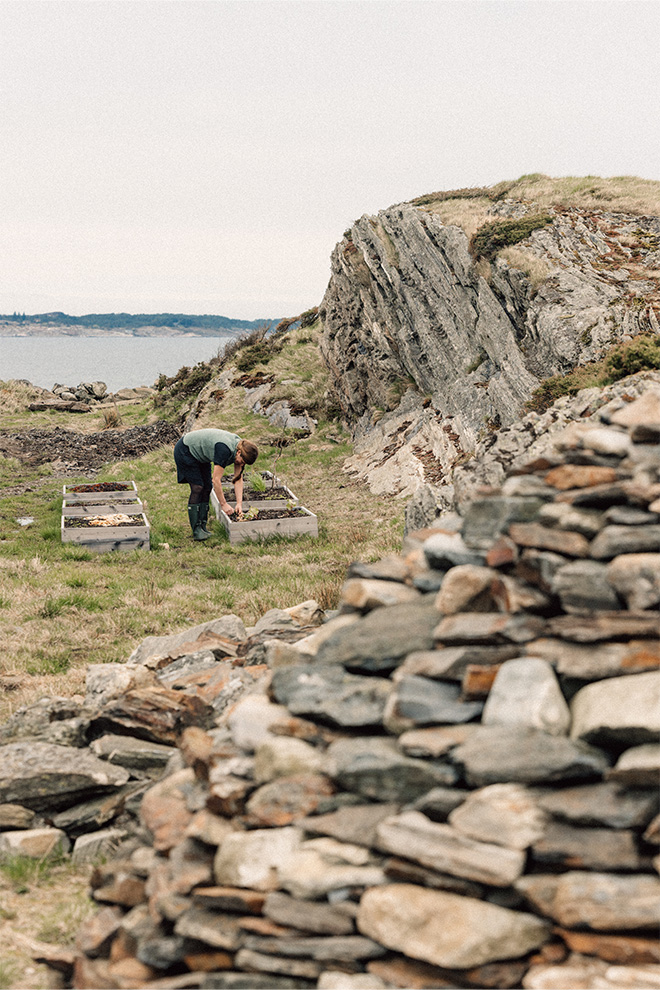
Magnus — We try to make the most of what the island and the sea provide: growing vegetables, herbs, fruits and berries, and running a plastic-free environment wherever possible. In general, I believe in doing things simply, thoughtfully, and in a way that works best for guests, colleagues and nature alike. With boating, it is hard to avoid the use of an engine, but even there, we try to keep our impact as low as possible by being mindful of the way we move through the waters.
What do you hope guests learn from Lilløy’s way of working with the land and sea?
We believe in honouring nature’s gifts and using them in a sustainable way, inspired both by the traditions of this place and by the sense of connection and community we share today. On LILLØY, the weather and light shift quickly — it reminds us to seize the moment, to give in to nature’s strength and beauty, and to simply enjoy.
Share this article
Latest stories
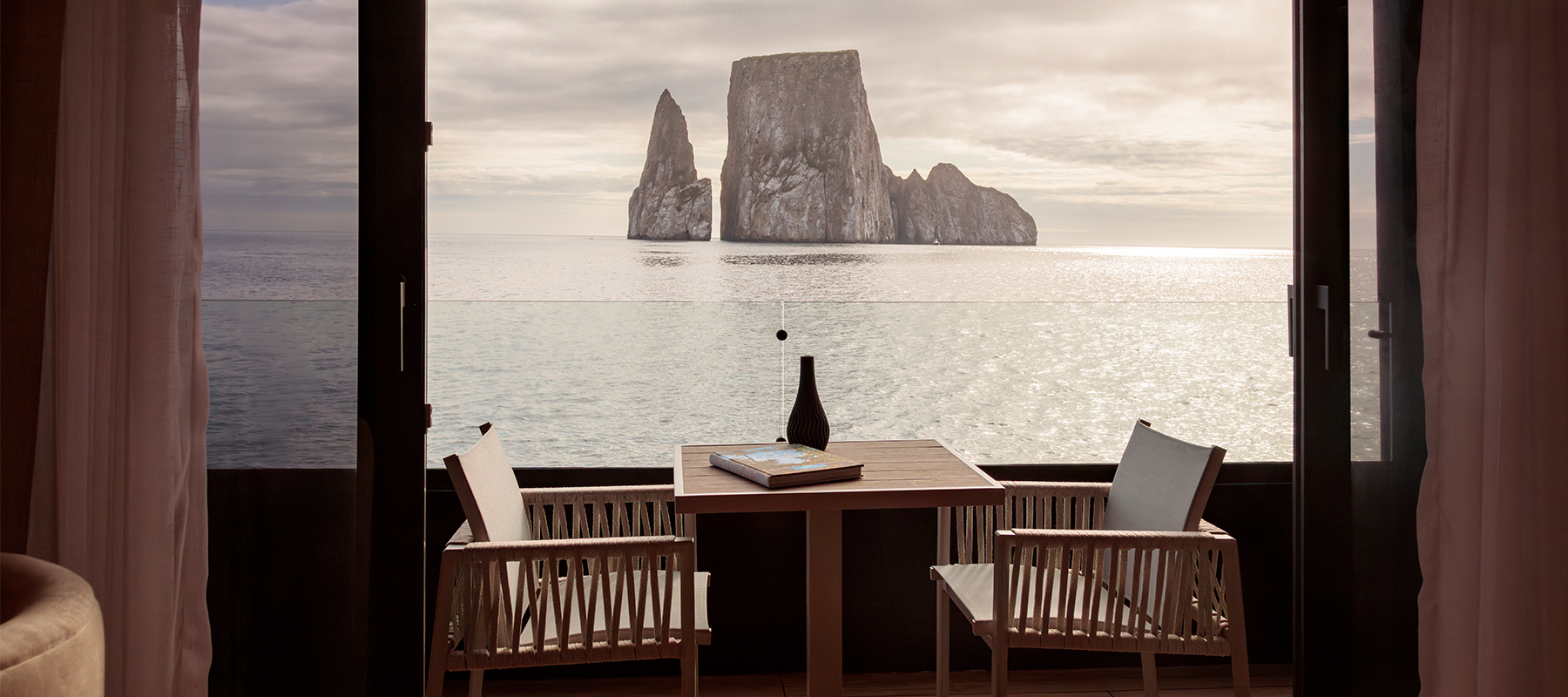
From a dark sky reserve to a tropical catamaran cruise: top boutique stays for March
These hotels play with scale in different ways. Some reduce it — a monastery with 13 rooms, a handful of villas on a vast lake, fewer than 20 guests at sea. Others expand it, offering wide horizons, open water, long sightlines or vertical city views. The result is a collection
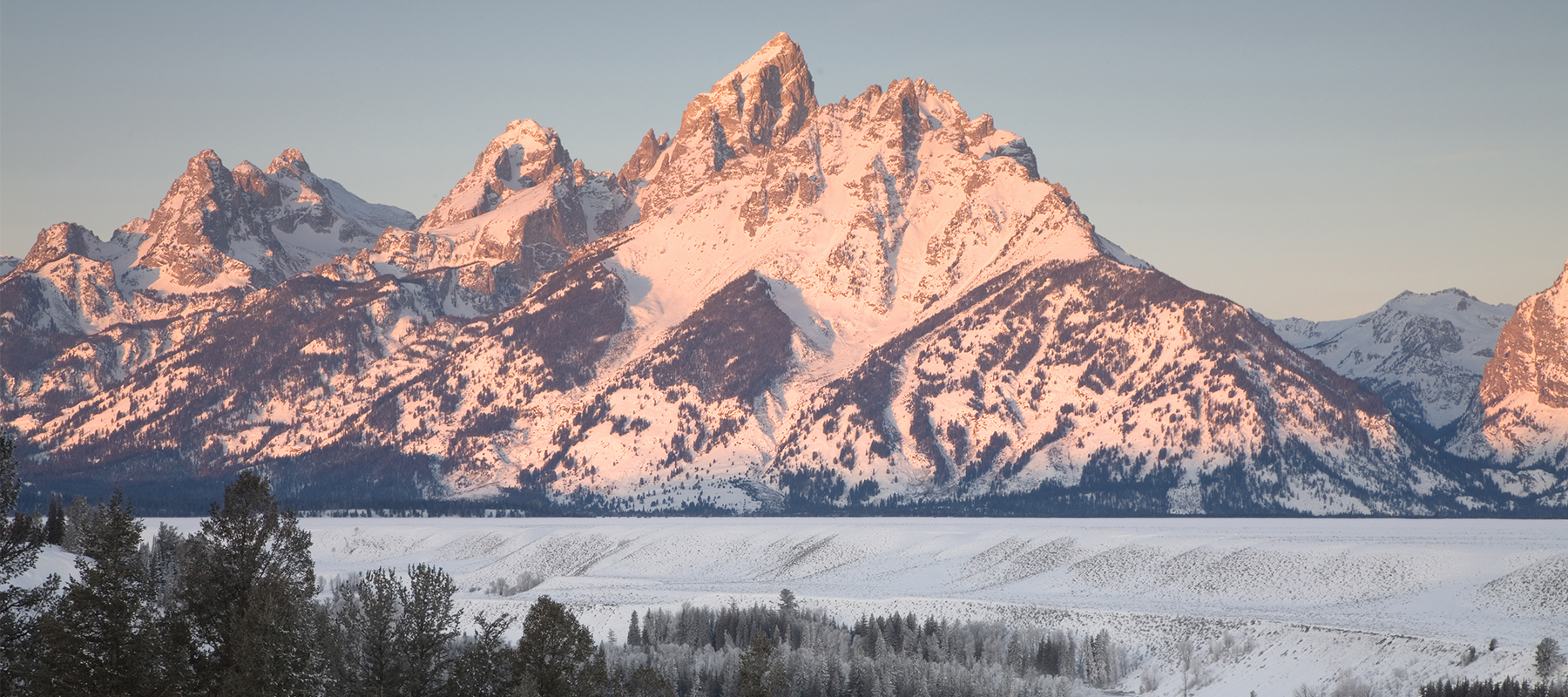
A beloved Jackson Hole lodge reopens for ski season: plus, US mountain hotel top picks
With ski season reaching its peak, discover a revived haven of lofty luxury within the majestic mountain ranges of Teton County, western Wyoming, as a rustic mountain retreat begins a new chapter. The scent of freshly baked cookies still lingers. So does the feeling of being warmly welcomed into someone’s
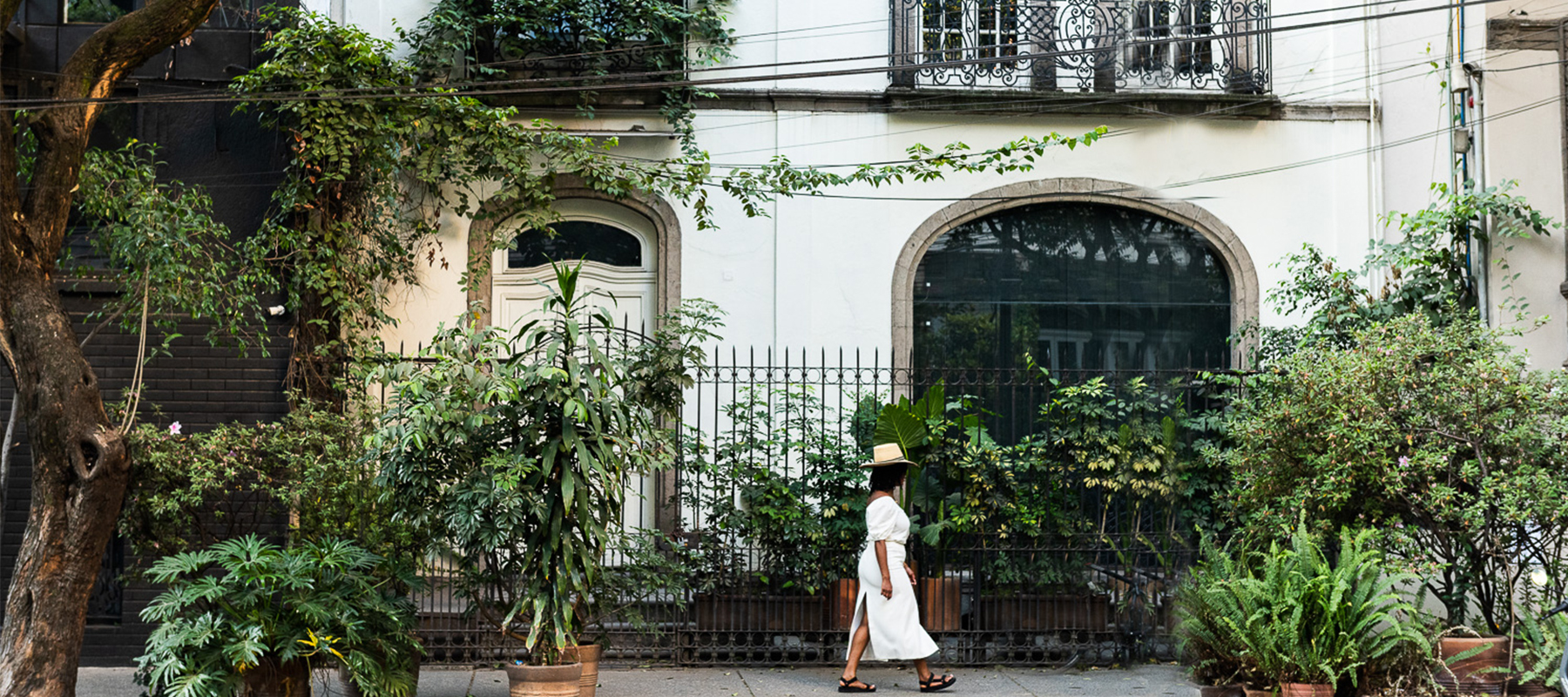
A pocket guide to Roma Norte: Mexico City’s most creative district
Full of characterful, colourful neighbourhoods where culture and cuisine thrive, Mexico City is a magnet for creatives to reside and visit. Condesa remains the go-to for Art Deco architecture and buzzy brunch spots. The bohemian enclave of Coyoacán has long been a refuge for artists. Burgeoning Juárez brings in a
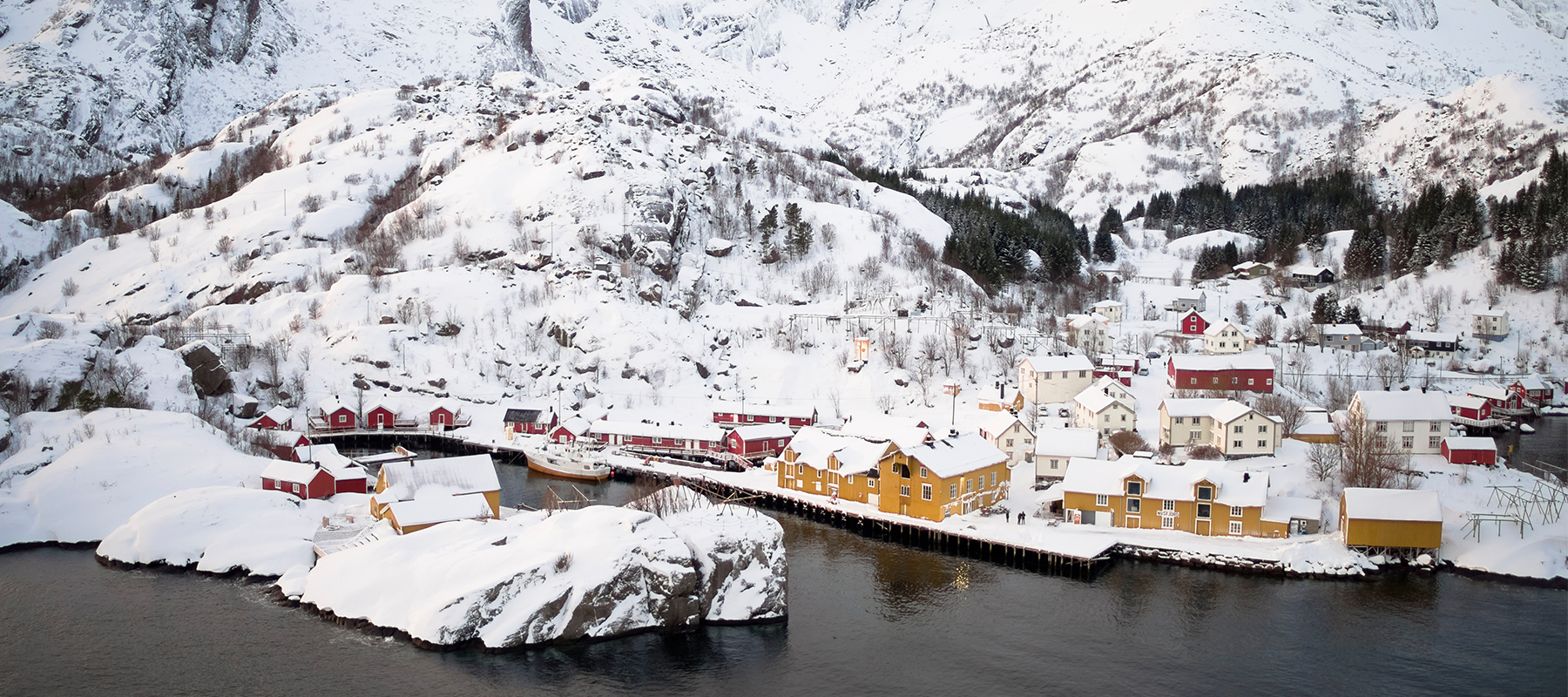
Northern delights: a ‘coolcation’ itinerary across Norway & Iceland
As the train begins its slow, corkscrewing descent into Norway’s Flåm Valley, snow is softening mountain peaks into meringue-like folds. Outside the window, waterfalls freeze mid-cascade, as forests stand still under crystal light. The Flåm Railway — a staggering feat of engineering — feels like a portal into another season,