

Japan’s natural ‘power spots’ will nurture your mind, body, and soul
The Japanese tradition of forest bathing – or shinrin yoku – may have made its way westwards some years ago, but an air of mystery still shrouds Japan’s ‘power spots’ (pawa-supotto). These sacred places are said to hold great spiritual energy, and are often in astoundingly beautiful natural settings, close to temples and shrines – so you can combine your back-to-nature rejuvenation with some sightseeing. This International Day of Forests, we celebrate the changing of the seasons on Yakushima Island, the mystical location of Japan’s first World Natural Heritage site.
Where to find ‘power spots’ on Yakushima
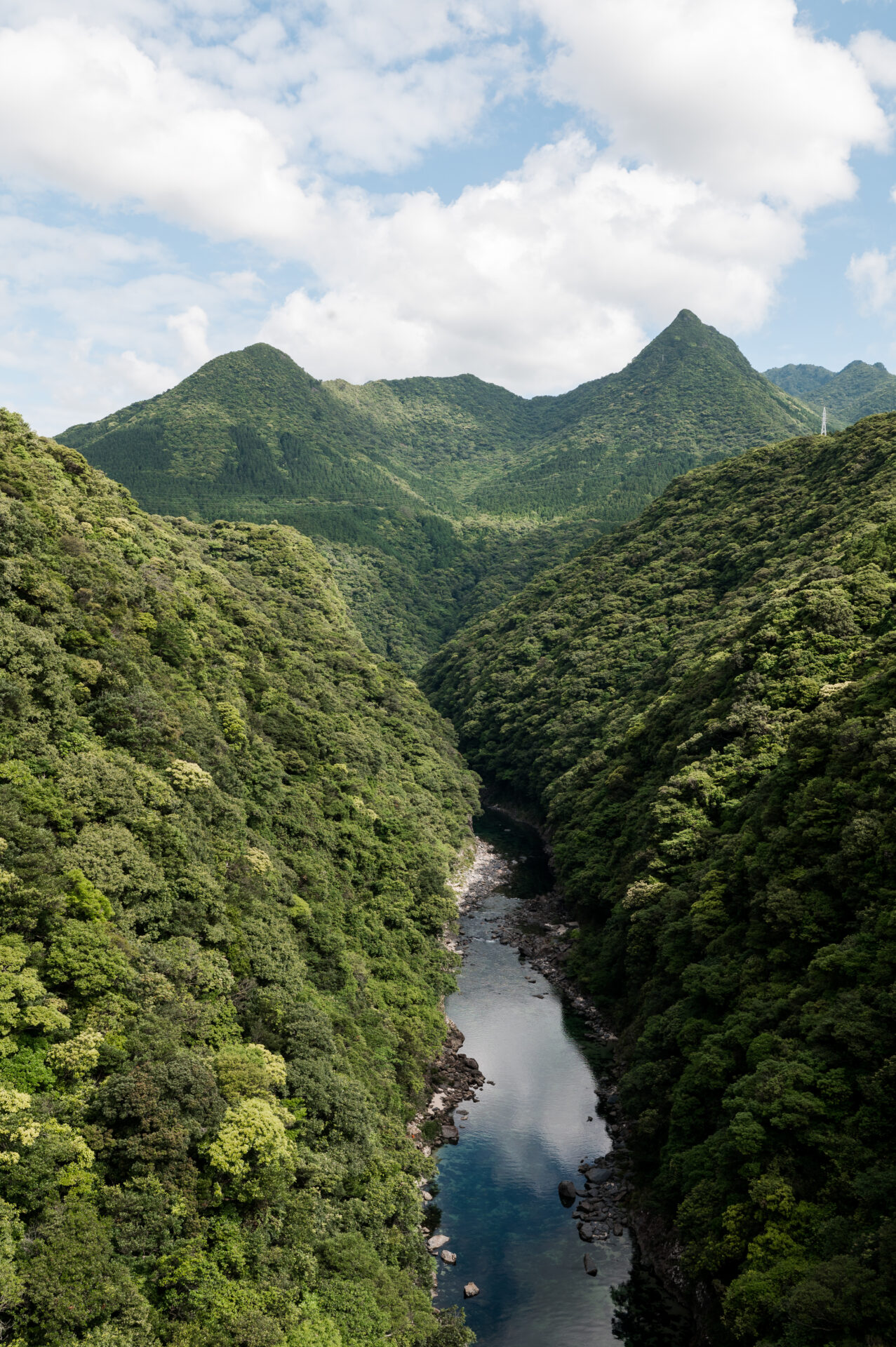
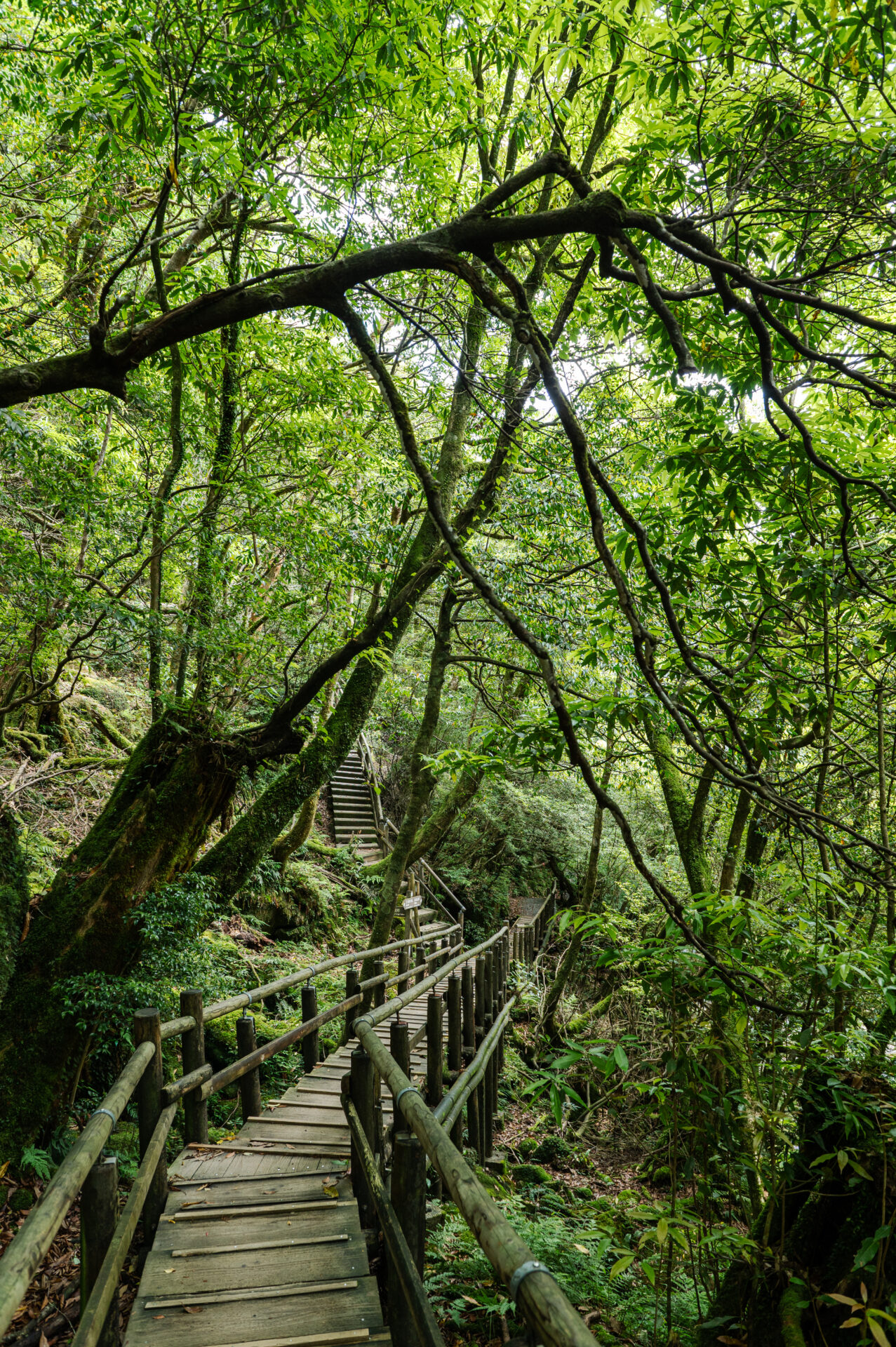
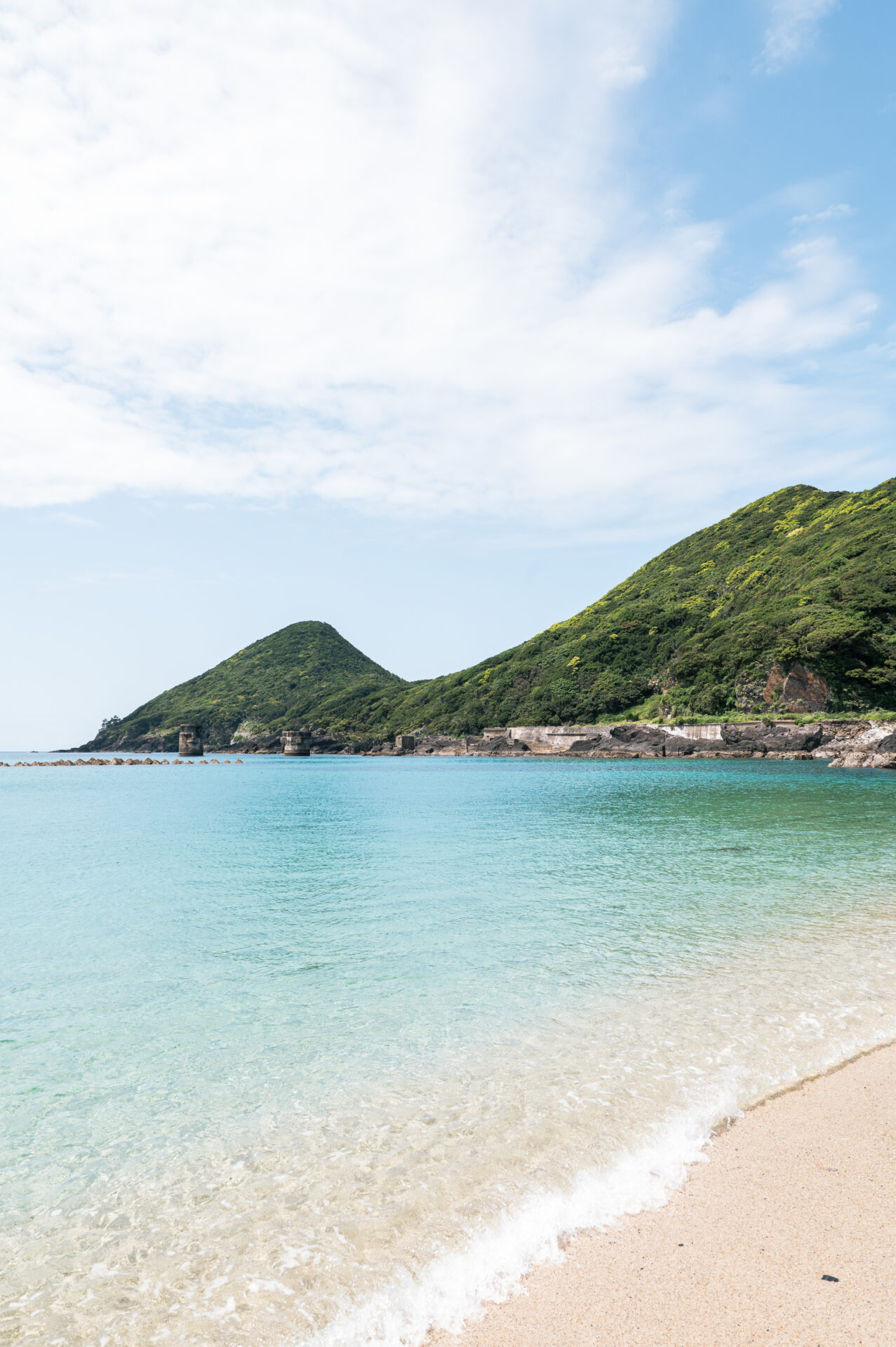
A wild, emerald island off the southern coast of Kyushu, Yakushima is a verdant tangle of ancient cedar trees, cascading waterfalls, and mountainous trails (mostly trodden by foraging Yaku deer). Moss-covered roots twist and turn through the moody forests which inspired anime masterpiece, Princess Mononoke – and there’s an almost eerie, fairytale feel within the history-laden branches.
Why visit Yakushima in spring?
Yakushima is a year-round paradise for hikers, but springtime is when the island really comes into its own. The long rainy season (kinome-nagashi) trickles to an end in March, moistening the evergreen forests which sprout new greenery each day, while cherry blossoms and hot-pink azaleas begin to bloom. April is one of the most vibrant times to visit, and you can join the local beach-cleans before the sea turtles start laying eggs. A blazing carpet of rhododendron covers the mountain slopes in May, when the annual hike (Yakushima Shakunage Tozan) to spot these fiery flowers draws walkers from around the world. As night falls, fireflies flit beneath the star-filled sky.
Where to stay on Yakushima
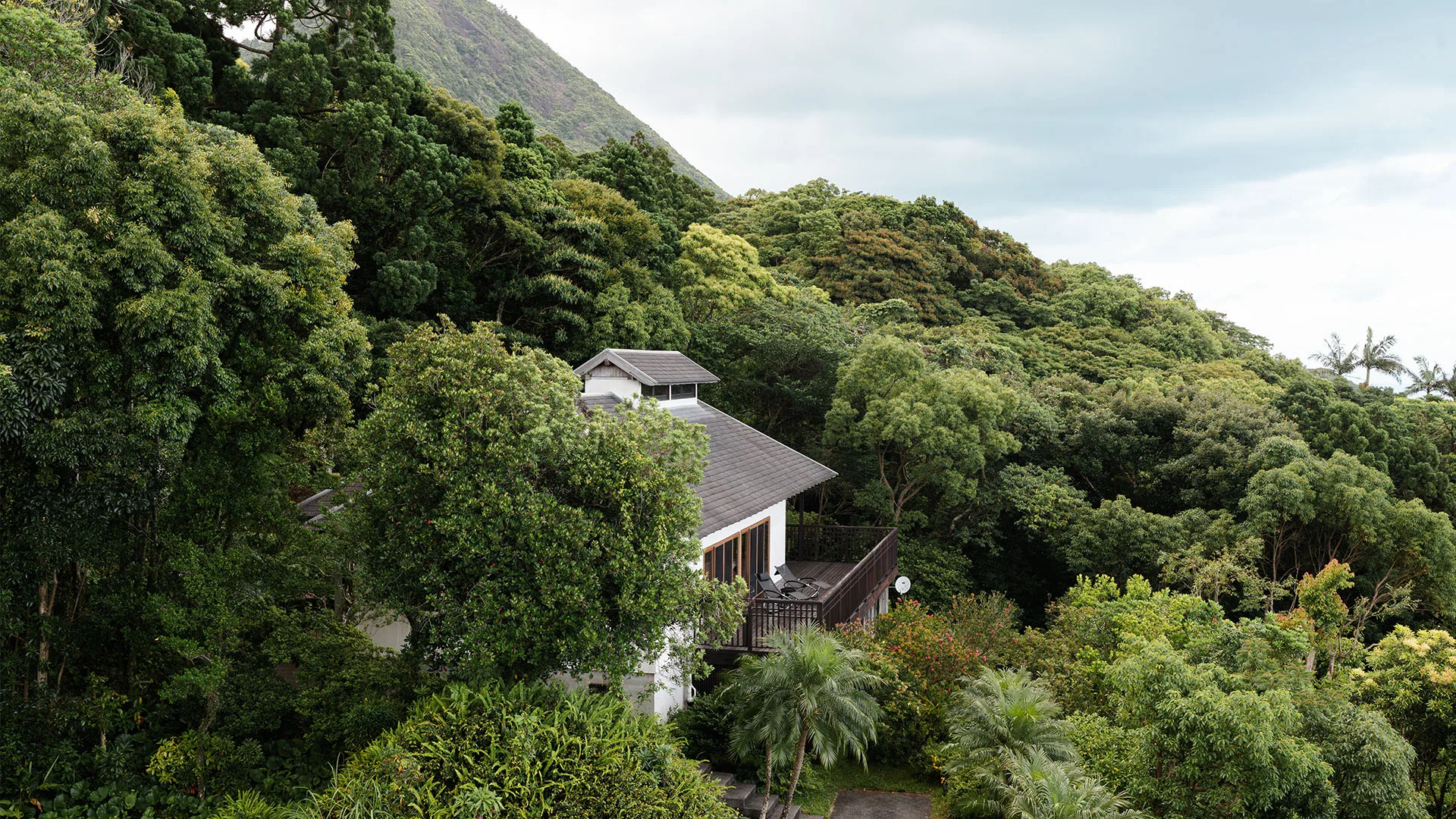
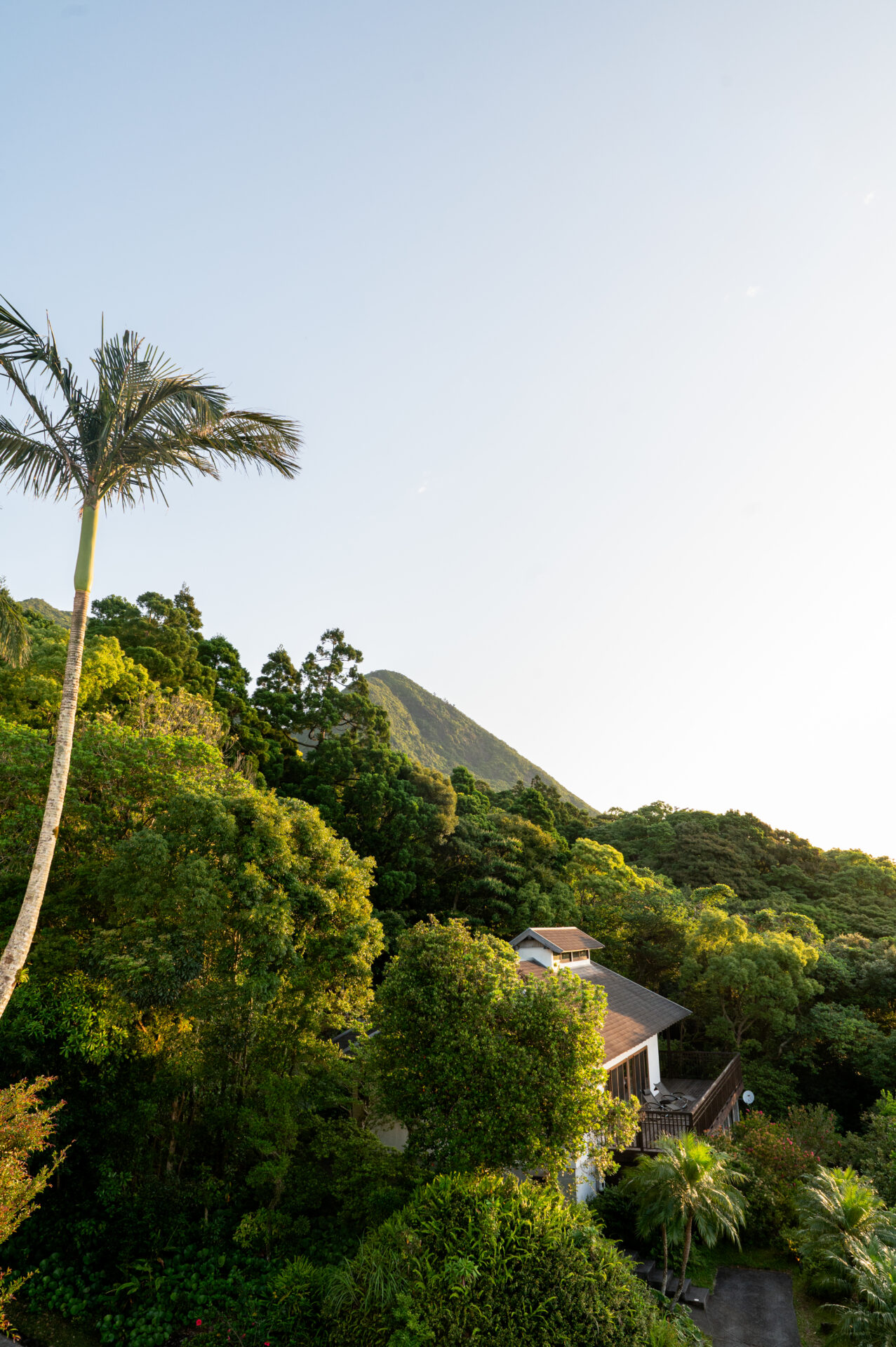
The sounds of wildlife fill the forest-wrapped suites and villas at Sankara Hotel & Spa, a secluded retreat set between glorious granite mountains, fragrant cedar forests and the shimmering sea. The natural surroundings supply the auberge-style French restaurant, with ingredients (you likely won’t find anywhere else) sourced from the island’s farming and fishing communities.
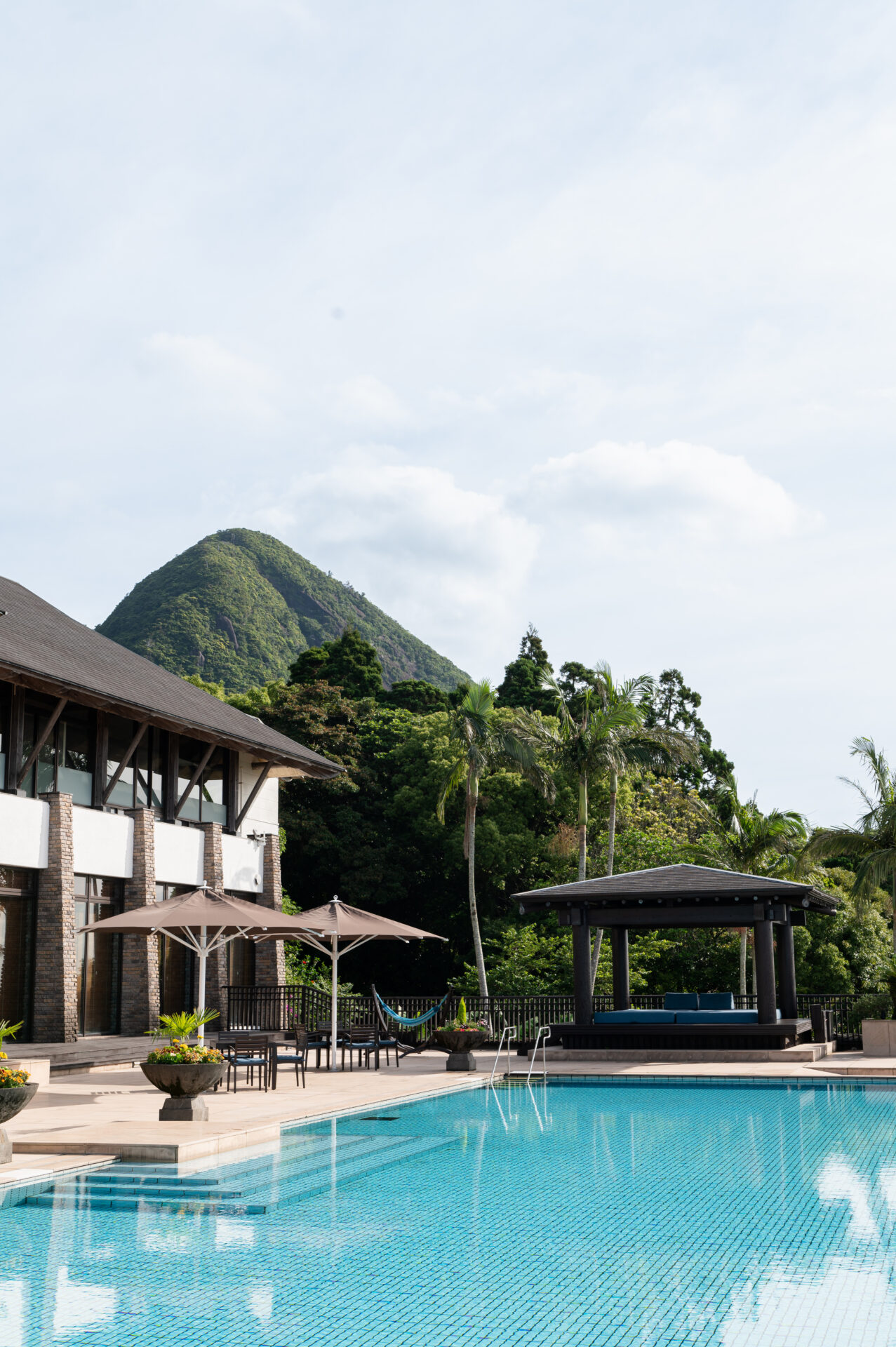

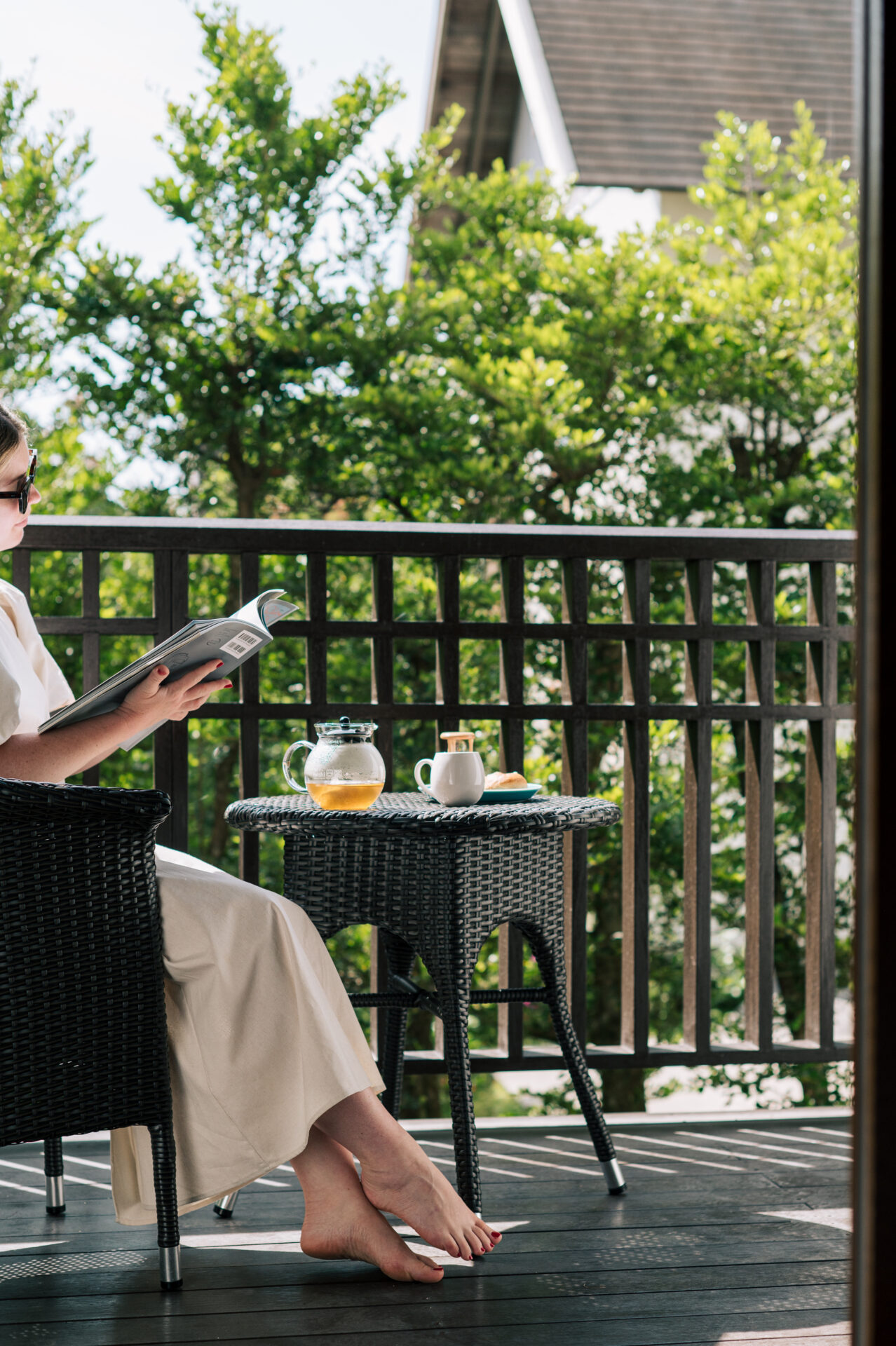
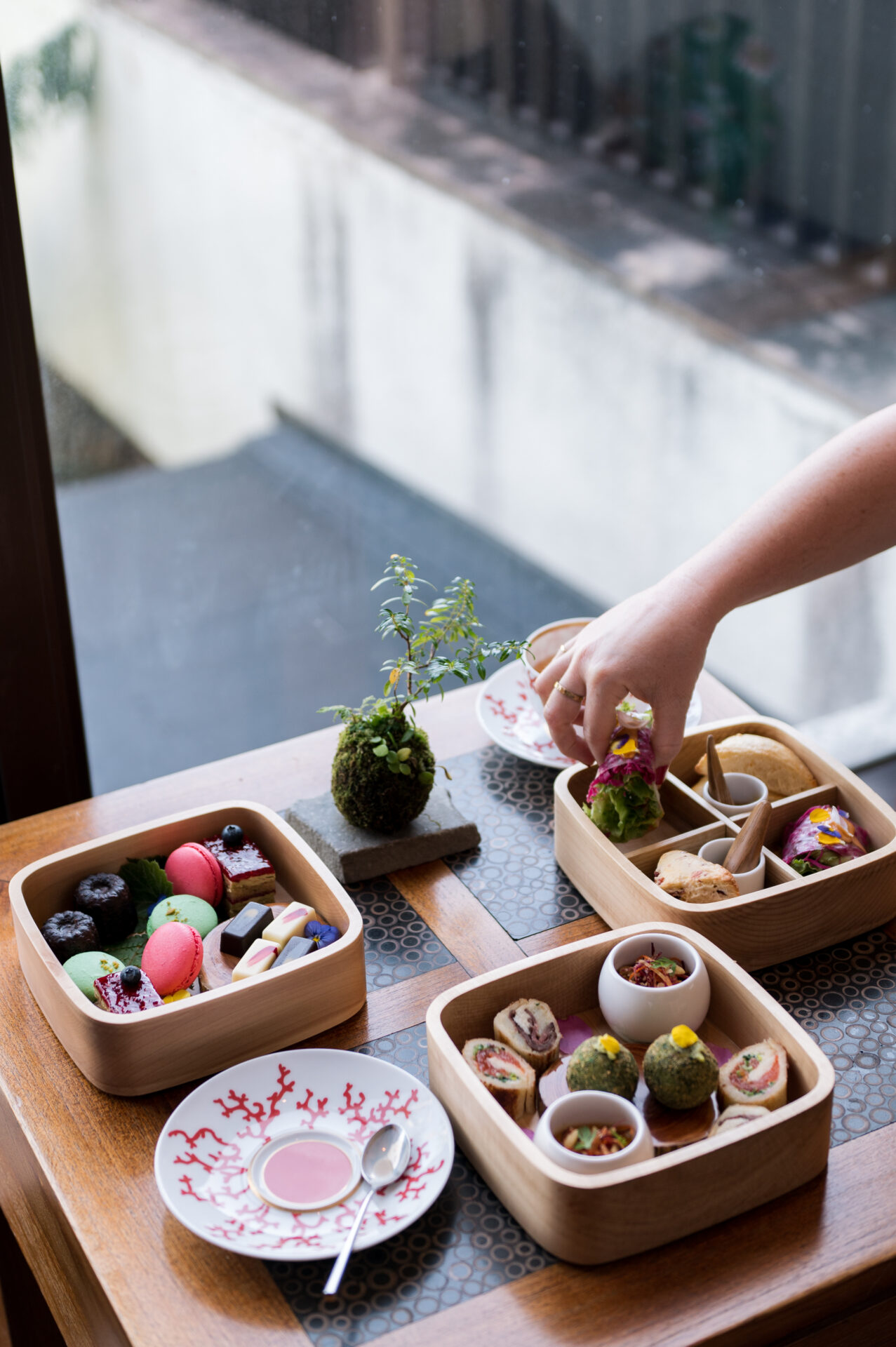
In early spring, tankan oranges are picked from the orchards, while the warmer summer months bring a bounty of tropical fruits – including dragonfruit, which can be sampled at breakfast in the hotel’s homemade jam. Choose from the spa’s wellness menu of bespoke detoxifying and revitalising therapies, designed to prepare and pamper guests before and after trekking through the nearby forests.
Share this article
Latest stories
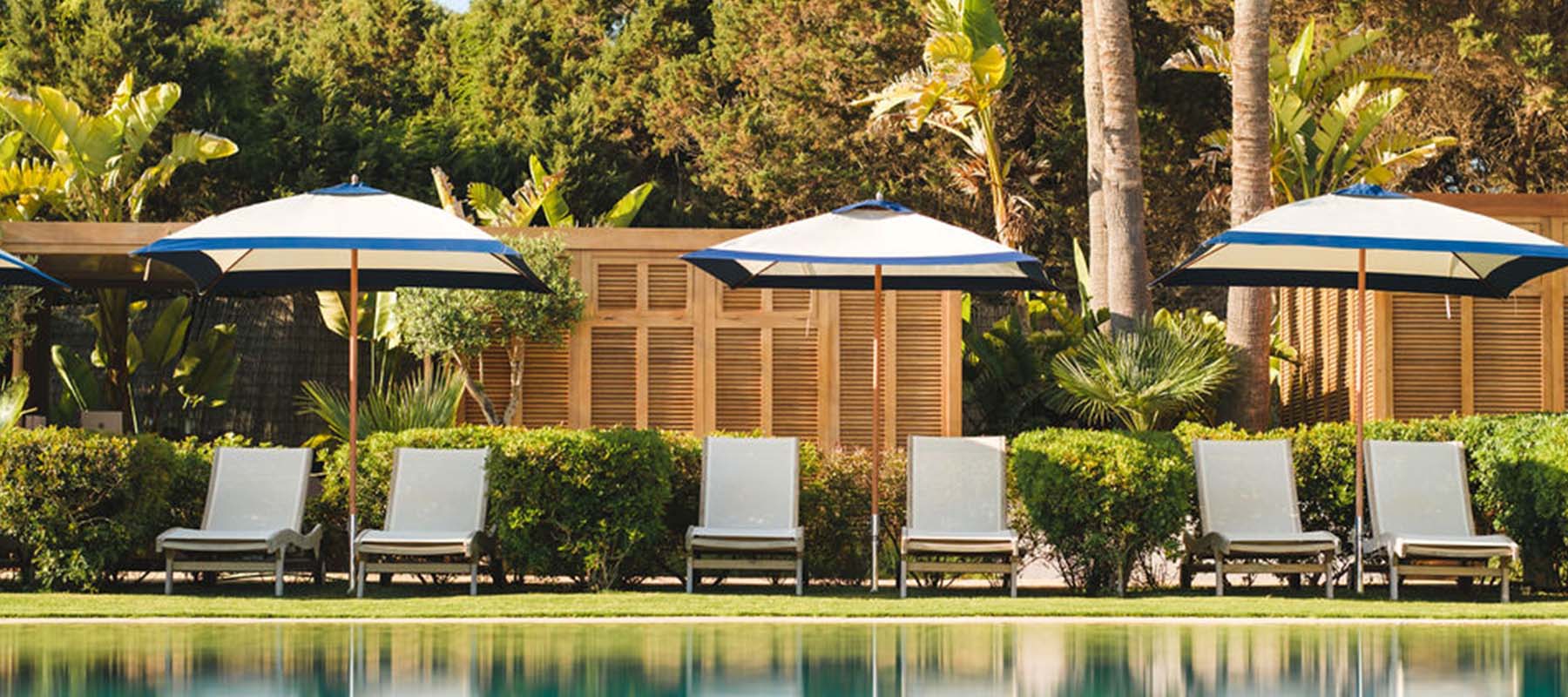
In with the new: from vineyard retreats to island hideaways these are the hotels on our radar in April
Spring brings a renewed sense of movement and with it, travel that feels both restorative and enriching. Some stays are steeped in nature, from Finland’s forested stillness to Corsica’s sunlit groves, while others unfold among the vineyards of California, Piedmont and beyond. Elsewhere, island rhythms take hold in Rhodes and
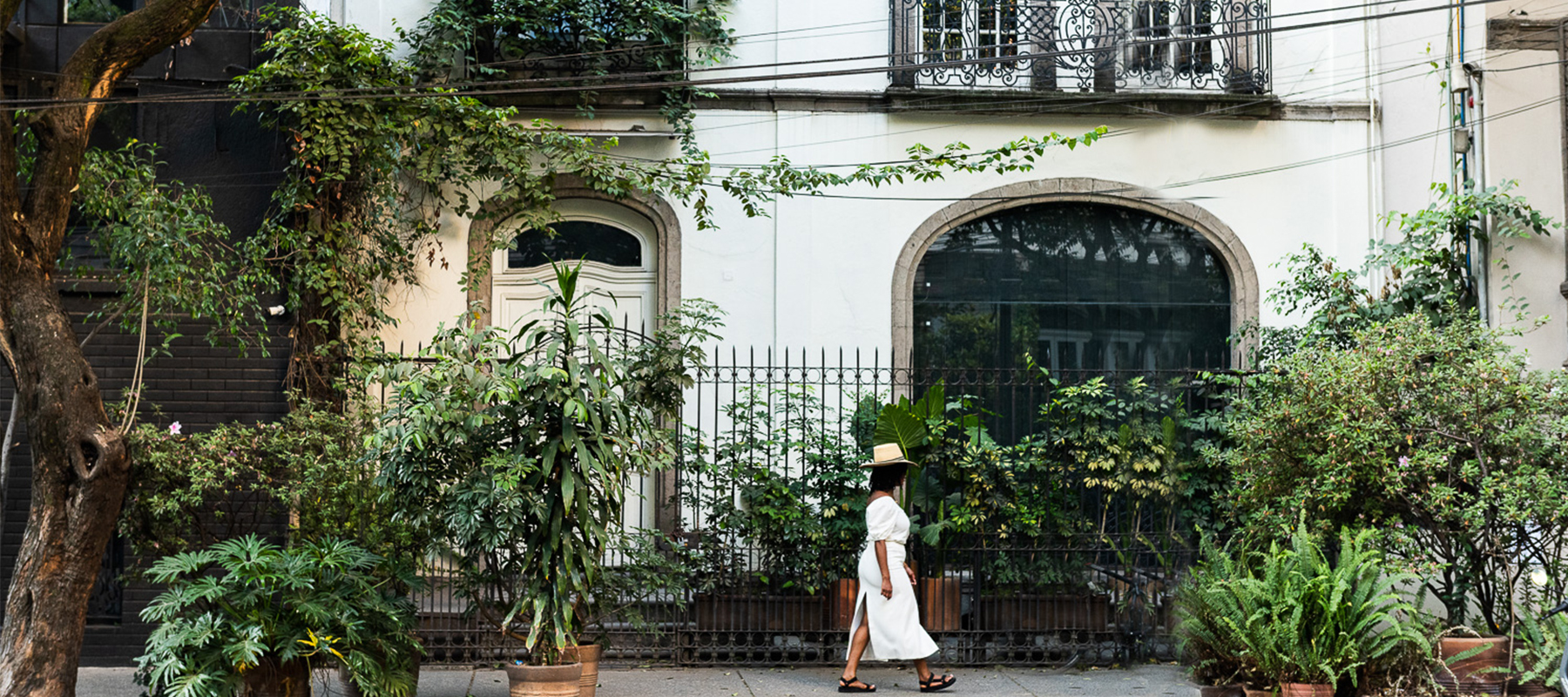
A pocket guide to Roma Norte: Mexico City’s most creative district
Full of characterful, colourful neighbourhoods where culture and cuisine thrive, Mexico City is a magnet for creatives to reside and visit. Condesa remains the go-to for Art Deco architecture and buzzy brunch spots. The bohemian enclave of Coyoacán has long been a refuge for artists. Burgeoning Juárez brings in a
From a dark sky reserve to a tropical catamaran cruise: top boutique stays for March
These hotels play with scale in different ways. Some reduce it — a monastery with 13 rooms, a handful of villas on a vast lake, fewer than 20 guests at sea. Others expand it, offering wide horizons, open water, long sightlines or vertical city views. The result is a collection
A beloved Jackson Hole lodge reopens for ski season: plus, US mountain hotel top picks
With ski season reaching its peak, discover a revived haven of lofty luxury within the majestic mountain ranges of Teton County, western Wyoming, as a rustic mountain retreat begins a new chapter. The scent of freshly baked cookies still lingers. So does the feeling of being warmly welcomed into someone’s