

Slowing down the way you travel can have benefits for both your physical and mental health – giving you even more excuses to book your next trip
Did you know that regular travelling can drastically reduce your stress levels, help to relieve symptoms of depression and even improve your physical health? Exploring the world is also great for boosting your creativity, making you feel happier, reducing your chances of a heart attack and keeping you active. But to enjoy all these benefits, you can’t go rushing around, trying to see as much as possible when you are travelling. You need to slow down the pace of your travels; taking the stress out of your journeys, spending more time surrounded by nature and allowing yourself to truly live in the moment.
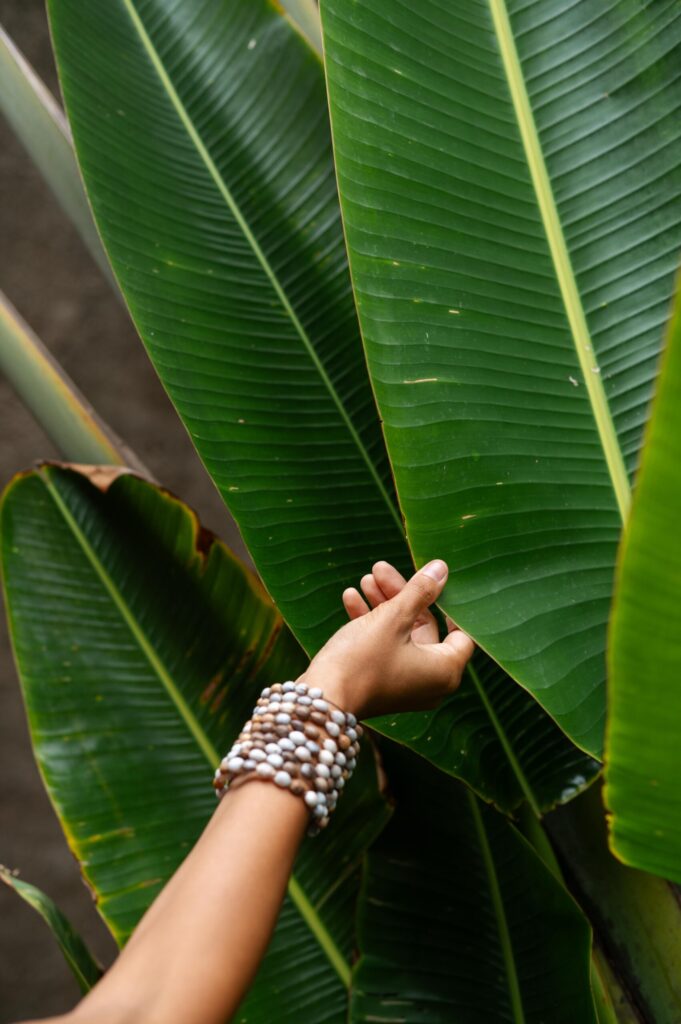
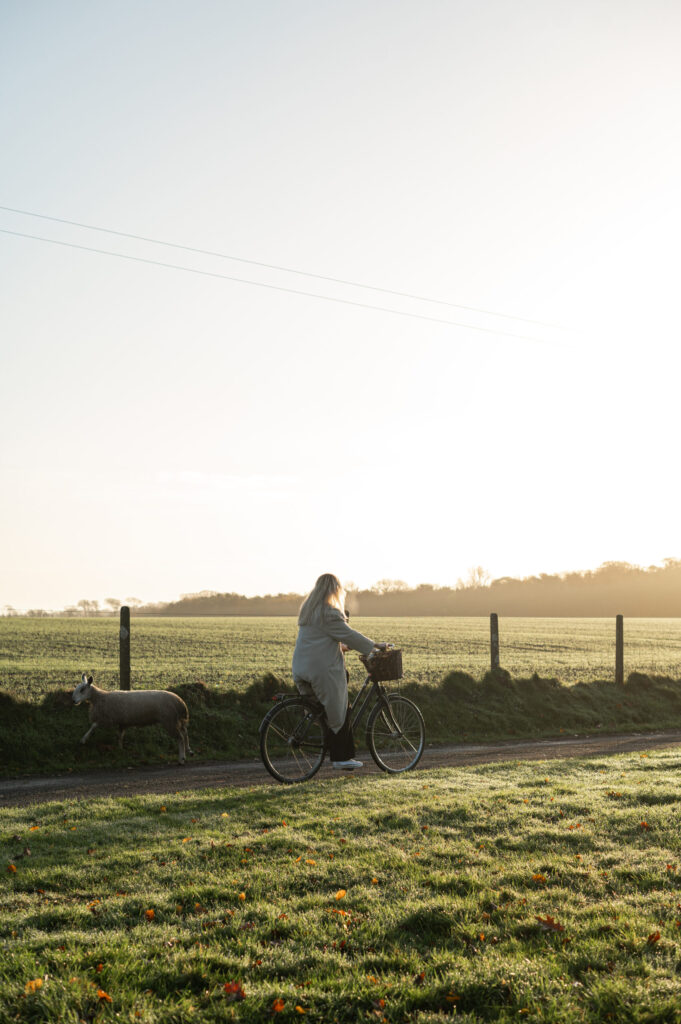
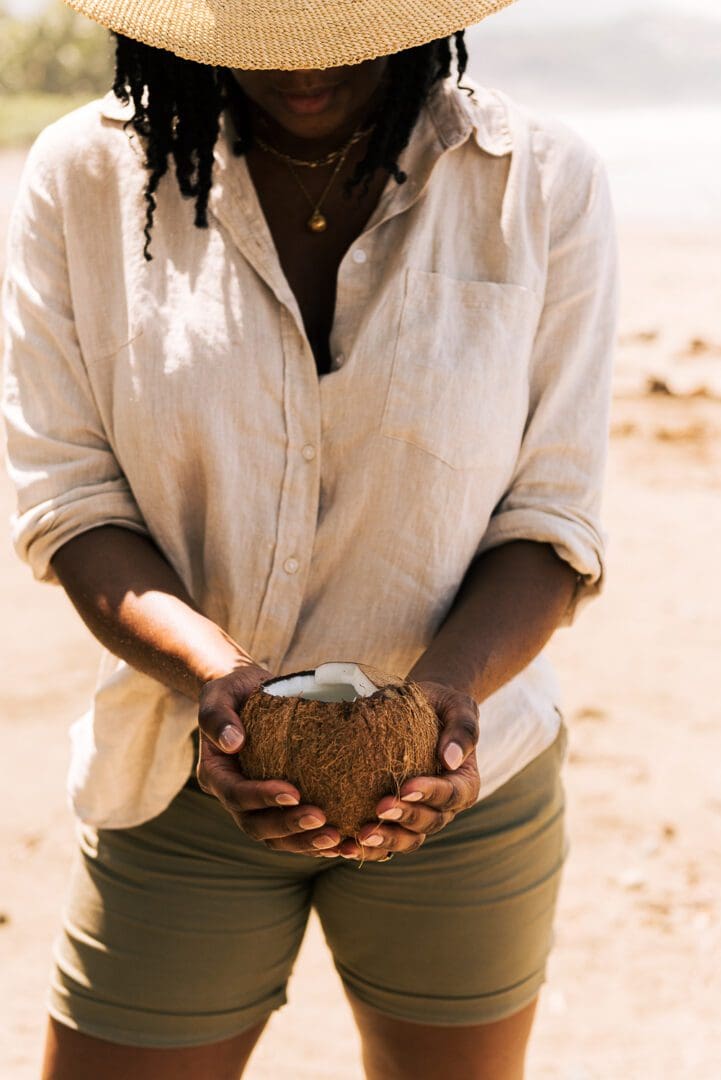
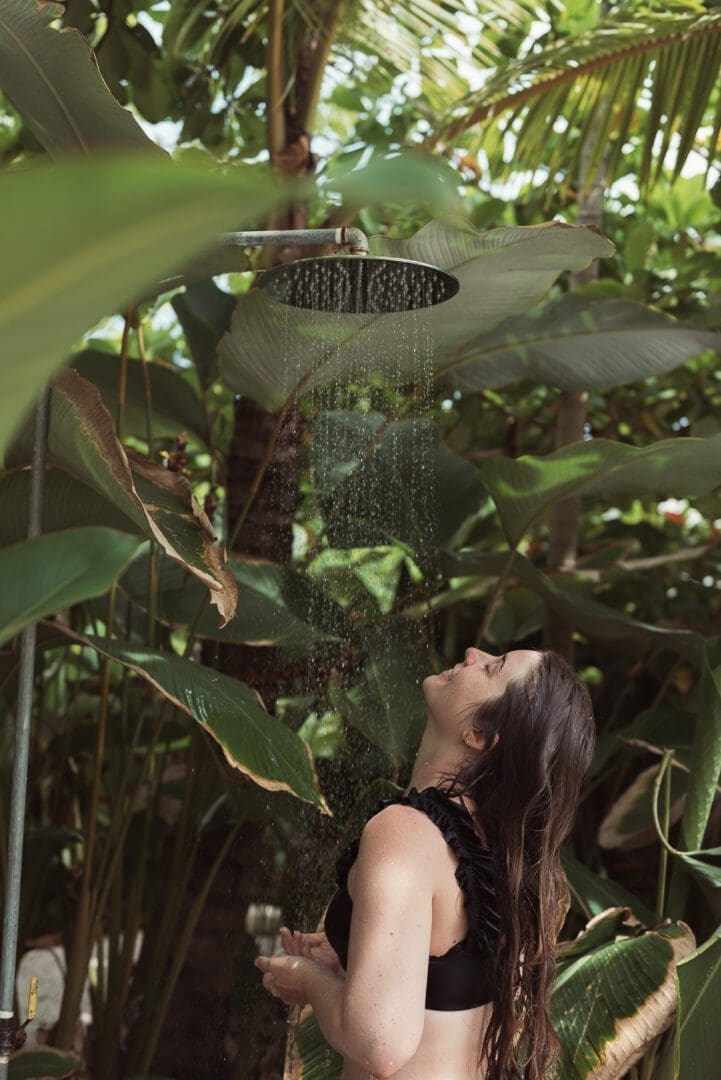
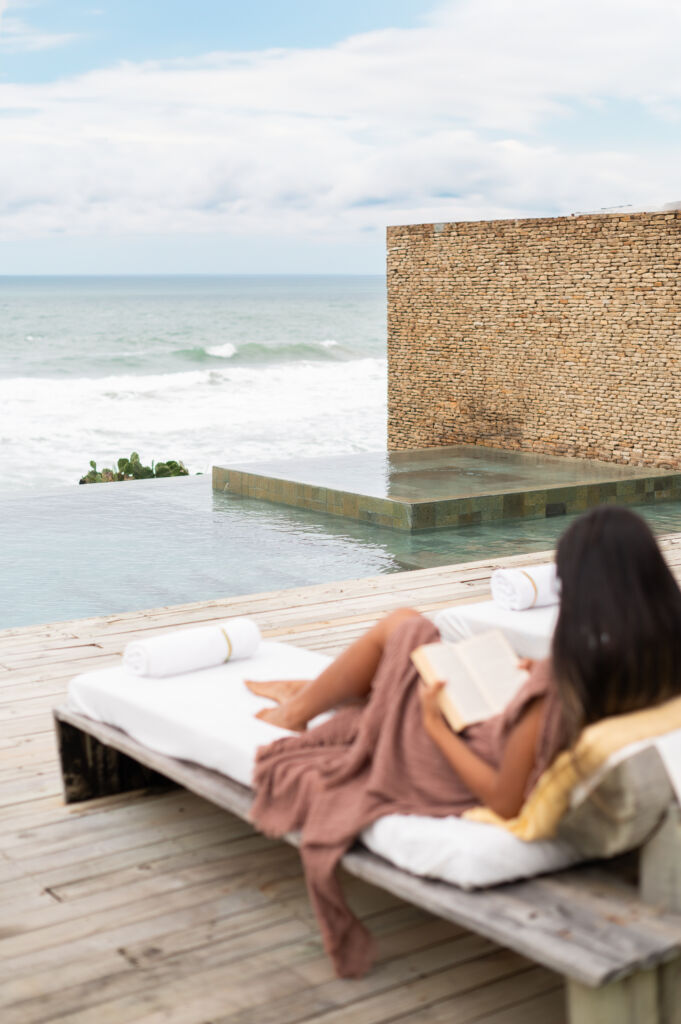
Physically slow down
To enjoy a slower pace of travel, you need to leave your work and worries at home and allow your holidays to be the time when you unwind and disconnect – subsequently reducing stress and increasing your dopamine levels.
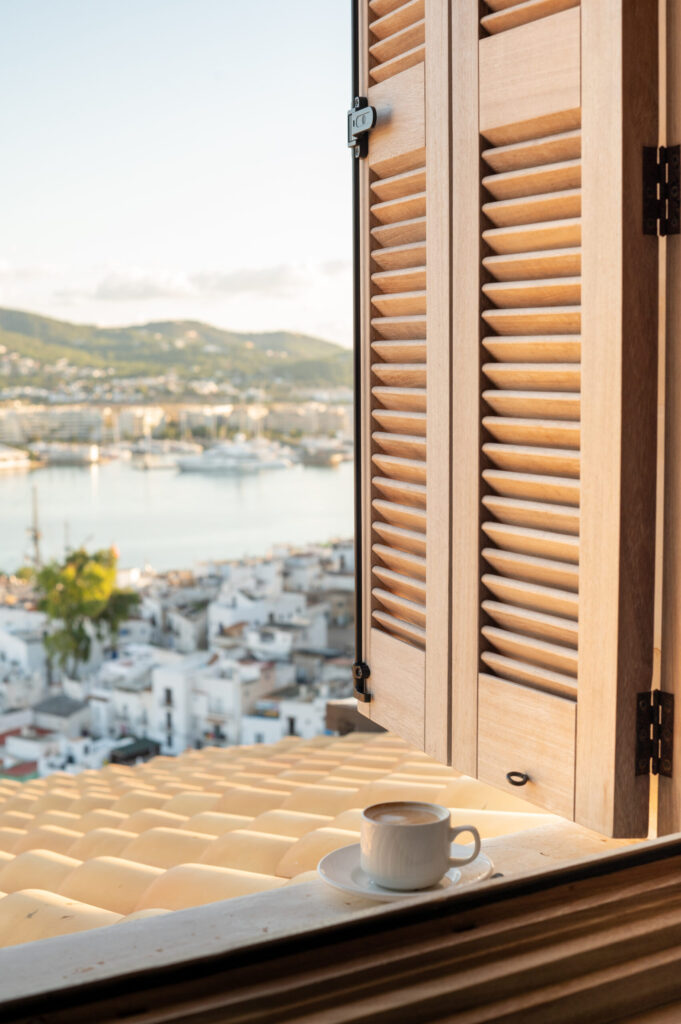
However, slow travel can also refer to the literal speed at which you travel – you’re more likely to feel relaxed and allow yourself to unwind if you’re standing on the deck of a boat or are gazing out of a train window, rather than trying to navigate a busy airport and squeezing into a small plane seat. Take your time to reach your destination, turning the journey into part of your holiday rather than rushing from A to Z. You’ll arrive feeling rested and relaxed, setting the tone for the remainder of your trip.
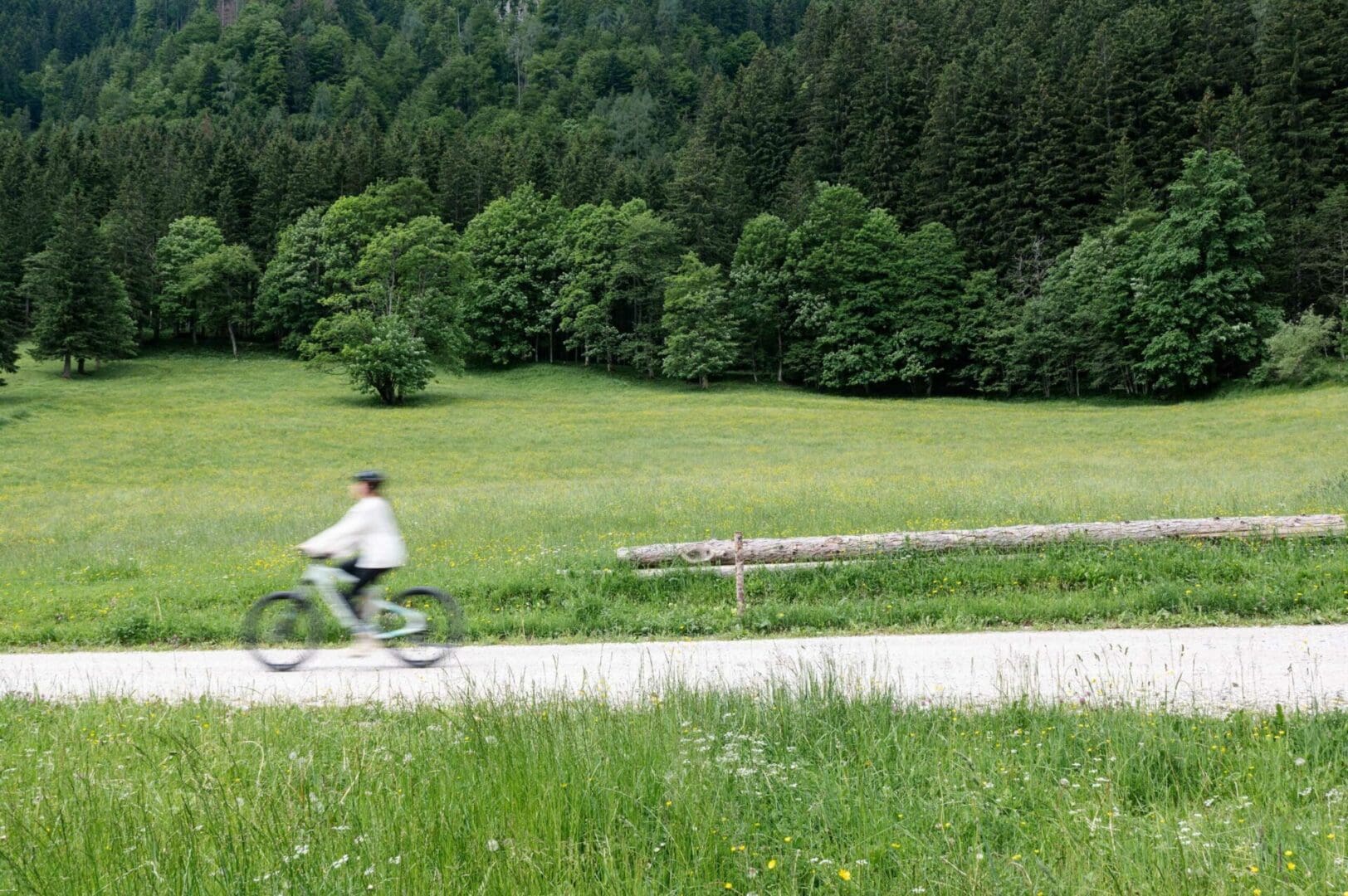
Get back to nature
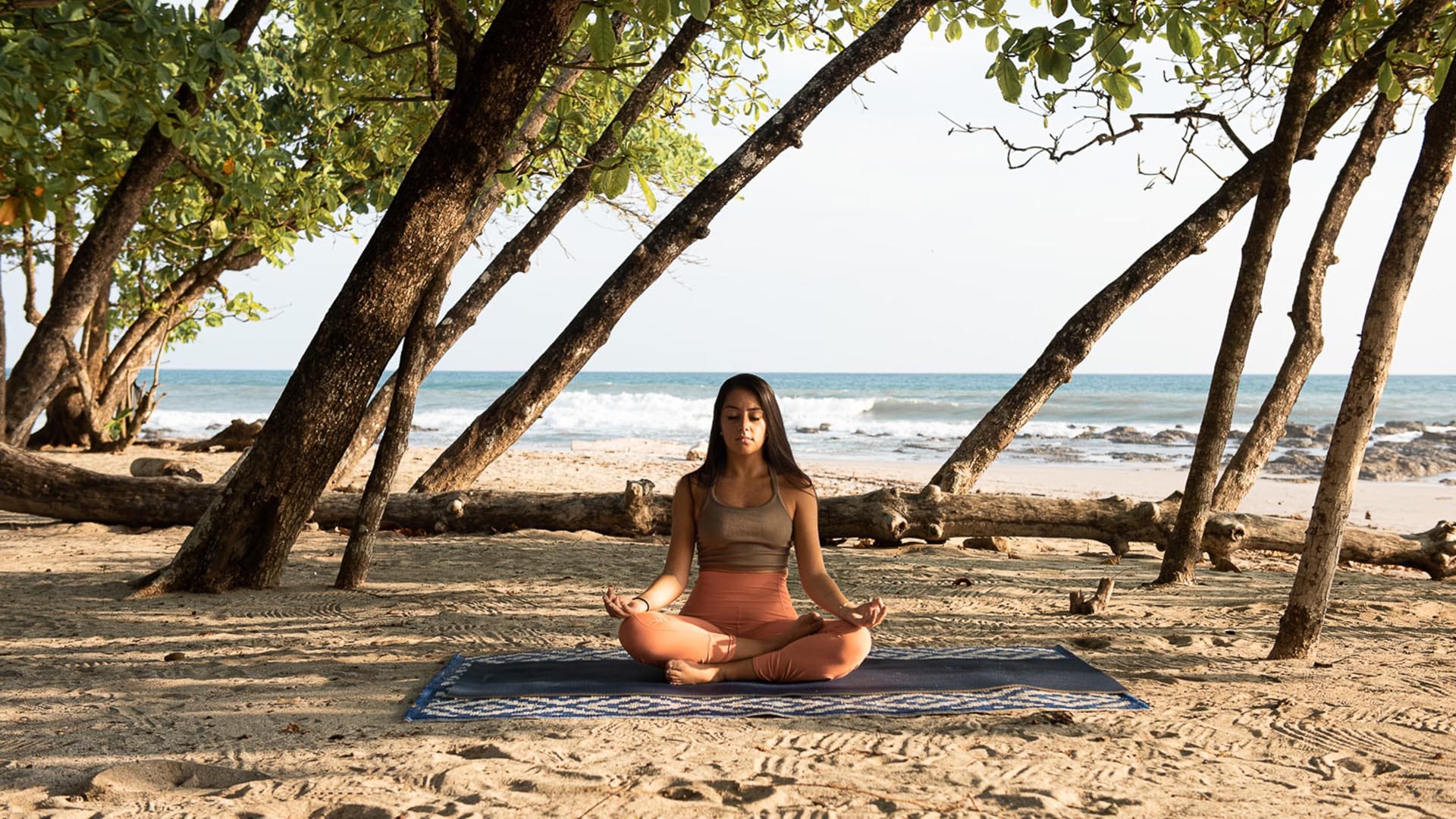
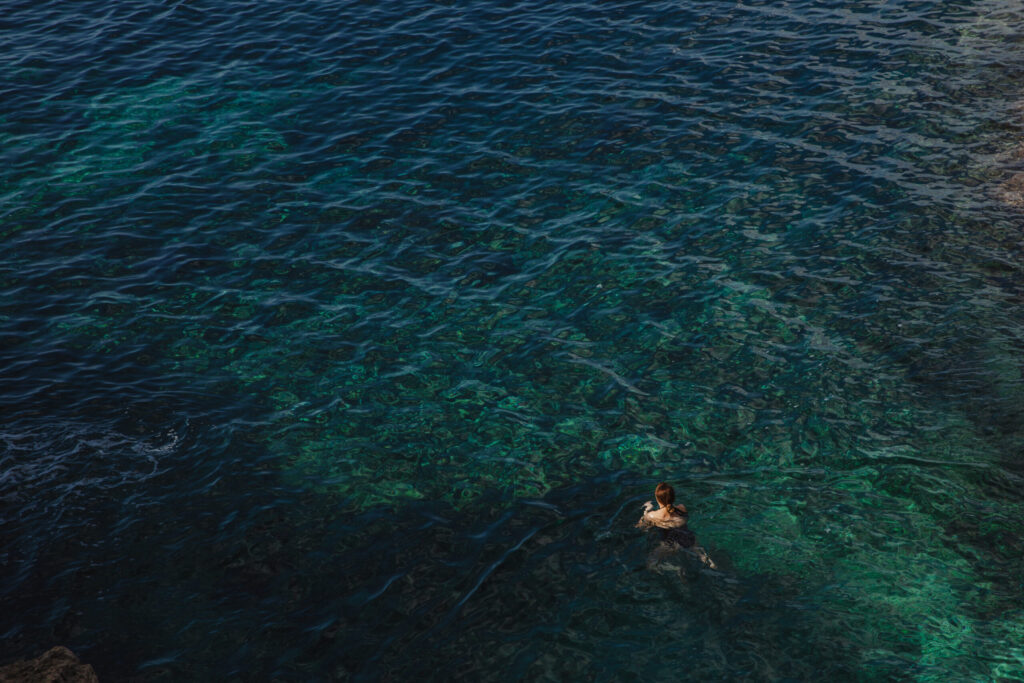
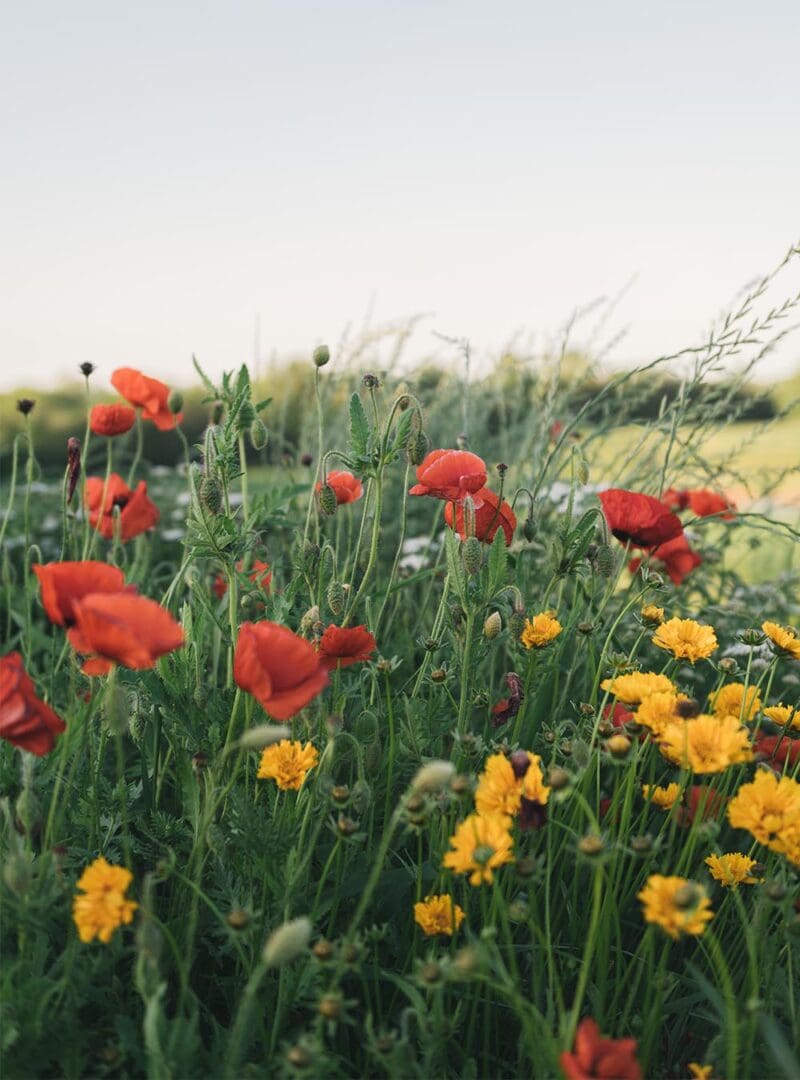
Time spent outdoors in nature is proven to be incredibly beneficial to both our mental and physical health – and is now even prescribed by health professionals for a number of ailments. Immersing yourself in nature is intrinsic to slow travel through activities such as wild swimming, forest bathing, long walks and dining outdoors. The more time you spend surrounded by nature, the more you boost your creativity, reduce stress and increase your levels of happiness. Just going for a short walk makes your heart healthier, burns excess calories and puts you in a good mood – imagine how much these benefits are boosted by taking your walk in a beautiful destination.
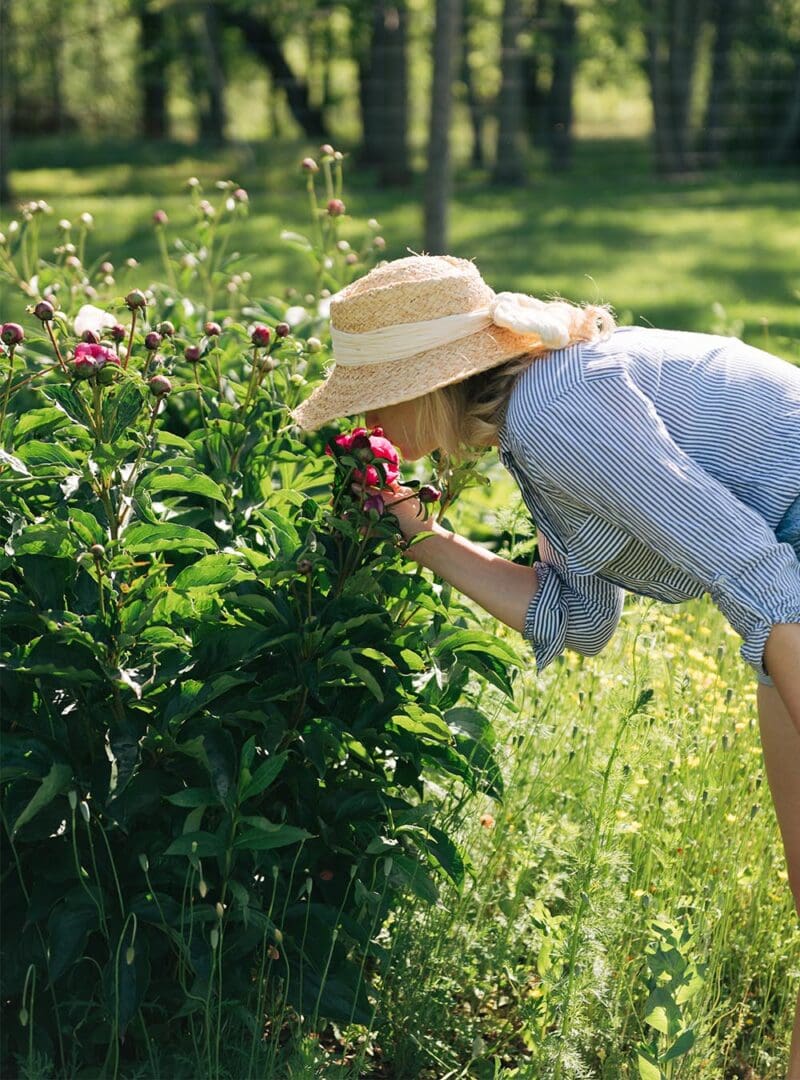
Boost your mental health
Travelling around the world and experiencing new places and different cultures helps us to keep our minds sharp. When we travel, we are constantly meeting new people, learning snippets of different languages, navigating journeys and dealing with unexpected situations. All of this helps to keep our brains healthy and active. When we slow down the way we travel, we are opening ourselves up to the possibility of conversing with local people, learning new skills and making deeper connections with the places that we visit.
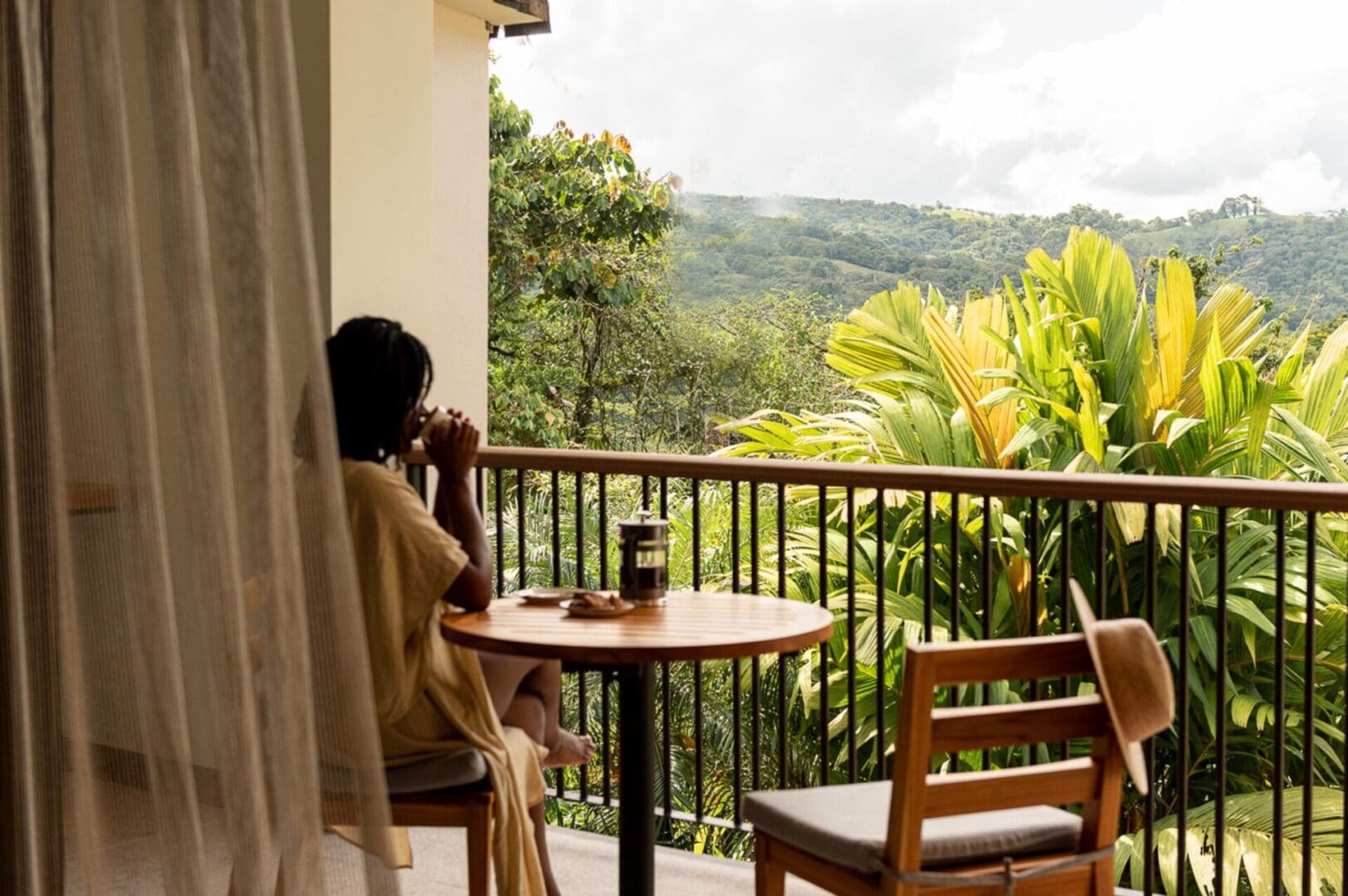
When we explore the world at a slower pace, this gives us a chance to take a break from any worries in our everyday lives while also finding the joy in discovering new places, which can subsequently help to relieve symptoms of depression. Stress and anxiety is reduced when your biggest cause for concern that day is which beach to visit or what to eat for dinner that evening. Your sleep is improved as a result of lowering your stress and anxiety – and also thanks to luxuriously comfortable hotel beds. Accepting that you can’t do it all when travelling and being content to linger over each individual experience leaves you feeling relaxed and unflustered. Ultimately, your mood is greatly improved and you tend to feel happier.
Improve your physical health
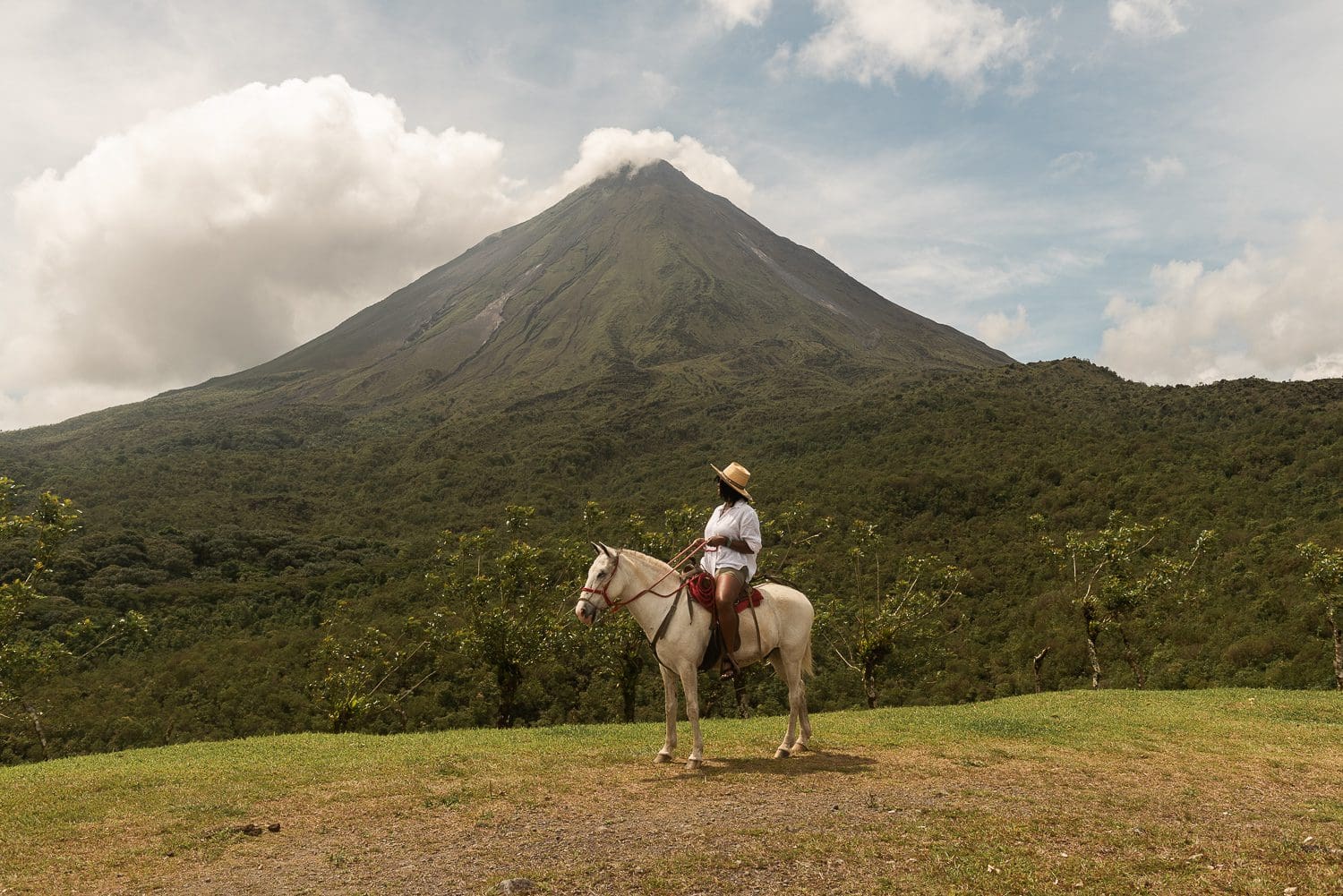
Slow travel also has many physical benefits to your health. Generally speaking, we are more active when we travel, spending more time walking around to get our bearings and to explore the area we are visiting. Check your step count next time you travel to see the difference from your usual routine. We’re also more likely to partake in other physical activities, such as swimming or cycling. Many travellers who adopt a slower pace of seeing the world also try out more strenuous activities, including paddle boarding, skiing, kayaking or hiking on more challenging routes. All of this exercise does wonders for your physical health.
It’s been suggested that those of us who travel more regularly at a more relaxing pace are less likely to suffer heart attacks than those who travel frequently – and could even live longer. This could be down to reducing stress levels and increasing physical fitness, as well as the fact that we tend to eat healthier and fresher food while travelling.

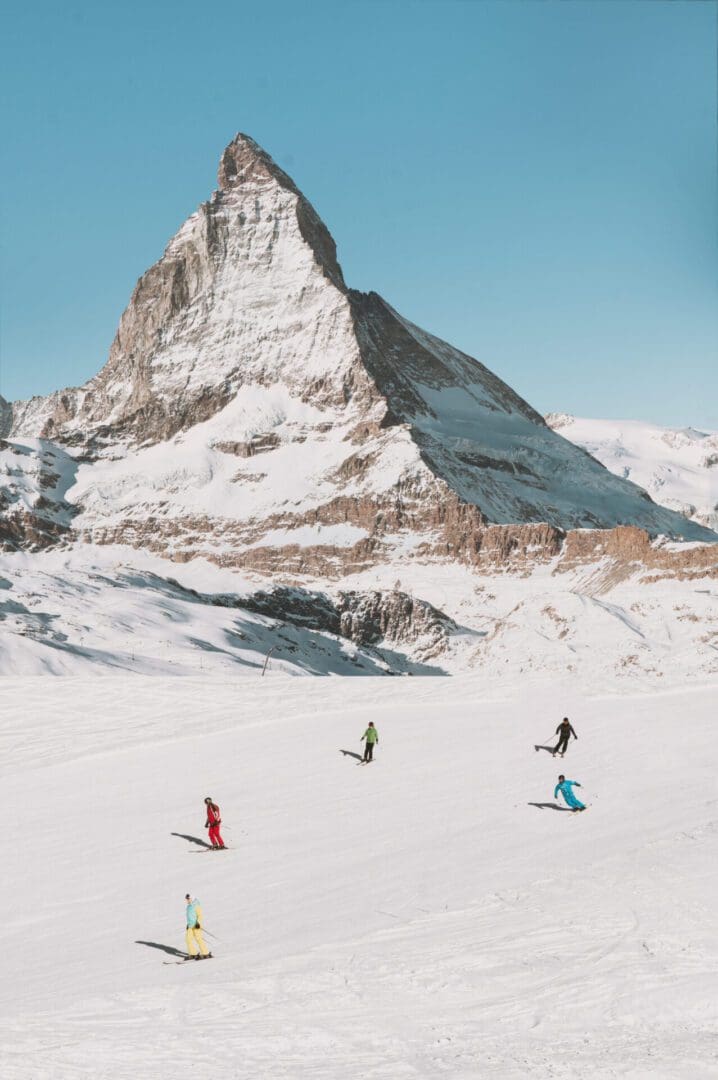

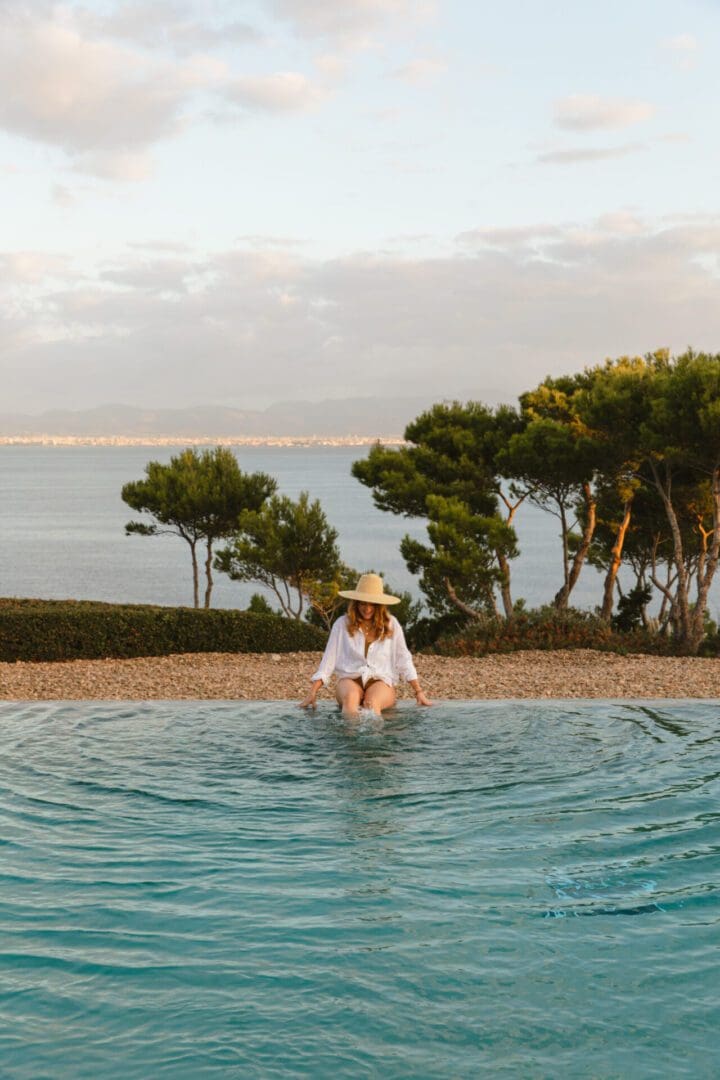
Travel is also good for our lungs – if we choose to visit natural environments with clean, fresh air. Slow travel is intrinsic to visiting places such as the countryside, mountainous landscapes, quiet beaches and luscious forests – all destinations that flaunt clean, fresh air and encourage us to breathe deeply.
Share this article
Latest stories

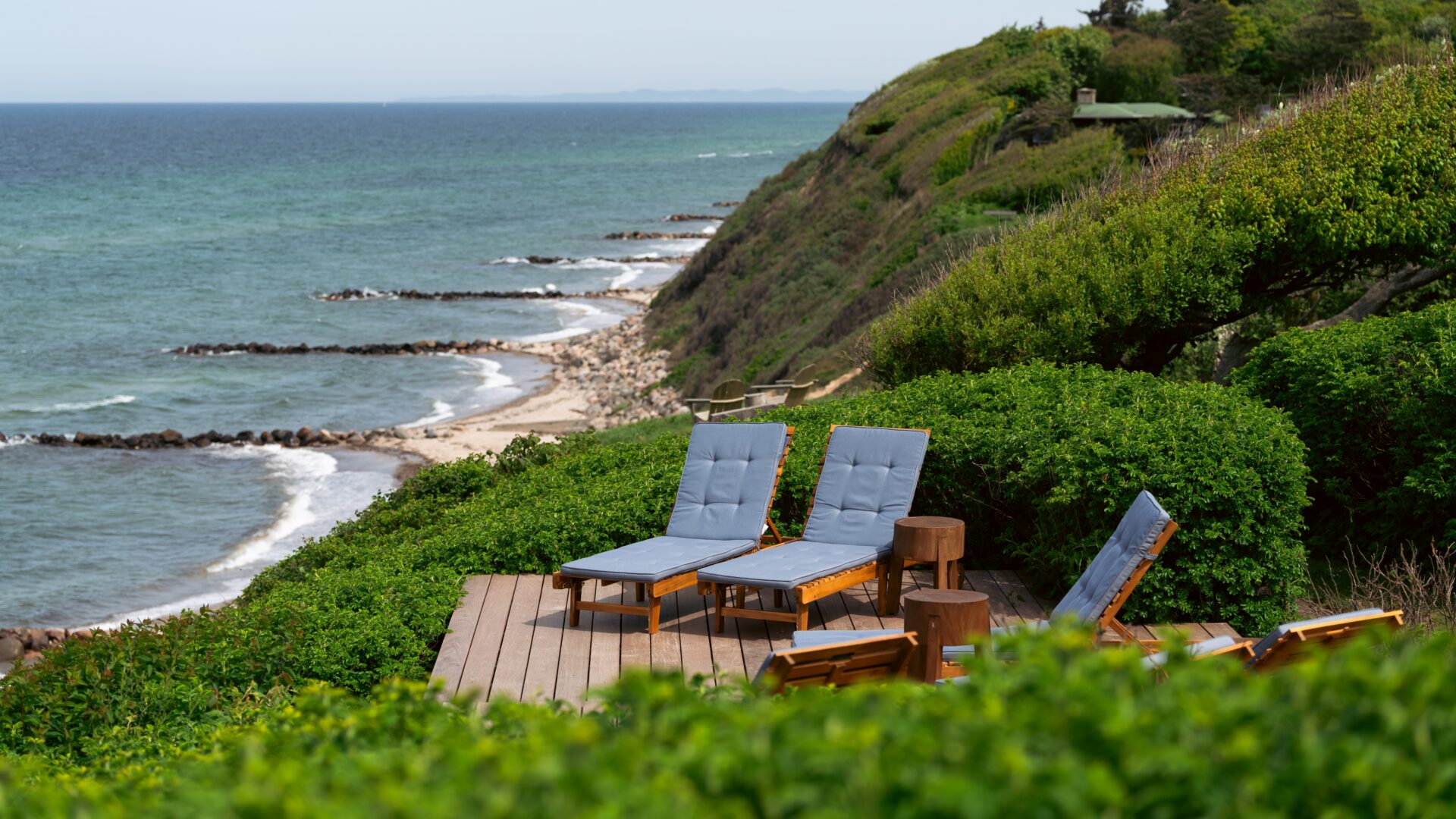
Where to stay: our pick of new hotels that bring their destinations to life
From a Japanese island retreat to a Danish coastal hideaway, we look at seven new member hotels that take their cues from the landscapes around them. Each brings its own perspective on design, wellbeing and a sense of place, whether deep in the mountains or by the Mediterranean. Helenekilde Badehotel,
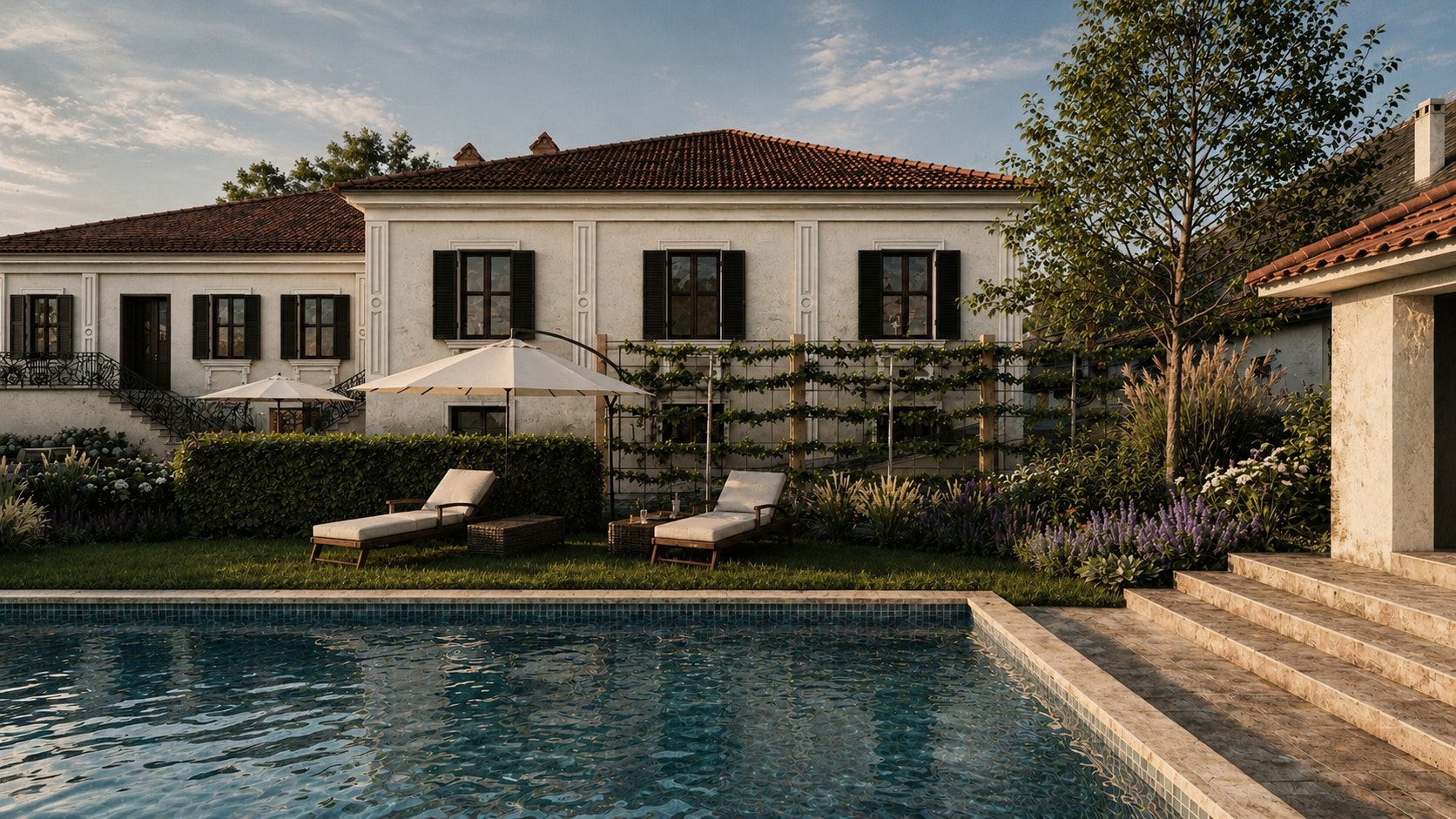
Celebrating five years of the Considerate Collection
What does it mean to travel considerately? It might be a centuries-old farmhouse given a second lease of life in Transylvania; a Venetian landmark carefully restored with a heating and cooling system that uses lagoon water; or an island kitchen serving a plant-based feast made with seaweed gathered just offshore.
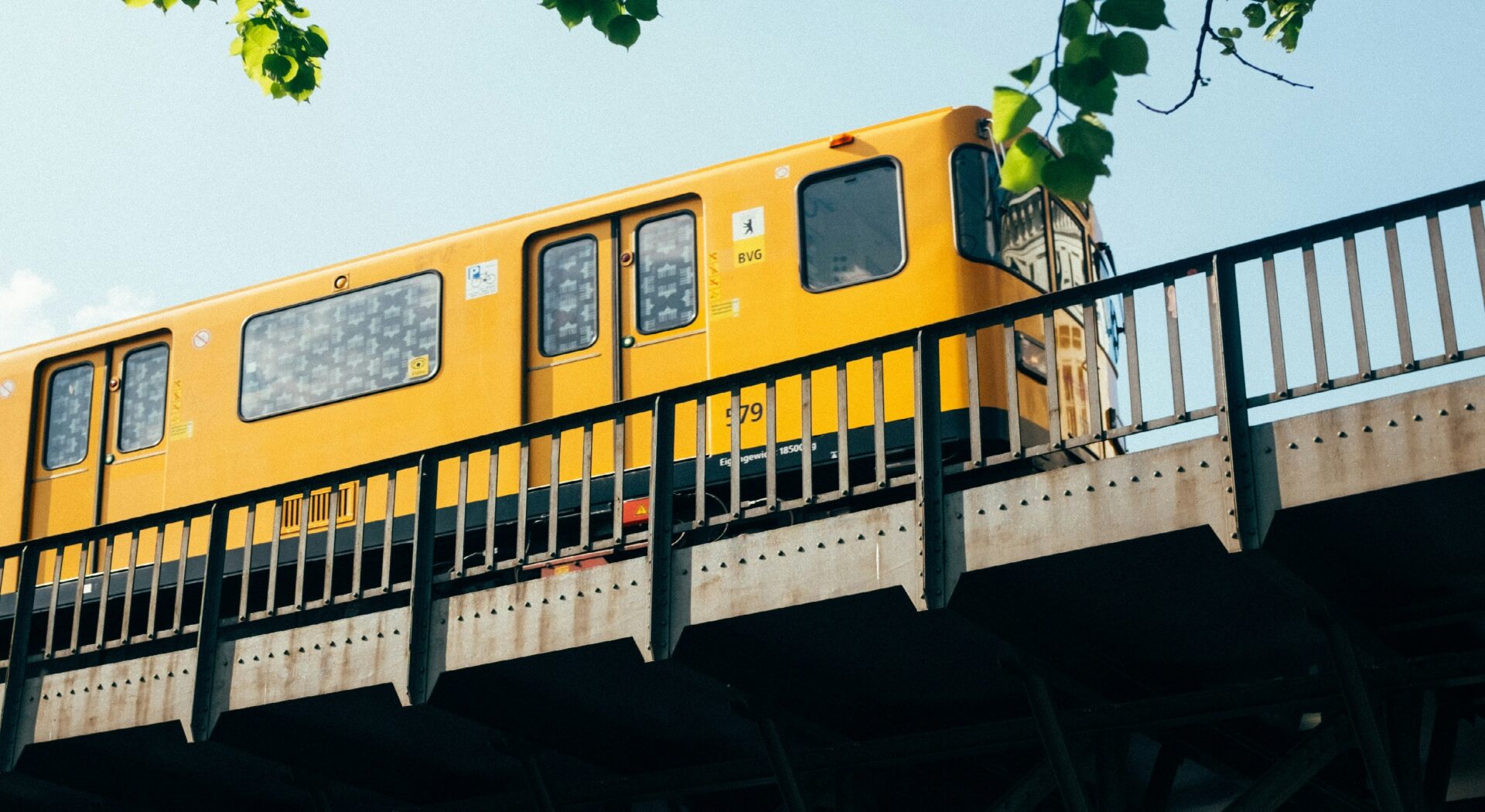
Making tracks: a train journey taking in six European cultural capitals
It’s official – inter-railing is back, as travellers increasingly swap flights for the speed and ease of Europe’s rail network. Think zippy connections, city-centre arrivals, and stress-free border crossings: train travel is one of the fastest, most convenient, and still sustainable ways to explore the continent. Get ready for a

Independent Minds: Sheila Kyarisiima, The Pinnacle Kigali
High above Kigali on Rebero Hill, The Pinnacle offers sweeping views across the city, bringing contemporary luxury together with a strong sense of place. What began as a private family retreat has evolved into a destination that celebrates Rwanda’s culture, creativity and community. Here its founder, Sheila Kyarisiima, shares the